Why Brooklyn for a Small Storefront
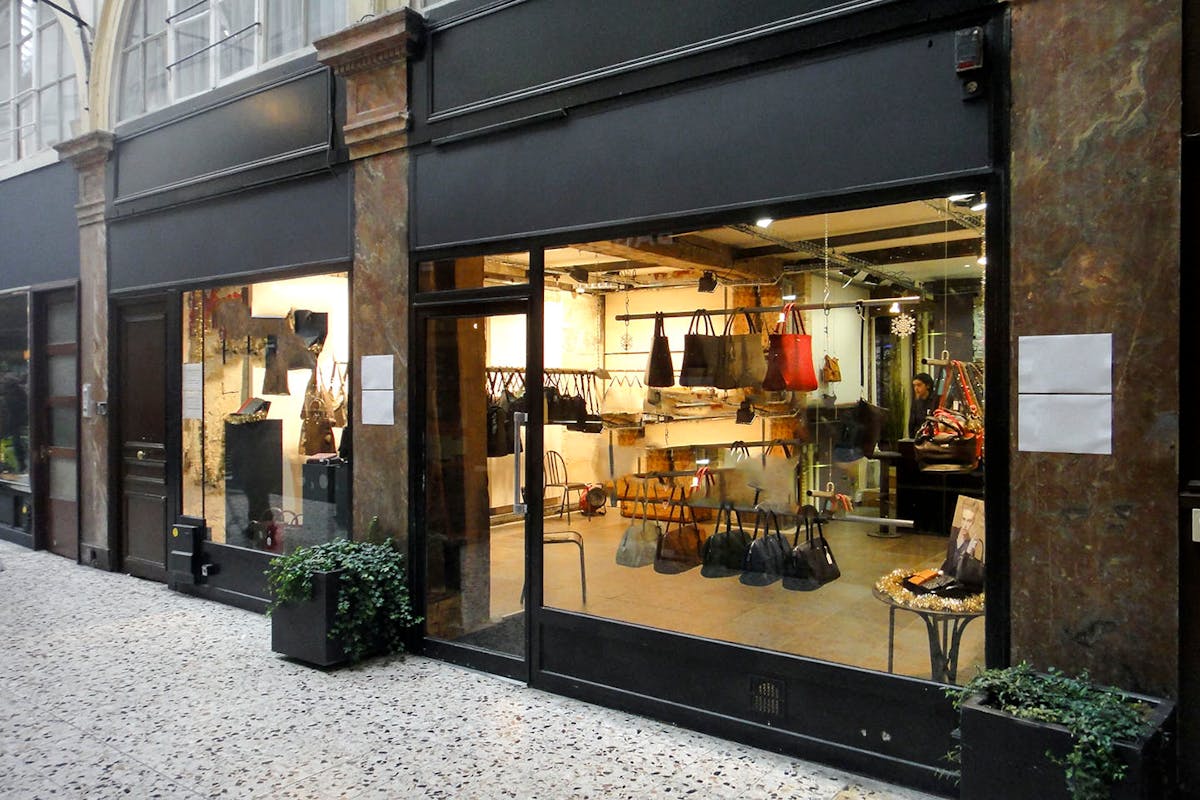
Brooklyn's retail stock is mostly converted industrial: warehouses, garment lofts and single-storey works with freight access, high ceilings and large column-spaced floors. That means storefronts here come with scale and access that Manhattan cannot match, ideal for activations, product launches, showrooms and short-term retail.
Brooklyn runs on avenues rather than a scattered grid. A named avenue, Bedford, Manhattan, Nostrand, Fifth, Knickerbocker, Myrtle, is the commercial spine of its neighborhood and the numbered or lettered streets behind it are residential. Naming the right avenue tells you more than naming the neighborhood.
Neighborhoods with the Most Foot Traffic
Williamsburg is the highest-demand short-term retail district in Brooklyn and the one brands ask for by name. Its former industrial and warehouse stock gives raw interiors and wide frontage, and Bedford Avenue carries the most active shopping traffic in the borough. The South Side, below Grand Street, keeps a Latino and Hasidic commercial character quite separate from the North Side. Williamsburg.
DUMBO sits between the two bridges with cobbled streets and some of the highest-value ground-floor space in Brooklyn. It carries heavy visitor flow to the waterfront and a technology office population above. Water Street and Washington Street are its retail core. DUMBO.
Greenpoint has a long Polish commercial history along Manhattan Avenue and a waterfront that has been substantially rebuilt. It is quieter than Williamsburg, more residential, and its retail serves the neighborhood before the visitor. Greenpoint.
Park Slope is affluent, residential and family-weighted, with a continuous retail run along Fifth and Seventh Avenues. Fifth is younger and more restaurant-led, Seventh more established and family-facing, and both run for well over a mile on a wealthy resident catchment. Fifth Avenue through Park Slope runs for well over a mile of continuous small shopfronts, restaurants and bars, the longest unbroken independent retail run in Brooklyn.
Bushwick is a large, formerly industrial district that became the center of the Brooklyn studio and gallery scene. Its warehouse buildings hold artist space and its street art is a visitor draw, but retail is scattered along a few corridors rather than concentrated. Bogart Street and Morgan Avenue form the center of the studio district, in active industrial buildings around the Morgan Avenue station. Bushwick.
Gowanus is a low-rise former industrial district around the canal, with large single-storey buildings and yards that are unusual in New York. That stock suits makers, event space and activations that need floor area rather than frontage. Gowanus.
Williamsburg, DUMBO and Park Slope have the lowest vacancy rates among premium neighborhoods, one in eight, one in five and one in three respectively. Where a brand wants to be, space is available. That inversion reflects high asking rents and long void periods, exactly the conditions in which a landlord will take a short let.
Peak Seasons and Timing
Demand for short-term space in Brooklyn peaks from late spring through early autumn, when the outdoor markets, waterfront parks and street events are running, and again in the run-up to the December holidays.
Smorgasburg is the largest weekly open-air food market in the country and it is a Brooklyn institution: Williamsburg on Saturdays and Prospect Park on Sundays, running a season rather than year round. For many food and drink brands a Smorgasburg stall is the first physical presence they take in New York, and it is a genuine route into short-term space rather than a sideshow.
Brooklyn Flea is a weekend market for vintage, antiques, design and craft, running outdoors through the warmer months and moving indoors in winter. Alongside Smorgasburg it is the standard first physical step for a small Brooklyn brand and it operates on a stall booking rather than a tenancy.
New York places no restriction on Sunday retail trading, and in Brooklyn the weekend is the trading peak rather than an afterthought. Bedford Avenue, Smorgasburg, the Brooklyn Flea and the waterfront parks all run hardest on Saturday and Sunday, so a temporary space here should plan for a seven-day week weighted to the weekend.
What Size Qualifies as a Small Storefront
Small storefronts in Brooklyn typically range from a few hundred square feet up to around 1,500 square feet. Most have street-facing windows and a single-unit footprint, suitable for pop-up retail, showrooms, galleries and seasonal sales.
Because much Brooklyn stock is converted industrial, freight access and loading are usually better than in Manhattan: roller shutters, yards, goods lifts and street-level vehicle access are common. For anything involving a build, a delivery or a large object, that is often the deciding factor in choosing Brooklyn over Manhattan.
Best Use Cases for Small Storefronts in Brooklyn
Pop-up retail: seasonal brands, limited-edition releases and short-run concept stores find a ready audience in Williamsburg and Park Slope, where weekend foot traffic and resident loyalty drive sales.
Galleries and artist studios: Bushwick and East Williamsburg hold the borough's studio scene. A small street-facing unit there serves both the gallery crowd and passing visitors.
Showrooms: a small storefront works well for product launches, order-taking and design display, brands use the space to show what they do rather than to move volume.
Seasonal sales: holiday retail, back-to-school and summer activations all land in Brooklyn because the peak season aligns with outdoor foot traffic and neighborhood events.
FAQ
How much does a small storefront cost in Brooklyn?
Small storefronts in Brooklyn vary widely by neighborhood, size and season. Williamsburg and DUMBO command the highest rates; Park Slope and Bushwick offer more moderate pricing; outer neighborhoods are cheaper still. Peak season (May through September and November through December) runs higher than winter. Final rates depend on duration, exclusivity, and event timing. Pricing shown reflects typical asking ranges for spaces in the area; final booking terms are negotiated directly with the host.
Which Brooklyn neighborhoods are best for foot traffic?
Williamsburg, particularly Bedford Avenue near the station, carries the densest foot traffic and the most diverse crowd. DUMBO draws heavy waterfront visitor flow on weekends. Park Slope's Fifth and Seventh Avenues serve a strong resident base and weekend shoppers. Bushwick and Greenpoint trade more on a neighborhood customer than passing visitors, but both are growing.
How far in advance should I book a small storefront in Brooklyn?
Peak season (May to September, November to December) books weeks or months in advance. If you are planning for summer or the holidays, aim to secure a space at least four to eight weeks early. Winter months offer more availability and faster booking.
Can I use a small storefront for an event or product launch?
Yes. Many small storefronts in Brooklyn are booked for single-day or week-long events, product launches and pop-up activations. The space owner sets the terms, which can include a one-off event rate. Confirm with the listing that event use is permitted before booking.
What permits do I need for a small storefront in Brooklyn?
Using a legally leased retail space for pop-up retail generally requires no special street permit. The permitting conversation begins if the activity reaches the pavement, a queue that is managed, a table outside, or anything that occupies the kerb. Requirements depend on the space, the duration and the local authority, and are worth confirming before booking.
How is Brooklyn different from Manhattan for small retail space?
Brooklyn's usable stock is mostly converted industrial, which means larger spaces with freight access and high ceilings, opposite to Manhattan's narrow retail frontages. Brooklyn is not a cheaper Manhattan; it is a different market. The best Brooklyn locations trade on their own resident and visitor audience rather than on Manhattan overflow. The subway journey means a brand chooses one borough or the other rather than covering both from a single space.
Explore more: Pop-Up Store Rental