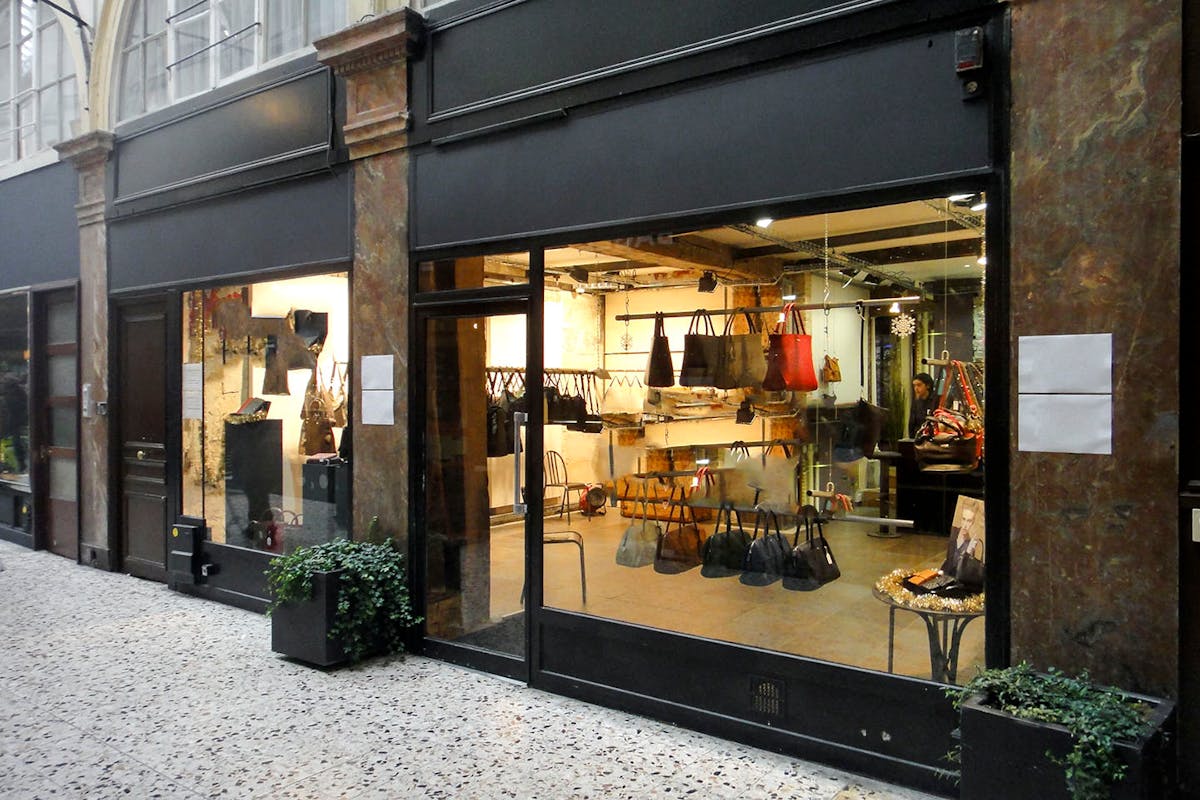
Chicago has more available retail space at lower rents than any other US city of its size, and small storefronts sit at the most accessible end of that range. A compact shop front for rent gives an emerging brand, a local maker or a visiting label a street-level presence without the overhead of a full unit. The city's grid of long commercial corridors means small storefronts appear on nearly every active street, from the independent stretches of Milwaukee Avenue to the premium Victorian units on Armitage Avenue.
A storefront rental in Chicago suits pop-up retail, product launches, seasonal shops and brand tests. Chicago has long been used as a US test market because it is large, demographically broad, geographically central and cheaper to operate in than the coasts. For a brand entering the United States, a Chicago storefront is a lower-cost read on national demand than a coastal one, and the read is more representative.
Where Small Storefronts Cluster
Chicago's commercial life happens on named corridors rather than in a single core. Small units tend to sit on the stretches where independent retail still dominates.
-
Armitage Avenue between Halsted and Racine is Lincoln Park's premium shopping street and one of the most pop-up-ready addresses in Chicago. Restored Victorian storefronts carry apparel, beauty, jewelry and homeware, and the street has a long history of seasonal and temporary occupation. Landlords, neighbors and the walking customer all understand the format.
-
Milwaukee Avenue through Logan Square runs diagonally against the grid and collects bars, restaurants, record shops, vintage stores, bookshops and independent retail in a near-continuous run. It is one of the strongest independent corridors in Chicago.
-
The West Loop has a commercial gap in everyday retail: world-class restaurants, coffee and gyms, but comparatively little apparel, home, beauty or specialty goods for the people who live there. A small storefront in those categories enters an affluent, dense, underserved catchment.
-
Printers Row along South Dearborn has the South Loop's most characterful retail frontage and a resident loft population that walks to it, suiting books, food, design and independent formats.
What Makes Small Storefronts Work in Chicago
Chicago's commercial stock is unusually varied: nineteenth-century masonry shopfronts on the corridors, converted industrial loft buildings in the West and Near North, and modern podium retail downtown. Ceilings tend to be high, frontages wide, and rear service access through the city's alley system is standard rather than exceptional. Fitting out a small space here is considerably easier than in most European cities.
Chicago also has a license designed for pop-up retail; check with the city what it covers for your activity. That generally means a brand testing Chicago for a long weekend faces an application rather than a negotiation.
Small storefront for lease options benefit from the same levers that keep cheap retail space in Chicago accessible: off-peak timing, midweek dates, longer bookings, side streets just off the main corridor, and upper or lower floors in the same building.
Seasonal Timing
Chicago's climate reshapes the retail year completely. Summer moves the city outdoors, with festivals on corridor after corridor and long trading evenings. The holiday weeks are the year's second peak, and the central shopping streets carry it. Deep winter is the quietest stretch and the most affordable for a brand willing to trade indoors, and the shoulder months either side of summer are the most reliable trading windows.
A storefront with an apartment can reduce costs further during a longer seasonal run, keeping accommodation and retail under one roof.
FAQ
What is a small storefront?
A small storefront is a compact, street-level retail unit suited to pop-up shops, product launches, seasonal retail and brand tests. These spaces prioritize window frontage and foot traffic over square footage, giving a brand direct visibility on an active corridor without a large lease commitment.
Where in Chicago can I find a small storefront for rent?
Small storefronts appear across Chicago's commercial corridors. Armitage Avenue in Lincoln Park, Milwaukee Avenue through Logan Square and Wicker Park, the West Loop around Randolph and the Printers Row stretch of the South Loop all carry compact units. Each corridor has a distinct customer and tenant mix.
How much does a small storefront cost in Chicago?
Rates vary by corridor, size, floor, fit-out level and timing. Off-peak months and midweek dates typically ask less than weekends and peak season. A longer booking usually earns a better daily rate. Side streets a few doors off the main run ask materially less while keeping much of the passing trade. Ask the host for current pricing on any listing.
Can I rent a small storefront short-term?
Yes. Booking terms, including duration, deposits and cancellation, are set by each host and vary by space. Many Chicago storefronts are available from a single day through to several months. Chicago has a licensing route written for temporary retail, and what it covers depends on the activity and on current city rules. Our guide to opening a pop-up in Chicago is the place to start, and the host will know what the space already holds.
Do I need a permit for a pop-up storefront in Chicago?
Requirements depend on what you sell, how long you trade and whether you use public space. Confirm them with the City of Chicago before opening, and ask the host which licenses the space already holds.