Why Rent a Small Storefront in San Francisco
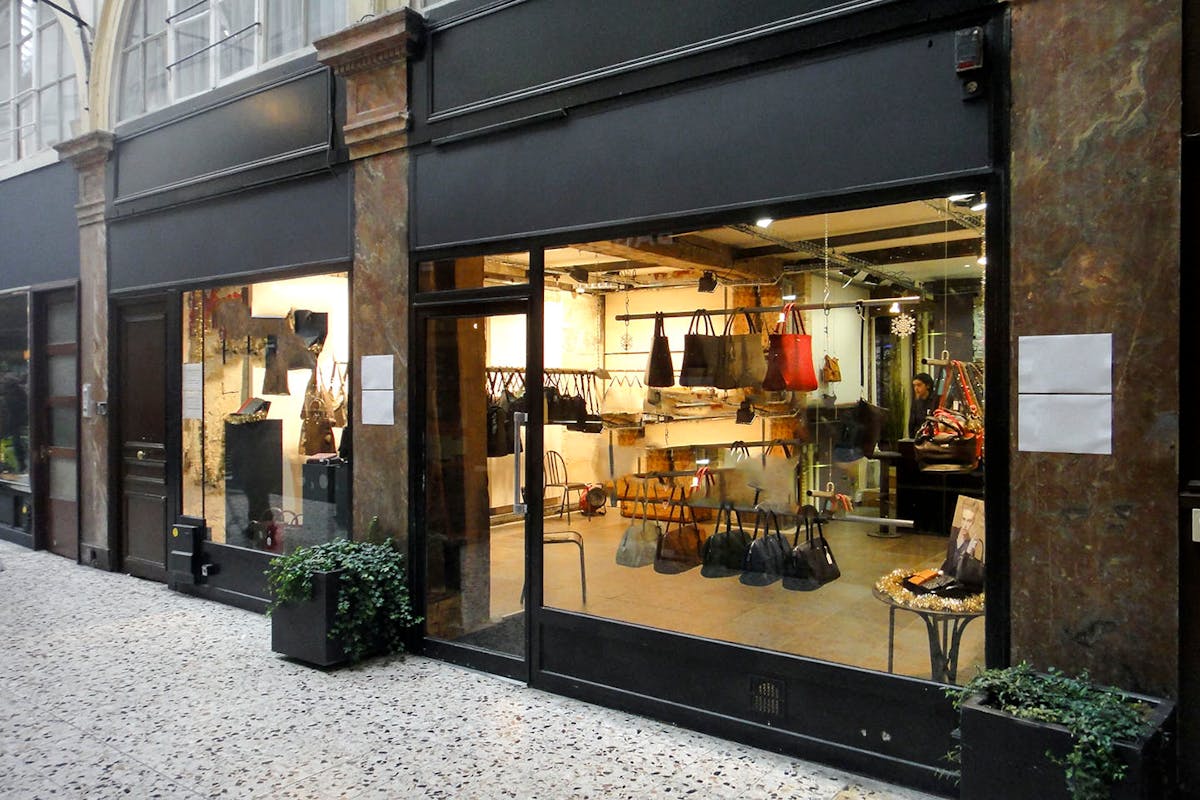
Small storefronts give brands, artists and creators a direct route to San Francisco's customers without the overhead of a permanent lease. A compact space works for a single-brand pop-up, a limited-edition launch, a gallery run, a concept test or a seasonal activation. The city's neighborhoods each carry their own audience and trading pattern, so choosing the right block matters more than the size of the space.
Best Neighborhoods for Small Storefronts
-
SOMA: High foot traffic from office workers, convention attendees and Yerba Buena visitors. Larger-floorplate spaces are more common here than on neighborhood shopping streets, and the blocks around Third and Mission trade seven days a week when the convention center is active.
-
Mission District: Valencia Street is the city's densest independent shopping corridor, lined with small Victorian storefronts that suit a single-brand pop-up. The neighborhood trades on weekend foot traffic and local residents, with a creative audience and strong independent retail culture.
-
Hayes Valley: One of San Francisco's strongest boutique shopping streets, with high-end fashion, design and homeware tenants. Small ground-floor units are scarce here but highly trafficked, and the neighborhood has strict independent-merchant protections that shape the approval process.
-
Castro: A historic neighborhood with a tight, walkable commercial corridor and a loyal local base. Small storefronts here trade to a consistent neighborhood audience and seasonal visitor traffic, particularly around Pride in June.
-
Haight-Ashbury: One of the most visited shopping streets in the United States, known for vintage, streetwear, records and independent retail. Small storefronts are the dominant format here and foot traffic is heaviest on weekends.
Booking Duration and Flexibility
Small storefronts in San Francisco can be booked from one day to several months. A weekend pop-up is straightforward on most blocks, while a seasonal run (holiday retail, tech conference season) typically requires a few weeks to a few months. The longest-term uses run through peak seasons: Lunar New Year in late January or February, holiday trading from mid-November through December, and summer visitor season from June through August. Most spaces allow flexible start and end dates, so a brand can align a booking with demand rather than with a calendar quarter.
Permits and Planning in San Francisco
Pop-up retail is a named use in San Francisco's Planning Code and is available in most commercial zoning districts. A Temporary Use Authorization from the Planning Department covers retail, arts and entertainment uses for up to three years. The space must be either a vacant commercial property or one already carrying a legally established commercial use. Most neighborhood commercial streets have established merchants associations that review new tenants, so arriving with a clear plan and engaging the association early accelerates approval. San Francisco also taxes vacant storefronts, which is why landlords on neighborhood shopping streets are willing to consider short leases: filling the space, even temporarily, is financially advantageous to them.
Peak Seasons and Events
San Francisco's retail calendar concentrates around several major demand periods. Lunar New Year in late January or February drives heavy footfall across Chinatown, Union Square and the neighborhood corridors for two weeks. Dreamforce, the city's largest annual convention, runs in mid-September and fills hotels, streets and event spaces citywide. Holiday retail season builds from mid-November and peaks in the ten days before Christmas, with different neighborhoods peaking at different weeks: downtown first, then neighborhood streets. Summer visitor season runs June through August despite cold fog on the coast, so the waterfront and Haight see their busiest weekends then. September and October bring the city's best weather and are the strongest months for outdoor retail and street-level trading.
FAQ
What can I use a small storefront for in San Francisco?
Small storefronts work for pop-up shops, limited-edition product launches, art galleries, concept stores, seasonal retail, pop-up bars and restaurants, product sampling, brand activations, and one-off events. The space type is flexible enough to suit almost any short-term retail or arts use.
Can I rent a small storefront by the day?
Yes. Many small storefronts in San Francisco are available for daily, weekend or week-long bookings. This is common for pop-ups, product launches and seasonal activations. Longer bookings (weeks or months) are also available and often preferred by landlords for spaces on quieter blocks.
What neighborhoods are best for foot traffic in San Francisco?
Union Square and the Financial District draw the highest foot traffic downtown, but they carry different trading patterns: weekday office and tourist traffic versus evening and weekend visitors. On neighborhood shopping streets, Valencia in the Mission, Hayes Street in Hayes Valley, and Haight Street in Haight-Ashbury draw the strongest foot traffic from residents and visiting shoppers. SOMA trades heavily around Yerba Buena and the convention center on weekdays and around cultural venues at weekends.
Do I need a permit to open a pop-up in San Francisco?
Yes. Pop-up retail requires a Temporary Use Authorization from the San Francisco Planning Department. The process is straightforward for spaces in commercial zoning that are either vacant or already used as retail, and the authorization covers retail, arts and entertainment uses for up to three years. Timeline and requirements depend on the neighborhood and the specific use, which is why engaging the local merchants association early is helpful.
How long can I rent a small storefront in San Francisco?
Small storefronts can be rented from one day to several months or longer. Booking duration depends on availability and the landlord's preference. Seasonal runs (holiday retail, summer, post-convention) are common, while permanent leases are available on spaces where the owner prefers stability over flexibility.
What is the best time of year to book retail space in San Francisco?
The strongest retail seasons are Lunar New Year (late January or February), holiday season (mid-November through December), and summer visitor season (June through August). September and October offer the best weather and strong resident foot traffic. Booking during these periods usually means higher rates but also higher foot traffic and sales potential. Off-peak months (March and April) are quieter and may offer more availability and favorable rates.
Explore more: Pop-Up Store Rental · Storefront With Apartment