What Is a Small Storefront?
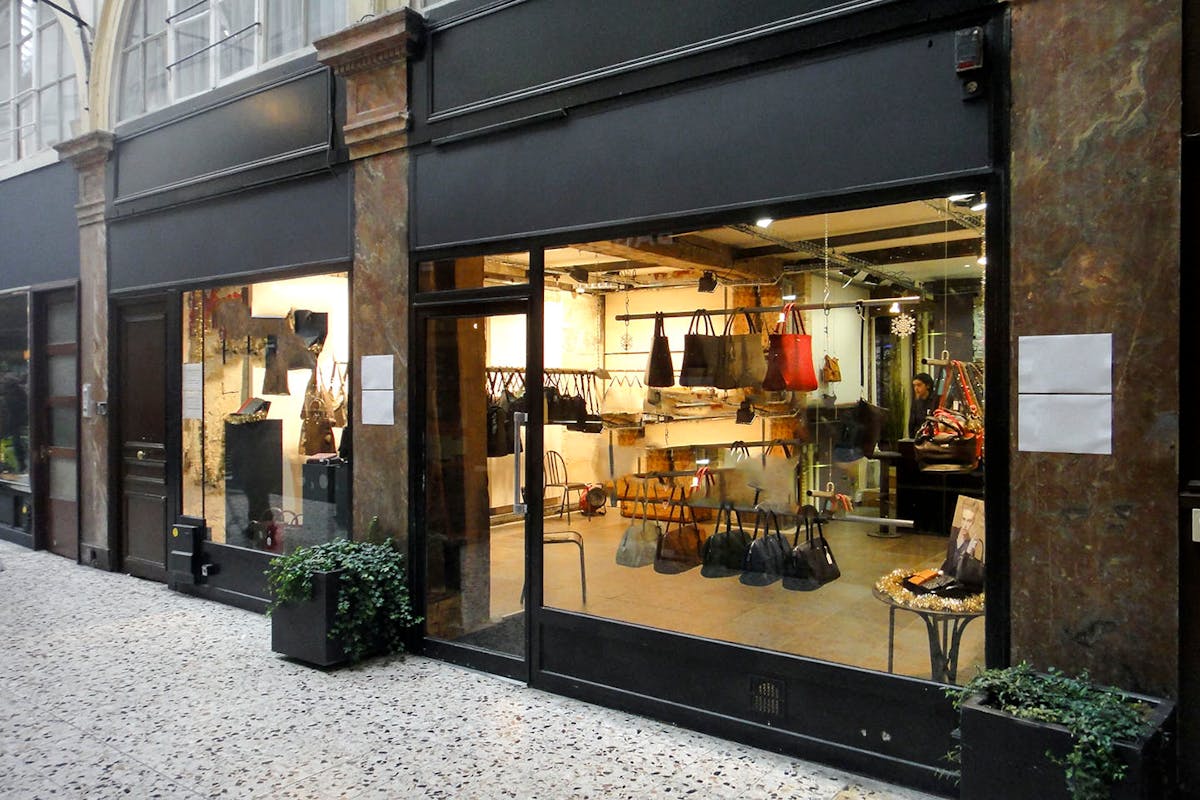
A small storefront is a ground-floor retail unit typically ranging from 200 to 800 square feet, designed for independent retailers, pop-up brands, art galleries and short-term activations. Unlike a traditional lease that locks you in for years, small storefronts in New York are rented by the day, week or month, giving you the flexibility to test a neighborhood, run a seasonal sale, or host a limited-time gallery without long-term commitment.
Small storefronts offer street visibility, foot traffic and the legitimacy of a physical address, three things no online platform or pop-up cart can replicate. In New York, where retail real estate is expensive and competitive, a small space lets you enter the market at a manageable cost.
Why Choose a Small Storefront in New York
Small storefronts solve four core problems for brands and organizations:
-
Test before committing. A two-week pop-up in SoHo tells you whether a neighborhood works for your audience. A permanent lease does not. Small spaces let you gather real data on foot traffic, conversion and local demand before you bet the business.
-
Control costs without sacrificing location. A 300-square-foot space in a high-traffic neighborhood costs less per month than you might think, especially when split over a short booking and negotiated directly with the owner.
-
Access neighborhoods you could not otherwise afford. A flagship lease on Bleecker Street or Ludlow Street is out of reach for most independent brands. A two-month rental is not.
-
Move fast. You can often secure a small storefront and open within days. There is no landlord committee, no board approval, no six-month lead time. That speed is competitive advantage when a trend or a moment is live.
Pricing for Small Storefronts in New York
Small storefronts in New York typically range from $500 to $950 per day or $1,800 to $4,500 per week, depending on location, size, and season. Spaces in high-traffic neighborhoods like SoHo and the Lower East Side command higher daily rates; quieter or emerging neighborhoods offer lower starting points.
Final rates depend on duration, exclusivity, and event timing. Pricing shown reflects typical asking ranges for spaces in the area; final booking terms are negotiated directly with the host.
Small Storefronts by Neighborhood
SoHo
SoHo is the highest-demand short-term retail district in New York, with cast-iron loft buildings offering wide ground-floor frontage and high ceilings. Brands take space here for visibility and for the neighborhood's reputation as a retail destination. SoHo is where flagship pop-ups land, and footfall is consistent across the week.
→ Browse retail space in SoHo
Williamsburg
Williamsburg combines independent boutiques with strong weekend and evening foot traffic driven by its restaurant and bar scene. The neighborhood is known for emerging designers and vintage retail, making it a natural fit for brands testing the New York market at a lower price point than downtown Manhattan.
→ Browse retail space in Williamsburg
Lower East Side
The Lower East Side has the highest concentration of small independent storefronts in downtown Manhattan, with narrow shopfronts on short blocks and a dense bar and music scene that brings strong evening footfall. It is where new labels test New York at street level, and the neighborhood's reputation attracts a young, fashion-forward crowd.
→ Browse retail space on the Lower East Side
Nolita
Nolita is a small-unit neighborhood with narrow shopfronts occupied by independent and emerging labels. It reads as the boutique-scale counterpart to SoHo, with lower rents but equally engaged foot traffic and a reputation for discovery.
→ Browse retail space in Nolita
Best Uses for Small Storefronts
Small storefronts work for any brand or organization that wants foot traffic, a physical address and flexibility. Common uses include:
-
Pop-up shops. Launch a limited-time retail experience in a neighborhood that matches your customer. A two-week pop-up gathers real customer feedback and press coverage without a long-term lease.
-
Sample sales. Brands use small storefronts to clear seasonal stock. The sample sale is a New York institution and one of the largest single uses of short-term retail space in the city.
-
Art galleries. Artists and independent curators rent small storefronts for solo shows, group exhibitions and artist residencies. The spaces work well for this because they require no build-out and the footfall is already there.
-
Showrooms. During fashion week in February and September, brands rent storefronts as temporary showrooms and appointment-only selling space. Small storefronts are ideal for this because they require no build-out and can be styled quickly.
-
Brand activations. A small storefront is a controlled environment for an experience, a launch party or a workshop. It gives you a street address, a photo backdrop and a place for an audience to gather.
How to Book a Small Storefront
-
Browse and filter. Explore listings by neighborhood, duration and price. Use the calendar to see availability at a glance.
-
Review the space. Read the listing description, check the photos and the square footage, and confirm the neighborhood matches your goal.
-
Request the space. Enquire with your dates and your intended use. You can message the owner directly on the platform to discuss terms.
-
Confirm terms and book. Once you and the owner agree on the rate, the booking terms and any special conditions, confirm and pay. You have booked the space.
-
Move in and trade. The owner provides the access details and any house rules. Show up on your opening day and open.
FAQ
What is the difference between a small and a medium storefront?
Small storefronts typically range from 200 to 800 square feet; medium storefronts are generally 800 to 1,500 square feet. The difference affects foot traffic patterns, build-out cost, and the kinds of layouts you can achieve. A small space is ideal for a pop-up or a gallery; a medium space gives you room for an event or a showroom. Pricing scales with size and location.
Can I rent a small storefront for just one week?
Yes. Many small storefronts in New York are available for weekly, even daily, rental. Rates are typically quoted per day or per week, and the owner sets the minimum booking length. Shorter bookings often carry a daily rate premium compared to longer leases.
Do I need a permit or license to operate in a small storefront?
It depends on what you are doing. A pop-up shop, a gallery or a showroom may need no additional permission if you are not serving food or alcohol. If you are, or if you are running a ticketed event, requirements depend on the space and the local authority and are worth confirming before booking. Discuss this with the owner before you commit.
Which neighborhoods have the most availability?
SoHo, the Lower East Side, Nolita, Tribeca and Williamsburg have the highest concentrations of small storefronts and the most frequent turnover. These neighborhoods also have the most established retail footfall and brand recognition, which makes them ideal for pop-ups and short-term retail.
How much does a small storefront cost?
Small storefronts in New York typically range from $500 to $950 per day or $1,800 to $4,500 per week. Spaces in high-traffic neighborhoods like SoHo and the Lower East Side command higher rates. Exact pricing depends on the size, condition, location and the length of your booking.
Can I customize the space?
Most small storefronts come as-is, so you cannot move walls or make permanent changes. However, you can often decorate, hang signage and arrange furniture. Confirm the owner's rules on this before you book. Many owners are happy to accommodate décor and branding as long as it does not damage the space.
Explore more: Pop-Up Store Rental