What counts as a small warehouse in Los Angeles?
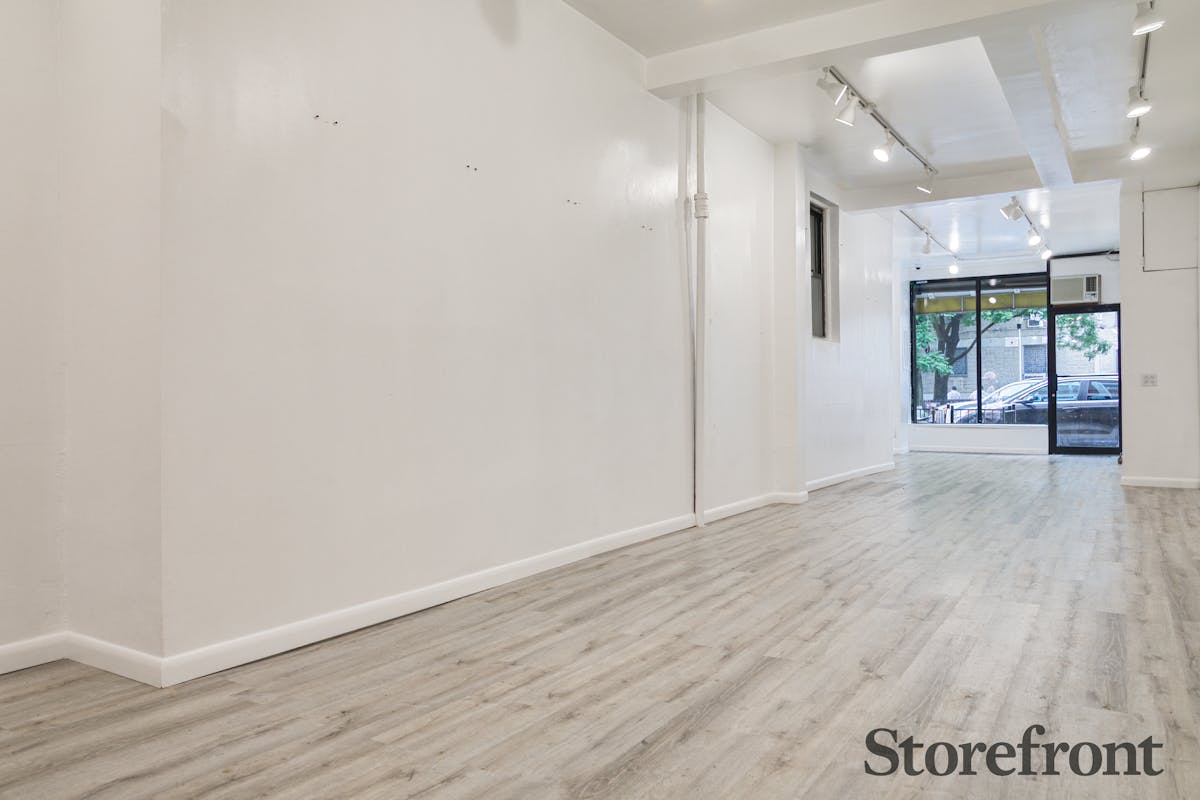
For most brands and small businesses searching for a warehouse for rent in Los Angeles, "small" means a compact unit rather than a full industrial floor plate: enough for a working inventory operation, a compact fulfillment setup, or a brand activation with room to build. The listing states the floor area, so filter on what you actually need.
That size range covers a lot of ground in Los Angeles. You will find converted cold-storage units in the Arts District with original loading doors, low-rise industrial bays in Vernon and Boyle Heights, and warehouse-adjacent spaces in Lincoln Heights and the eastern edge of Downtown. Each district has a different character, different access patterns, and different neighbors.
Where to look for a small warehouse in Los Angeles
Los Angeles is a large and decentralized city, and the right neighborhood depends on what the warehouse needs to do.
-
The Arts District sits east of Alameda Street on the edge of Downtown. The building stock here is genuine converted warehouse and cold storage, with high ceilings, exposed structure, and roll-up loading doors. It suits brand activations, showroom builds, and product launches as much as pure storage, and it draws a creative and industry audience.
-
Vernon is the industrial city immediately south of Downtown, and it is where Los Angeles concentrates its working logistics infrastructure. Units here are functional rather than finished, access is straightforward, and the neighborhood sits close to the freeway network. It is the most practical choice for a business that needs to receive and dispatch goods rather than open its doors to the public.
-
Boyle Heights and Lincoln Heights sit just east of Downtown and carry a stock of low-rise industrial buildings that smaller operators have moved into. Rents in these neighborhoods run below the Arts District, and the building types are similar in scale.
-
Downtown Los Angeles itself, particularly the Fashion District and the blocks around Alameda, offers small warehouse and loft-format spaces within a short drive of the freeway interchange at the center of the city. The Fashion District in particular suits a brand that wants warehouse access alongside proximity to wholesale and showroom tenants in the same area.
Because almost every customer in Los Angeles arrives by car, parking and curb access matter as much as the space itself. A unit with its own lot or a loading door onto the street is a genuinely different proposition from one that relies on street parking.
What to check before you book
A small warehouse for rent in Los Angeles will look different from one building to the next, and the details that determine whether a space actually works for a short-term booking are worth confirming early.
-
Permitted use. A space that was last used as a gallery or office may carry a different permitted use than retail or storage. Confirming this with the host before you book avoids surprises after you have signed.
-
Loading access. Roll-up doors and level loading are common in the Arts District and Vernon. Not every space described as a warehouse has them, and a step at the entry changes what you can move in and out.
-
Parking and vehicle access. For a space receiving deliveries or expecting guests to drive, the number of on-site spaces and the nearest unloading point are the first practical questions.
-
Fit-out state. A raw, unfinished space costs less and gives you more flexibility to build your own environment. A finished space is quicker to open but less adaptable. Know which you need before you start looking.
-
Duration and flexibility. Rates vary by duration: a longer booking usually earns a better daily rate than a single day. If your dates are flexible, asking a host about gaps in their calendar is the most straightforward way to keep costs down.
When brands book a small warehouse in Los Angeles
The demand for a warehouse for rent in Los Angeles concentrates around a few recurring commercial moments.
Awards season is the most distinctive. Brands take short-term warehouse and storage space to support gifting suites, press-day builds, and sample storage for the run of ceremonies and industry events across Hollywood and West Hollywood.
Frieze Los Angeles brings a cluster of satellite fairs and gallery openings with it. Galleries and brands that need a compact, flexible space to activate around the art fair week look to the Arts District first.
April is festival season. Brands launching activations tied to the desert festival weekends often need short-term inventory storage and a base of operations in the city during the weeks around the event.
The holiday retail season builds from early November. A small warehouse used as a temporary fulfillment and dispatch point for an e-commerce brand, or as a pop-up base for seasonal retail, is a well-established use case in Los Angeles through November and December.
FAQ
What does "small warehouse" mean for a short-term rental in Los Angeles?
For a short-term booking on Storefront, a small warehouse is a compact unit with industrial characteristics: high ceilings, a concrete floor, and some form of loading access. The definition is practical rather than strict. If you need more floor area, the host can usually advise on adjacent or larger units in the same building.
Is a small warehouse in Los Angeles suitable for a pop-up shop or brand activation?
Yes. Many of the small warehouse spaces available in Los Angeles, particularly in the Arts District and Downtown, are booked for brand activations, product launches, and pop-up retail rather than pure storage. The building type, with its large openings, high ceilings, and raw finish, suits a built environment that a conventional retail unit would not.
How far in advance should I book a small warehouse for rent in Los Angeles?
Demand for warehouse-format space in neighborhoods like the Arts District is competitive during awards season, Frieze week, and the holiday run-up. Booking several weeks ahead for those windows is a practical step. Outside peak periods, shorter lead times are common, and some hosts accommodate same-day or next-day bookings when they have availability.
What is the difference between a warehouse in Vernon and one in the Arts District?
Vernon is a working industrial city built for logistics: straightforward access, functional buildings, and proximity to the freeway network. The Arts District is a converted creative district where the same building stock has been repurposed for brand and gallery use. The two suit different activities. Vernon works for a business focused on receiving and dispatching goods; the Arts District works for a brand that wants the space itself to be part of what it is doing.
Can I use a small warehouse in Los Angeles for short-term storage only?
Yes. Short-term storage, inventory management, and sample holding are among the most common reasons brands book a small warehouse for rent in Los Angeles. A short booking alongside an event or a seasonal sales period is a straightforward use case, and most hosts in the industrial districts are familiar with it.
Explore Pop-Up Store Rental options for context on how brands use short-term space across the city, or browse cheap commercial property in Los Angeles for a wider view of the budget end of the market. For neighborhood context, the Hollywood Neighborhood Guide covers how the creative districts of Los Angeles sit relative to each other. The Los Angeles city page gives a full view of available space across all verticals.