What counts as a small warehouse in Milan?
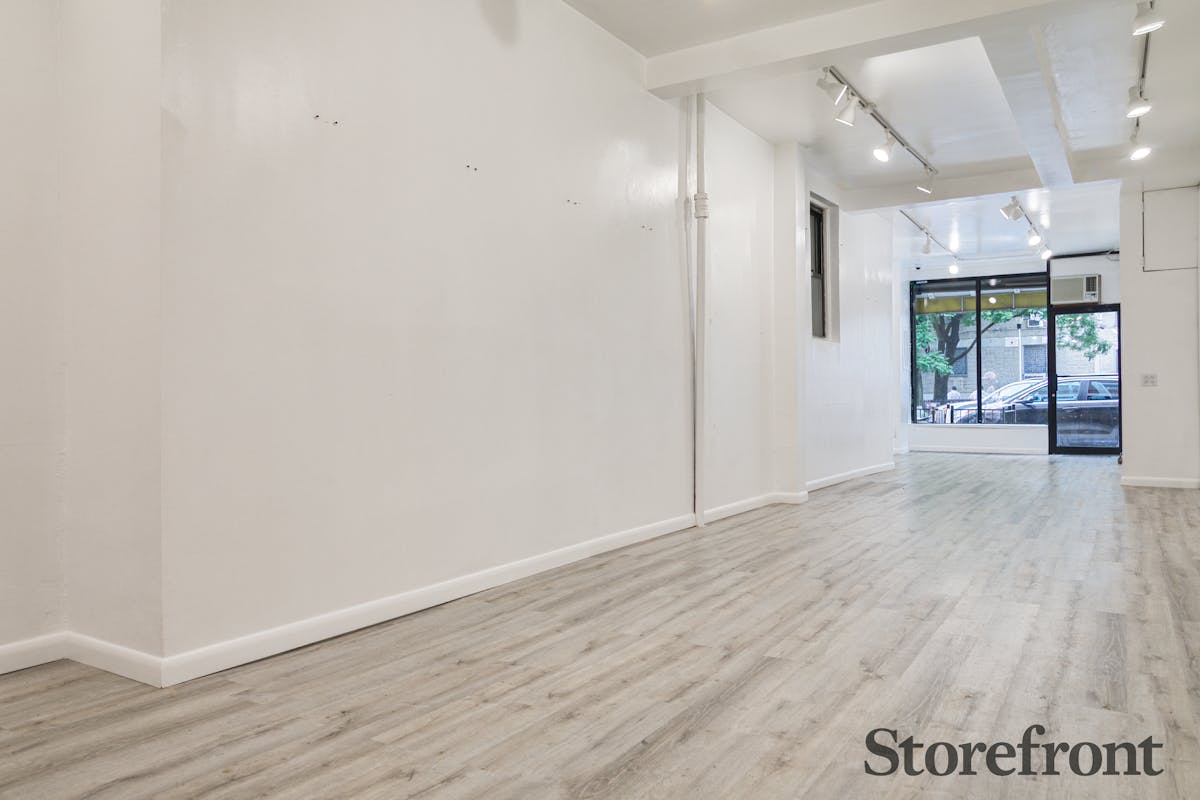
A small warehouse on Storefront is a compact industrial or semi-industrial unit: ground-floor space with vehicle access, clear height, and an open floor plan suited to storage, production or installation work. The category covers converted factory units, courtyard workshops and raw loft floors. What separates this from a showroom or a pop-up shop is the character of the space: unfinished, functional, and built for goods movement rather than foot traffic.
Milan's building stock is well suited to this. The city's former industrial belt runs through districts such as Tortona and Navigli, where converted factories and workshops sit behind gated courtyards. These are the spaces that fill this category.
Who books a small warehouse in Milan
The typical renter here is not a retailer looking for a shopfront. Small warehouse bookings in Milan tend to come from:
-
Brands preparing a Fuorisalone or Design Week installation and needing a build and storage base nearby
-
Fashion teams requiring a temporary fulfilment or returns-processing space during Milan Fashion Week, in February and September for womenswear and in January and June for menswear
-
Production and photography studios needing a column-free space with vehicle access that a standard studio does not offer
-
Businesses running a short-term logistics operation tied to a seasonal campaign or product launch
All of these use cases share one thing: they need the space for weeks or months, not years, and a conventional Italian commercial lease does not fit them. Italian commercial leases run at six years with an automatic six-year renewal by statute. Short-term occupation on Storefront runs on temporary-use agreements instead, which is the practical answer for any brand that needs a space for a defined window.
Where to look: Milan's warehouse districts
Not every Milan district suits this space type. The neighborhoods below are where the relevant stock actually sits.
-
Tortona is the most industrial district close to the center, with converted factories and workshops along Via Tortona and Via Bergognone. The stock is column-free spans with vehicle access and courtyards behind gates. Outside Design Week it is a quiet business district with a production and studio economy. During Fuorisalone it is one of the most contested addresses in the city for temporary space, contracted many months ahead.
-
Navigli holds smaller ground-floor units on and behind the canal banks. The district trades heavily on evenings and weekends, and the warehouse category here suits a brand that brings its own audience rather than one relying on passing trade. The Naviglio Grande antiques market on the last Sunday of most months closes the banks to traffic and draws large crowds, which is worth timing around.
-
Sempione sits north west of the center around the park and the Castello Sforzesco. The district's commercial value is as an event and exhibition setting. Larger units here suit installations rather than conventional storage, and Corso Sempione connects the area to the wider city.
For a broader view of what is available across Milan or specifically in Brera, the search pages show live availability by district.
How to pay less for a small warehouse in Milan
No rate is fixed, and every listing sets its own. The levers a renter controls:
-
Timing. Design Week in April and the fashion weeks in February and September push warehouse rates to their seasonal peaks. Booking outside those windows asks considerably less. August is the opposite problem: the city largely empties and much of the supply closes.
-
Duration. A longer run typically earns a better daily rate than a single-day booking, because the host values continuity. If the project can confirm a longer window, it is worth asking.
-
Fit-out state. A raw, unfinished space asks less than a fitted one. For a brand bringing its own build, the raw space is the better buy.
-
Position. A courtyard unit behind a gate asks less than a ground-floor unit with direct street access. For a production or storage use, the courtyard is often the more practical choice anyway.
-
Flexibility. Being open on dates, or able to step in when a host has a gap at short notice, is the single biggest lever a renter controls.
See also how other brands have approached short-term space in Milan: Moose Knuckles Launches Experiential Pop-Up Store in Milan and La Revêche Brought Its Swimwear Collection to Life With a Milan Pop-Up Store are useful reference points for what a short-term booking can produce.
For different space types in the same city, Pop-Up Store Rental covers the retail end of the spectrum.
FAQ
Can I rent a small warehouse in Milan by the day?
Yes. Listings on Storefront include daily, weekly and monthly options, and the minimum duration is set by each host rather than by the platform. Short stays are common for production work, installation builds and event logistics. Check the individual listing for the host's minimum.
Do I need a permit to operate from a warehouse in Milan?
Starting a commercial activity in Italy involves a notification to the comune rather than a license granted in advance. The premises need to be compliant before the notification is filed. Requirements depend on the activity and the space, and are worth confirming with the host and the local authority before signing. A conveyancer or commercial advisor familiar with Italian practice is the right person to consult.
Does Area C apply to warehouse districts like Tortona?
Tortona and Navigli sit outside Area C, Milan's weekday congestion zone, which covers the historic center inside the Cerchia dei Bastioni. Zones like Brera and the Duomo area sit inside it, so vehicle access there carries a charge. Area B, the low-emission zone covering most of the municipality, applies across all districts and restricts the most polluting vehicles on weekdays from 7:30 to 19:30.
How far in advance should I book for Design Week?
Fuorisalone warehouse space in Tortona is contracted many months in advance, and the most useful units in that district are typically gone well before the week itself. For any booking tied to Design Week, starting the search in the autumn before is not early. Outside that peak the lead time is much shorter and same-week bookings are possible.
What is the difference between a warehouse and a showroom on Storefront?
A warehouse listing is functional and industrial: clear height, vehicle access, unfinished surfaces. A showroom listing is presentation-ready, typically fitted, lit and located where invited guests arrive rather than where goods move. Many Milan spaces sit between the two, and the listing photographs are the clearest guide to which category a space actually belongs in.