

What is a small warehouse in New York?
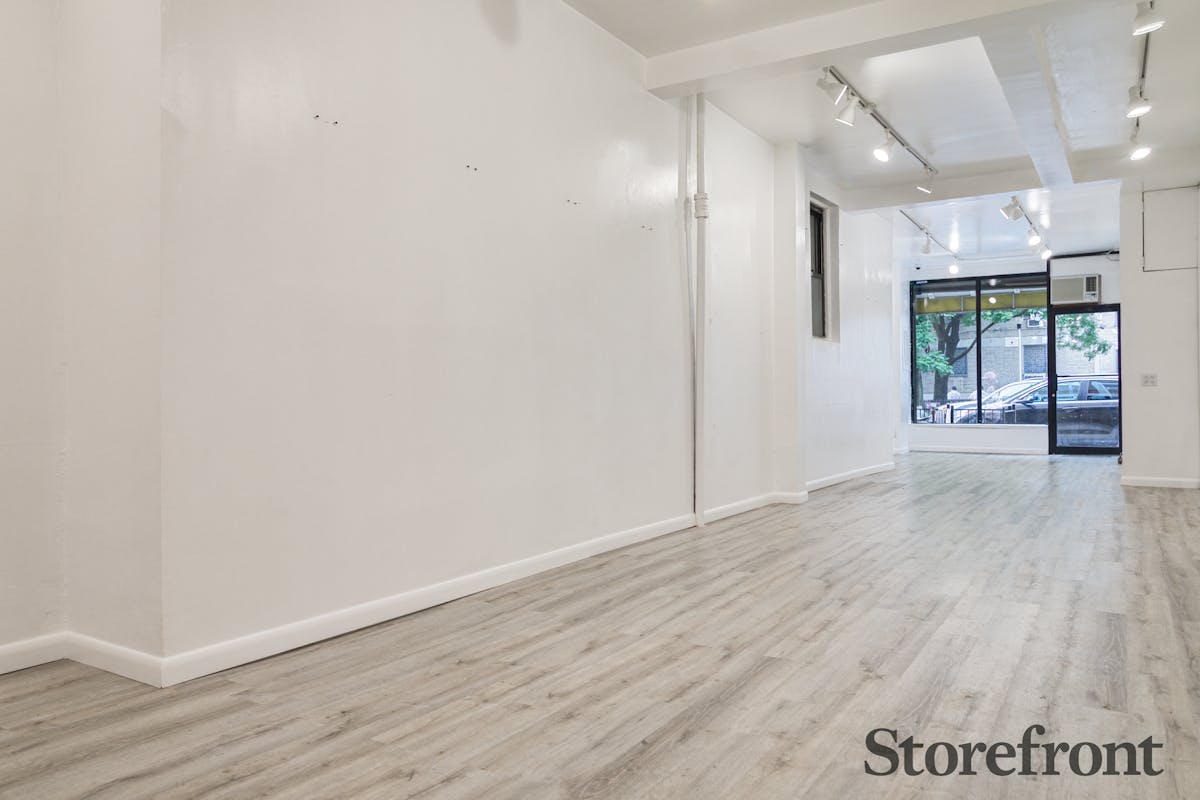
A small warehouse is a compact industrial or flexible commercial space used for storage, production, fulfillment, or staging. In New York, that typically means a ground-floor or lower-level unit in a converted loft building, a standalone structure in an outer-borough industrial zone, or a flexible bay in a multi-tenant facility.
Small warehouse space in New York suits a specific set of tenants:
-
E-commerce and DTC brands that need local inventory close to a dense delivery catchment
-
Fashion and apparel companies requiring a sample room, archive, or showroom overflow on short notice, particularly around the February and September fashion weeks
-
Production and staging teams setting up for events, shoots, or installations who need a secure base for equipment and materials
-
Seasonal retailers storing stock ahead of peak periods such as the holiday run-up or the Hamptons summer window
-
Businesses relocating or fitting out a permanent space who need temporary warehouse-for-rent coverage in New York during the gap
Where to rent a small warehouse in New York
New York's warehouse submarkets sit in distinct geographic bands, each with a different tenant profile and a different set of practical considerations.
-
Long Island City, Queens sits directly across the East River from Midtown Manhattan, with good subway connections and a large stock of older industrial buildings that have been subdivided into smaller units. It carries a mix of production companies, e-commerce operators, and fashion brands that need to be close to Manhattan without paying Manhattan rates.
-
The Garment District, Midtown Manhattan is configured for wholesale and trade use: its buildings hold showrooms, sample rooms, and supplier operations in floors that are already set up for commercial tenants. It is the closest submarket to the fashion industry's core and fills around the February and September fashion weeks.
-
Chelsea is the center of the New York contemporary gallery scene, and its large, column-free floors in the West 20s suit brands needing production space, staging, or showroom overflow alongside or adjacent to the gallery corridor.
-
Tribeca retains wide-floorplate loft buildings from its manufacturing past, with freight access and tall ceilings that suit showrooms and private staging more than walk-in trade. It is quieter and more deliberate than SoHo immediately to its north.
-
Newark and the outer boroughs offer larger units at more accessible rates for tenants whose priority is logistics rather than a Manhattan address. Brands needing highway access, loading docks, or significant square footage typically look here rather than inside the borough.
New York's subway runs twenty-four hours a day, which means a warehouse anywhere on the network can be staffed at hours that would be impractical in other cities. That said, crossing Manhattan east to west is slower than moving north to south, so the avenue a space sits on matters as much as the neighborhood name when planning deliveries and staff access.
Almost every district south of 60th Street in Manhattan sits inside the Congestion Relief Zone introduced in January 2025, which applies a toll to vehicles entering by road. Fit-out vans, delivery trucks, and production vehicles are tolled trips, and commercial vehicles must also follow designated truck routes and posted loading hours. These are real operational costs worth building into any warehouse rental budget before committing to a Manhattan address.
How to rent a small warehouse in New York
-
Define your use case first. Storage, fulfillment, production, and showroom use each have different requirements for ceiling height, loading access, climate control, and occupancy certificates. Know which you need before you start searching.
-
Check the certificate of occupancy. A space marketed as warehouse or industrial may carry a certificate that specifies a different use or a lower occupancy limit. The certificate governs, not the listing description.
-
Confirm freight and loading access. Manhattan blocks have posted loading hours and limited dock availability. Verify when deliveries are permitted at the address and whether a freight elevator or loading bay is included.
-
Review the permit position for your activity. If you plan to hold events, sample sales, or gatherings in the space, the assembly occupancy rules apply once the number of people present crosses the relevant threshold, and a separate certificate may be needed.
-
Account for business improvement district contacts. New York runs a large number of business improvement districts that manage vacancies and program public space in their corridors. A BID contact for the submarket you are targeting is often the fastest route to available space.
-
Book through the platform. Enquire on Storefront with your dates, talk directly to the space owner to agree the details, and confirm the booking on the platform. The rate shown is the rate you pay; Storefront's fee is paid by the space owner and is not added on top.
Small warehouse vs. larger industrial space in New York
-
Small warehouse (typically under 5,000 sq ft): suited to single-brand operations, short-term storage, sample sales, and production staging. More available in Manhattan and inner-borough locations. Books on flexible terms from a single day upward.
-
Mid-size industrial (5,000 to 20,000 sq ft): suited to multi-brand or 3PL operations, larger e-commerce fulfillment, and manufacturing. Concentrates in Long Island City, the Bronx, and Newark. Usually requires a longer commitment.
-
Large logistics facility (above 20,000 sq ft): highway-adjacent, outer-borough or tri-state. Out of scope for most short-term or pop-up tenants.
For most brands renting warehouse space in New York on a short-term basis, the small-warehouse tier is the right starting point: flexible terms, central locations, and the ability to be close to the Manhattan markets they are serving.
FAQ
What permits do I need to rent a small warehouse in New York?
The permits you need depend on what you are doing in the space. Storage and production generally require no additional permit beyond the building's existing certificate of occupancy, provided your activity matches what the certificate allows. If you plan to admit the public, serve food, or hold events with a crowd, additional approvals from the Buildings Department, Fire Department, or Health Department may apply. Serving alcohol runs through the State Liquor Authority on its own timeline.
Can I use a small warehouse for a sample sale or pop-up in New York?
Yes. The loft buildings of SoHo, Tribeca, the Garment District, and Long Island City are a well-established setting for sample sales and short-term brand activations. The key check is the certificate of occupancy: confirm the space is certified for retail or public assembly use, not warehouse-only, before hosting customers.
How long can I rent a small warehouse in New York?
Listings on Storefront are available from a single day up to several months. Short-term warehouse for rent in New York suits brands with a defined project window: a fashion week, a sample sale run, a seasonal storage need, or a fit-out gap. Longer commitments are also available depending on the space and the owner.
What should I look for when viewing a small warehouse in New York?
Check ceiling height and column spacing if you are storing or staging large items. Confirm freight elevator and loading dock access, and ask about posted loading hours on the block. Ask whether climate control is included if you are storing temperature-sensitive stock. Verify the certificate of occupancy matches your intended use. And if the space is in a Manhattan historic district, check whether any exterior signage or branding will need Landmarks Preservation Commission review.
Is short-term warehouse rental in New York more expensive in certain seasons?
Demand for short-term space peaks around the February and September fashion weeks, through the holiday run-up in November and December, and during the spring sample-sale season. Late summer, particularly August, is the quietest period in Manhattan and typically the most negotiable time to take space. The weeks after the holidays are also soft.
Are there accessibility requirements for a small warehouse open to visitors?
A space open to the public is a place of public accommodation under the Americans with Disabilities Act, which requires accessible entry and service. Many Manhattan storefronts and loft buildings have stepped entrances or below-grade levels, so confirm the access situation before committing if you expect a public audience.
For a broader view of available space across the city, explore New York listings or browse SoHo specifically for loft-format spaces in the highest-demand short-term retail and production district in Manhattan. If a kiosk or concourse format suits your needs alongside or instead of warehouse space, the Mall Booth Kiosk Corner Rental collection and its New York equivalent are worth reviewing. For context on the broader short-term retail market, the Retail Space For Rent hub covers the full range of formats available on the platform.


