Why Choose a Storefront With Living Space?
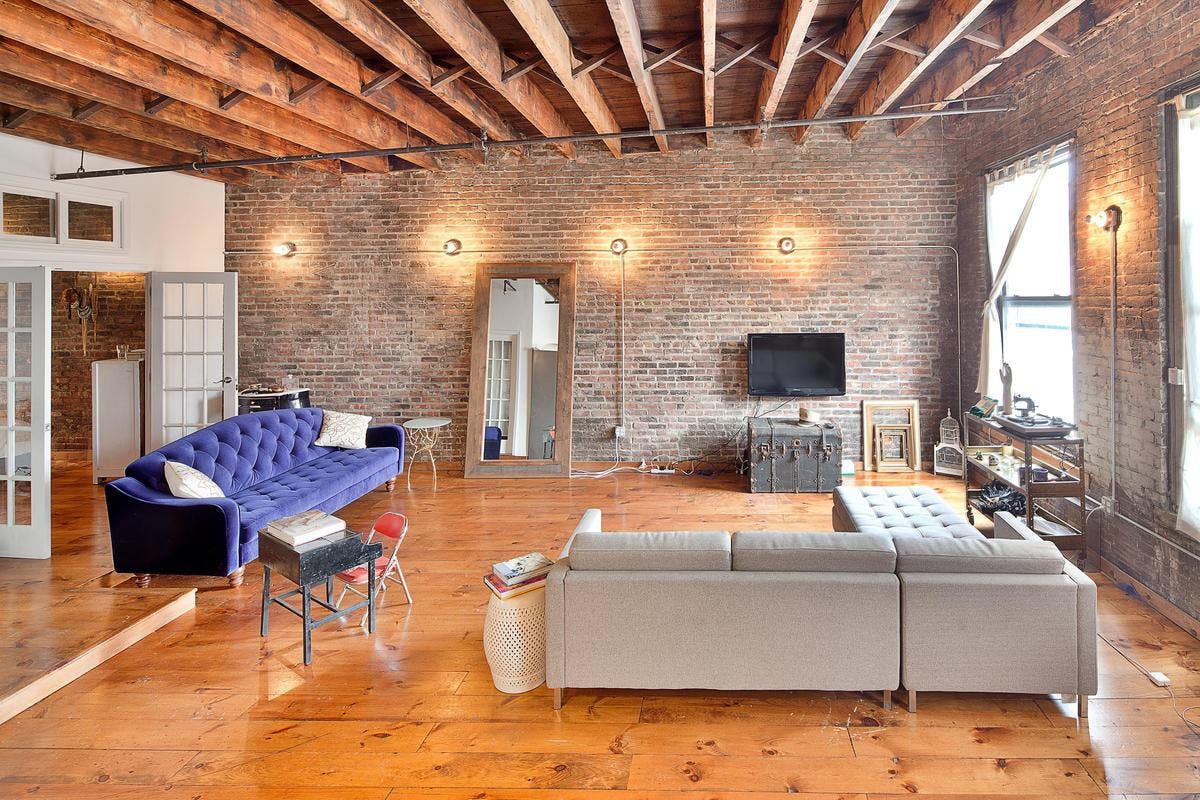
For independent makers, designer-entrepreneurs and bootstrapping brands, a storefront with living space consolidates rent into a single outgoing, removes the daily commute, and creates the kind of work-life integration that a conventional shop lease never offers. You trade from the ground floor, live above it, and the two rhythms reinforce each other rather than competing.
This format suits a specific kind of operator: the ceramicist who needs a kiln and a shop window, the tailor who sees clients by appointment and works late, the brand founder who is still building the business and cannot yet afford two London rents. A storefront with living space rental in London is not a compromise. For the right person, it is the most efficient unit they will ever occupy.
London Neighbourhoods Worth Considering
Live-work retail is unevenly distributed across London. The neighbourhoods below appear repeatedly in searches for this format and reflect where the city's independent creative community has historically put down roots.
-
Hackney is a large east London borough with a strong independent commercial base. Its streets mix small ground-floor retail units with residential floors above, and the customer skews creative and local.
-
Shoreditch draws the highest demand for short-term retail in London, with former warehouse and light-industrial stock offering wide ground-floor frontage. Several units retain residential upper floors under the same lease.
-
Camden is market-led and visitor-heavy, with small units well suited to makers and independents who need both display space and a workspace close by.
-
Notting Hill combines a wealthy resident catchment with weekend visitor flow. Portobello Road and the surrounding streets have a long history of units where the trader lives above the shop.
-
Marylebone offers a village-scale retail environment immediately north of Oxford Street. Its managed high street is deliberately independent-leaning, and the Victorian and Georgian buildings above the shops regularly carry residential floors.
Typical Costs
Short-term storefront rental in London varies considerably by size, location and duration. Based on current listings across the city, typical asking ranges run from £150 to £310 per day, or from £613 to £1,500 per week for the lower half of the market. Monthly rental typically runs from £3,000 to £7,600 for comparable spaces.
Spaces that include a living area tend to sit at the higher end of weekly and monthly ranges, reflecting the combined use. Rates vary by neighbourhood, floor size and the condition of the residential element.
Final rates depend on duration, exclusivity, and event timing. Pricing shown reflects typical asking ranges for spaces in the area; final booking terms are negotiated directly with the host.
FAQ
What is a storefront with living space?
A storefront with living space is a commercial unit, usually at ground-floor level, that includes a residential area, typically on an upper floor or at the rear of the building. The renter uses the retail frontage for trading and the living area as accommodation or a studio. This format is often described as live-work retail.
Who typically rents a storefront with living space in London?
The format suits independent designers, ceramicists, tailors, artists and small brand founders who want to consolidate their commercial and residential costs into a single space. It is particularly common among early-stage businesses that cannot yet justify two separate London rents.
Do I need planning permission to live and work in the same space?
Whether a specific unit may legally be used as residential accommodation depends on the individual property and its planning history. Always confirm with the landlord and, where needed, the local authority before signing. Requirements depend on the space and the local authority, and are worth confirming before booking.
How long can I rent a storefront with living space in London?
Availability varies by listing. Storefront connects renters directly with space owners for terms ranging from a single day through to several months. Longer rental periods are generally more common for spaces that include a living area, though short-term arrangements are available on some listings.
Further Reading
If you are approaching this for the first time, How to Start a Pop-Up Shop in London: A Step-by-Step Beginner's Guide covers the practical steps from finding a space to opening day.
For inspiration on what a short-term London retail space can become, Before and After: 5 Stunning Pop-Up Store Transformations in London is a useful reference.
Browse all retail space in London for a wider view of what is available across the city, or explore Marylebone if the village-scale retail environment suits your plans.
For context on the broader category, the Pop-Up Store Rental project page sets out how short-term retail rental works and who it is designed for.