


What Is a Storefront With Living Space?
A storefront with living space is a venue that combines a ground-floor retail or commercial area with an attached or upstairs residential unit. The two functions share one address, one lease, and one set of keys. For an artist selling work, a founder running a direct-to-consumer brand, or a creative professional who wants to keep their studio and their home in the same building, the live-work model removes the cost and time of a separate office or studio.
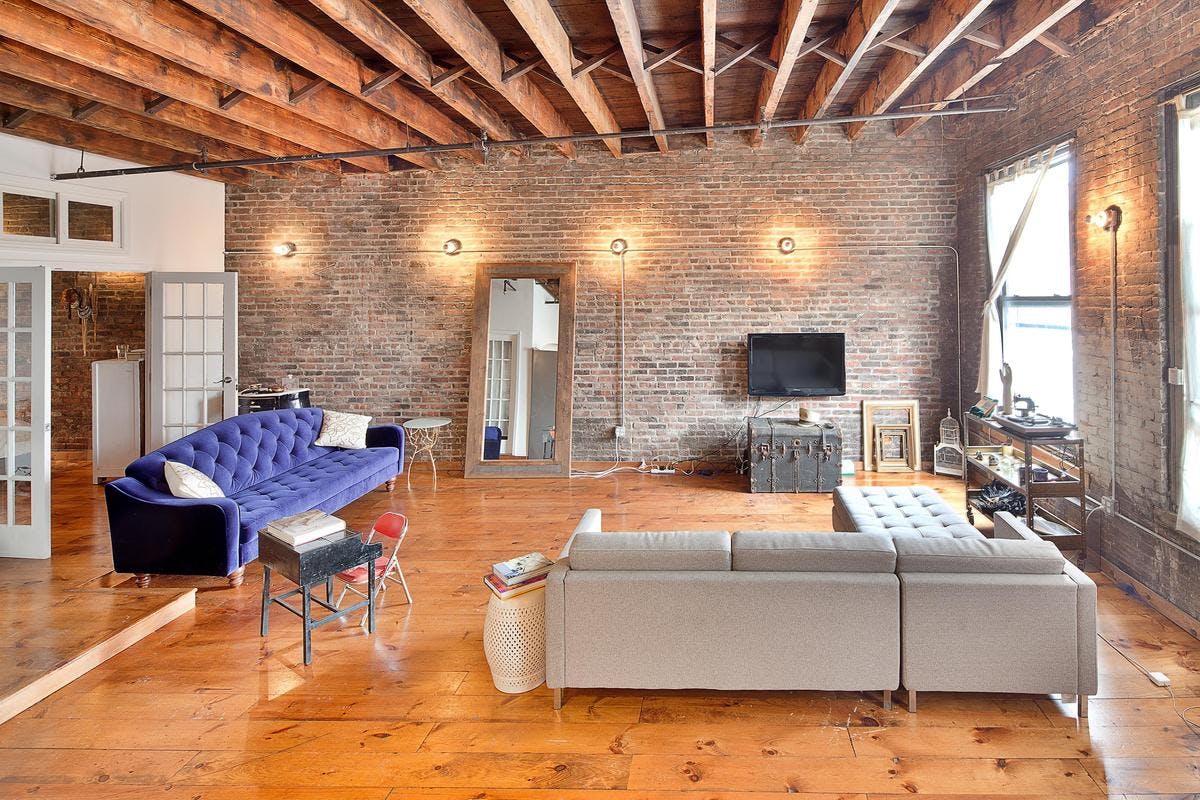
New York has a long tradition of this format. The loft buildings of SoHo, Tribeca, and NoHo were originally built for manufacturing and later converted into combined living and working spaces. That heritage means the city has a genuine stock of spaces designed for exactly this use rather than spaces awkwardly adapted to it. A storefront with living space rental in New York gives you commercial frontage on the street and a place to sleep upstairs, in a single booking.
Neighborhoods to Consider
Not every part of New York has a dense supply of live-work storefronts. The neighborhoods below have the highest concentration on the platform.
-
SoHo: The highest-demand short-term retail district in Manhattan. Its cast-iron loft buildings offer wide ground-floor frontage and tall ceilings, with residential or studio space above. Foot traffic is strong across the week and even stronger on weekends. Spaces here suit brands that want visibility as much as a place to operate.
-
Tribeca: Wide streets, large loft floorplates, and an affluent residential population. Retail is more deliberate here than in SoHo, which makes it a better fit for showrooms, private sales, and appointment-based businesses. The living quarters in Tribeca lofts tend to be generous by Manhattan standards.
-
NoHo: A small, architecturally protected district between Greenwich Village and the East Village. The number of large, high-specification ground-floor units is limited, which keeps supply tight. What is available tends to be well-preserved and well-proportioned.
-
The Lower East Side: The highest concentration of small independent storefronts in downtown Manhattan, with a dense evening economy and strong footfall across the week. It is where new labels and independent artists tend to test New York at street level, and live-work units here reflect that independent character.
For a broader view of retail space in New York, including options outside these neighborhoods, the full search covers listings across the five boroughs.
Lease Lengths and How Renting Works
Storefront with living space rentals in New York are available by the day, by the week, or for longer stretches running into months. The right duration depends on what you are doing: a sample sale or a pop-up launch may need a few days, while an artist residency or a season-long retail test typically runs several weeks or more.
The rate shown on each listing is the rate you pay. You contact the space owner directly through the platform, agree on your dates and any specific requirements, and the booking is confirmed there. Deposits, insurance, and cleaning arrangements are agreed with the space owner and vary by listing.
If a lower-cost option is the priority, cheap retail space in New York is a useful starting point. For those who want the storefront without the residential component, retail space in New York covers the full commercial-only range.
Practical Considerations for Live-Work Spaces in New York
Before booking, confirm the space's certificate of occupancy. This document states what each floor may lawfully be used for and how many people it may hold. A unit marketed as a live-work space needs a certificate that covers both residential and commercial use. Reading it is the first step, not a formality.
If you plan to invite the public into the space, the moment it gathers a crowd rather than individual shoppers it may require a separate place-of-assembly certificate, with the Fire Department setting occupancy and egress conditions. The threshold is lower than most people assume.
Many of the loft districts in Manhattan sit inside designated historic districts administered by the Landmarks Preservation Commission. Any exterior changes, including signage and lighting, require a permit in these areas. A brand planning external branding on a landmarked building needs to allow time for that approval.
The New York subway runs twenty-four hours a day, so a late event or an early morning delivery does not require separate transport planning. SoHo, Tribeca, and the Lower East Side are all well connected, though some of the older loft buildings in these neighborhoods predate elevator requirements.
FAQ
What is a storefront with living space in New York?
A storefront with living space is a venue that combines a ground-floor commercial area with an attached or upstairs residential unit on a single lease. In New York, this format is most common in the converted loft buildings of SoHo, Tribeca, NoHo, and the Lower East Side, where manufacturing buildings were originally designed for ground-floor trade and upper-floor occupation.
Which New York neighborhoods have the most live-work storefronts for rent?
SoHo and Tribeca have the densest concentration of live-work storefronts on the platform, reflecting their stock of converted cast-iron and warehouse loft buildings. NoHo offers a smaller number of high-specification units. The Lower East Side has more small-unit options suited to independent operators and emerging labels.
Can I run a retail business from a storefront with living space?
Yes, provided the space's certificate of occupancy covers commercial use on the ground floor. Most live-work lofts in SoHo, Tribeca, and NoHo were converted specifically to allow both residential and commercial occupation. Confirm the certificate before booking, and check whether your planned activity, such as hosting the public or serving food, requires any additional permit.
How long can I rent a storefront with living space in New York?
Listings on the platform are available for a single day, a week, or for several months. Short-term rentals suit pop-up shops, sample sales, and artist residencies. Longer rentals work for seasonal retail tests or extended creative projects. The duration and rate are agreed directly with the space owner.
Is a storefront with living space the same as a live-work loft?
They overlap but are not identical. A live-work loft is typically a large open floor used for both living and creative work, often without a distinct street-facing retail component. A storefront with living space has a commercial ground-floor frontage visible from the street, with the residential element above or adjacent. The storefront format is better suited to businesses that want walk-in trade or street visibility.
What should I check before booking a storefront with living space for rent in New York?
Review the certificate of occupancy to confirm both commercial and residential use are permitted. Check whether the building sits inside a Landmarks Preservation Commission historic district, which affects what exterior changes you can make. Clarify with the space owner what is included in the listing, and agree deposits, cleaning, and any other terms before confirming the booking.


