

Pop-up retail has become a core strategy for brands looking to test concepts, launch products, and enter new markets without long-term risk. While headlines often focus on challenges facing the UK high street, the reality is more nuanced.
Brands are not leaving physical retail. They are changing how they use it.
Short-term retail, flexible leases, and experience-led formats are driving a new wave of pop-up activity across the UK, particularly in London. Pop-ups are now a key part of how brands launch, grow, and expand in competitive markets.
Why pop-up retail is growing in the UK
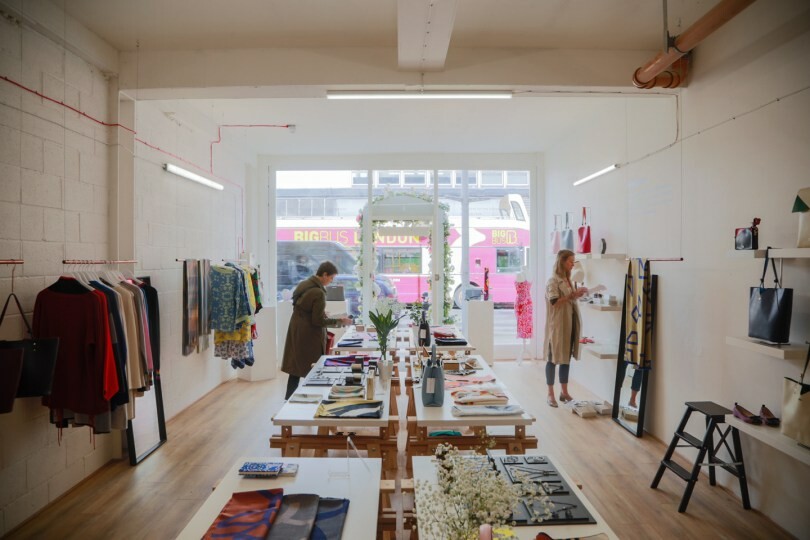
Pop-up retail continues to grow as brands look for flexibility in an increasingly complex retail environment.
Several factors are driving this shift:
- Rising costs and risk associated with long-term leases
- The need to connect physical and online retail
- Increased demand for experience-led shopping
- Landlords seeking flexible ways to activate vacant space
As a result, short-term retail has become a practical and strategic solution for both brands and property owners.
Key pop-up retail trends in the UK
Landlords are embracing flexible retail
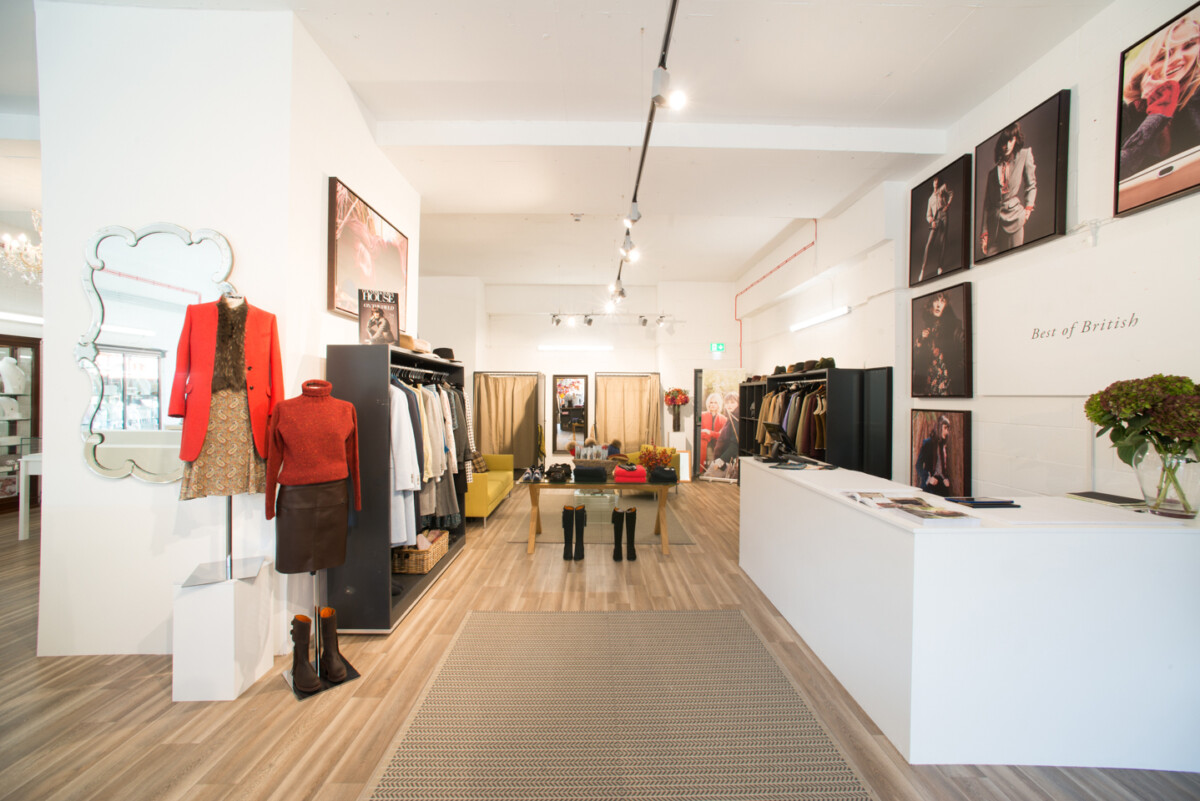
One of the biggest shifts in the UK market is the growing willingness of landlords to offer short-term leases.
Rather than leaving spaces vacant, landlords are increasingly open to temporary retail activations, short-term brand partnerships, and testing new tenants before committing to longer agreements. Pop-ups help drive foot traffic, activate empty units, and provide insight into tenant performance.
E-commerce brands are moving into physical spaces
Digital-first brands are increasingly investing in physical retail as part of their growth strategy.
Pop-ups allow them to build brand awareness offline, engage directly with customers, and test locations before committing long term. Physical retail is no longer separate from e-commerce, it is an extension of it.
Experiential retail is driving foot traffic
Retail is no longer just about transactions. It is about creating memorable experiences that attract and engage customers.
Pop-ups are being used for product launches, immersive brand activations, and community-driven events. This shift toward experiential retail is one of the main drivers of foot traffic in physical spaces.
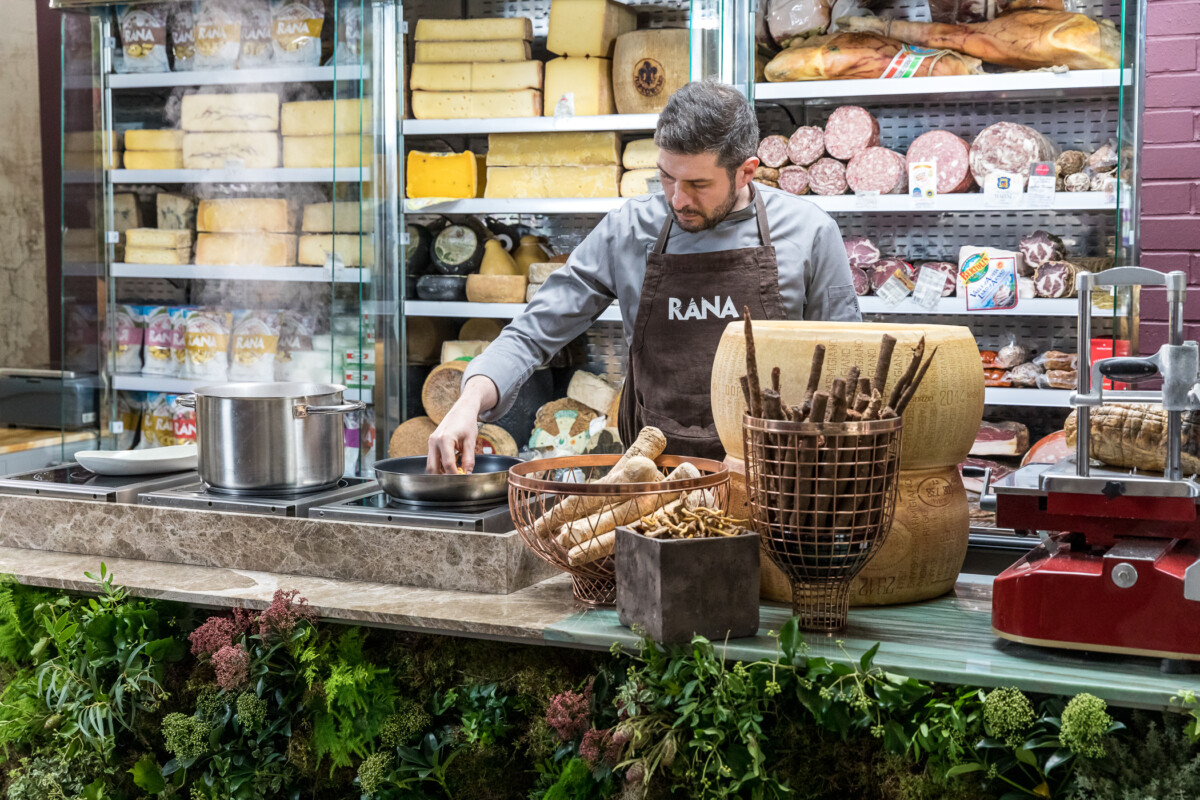
This can be seen in activations like La Famiglia Rana’s experiential pop-up grocery in London, where the brand used a temporary space to create an immersive food experience and build long-term engagement.
Brands are adopting multi-location strategies
More brands are launching multiple pop-ups across different neighborhoods or cities as part of a broader retail strategy.
This allows them to test different audiences, build brand presence quickly, and expand without committing to permanent stores. Pop-ups enable a flexible “test and learn” approach to growth.
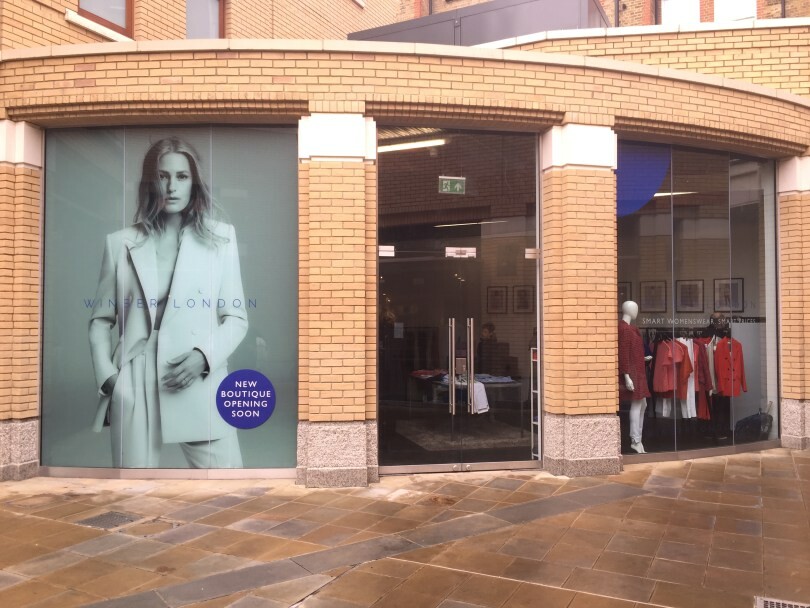
This strategy is reflected in examples like Winser London’s customer-first pop-up strategy in Chelsea, where physical retail was used to build loyalty and refine the brand experience.
Shared retail and concept stores are increasing
Shared retail spaces and concept stores are becoming more common, particularly among emerging brands.
These formats allow multiple brands to share costs, access premium locations, and collaborate on customer experiences. This lowers the barrier to entry while increasing visibility and foot traffic.
How brands are using pop-ups to grow
Pop-ups are no longer just marketing activations. They are a core part of modern retail strategy.
Brands use them to test new products, enter new markets, build awareness, and create direct customer engagement. This approach reduces risk while allowing brands to move quickly and adapt based on real-world feedback.
Where brands are launching pop-ups in London
London remains one of the most important markets for pop-up retail in the UK. Its mix of high footfall, diverse neighborhoods, and global visibility makes it an ideal environment for short-term retail.
Different areas offer different advantages, from high-end retail in Mayfair to creative and emerging brands in East London. You can explore areas like Shoreditch’s pop-up retail scene to better understand where your concept might fit.
Brands looking to launch can explore:
If you are planning a launch, this guide on how to start a pop-up shop in London covers location strategy, costs, and execution in more detail.
The future of pop-up retail in the UK
Pop-up retail is no longer a niche tactic. It is a core part of how modern brands operate.
As retail continues to evolve, flexibility, speed, and experience will become even more important. Pop-ups sit at the center of this shift, offering a way to launch, test, and grow without the constraints of traditional retail.
For brands looking to succeed in today’s market, short-term retail is not just an option. It is a competitive advantage.

- Art Basel Miami Neighborhoods: Where to Set Up - June 8, 2026
- What Is Art Basel Miami? The Fair Explained - June 8, 2026
- Art Basel Miami 2026 Dates and Schedule - June 8, 2026
Related posts:
 Pop-Up Stores and the Experiential Retail Economy
 3 Retail Tech Trends Your Pop-Up Shop Needs This Holiday Season
 Beauty Pop-Up Shops: How Beauty Brands Use Temporary Retail to Drive Buzz, Sales and Loyalty
 6 Holiday Pop-Up Store Promotion Ideas Using WiFi Marketing
 Art Basel Miami: How Retailers Can Find Success With Our Top Spaces For Rent