

A strong pop up store layout determines how customers move, what they see first, and whether they ultimately make a purchase.
While overall pop up store design shapes branding and atmosphere, layout is the structural framework that guides customer behavior. If you’re looking for a complete overview of design strategy, start with our guide to pop up store design. This article focuses specifically on layout — floor plans, traffic flow, and placement decisions that drive conversions.
In temporary retail environments, every square foot must work efficiently. The right layout increases dwell time, improves product visibility, and reduces friction at checkout.
What Is a Pop Up Store Layout?
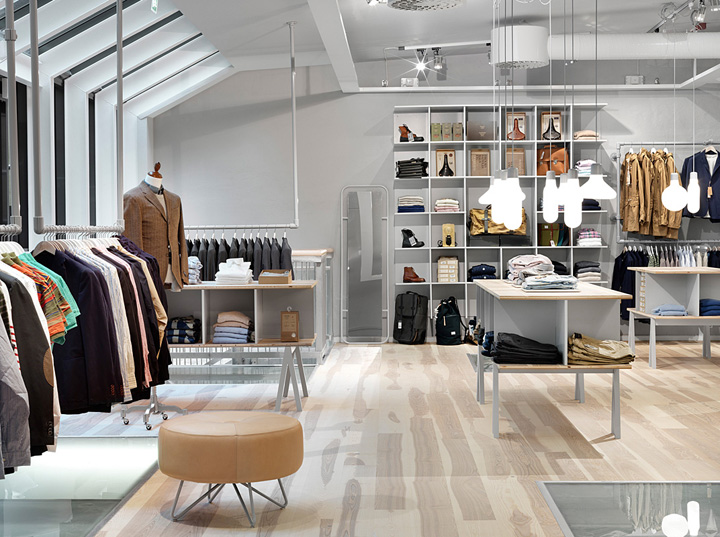
A pop up store layout refers to the physical arrangement of fixtures, displays, pathways, and checkout areas within a temporary retail space.
Unlike permanent stores, pop-ups often operate in:
- Compact storefronts
- Short-term leases
- Event venues
- Showroom environments
Because of these constraints, layout decisions must prioritize clarity, visibility, and efficient circulation.
The goal is simple: guide customers naturally through the space while maximizing product exposure.
Layout is one part of the install. For the rest of it, including what you are allowed to change and what it costs, see our shop fit-out guide.
The Decompression Zone: Your First Impression Area
The decompression zone is the first few feet inside your entrance.
This is where customers transition from the outside world into your retail environment. They are not yet fully focused on shopping. If this area is overcrowded with signage or product displays, customers can feel overwhelmed and disengage.
Best practice:
- Keep the entrance open and inviting
- Avoid placing key products immediately at the doorway
- Use lighting to draw attention inward
A clean decompression zone encourages customers to step further into the store, where your layout begins guiding their journey.
The Power Wall: Capture Attention Immediately
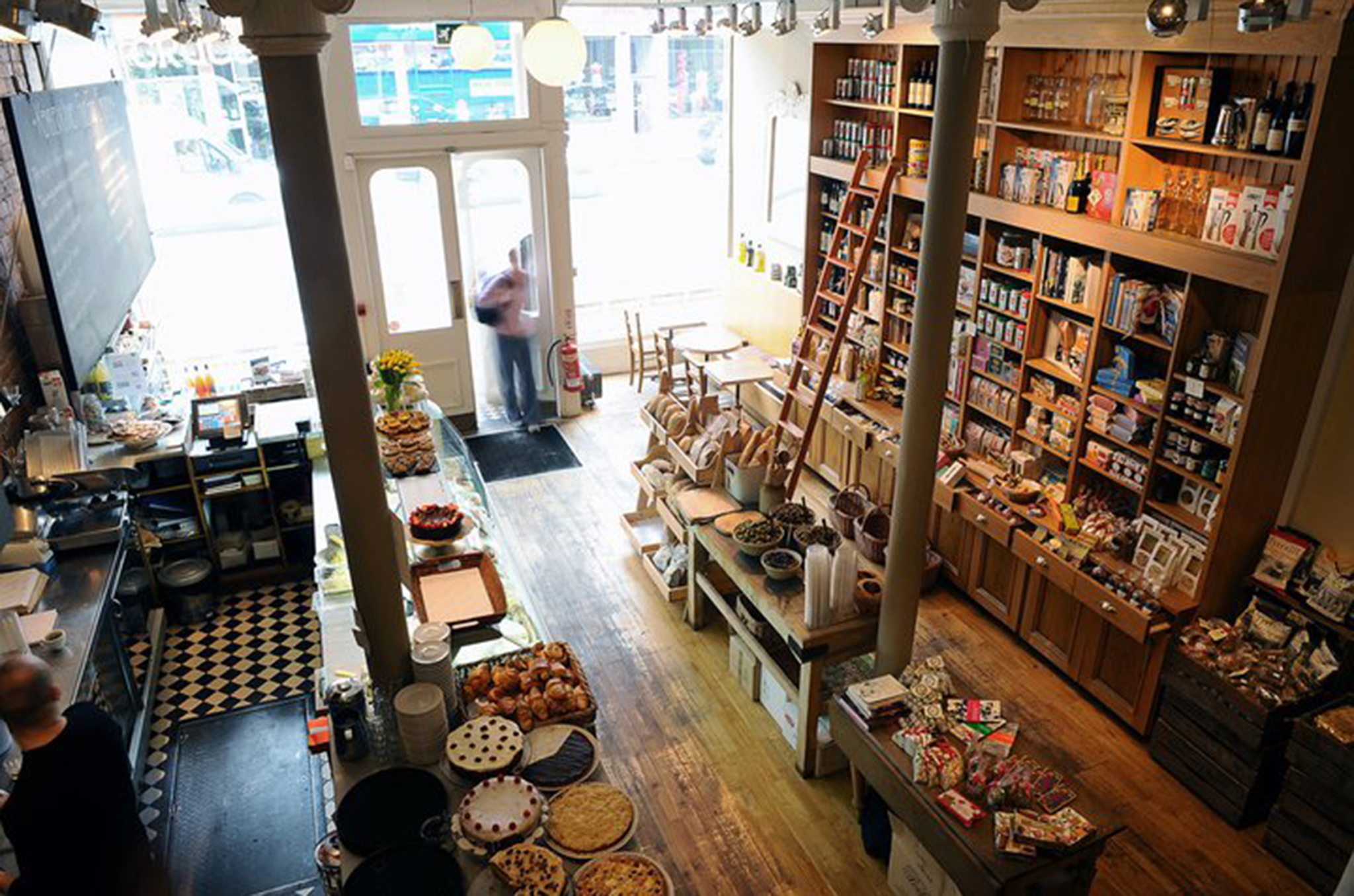
Studies consistently show that most shoppers instinctively turn right after entering a store. The wall to the right of the entrance — often called the “power wall” — becomes prime real estate.
Use this area strategically.
High-performing pop up shop layouts often place:
- Best-selling products
- New arrivals
- Limited-edition items
- Brand storytelling displays
The power wall should create visual impact and reinforce your brand identity within seconds.
Creating a Clear Pathway Through the Store
A strong pop up store floor plan guides customers along a defined path without making them feel forced.
Some layouts use subtle cues such as:
- Tables and shelving positioned to shape movement
- Rugs or flooring changes
- Lighting direction
- Display height variations
Retailers like IKEA use a fixed pathway approach, but most pop-ups benefit from a softer version. A circular or looped path exposes customers to more products while still allowing freedom of exploration.
When planning your pathway, ensure:
- There is adequate circulation space
- Displays do not create bottlenecks
- Customers can easily access featured items
Flow should feel intuitive, not restrictive.
For brands
Ready to launch your pop-up?
Find and book your short-term retail space with Storefront.
Find a spaceUse “Speed Bumps” to Increase Engagement
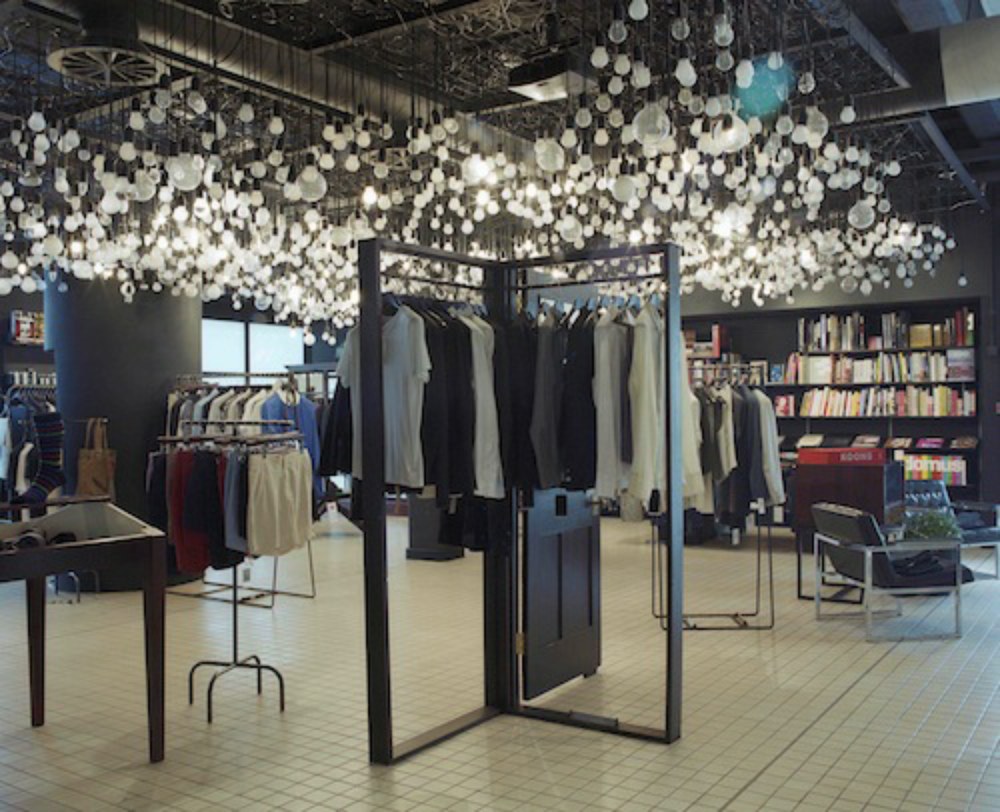
In retail layout strategy, “speed bumps” are visual interruptions that slow customers down.
These can include:
- Standalone display tables
- End-cap features
- Signage with promotional messaging
- Interactive product demonstrations
The purpose is to prevent customers from walking straight to the back and exiting quickly.
Well-placed speed bumps increase dwell time and create more opportunities for impulse purchases.
Where to Position the Checkout (Cash Wrap)
Checkout placement influences the final stage of the customer journey.
Most effective pop up store layouts position the cash wrap:
- Near the exit
- In clear view from multiple points in the store
- Along the natural flow path
Avoid hiding checkout in corners or behind tall displays.
The area around checkout is also ideal for small add-on products or impulse purchases.
If your activation follows a showroom-style model, where customers browse and order digitally, you may want to explore showroom space for rent that supports consultation-focused layouts.
Balance Open Sightlines Against Defined Areas
Too much openness dilutes impact; too many partitions feel claustrophobic. The layouts that work mix clear sightlines with defined nooks, so there is rhythm rather than one undifferentiated room. Freestanding fixtures and low barriers guide movement while keeping visual connection across the space, and in a small unit smart partitioning can suggest separate zones without actually closing anything off.
Build In Interactive and Rest Moments
Memorable layouts give people a reason to stop. A seating nook, a demo area, or a moment of brand storytelling lengthens dwell time and improves recall, and dwell time is one of the few things a short run can actually influence. Place these where a customer has finished a visual arc rather than dropping them in arbitrarily, so they read as part of the sequence instead of an afterthought.
Design for Peak Traffic, Not Average Traffic
Predict how people will circulate when the space is busiest and plan for that, because the quiet-day layout is not the one that fails. Avoid pinch points near the entrance, the checkout and any high-interest display, keep staff movement unobstructed, and make sure the checkout stays visible from the floor. A layout that anticipates movement holds up on a launch night; one that reacts to it does not.
Common Pop Up Store Layout Mistakes
Even well-designed spaces can underperform due to layout errors.
- Overcrowding is one of the most frequent issues. Too many fixtures reduce flow and create visual noise.
- Ignoring sightlines can prevent customers from seeing key products from the entrance.
- Poor pathway planning may cause customers to miss entire sections of the store.
- Finally, placing checkout too early in the journey can unintentionally signal the end of the shopping experience.
- Layout should guide behavior without making customers feel controlled.
Before finalizing your floor plan, review our guide on how to open a pop up store to ensure operational logistics align with your layout.
Adapting Your Layout to Different Space Sizes
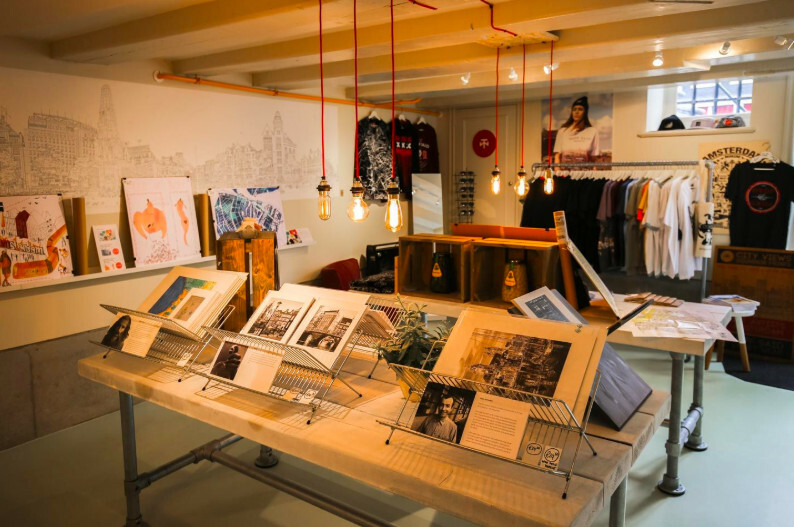
Not all pop-ups operate in the same footprint.
If you are working with a compact storefront, prioritize:
- Vertical shelving
- Slim-profile fixtures
- Multi-functional displays
- Clear central pathways
For larger retail units, consider creating defined zones for different product categories or experiential elements.
Choosing the right space makes layout planning significantly easier. Browse:
Selecting a space aligned with your layout goals prevents costly redesigns later.
Final Thoughts on Pop Up Store Layout
Pop up store layout is not decoration — it is behavioral architecture.
By planning your decompression zone, optimizing your power wall, shaping customer pathways, and strategically positioning checkout, you create a retail environment that encourages exploration and conversion.
When combined with strong branding and visual merchandising, layout becomes one of the most powerful drivers of pop-up success.

Written by
Adrien Kerbrat is Chief Revenue Officer and co-founder of Storefront. With more than 10 years in commercial real estate, he is an expert on the French market and short-term retail across Europe. Based in Bordeaux and often in Paris, he writes on pop-up strategy, retail location, and the French retail landscape.
More from Adrien Kerbrat →Related posts:
 How to Use Color to Increase Sales in Your Pop-Up Shop
 How to Create an Instagrammable Pop-Up Shop
 Pop Up Store Display Ideas: 16 Creative Central Features That Attract Customers
 14 Cost-Effective Visual Merchandising Ideas to Elevate Your Pop-Up Store
 Small Pop Up Shop Design: 14 Smart Ways to Maximize Limited Space