

Pop-up shops are one of the most effective ways to test markets, launch products, and build brand awareness. But measuring their success is often misunderstood.
Unlike permanent retail, pop-ups are short-term activations that combine sales, marketing, and customer acquisition. Measuring success requires more than just revenue tracking.
This guide explains how to measure pop-up shop success using the most important KPIs, retail metrics, and ROI frameworks.
If you are planning a launch, start by exploring available pop-up shops for rent in NYC or browse global pop-up store rental opportunities.
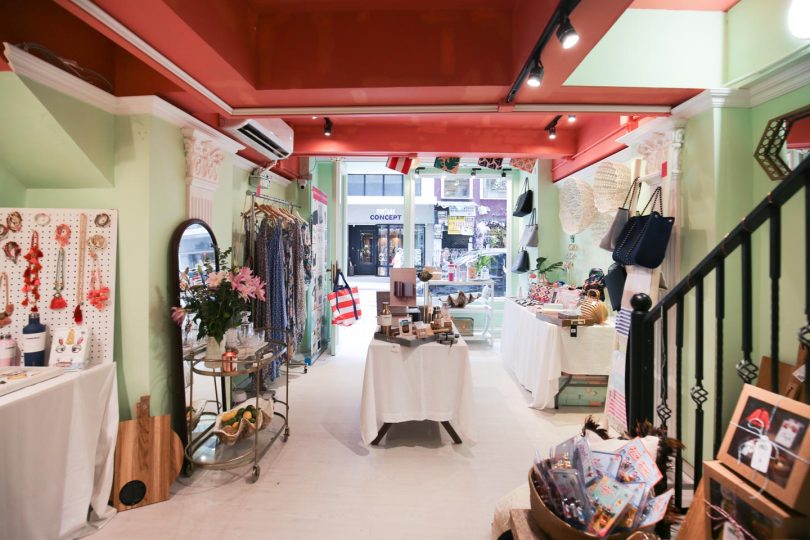
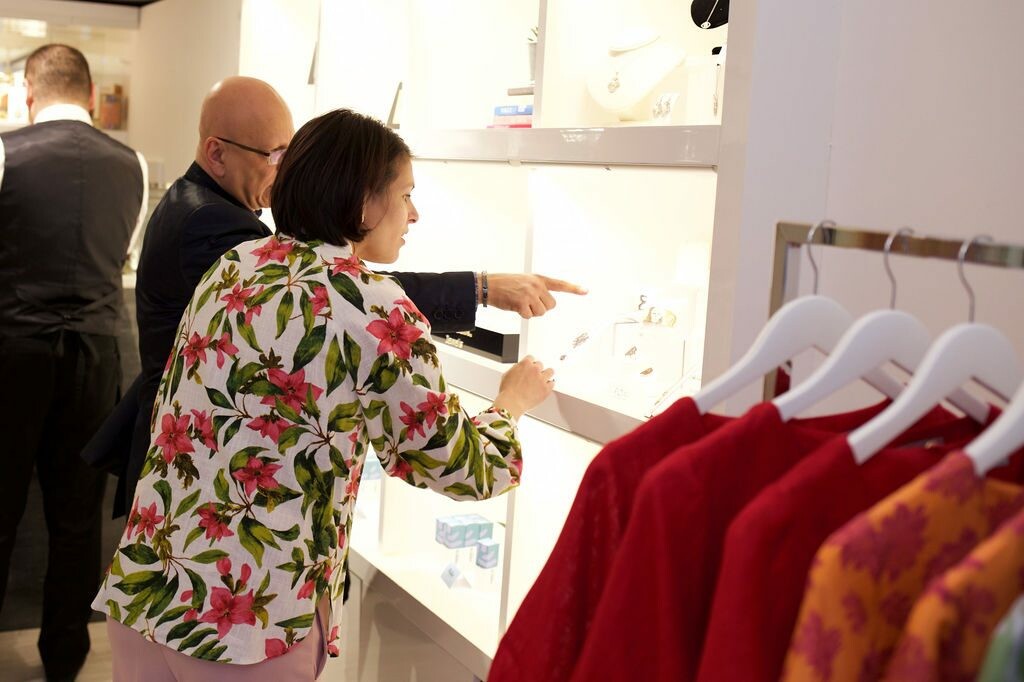
What Is the Best Way to Measure Pop-Up Shop Success?
Pop-up shop success is measured by combining foot traffic, conversion rate, dwell time, revenue, and customer acquisition data.
The most important point is that success is not defined by a single metric. A high-performing pop-up balances visibility, engagement, and long-term value.
Before you measure success, you need the right location. Foot traffic, audience quality, and retail mix all directly impact performance. You can explore available pop-up shop locations near you to understand how different areas influence results.
Understanding the Pop-Up Performance Funnel (Foot Traffic to Conversion)
The performance of a pop-up shop starts outside the store.
Foot traffic is the foundation of retail performance and is tracked across billions of annual visits in global retail environments (Source: Retail footfall monitor). In the United States, retail foot traffic has increased by around 12 percent year-over-year in recent years (Source: Foot traffic statistics).
However, traffic alone does not determine success.
The key is how that traffic converts. A strong pop-up will turn passersby into visitors, and this is heavily influenced by location quality. High-footfall streets and retail clusters consistently outperform low-visibility areas.
If you are selecting a location, you can browse high foot traffic retail spaces in New York to see how different environments impact performance.
Once inside, engagement becomes the focus. Dwell time measures how long customers stay in your space and is directly linked to purchase likelihood (Source: Retail dwell time metric).
This creates a simple performance funnel:
- People passing your store
- People entering your store
- Time spent inside
What KPIs Should You Track for a Pop-Up Shop?
The most important pop-up shop KPIs fall into five core categories: traffic, conversion, engagement, revenue, and customer value.
Each of these is directly influenced by your space. A well-located pop-up with strong visibility will naturally generate higher traffic and conversion rates.
For example, brands launching in premium retail corridors often see stronger performance due to audience quality and surrounding stores. You can explore available pop-up retail spaces in major shopping districts to compare environments.
How to Measure Foot Traffic in a Pop-Up Shop
Foot traffic can be measured using sensors, WiFi tracking, or manual counting. But the real value comes from understanding patterns.
By analyzing traffic by day and time, brands can optimize opening hours and staffing.
This is why choosing the right street matters. A location with consistent daily foot traffic will outperform one with occasional spikes.
If you are evaluating locations, browsing pop-up shop spaces by neighborhood can help you compare traffic potential across areas.
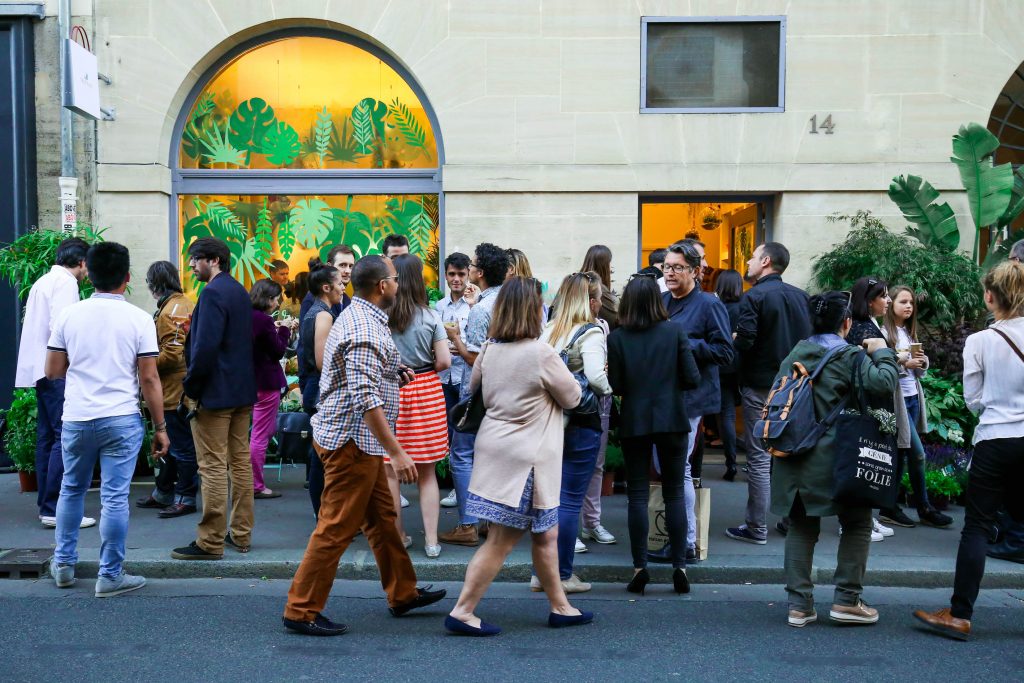

What Is a Good Walk-In Rate for a Pop-Up Shop?
A good walk-in rate typically ranges from 20 percent to 40 percent, depending on location and brand awareness.
This metric is highly sensitive to storefront visibility. Even a strong concept will underperform in a low-visibility location.
That is why brands prioritize:
- Corner units
- High-footfall streets
- Areas with strong retail adjacency
You can explore high visibility pop-up shop locations to see how storefront positioning impacts performance.
For brands
Ready to launch your pop-up?
Find and book your short-term retail space with Storefront.
Find a spaceWhy Dwell Time Matters in Retail
Dwell time measures how long customers stay inside your pop-up and is one of the strongest indicators of engagement.
Longer dwell times are associated with higher conversion rates and stronger brand interaction (Retail dwell time metric).
This metric is influenced by:
- Store layout
- Product displays
- Overall experience
However, it also depends on the type of space you choose. Larger, flexible retail spaces allow for more immersive experiences.
You can browse pop-up spaces with flexible layouts to support experiential concepts.
How to Measure Pop-Up Shop ROI
Pop-up shop ROI extends beyond direct revenue.
The basic formula is:
ROI = (total revenue – total costs) ÷ total costs
But industry data shows that around 80 percent of retailers consider pop-ups successful, and brands running multiple activations see higher long-term customer value (Pop-up shop statistics).
This means ROI should include:
- Immediate sales
- Customer acquisition
- Brand awareness
- Future revenue
A well-located pop-up often outperforms purely through exposure and long-term impact.
How to Use Data to Improve Pop-Up Performance
Once you are tracking the right KPIs, you can optimize performance in real time.
You can adjust store hours based on foot traffic, improve storefront conversion through design changes, and refine layout using engagement data.
But optimization starts with location. Even the best strategy cannot compensate for poor foot traffic or weak retail surroundings.
That is why brands invest heavily in securing the right space. You can explore available pop-up shop locations in high-performing areas to understand what drives results.
Pop-Up Shop KPIs by City
Pop-up performance varies by city depending on audience behavior and retail density.
For more detailed benchmarks, see:
Conclusion: Measure What Actually Drives Growth
Pop-up shops are not just retail spaces. They are marketing channels, customer acquisition tools, and brand-building platforms.
Measuring their success requires a broader view that includes traffic, engagement, conversion, and long-term value.
And critically, all of these metrics are influenced by one decision above all others: location.
If you are ready to launch, start by exploring available pop-up shop space in New York or browsing global pop-up store rental opportunities.
FAQ: How to Measure Pop-Up Shop Success
What are the key KPIs for a pop-up shop?
The most important pop-up shop KPIs are foot traffic, walk-in rate, dwell time, conversion rate, revenue per visitor, and customer lifetime value. These metrics together provide a full picture of performance.
How do you measure the success of a pop-up shop?
You measure success by combining traffic, engagement, and sales data. This includes how many people pass your store, how many enter, how long they stay, and whether they convert into customers.
What is a good walk-in rate for a pop-up shop?
A typical walk-in rate ranges from 20 percent to 40 percent depending on location, visibility, and brand awareness. High-traffic, high-visibility locations tend to perform better.
How do you measure foot traffic in retail?
Foot traffic can be measured using sensors, WiFi tracking, or manual counting. The goal is to track both pedestrian flow outside the store and visitors entering the space.
Why is dwell time important for pop-up shops?
Dwell time shows how engaged customers are inside your store. Longer dwell times are linked to higher purchase intent and stronger brand interaction.
How do you calculate pop-up shop ROI?
ROI is calculated by comparing total revenue and long-term customer value against total costs, including rent, staffing, and marketing spend.
Can a pop-up shop be successful without high sales?
Yes. Many pop-ups are designed for brand awareness and customer acquisition. Success can also be measured through engagement, data capture, and long-term customer value.
What factors impact pop-up shop performance the most?
The biggest factors are location, foot traffic, storefront visibility, brand positioning, and overall customer experience. Location is often the most influential variable.
For brands
Ready to launch your pop-up?
Find and book your short-term retail space with Storefront.
Find a space
Written by
Nicholas Roberts-Moore is Chief Marketing Officer at Storefront, based in London. He specializes in AI-powered marketing and the UK retail and real estate markets, helping brands turn short-term retail into measurable growth. A former journalist, he writes on pop-up strategy, retail trends, and the future of physical retail.
More from Nicholas Roberts-Moore →Related posts:
 What is a pop-up shop? Everything you need to know to try short-term retail
 How to Set Up a Pop-Up Art Gallery: 8 Steps to Renting and Launching Your Exhibition
 Offline Marketing Ideas for Pop-Up Shops
 The 5 Types of Pop-Up Shops (With Examples) & How to Choose the Right One
 Automotive Pop-Up Shops: How Car Brands Use Temporary Showrooms to Launch, Test and Sell