

The Lower East Side has the highest concentration of small independent storefronts in downtown Manhattan, one of the densest gallery scenes in the city, and the strongest evening economy of any district below Houston Street. Those three things are why brands come here, and they pull in different directions.
It is also the most accessible downtown district for a first New York space. Units are smaller and rents lower than SoHo or Nolita, and landlords are used to short lets. It is where a brand goes when Nolita is unaffordable but the audience is the same one.
This guide covers the district street by street, what works as a gallery, what works as an event space, what works as a shop, and where to find available space across the Lower East Side.
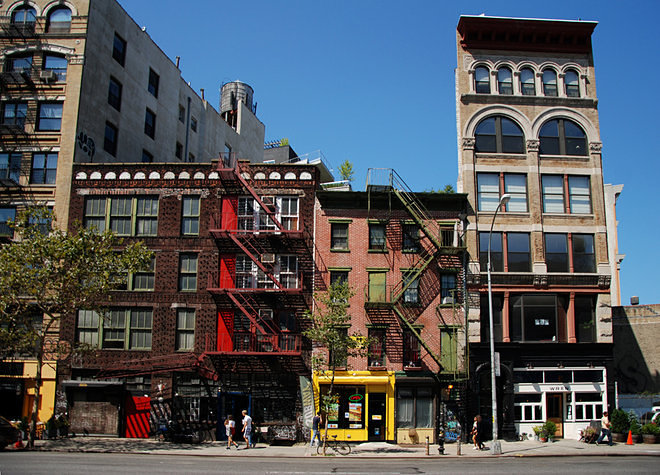
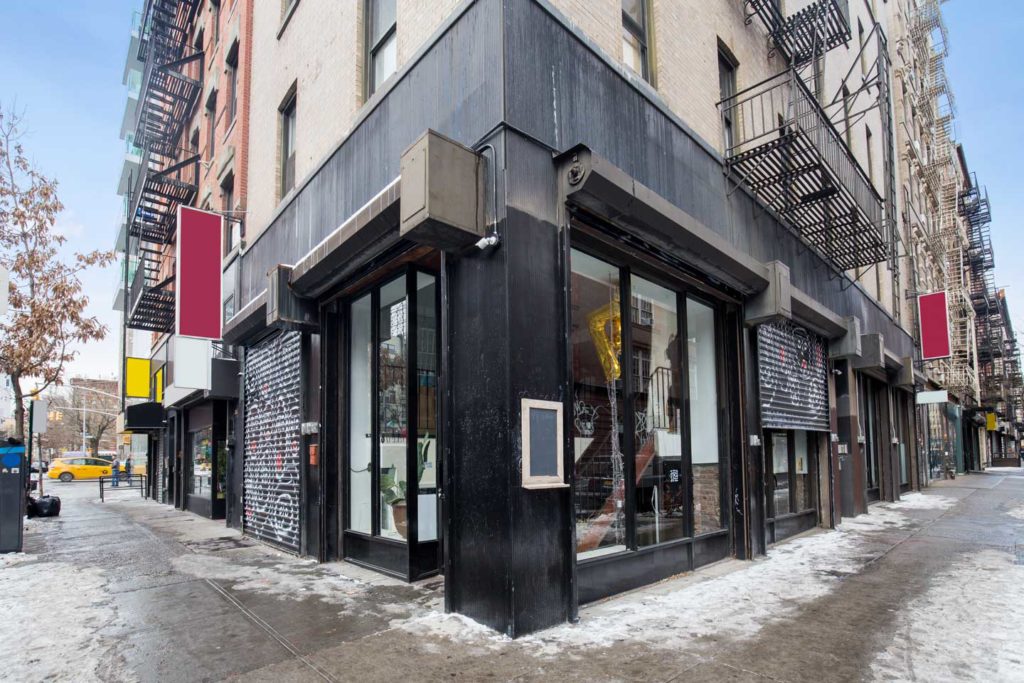
What the Lower East Side actually is
The district sits between Houston Street to the north, the Bowery to the west, Canal Street to the south and the East River to the east. It is compact enough to walk end to end, and the streets running north to south carry most of the retail while the cross streets connect them.
It runs on a fine grain of narrow tenement ground floors. That is the single most useful thing to know before you start looking. Most units are small, with apartments above and a modest window. A large requirement has to be assembled, or taken on Allen Street or the Bowery, which are the only two addresses in the district built at a different scale. Anything above a modest footprint changes which streets are open to you.
The evening economy is the second thing. The Lower East Side carries one of the strongest night economies in Manhattan, concentrated Thursday to Saturday. That lifts the value of a space that can trade late and weakens the case for one that closes at six. On some streets a daytime shop is trading against an empty pavement.
The Tenement Museum on Orchard Street preserves the immigrant housing that defined the district and draws a steady visitor flow onto a street that is otherwise entirely retail. Essex Market, a public market run by the New York City Economic Development Corporation, has had a market on Grand Street since 1818 and moved into its current building at Essex Crossing in 2019, trading seven days a week. East Broadway and Grand Street form the southern reaches, with a long-established Chinese commercial presence quite separate from the bars and boutiques to the north.
The gallery district
The Lower East Side is where contemporary art moved after Chelsea, and the density is real. Galleries sit alongside the shops rather than in a separate quarter, which is why an exhibition here draws a walking audience rather than only an invited one.
The New Museum anchors it from the Bowery. Dimes Square, around Canal and Division on the boundary with Chinatown, is the most recently formed nightlife and gallery cluster downtown. Orchard and Ludlow carry galleries in among the independent labels and vintage dealers, and Rivington, Allen and Broome carry the density away from those two streets.
The week that matters is the Armory Show. It is the city’s main contemporary art fair, held at the convention center on the far West Side, but the satellite fairs, gallery openings and collector events fill Chelsea, Tribeca and the Lower East Side for the same week. It is the strongest week of the year for art-adjacent temporary space, and it is the week to book around rather than into if you are late.
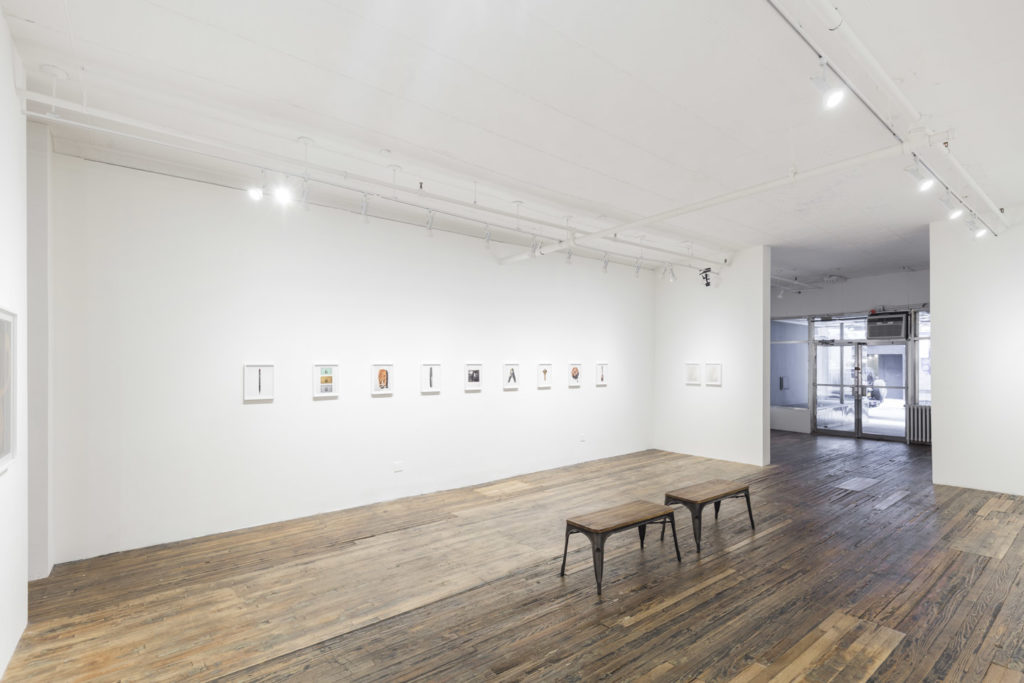
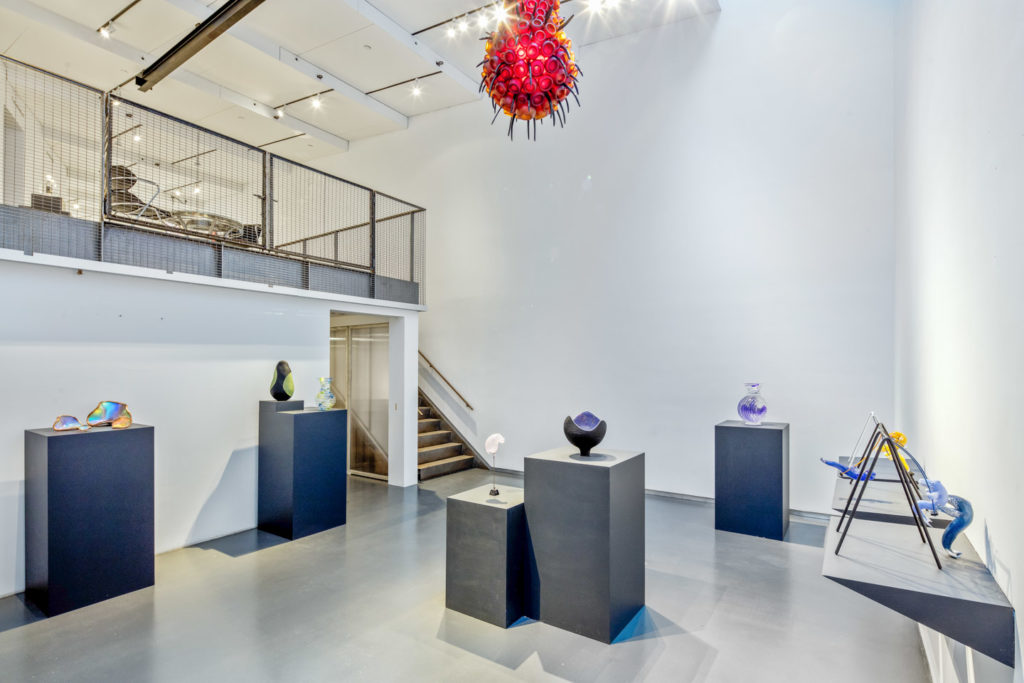
What makes a room work as a gallery here is natural light, an open layout and some architectural character, and the tenement stock delivers that more often than it delivers retail depth. See gallery and art space in the Lower East Side, or the quieter addresses on Eldridge Street and Chrystie Street, which suit an intimate format better than a busy retail run does.
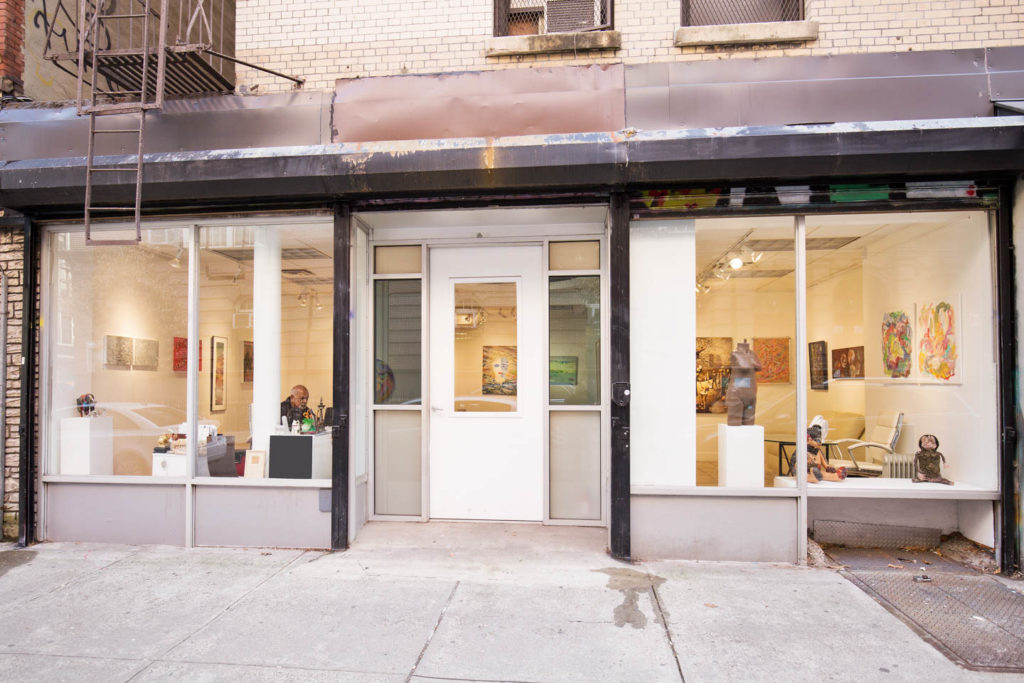
Event space in the Lower East Side
This is the district’s strongest suit and the least obvious one. The night economy means an audience is already out on the streets Thursday to Saturday, so an evening event borrows footfall instead of manufacturing it.
- Ludlow Street is the bar and music spine, so its commercial day runs late and its strongest hours are after dark from Thursday to Saturday. It suits launches and anything that benefits from an existing night crowd. One caution: ground floors are small, with apartments above and narrow sidewalks in front, so a queue spills into the street quickly. Anything expecting a line needs to have thought about where it goes. See event space on Ludlow Street.
- Rivington Street holds both a daytime and an evening economy, which is unusual here and makes it a safer choice than Ludlow for anything that needs to trade across the whole day. See event space on Rivington Street.
- Chrystie Street has hotel and restaurant development along it, which gives it a visitor population the residential side streets lack. That supports evening trade and food formats more reliably than daytime retail. See event space on Chrystie Street.
- The Bowery takes the larger-scale launches, because its frontages are bigger than anything on the streets behind it. See event space on the Bowery.
Delancey Street runs east to west toward the Williamsburg Bridge and is the district’s widest and busiest street, with the covered public market at its eastern end. It is the axis most people arrive on, which is worth knowing when you are describing where your event is.
Browse everything at event space in the Lower East Side, or read our guide to renting an event space.
Shopping and retail, street by street
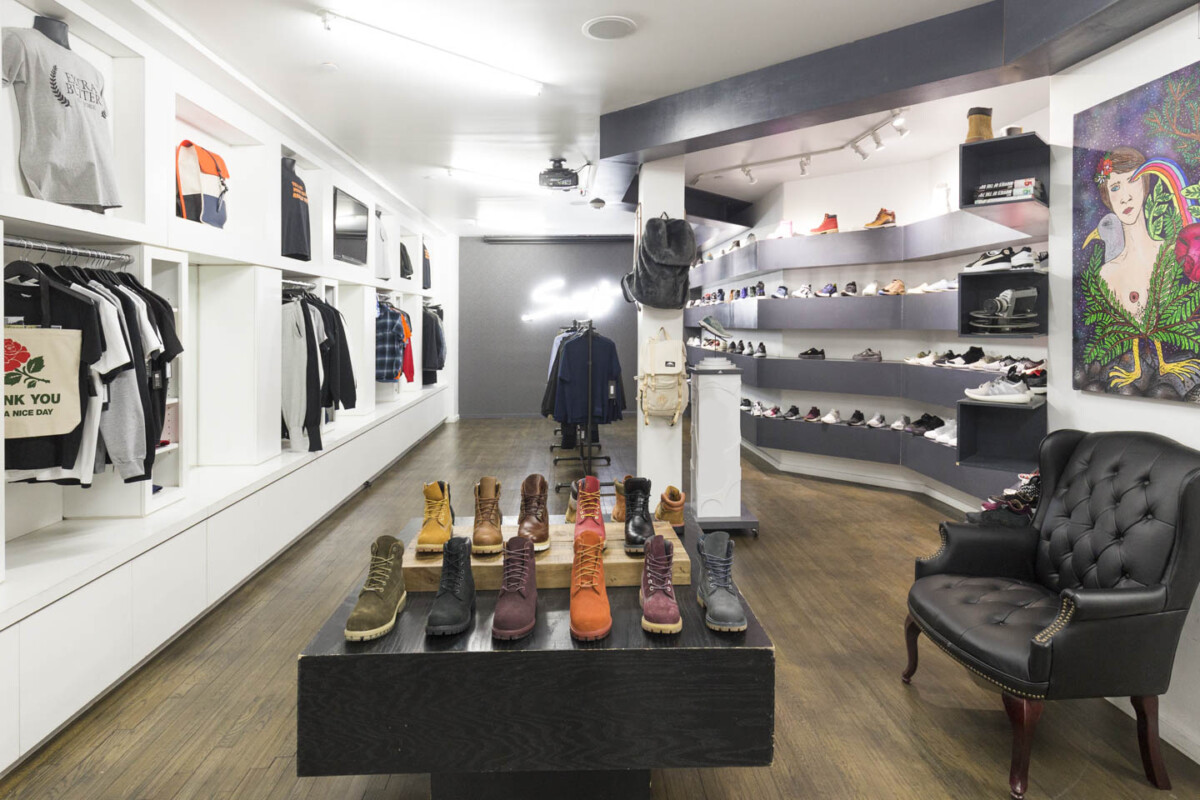
Orchard and Ludlow are the two most active retail streets. The others each do something specific, and the differences matter more here than in most districts because the units are so small that the street sets the terms.
Orchard Street
The historic bargain-shopping street of the Lower East Side and still its most concentrated retail run. That history is legible in the stock: narrow tenement ground floors built for volume selling rather than presentation. The current mix runs independent fashion, vintage, galleries and small food alongside older family businesses, which makes it one of the more genuinely varied streets downtown and one where a newcomer does not look out of place.
It is also one of the more accessible downtown addresses for a short let, with smaller units and lower rents than SoHo a few blocks west, and a weekend-weighted crowd that is there to browse rather than to pass through. See retail space on Orchard Street.
Ludlow Street
The bar and music spine, which makes it the best street in the district for an evening format and the worst for a daytime shop. Its strongest hours are after dark Thursday to Saturday, and daytime retail here trades against an empty street. Noise, licensing and residential neighbors above are all live considerations for anything operating late. See space on Ludlow Street.
Rivington Street
Runs east to west across the north-south streets, which makes it a connector and gives it a dense run of restaurants, bars and small shops drawing from the whole neighborhood rather than one block. Units are small tenement ground floors in mixed condition, and several sit half a level up or down from the sidewalk, which affects both accessibility and how visible your window is to someone walking past. Worth checking in person. See space on Rivington Street.
Allen Street
A wide divided avenue with a planted median, which gives it larger frontages than the narrow side streets and makes it one of the few Lower East Side addresses that can hold a big window or a large-format unit. The trade-off is traffic: it carries through traffic toward the bridge, the two sides trade fairly independently, and pedestrian crossing is less casual than on the side streets, so a unit draws mainly from its own sidewalk. It suits a format needing scale or vehicle access, and it is weaker for browsing than Orchard a block east. See space on Allen Street.
Chrystie Street
Runs along Sara D. Roosevelt Park on the western edge, so one side has open ground rather than facing frontage. That halves the retail continuity and gives the street a more open feel than its neighbors. It also sits between the Bowery and the Lower East Side proper, so a unit here can read as either depending on how you present it, which is worth deciding deliberately rather than leaving to the address. See space on Chrystie Street.
Eldridge Street
Rents sit below Orchard and Ludlow nearby, which makes it a realistic option for a longer occupancy or a larger space on a limited budget, provided you are bringing your audience rather than finding it. See space on Eldridge Street.
Broome Street
Marks the transition between the small tenement shopfronts of the Lower East Side and the larger loft frontages toward SoHo, so unit sizes change noticeably along its length and a single street name covers two kinds of space. It carries heavy traffic feeding the Williamsburg Bridge and the Holland Tunnel approaches, which makes it noisier and less comfortable to walk than the streets either side and pushes pedestrian trade onto them. It suits a unit taken for its size and address rather than its footfall, and it is a reasonable way to hold a downtown position for less than the parallel streets a block north or south. See showroom space on Broome Street.
The Bowery
The wide avenue on the western edge. Once the restaurant-supply corridor, it now mixes those suppliers with hotels, a contemporary art museum and design-led retail, and its frontages are bigger than anything on the streets behind it. Its character shifts block by block, so walk the specific block. Our Nolita, NoHo and Bowery guide covers it in full. See retail space on the Bowery.
Matching space types to your project
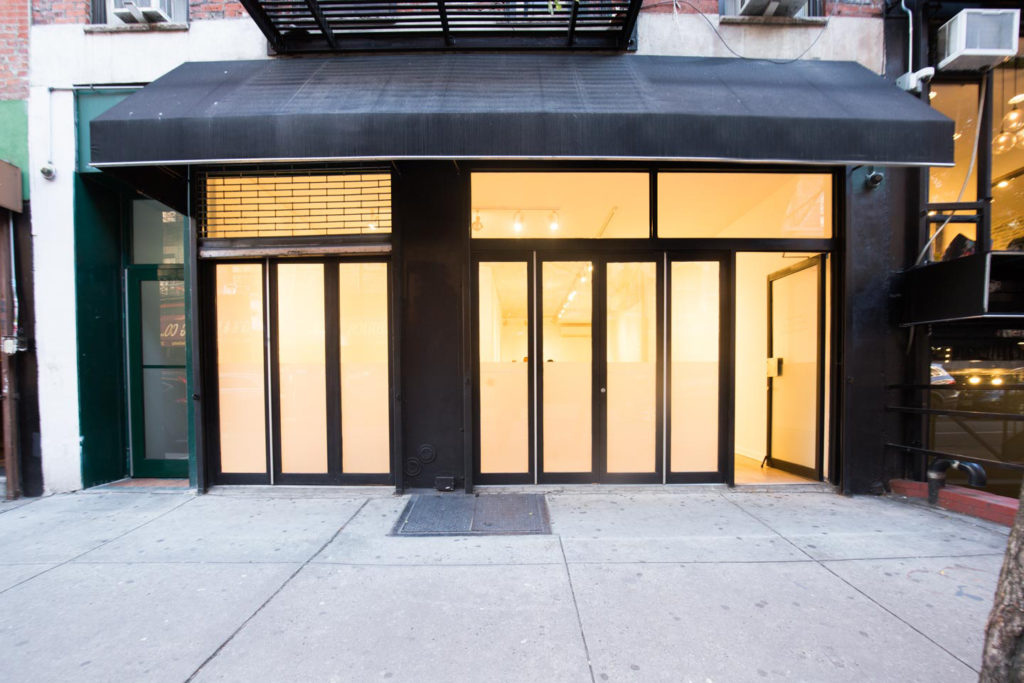
Different formats want different things from a room, and in a district of small tenement ground floors the format usually decides the street before the street decides anything.
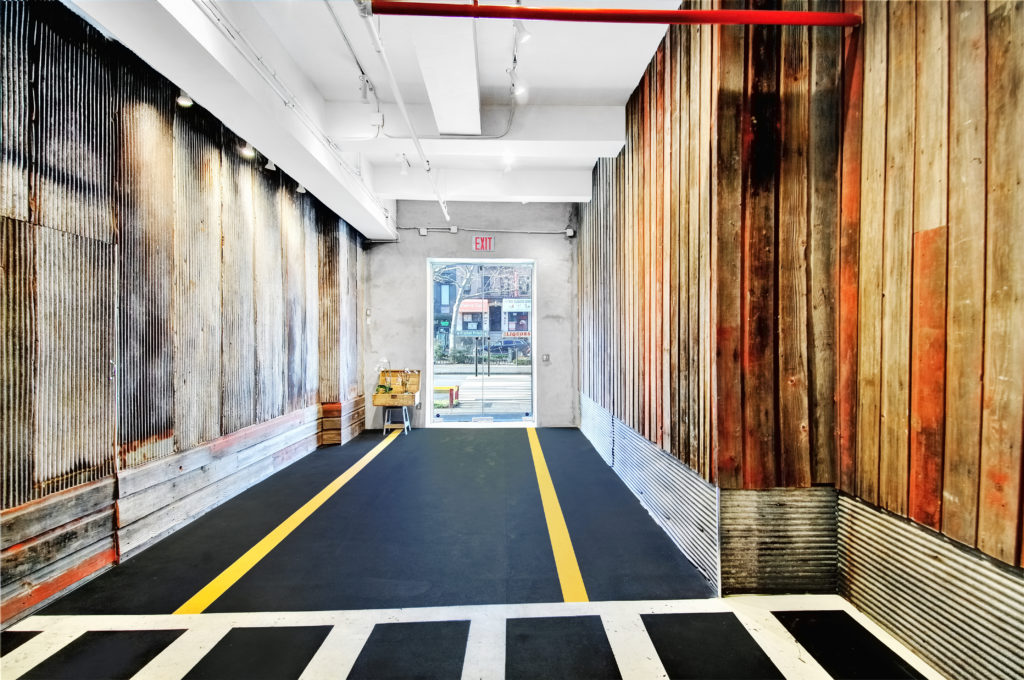
Pop-up shops want storefront visibility and browsing traffic, which points at Orchard. White-box retail works particularly well because it lets a brand control the whole experience. A good example is the GRAMMAR pop-up store in the Lower East Side, where a digital-first fashion brand built a highly curated environment around minimalism and craftsmanship. Rather than maximizing product volume, the space emphasized storytelling and design, which is how pop-ups here tend to work best. See pop-up and retail space in the Lower East Side.
Showrooms are widely used by fashion and design brands, particularly around New York Design Week. Design brand Resident launched a temporary exhibition through a pop-up showroom in the Lower East Side, designed as an immersive environment rather than a sales floor, and used it to test the US market and reach architects, designers and press. See showroom space in the Lower East Side.
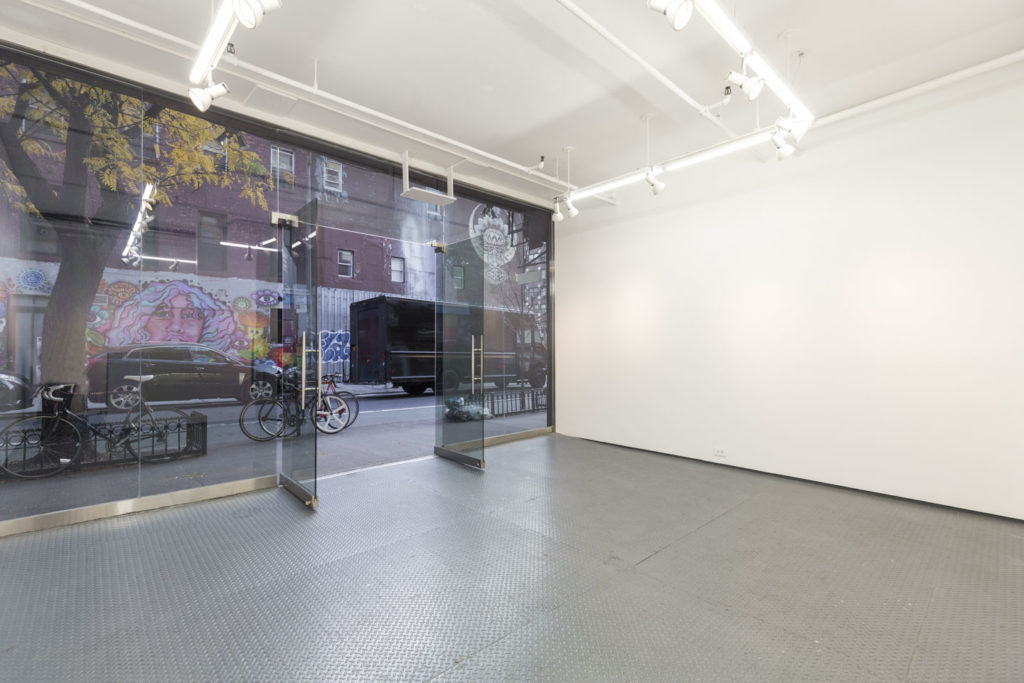
Galleries and exhibitions want light, an open plan and character rather than depth, and they are well served by the quieter streets. See art and gallery space in the Lower East Side.
When the Lower East Side is the wrong choice
- You need a large floor. The grain is against you. Allen Street and the Bowery are the exceptions, and they are the exceptions for a reason.
- You need daytime volume. Much of the district wakes up in the afternoon. If your model depends on lunchtime trade, look at SoHo instead.
- You want luxury positioning. The district’s appeal is that it is unpolished. That works against a brand trying to look established.
- You are set on one specific street. The district is small enough that the street matters less than it does uptown, and the quickest route is to start from everything available across the Lower East Side and filter by what the space needs to do.
Our ranking of the best New York neighborhoods for a pop-up shop compares the Lower East Side against SoHo, Nolita and Chelsea if you are still choosing.
Getting there
The Lower East Side is served by the Second Avenue, Bowery, Delancey Street-Essex Street, East Broadway and Grand Street subway stations. Delancey Street-Essex Street is the busiest of them, and among the twenty-five busiest stations in Manhattan by annual ridership, which is a useful proxy for the through-traffic a ground-floor unit near it can expect.
Common questions
Where are the Lower East Side galleries?
They are spread through the district rather than concentrated in one row. The New Museum anchors the Bowery, Dimes Square around Canal and Division is the newest cluster, and Orchard and Ludlow carry galleries in among the shops, with more on Rivington, Allen and Broome. That spread is the point: an exhibition here sits in a shopping street rather than a gallery quarter. If you are looking to take one rather than visit one, see gallery space in the Lower East Side.
Is the Lower East Side good for an event space?
It is one of the best districts in Manhattan for an evening event, because the night economy means the audience is already out Thursday to Saturday. Ludlow suits late formats, Rivington works across the whole day, Chrystie has the hotel and restaurant traffic, and the Bowery takes the larger launches. Browse event space in the Lower East Side.
What is the shopping like in the Lower East Side?
Independent and small. Orchard Street is the most concentrated run, with independent fashion, vintage and galleries alongside older family businesses. Ludlow is better after dark than during the day. It is a district for finding labels you do not know rather than the names you already do, which is what separates it from SoHo a few blocks west.
Which street should I take a space on?
Orchard for browsing traffic, Ludlow for evening formats, Rivington if you need both, Allen or the Bowery if you need size, Eldridge if the budget is tight, Chrystie or Broome if the address matters more than the footfall.
Is the Lower East Side cheaper than SoHo or Nolita?
Yes, and that is much of its appeal. Smaller units, lower rents and landlords used to short lets make it the most accessible downtown district for a first New York space. Eldridge Street sits below Orchard and Ludlow again if the budget is the binding constraint.
What is the busiest week of the year here?
Armory Show week. The fair itself is on the far West Side, but the satellite fairs, gallery openings and collector events fill the Lower East Side for the same week, and it is the strongest week of the year for art-adjacent temporary space.
Where to look next
Next door: our guide to Nolita, NoHo and the Bowery covers the districts west across the avenue, and the Nolita guide and SoHo guide cover the two districts most people compare this one against.
Immediately north, the East Village guide covers a district on the same audience with smaller units and later hours. If you are planning the whole project rather than the district, start with our guide to opening a pop-up shop in New York, or go straight to available space in the Lower East Side and short-term retail space across New York.

Written by
Adrien Kerbrat is Chief Revenue Officer and co-founder of Storefront. With more than 10 years in commercial real estate, he is an expert on the French market and short-term retail across Europe. Based in Bordeaux and often in Paris, he writes on pop-up strategy, retail location, and the French retail landscape.
More from Adrien Kerbrat →Related posts:
 Chelsea London Area Guide: The Complete Chelsea Shopping Guide for Brands and Pop-Up Shops
 Hollywood Neighborhood Guide: Pop-Up Shops, Event Spaces, and Showrooms in Los Angeles
 Shoreditch Neighborhood London Guide: London’s Hipster Hangout and Pop-Up Capital
 Mayfair Neighborhood Guide: Luxury Pop-Up Shops, Showrooms, and Galleries in London
 The Best Neighborhoods for a Pop-Up Shop in New York