

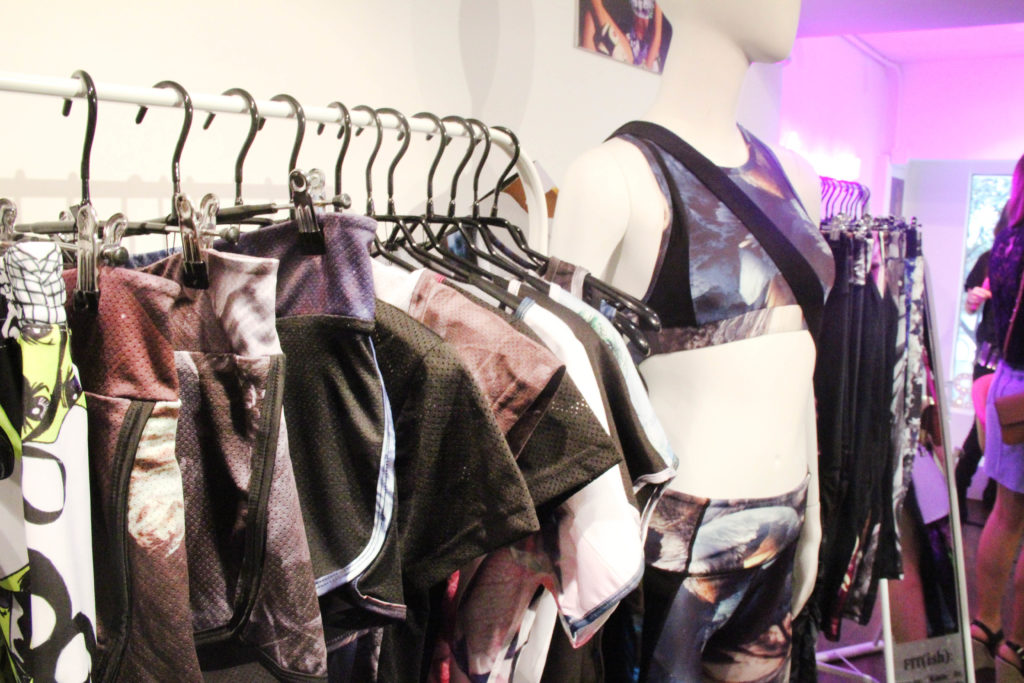
Hong Kong activewear label Miss Runner was created with a simple mission: to inspire and empower active women through stylish and functional sportswear. The brand works with designers from around the world to develop distinctive prints and patterns that combine performance with fashion.
To strengthen its connection with customers, Miss Runner launched a pop-up store in Hong Kong. The temporary retail space allowed the brand to bring its online community into a physical environment while introducing new customers to the label.
Temporary retail has become a key strategy for digitally native brands looking to create direct engagement with their audiences. Many brands planning similar activations begin by exploring retail locations through platforms such as Storefront or browsing available pop-up shops in Hong Kong.
From Online Activewear Brand to Physical Retail Experience
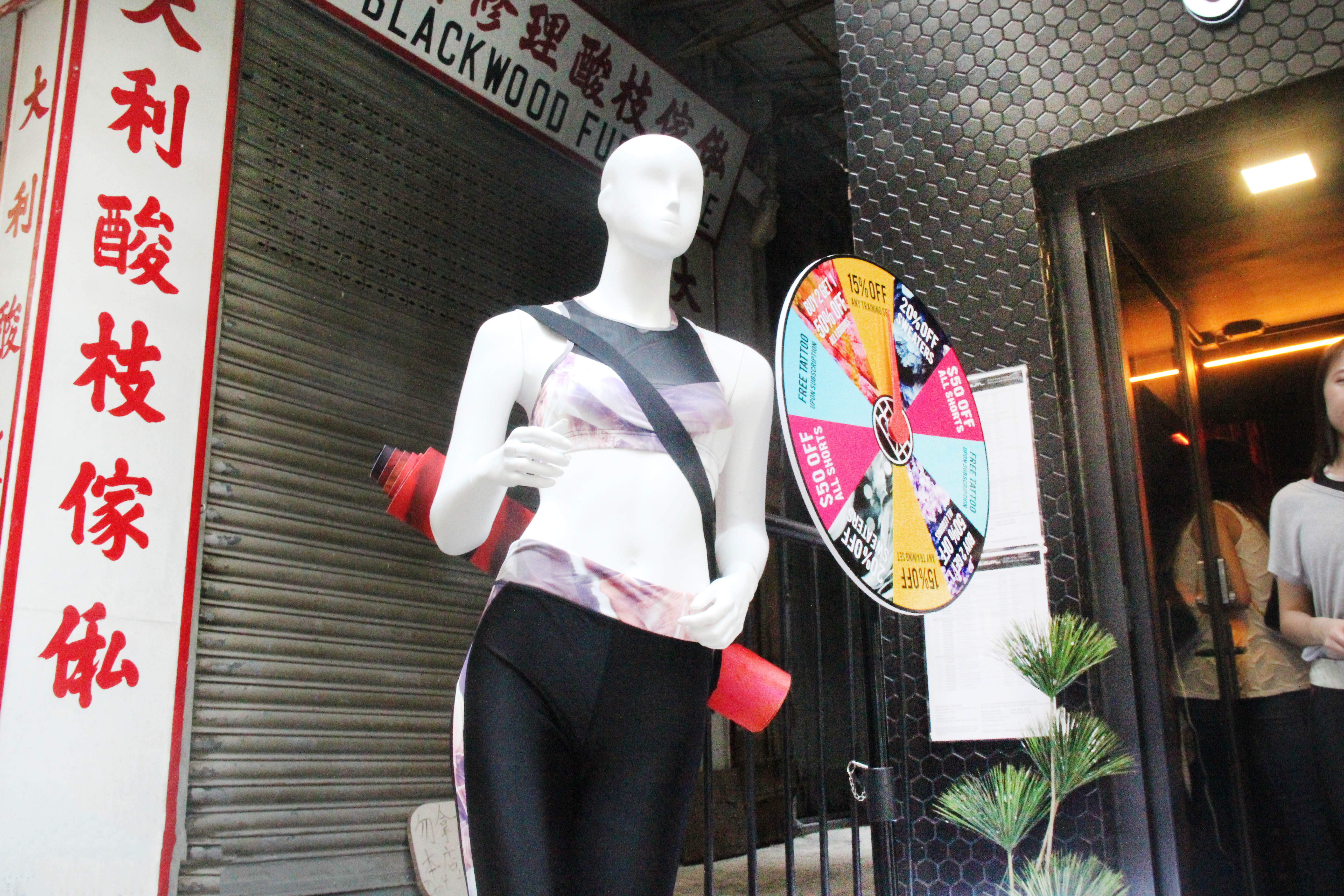
Miss Runner primarily operates online, selling activewear designed for women who want both functionality and style in their workout wardrobes.
Launching a pop-up store allowed the brand to bring its products into a physical setting where customers could see the prints, try on garments, and connect directly with the brand.
Founder Tania Cheung explains the motivation behind the activation:
“I think the pop-up trend is definitely worth doing for online businesses. It’s a nice marketing strategy to generate client acquisition through F2F without having to commit to a long-term rent.”
Pop-up retail offers emerging brands the opportunity to test physical retail environments while maintaining flexibility. It also creates valuable moments for customer interaction that online stores alone cannot easily replicate.
Brands exploring this strategy can learn more in this guide to sportswear pop-up stores and retail activations.
Creating a Wellness-Focused Retail Experience
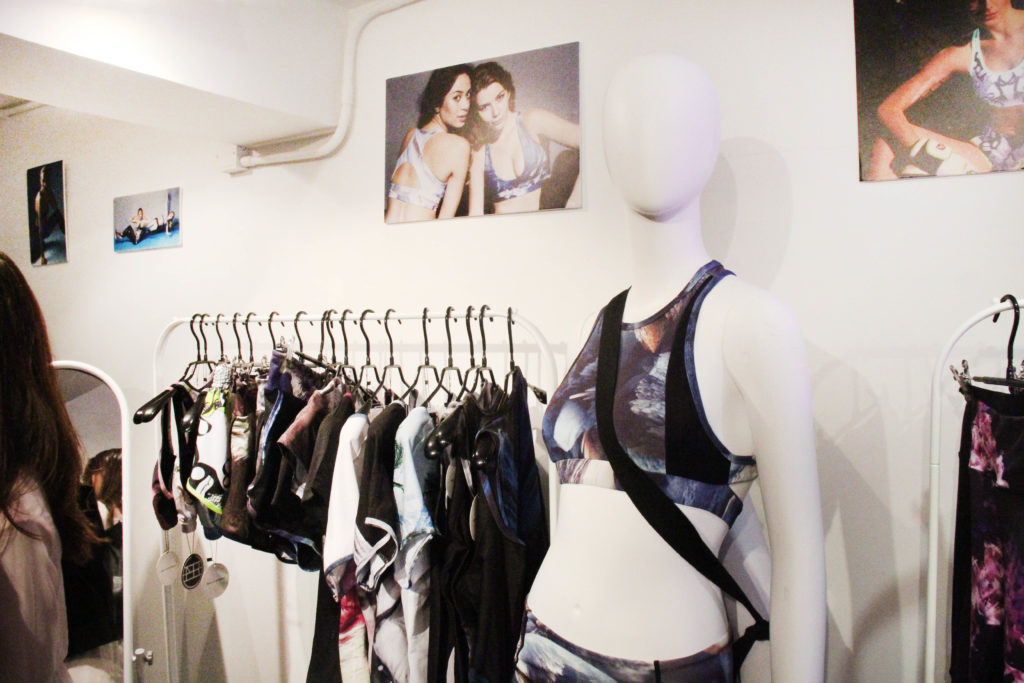
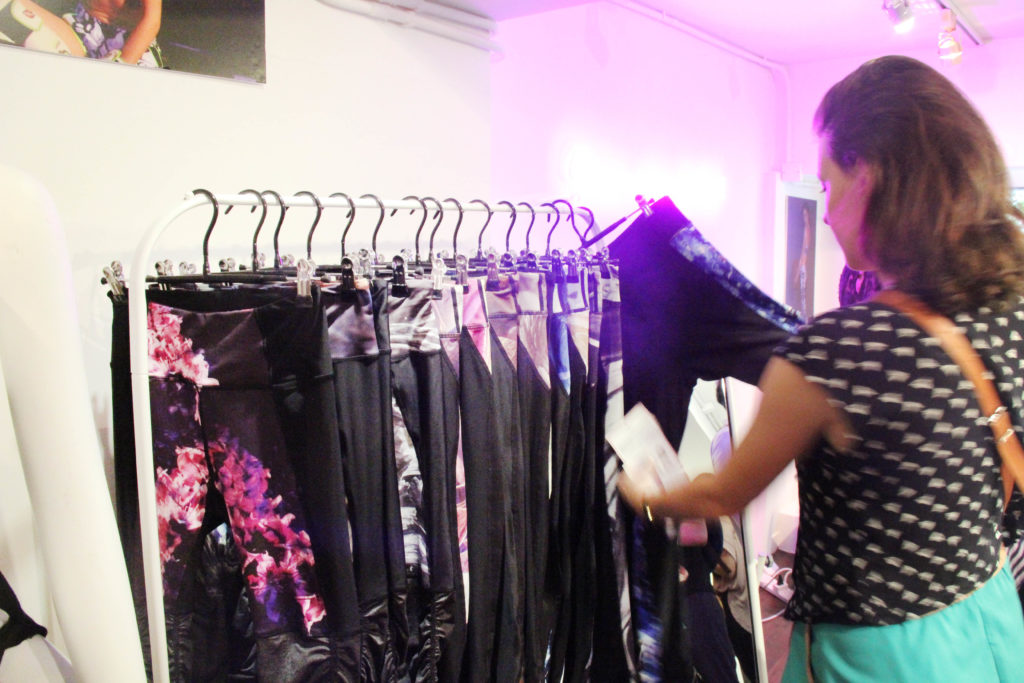
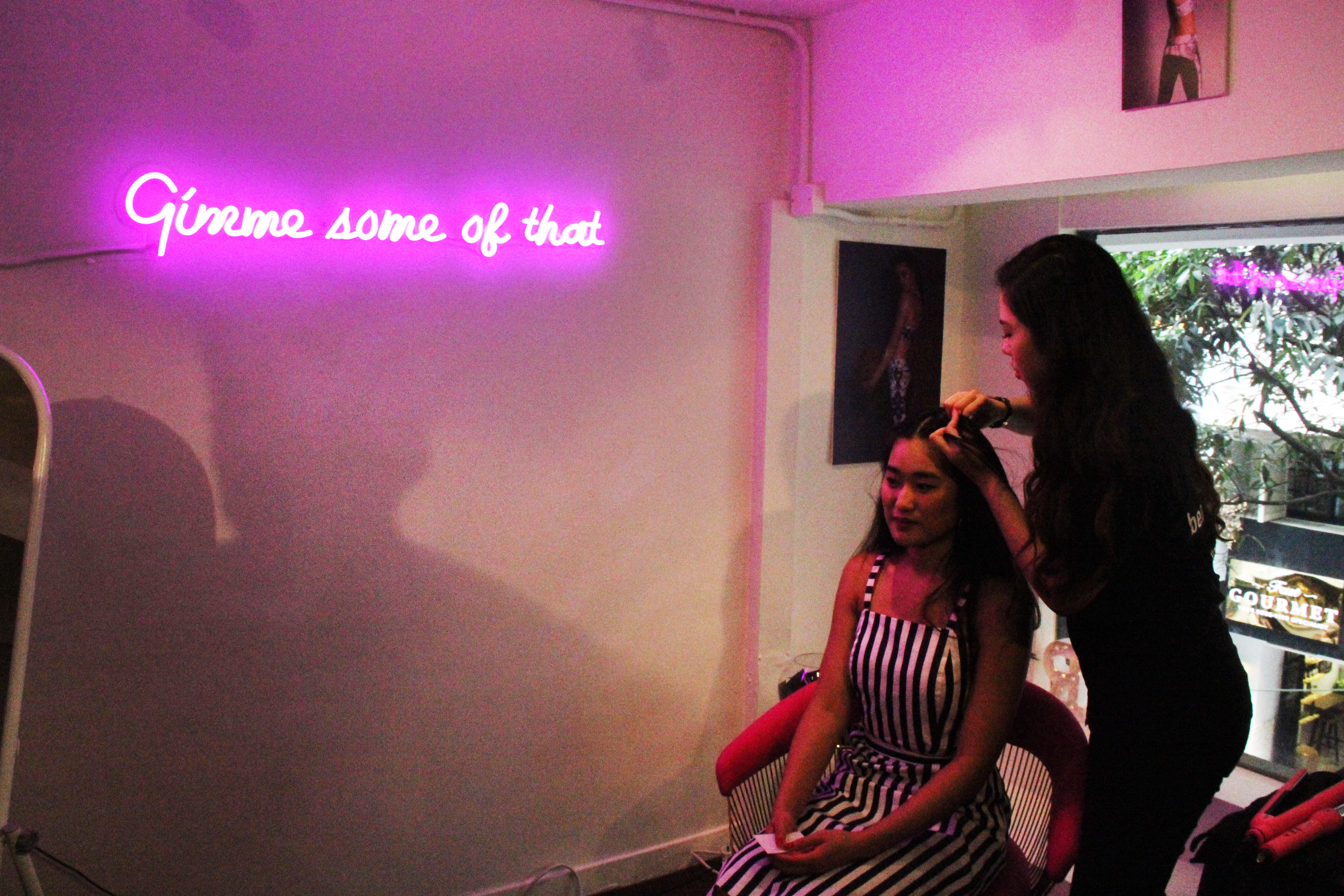
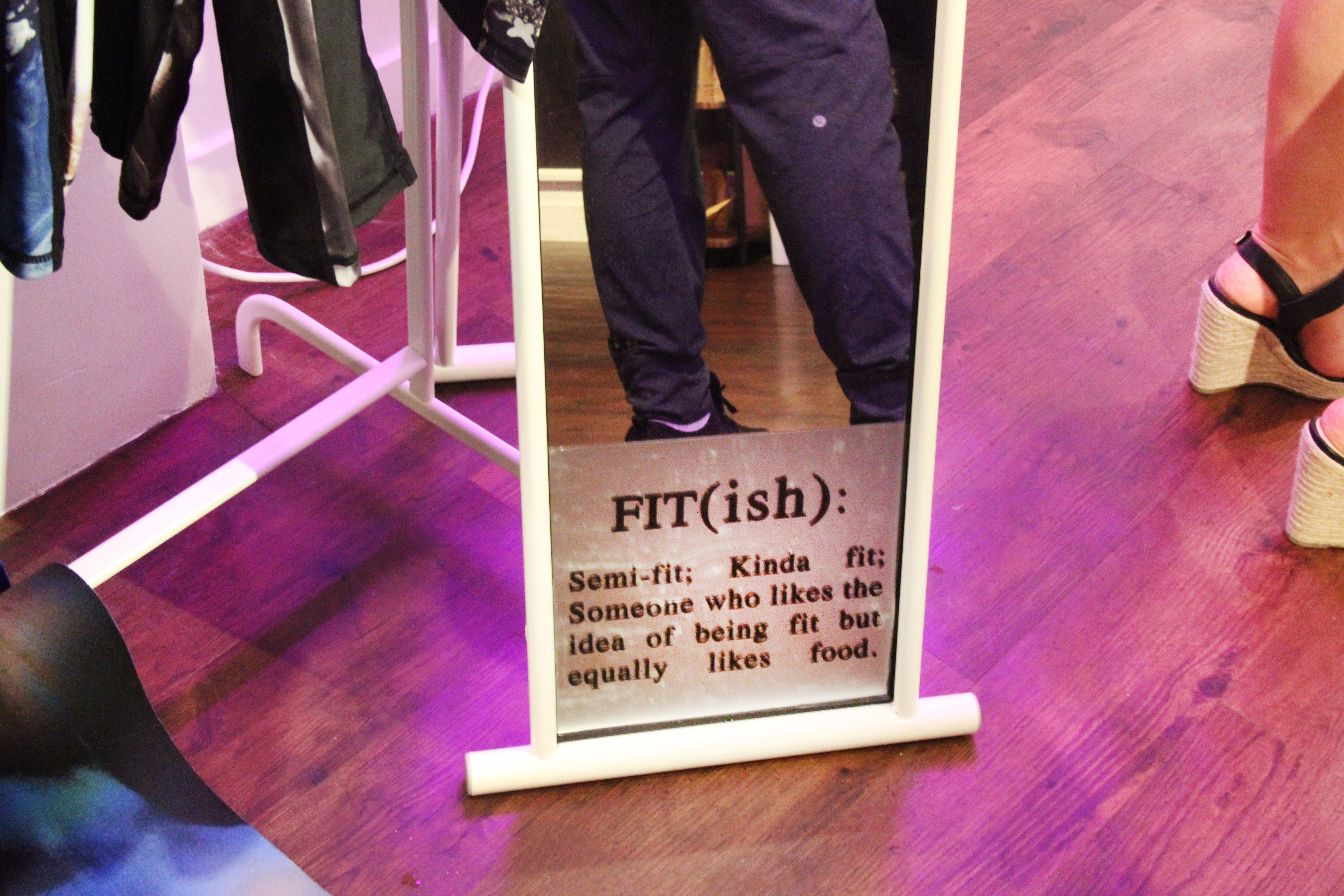
The Miss Runner pop-up store went beyond a traditional retail environment by introducing a broader wellness lifestyle concept.
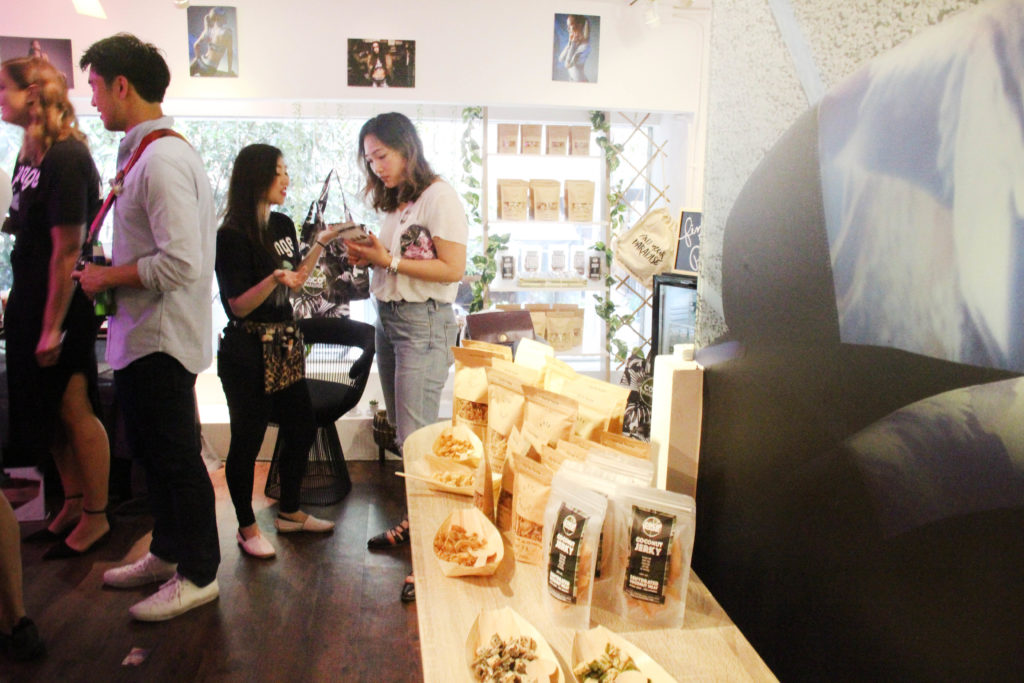
The space featured collaborations with other brands and partners, offering customers a range of products that complemented the activewear collection. Visitors could discover items ranging from coconut water to fitness underwear while exploring the store.
Regular events were also organized throughout the duration of the pop-up.
Bi-weekly gatherings brought together fitness enthusiasts, wellness vendors, and athleisure stylists, creating a community-oriented experience that extended beyond shopping.
By combining retail with lifestyle programming, the brand created an environment where visitors could engage with the broader culture of fitness and wellness.
Building Energy Through Events and Community
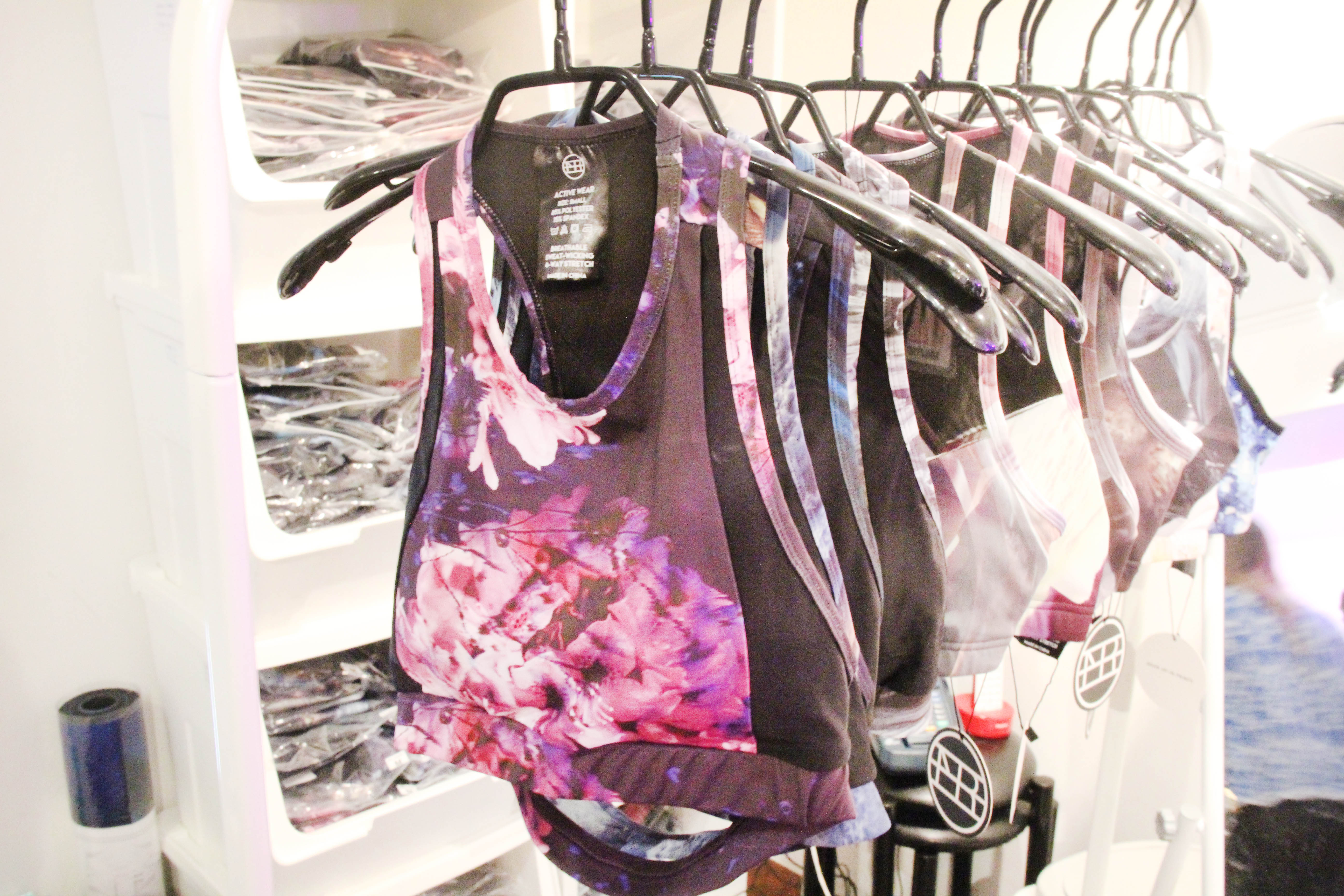
For Miss Runner, events played a crucial role in maintaining momentum throughout the pop-up’s duration.
Tania Cheung explains:
“The only challenge was how to make the most of the pop-up store given the limited amount of time. However, this is what we enjoy the most too. We love throwing weekend events and keeping the crowd entertained through different kinds of activities.”
Hosting events encouraged repeat visits while helping the brand build stronger relationships with its community.
The pop-up store also became a hub where customers could meet like-minded people, discover new wellness products, and participate in social activities related to fitness and lifestyle.
Driving Foot Traffic Through Marketing
Generating foot traffic was another key focus for the Miss Runner team.
“Being able to draw the crowd is a key success factor. So you need to make sure that there is enough ground marketing to attract foot traffic.”
To achieve this, the brand combined in-store programming with an active social media strategy that promoted events, collaborations, and product launches throughout the pop-up period.
This combination of physical events and digital promotion helped the brand create excitement around the temporary store while reaching both existing customers and new audiences.
Pop-Up Retail and the Sportswear Industry
Miss Runner’s activation reflects a broader trend in the sportswear industry.
Brands increasingly use pop-up stores to connect with local communities, launch new collections, and create immersive retail experiences that combine fitness, fashion, and lifestyle.
Examples of similar activations include collaborations and brand launches across major cities. For instance, sportswear brands have hosted large-scale retail moments such as FILA’s heritage pop-up store in SoHo and sneaker collaborations like the Nike x Virgil Abloh pop-up in Hong Kong.
For emerging sportswear brands, temporary retail spaces offer a powerful platform to test new ideas while building loyal communities around their products
Check out how Unspun popped-up in Hong Kong showcasing their unique approach to making and selling jeans.

Written by
Adrien Kerbrat is Chief Revenue Officer and co-founder of Storefront. With more than 10 years in commercial real estate, he is an expert on the French market and short-term retail across Europe. Based in Bordeaux and often in Paris, he writes on pop-up strategy, retail location, and the French retail landscape.
More from Adrien Kerbrat →Related posts:
 How Guiltless Launched a Luxury Resale Pop-Up Store in Hong Kong
 How Dustykid Used a Christmas Pop-Up Store in Hong Kong to Connect With Its Online Community
 How OnTheList Used Pop-Up Stores to Build and Scale a Retail Concept in Hong Kong
 How Carlo Felice Introduced Its Luxury Womenswear With a Pop-Up Shop in Chelsea
 How Butterboom Used Pop-Up Stores to Bring Online Fashion Brands Into Hong Kong Retail