

Butterboom began as an online fashion and lifestyle magazine covering emerging designers, store openings, and fashion developments across Hong Kong and Asia. Over time, the platform built a loyal audience of readers interested in discovering new labels and independent designers entering the Hong Kong market.
To extend this digital discovery platform into the physical world, Butterboom launched a series of pop-up stores in Hong Kong. These temporary retail spaces allowed the magazine to curate collections from the designers it featured online and give readers the opportunity to experience those brands in person.
The project demonstrates how online media platforms can use temporary retail to bridge the gap between digital storytelling and physical shopping experiences. Many brands exploring similar strategies begin by browsing available pop-up shops in Hong Kong to test retail concepts in high-traffic districts.
From Online Fashion Magazine to Pop-Up Retail Concept
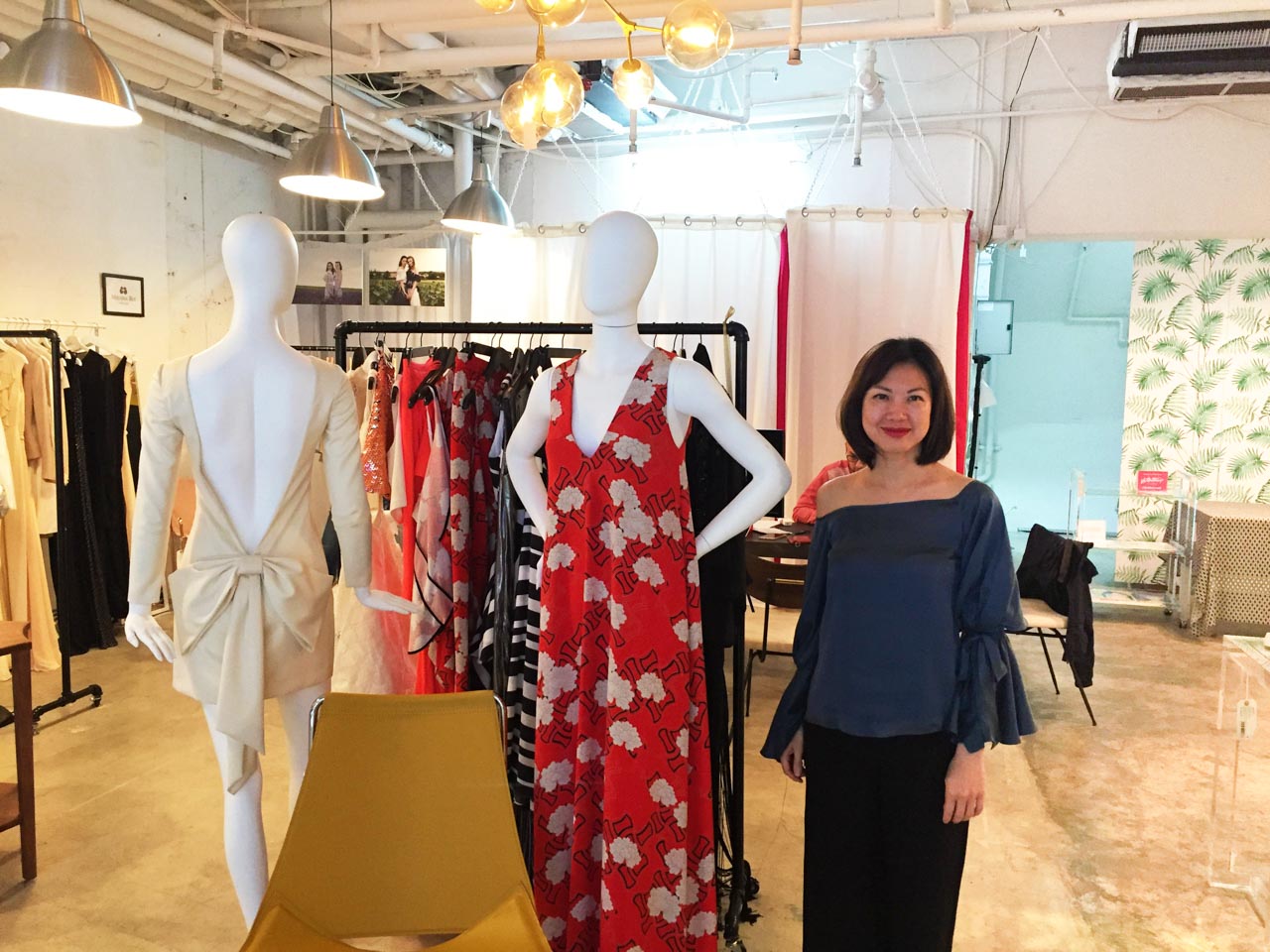
Butterboom was originally created to address a gap in Hong Kong’s fashion media landscape.
The magazine focuses on emerging brands and designers launching in Asia, providing coverage of new collections, retail openings, and fashion events. As the audience grew, Butterboom began exploring ways to transform its editorial content into real-world experiences.
Founder Pannee Ng explains how the idea evolved:
“We decided to launch Room B, our pop-up division to showcase a curation of the labels and designers that we cover on our online magazine, to give our readers the opportunity to see, touch and try on the clothes we’ve been talking about online.”
Through this initiative, Butterboom turned its editorial curation into a retail concept, allowing readers to interact directly with the designers and products they had previously discovered online.
Temporary retail formats like this have become increasingly popular among media platforms, marketplaces, and digital brands that want to create physical touchpoints with their audiences.
The “Summer Edit” Pop-Up Store
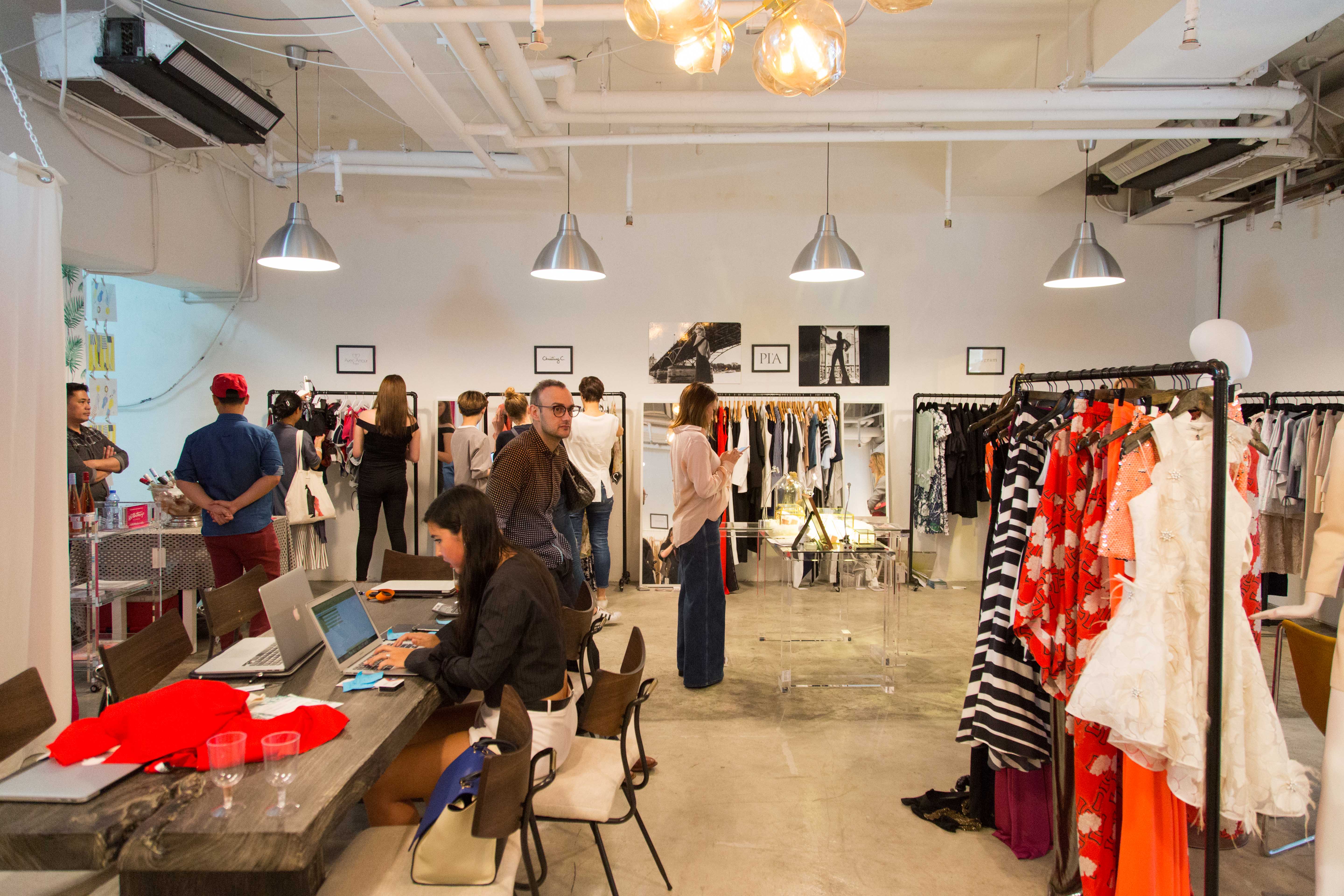
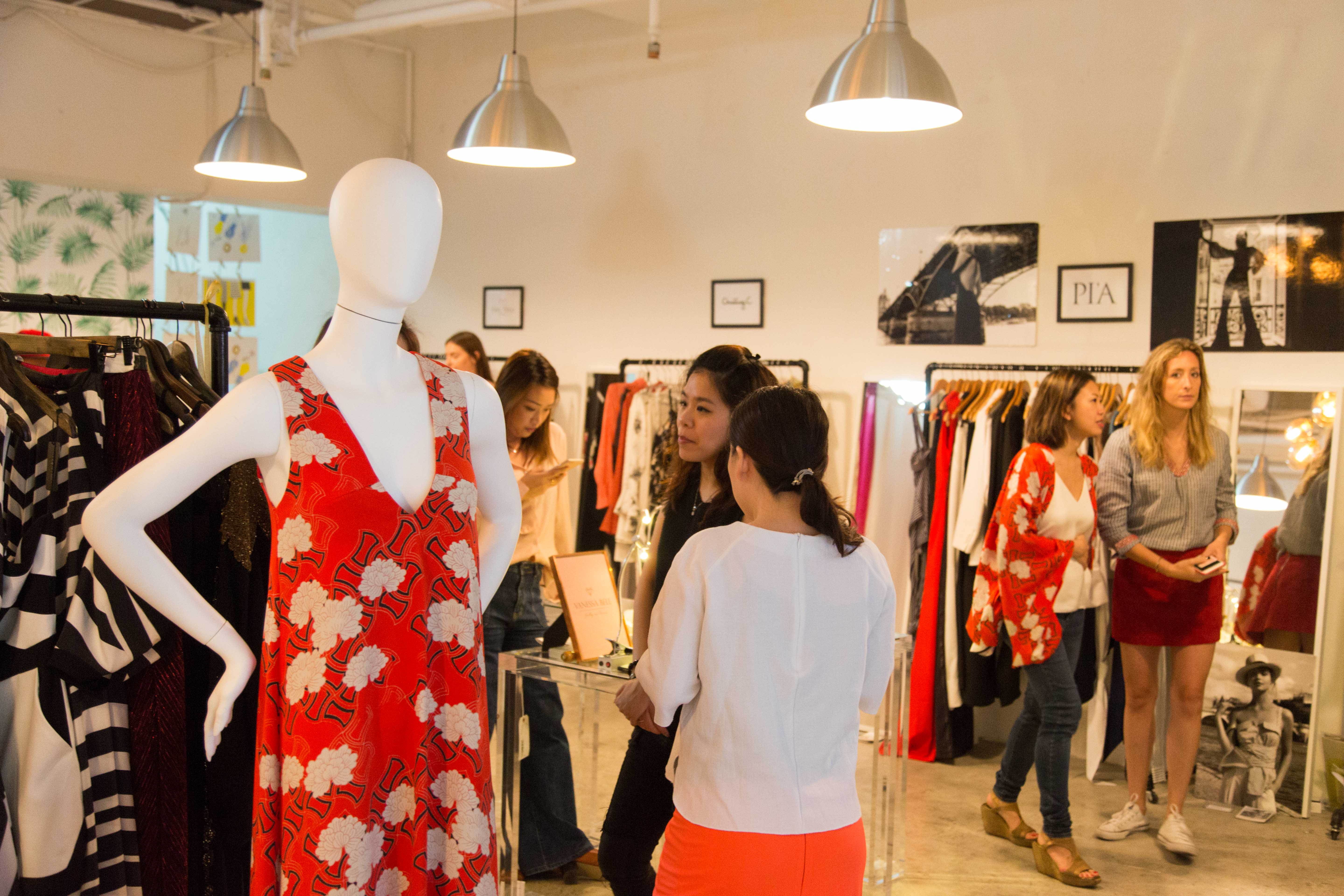
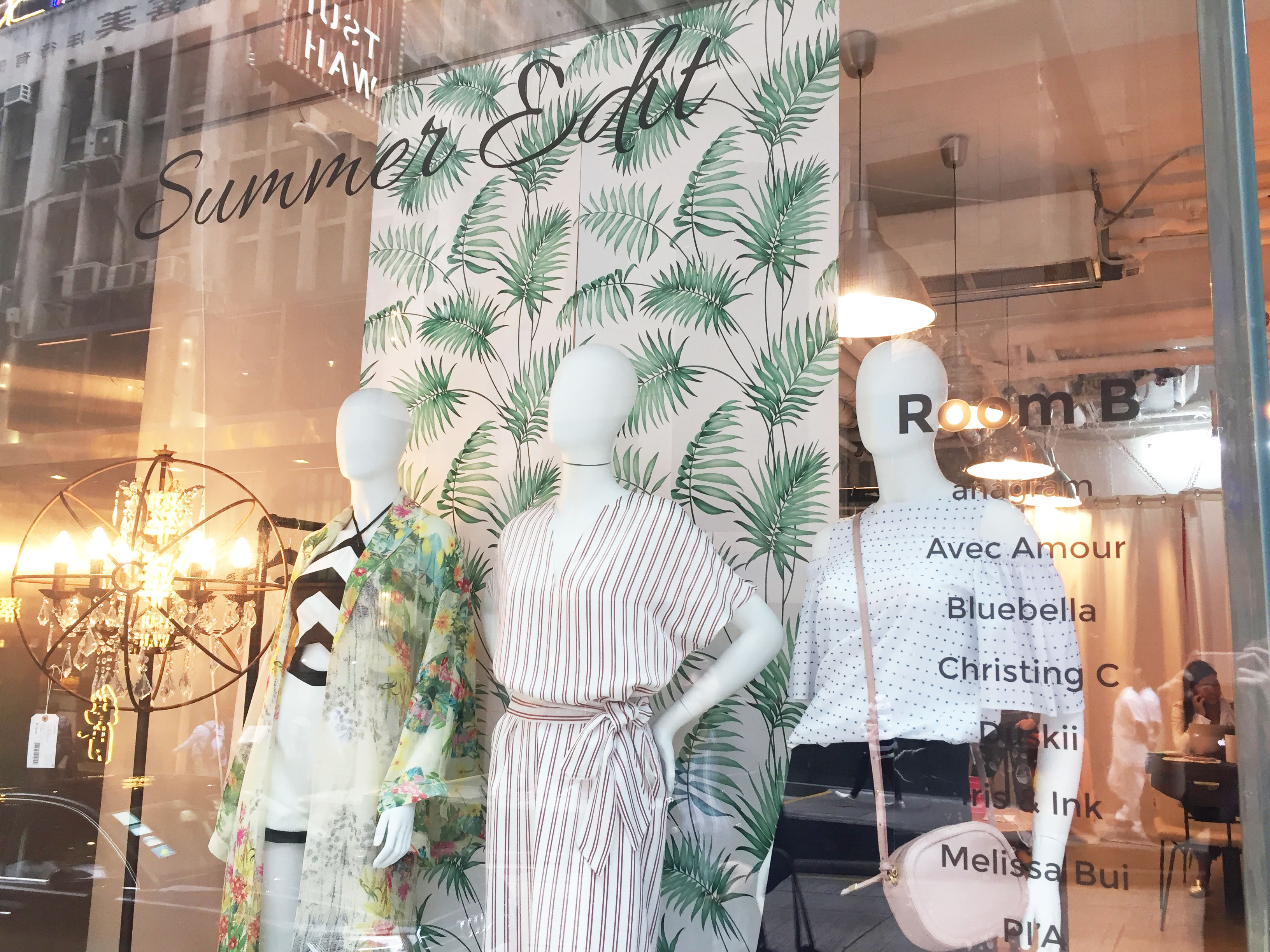
One of Butterboom’s early activations was the “Summer Edit” pop-up store in Central, Hong Kong’s prime shopping district.
The space was designed as a one-stop destination for summer fashion, bringing together swimwear, resortwear, evening dresses, jewelry, and casual apparel from a curated group of international designers.
The selection included:
• Swimwear from Duskii and Solid & Striped
• Resortwear from Christing C
• Occasionwear from Odysay and Melissa Bui
• Casual fashion from Iris & Ink and PI’A
• Workwear from Anagram
• Handmade jewelry by Hong Kong designer Vanessa Bell
By bringing these brands together in a single retail space, Butterboom created an environment where visitors could explore a wide range of styles suited for holidays, summer weddings, and everyday wear.
The location in Central also played an important role in attracting visitors. With its strong pedestrian traffic and reputation as a retail hub, the district allowed the pop-up store to reach both dedicated fashion followers and casual passersby.
Introducing London Designers to the Hong Kong Market
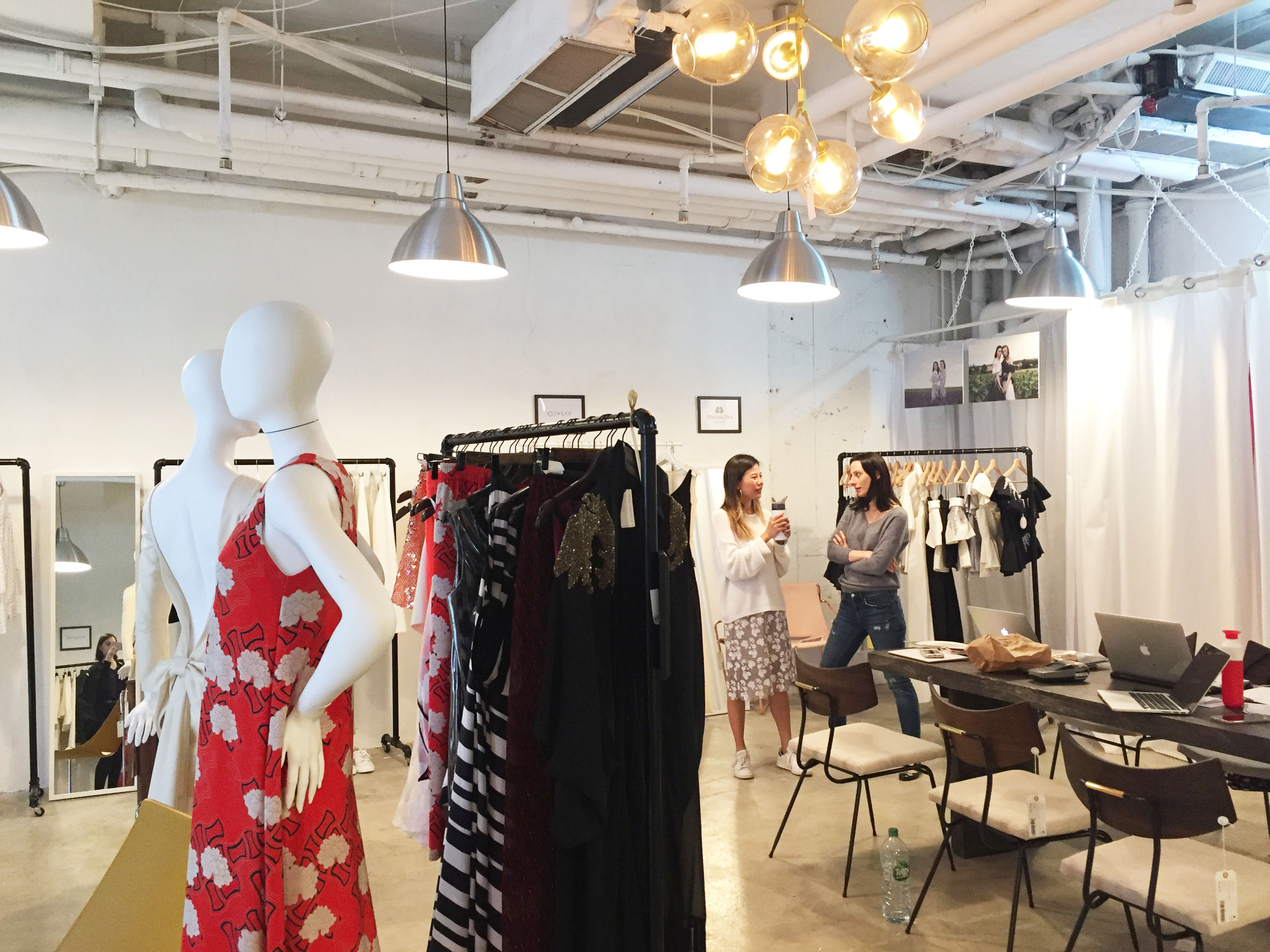
In another pop-up activation, Butterboom focused on introducing emerging London designers to the Hong Kong market.
The curated collection featured fashion and accessories from designers including Rosie Kent, Rosie Fortescue, Carrie Elizabeth, Myia Bonner, and Alighieri. Many of these brands primarily operated online, making the pop-up store a valuable opportunity to present their collections in a physical retail setting.
Pannee Ng explained the concept behind the selection:
“This is a unique collection of fashion items you can’t find elsewhere in Hong Kong.”
To ensure the pop-up store appealed to a wide audience, Butterboom carefully curated a mix of product categories.
“We made sure to create a range of products to make this pop-up a one-stop shopping location with something for everyone from accessories to jewelry, and dresses to shoes. There’s something for everyone here.”
For brands
Popping up in Hong Kong?
Explore short-term spaces in Hong Kong with Storefront.
Explore Hong Kong spacesThe pop-up format allowed Hong Kong shoppers to see the garments up close, feel the materials, and try on pieces that were otherwise only available online.
Why Pop-Up Stores Work for Emerging Fashion Brands
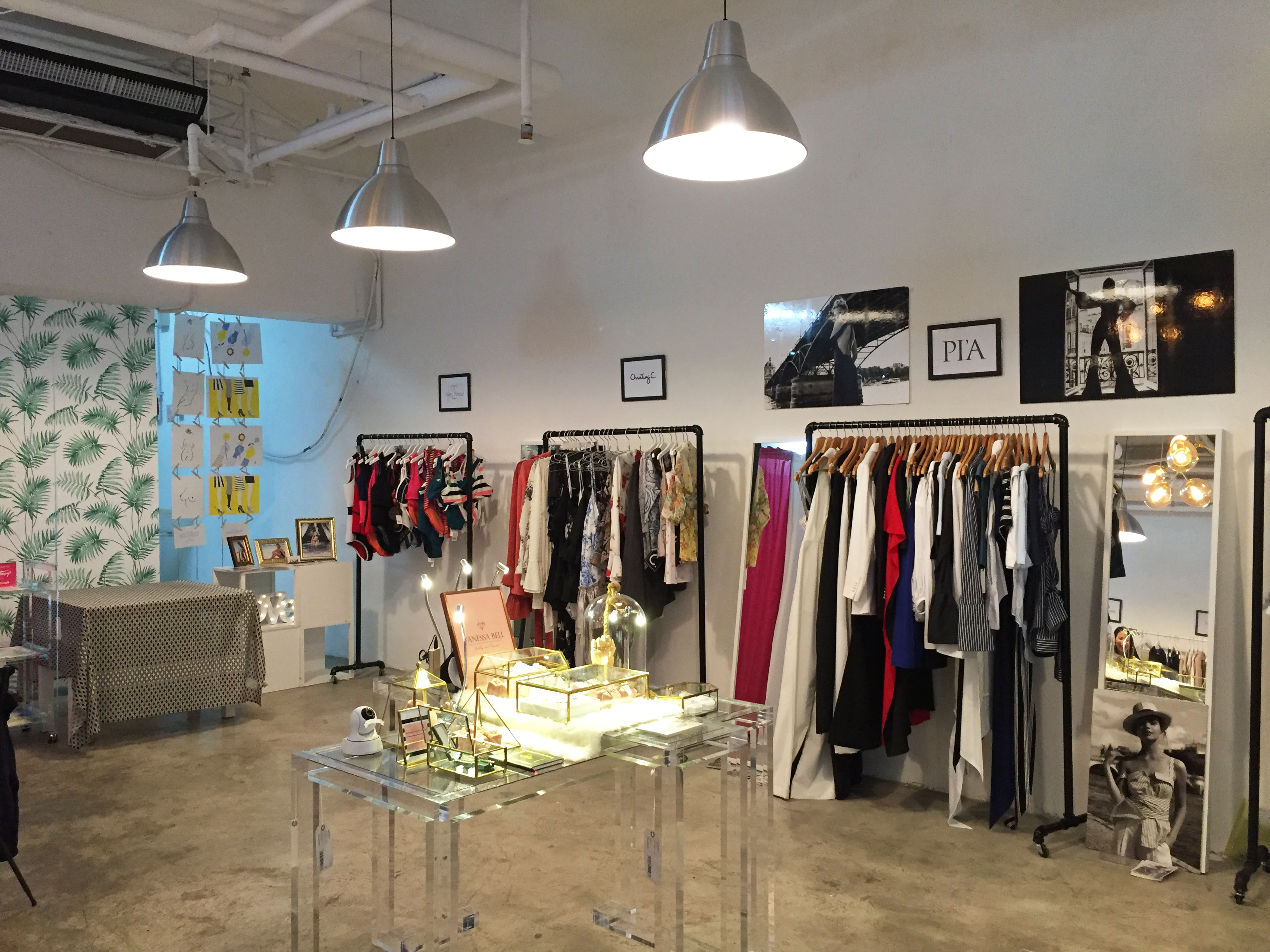
One of the key benefits of Butterboom’s pop-up stores was the opportunity they provided for independent designers to gain visibility in a competitive retail market.
Pannee Ng explains:
“The Pop-Up Store is a perfect occasion to have more visibility, but also for the brands that Butterboom showcases online to engage more with their customers.”
For brands that primarily sell online, temporary retail spaces offer an opportunity to connect with customers face-to-face and gather feedback about their products.
Pop-up stores also provide a practical solution for designers who may not yet be ready to open permanent retail locations.
As Pannee Ng points out, retail rents in Hong Kong can make traditional storefronts difficult for emerging brands.
“Normal rent prices in Hong Kong are simply too high for up-and-coming designers… pop-ups are a way to solve that.”
Platforms like Storefront allow brands and entrepreneurs to find short-term retail spaces that make these temporary activations possible.
Testing Retail Concepts in Hong Kong’s Central District
Butterboom’s pop-up stores were located in Central, a district that attracts both local shoppers and international visitors.
Many of the brand’s readers live nearby in areas such as Mid-Levels, making the neighborhood a natural choice for hosting the events. The shopfront on Lyndhurst Terrace was particularly fitting for the London designer showcase.
Pannee Ng recalls her reaction to the space:
- “Storefront has a great range of listings on the platform, and we were really happy when we secured this location.”
The storefront itself also contributed to the concept.
According to Pannee, the shop’s architecture reminded her of a traditional London boutique, reinforcing the British theme of the designer collection.
Butterboom had previously used the Storefront platform for an earlier pop-up on Wellington Street, demonstrating how brands can use temporary retail repeatedly to test different concepts and collaborations.
For entrepreneurs interested in launching a similar activation, guides such as How to Run a Pop-Up Shop explain how temporary retail spaces can help brands experiment with new markets and audiences.
A Growing Strategy for Fashion Discovery
Butterboom’s pop-up stores illustrate how digital platforms can expand beyond editorial content to create immersive retail experiences.
By combining online curation with physical retail, the brand provided emerging designers with visibility while giving shoppers the opportunity to interact directly with new collections.
The success of these activations encouraged Butterboom to continue exploring temporary retail as part of its strategy.
“We want to organise more Pop-Up Stores in the future to give our readers a live experience with the fashion labels we cover on our online magazine.”
For brands looking to test similar concepts, flexible retail spaces available through pop-up store rental opportunities provide a way to launch short-term activations without the long-term commitments of traditional retail.
For brands
Popping up in Hong Kong?
Explore short-term spaces in Hong Kong with Storefront.
Explore Hong Kong spaces
Written by
Adrien Kerbrat
Adrien Kerbrat is Chief Revenue Officer and co-founder of Storefront. With more than 10 years in commercial real estate, he is an expert on the French market and short-term retail across Europe. Based in Bordeaux and often in Paris, he writes on pop-up strategy, retail location, and the French retail landscape.
More from Adrien Kerbrat →
Related posts:
 How Dustykid Used a Christmas Pop-Up Store in Hong Kong to Connect With Its Online Community
 How OnTheList Used Pop-Up Stores to Build and Scale a Retail Concept in Hong Kong
 How Miss Runner Used a Pop-Up Store in Hong Kong to Build Its Activewear Community
 How ghd Used a Pop-Up Store in Hong Kong to Strengthen Brand Awareness in Asia
 How Swedish Design Collective XIKO Brought the Art & Design Market to Hong Kong With a Pop-Up Store