
Swedish design is known for its clean aesthetics, strong craftsmanship, and collaborative creative culture. When the Stockholm-based company XIKO Art decided to introduce its “Art & Design Market” concept to Asia, the team chose Hong Kong as the launch destination.
Rather than opening a permanent gallery or store, XIKO brought the concept to the city through a temporary pop-up shop. The week-long activation gathered a group of Swedish artists and designers in a shared retail space, giving Hong Kong audiences the opportunity to discover contemporary Scandinavian design in person.
Temporary retail formats are frequently used by international brands looking to enter new markets. Many companies start by exploring available pop-up shops in Hong Kong to test their concept in the city’s dynamic retail districts.
Bringing Swedish Design to Hong Kong
The Hong Kong edition of the Art & Design Market took place in the lively SoHo neighborhood, an area known for its creative atmosphere and independent retail scene.
The pop-up gathered eight designer brands with close ties to Sweden:
- Design Lena W
- Frida Hulten
- Viktoria Chan
- Mod Stockholm
- Ewa Dolck
- XIKO Art
- ISAK
- Van Deurs
Together they presented a diverse mix of jewelry, fashion, accessories, and home décor. The result was an eclectic design showcase that introduced visitors to different interpretations of contemporary Scandinavian style.
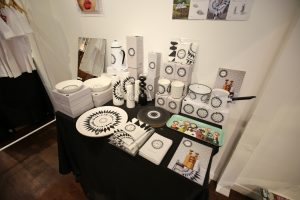
The collaborative nature of the project reflects the philosophy behind the Art & Design Market concept, which was originally launched in Stockholm.
Christian Bergenstrahle, founder of XIKO Art and curator of the event, explains:
“It’s a lot more fun for designers to collaborate and help each other succeed with their own business.”
Each designer participating in the project contributes their own audience and network, allowing the group to expand its reach collectively while meeting new customers.
Designing a Pop-Up Store That Showcases Art
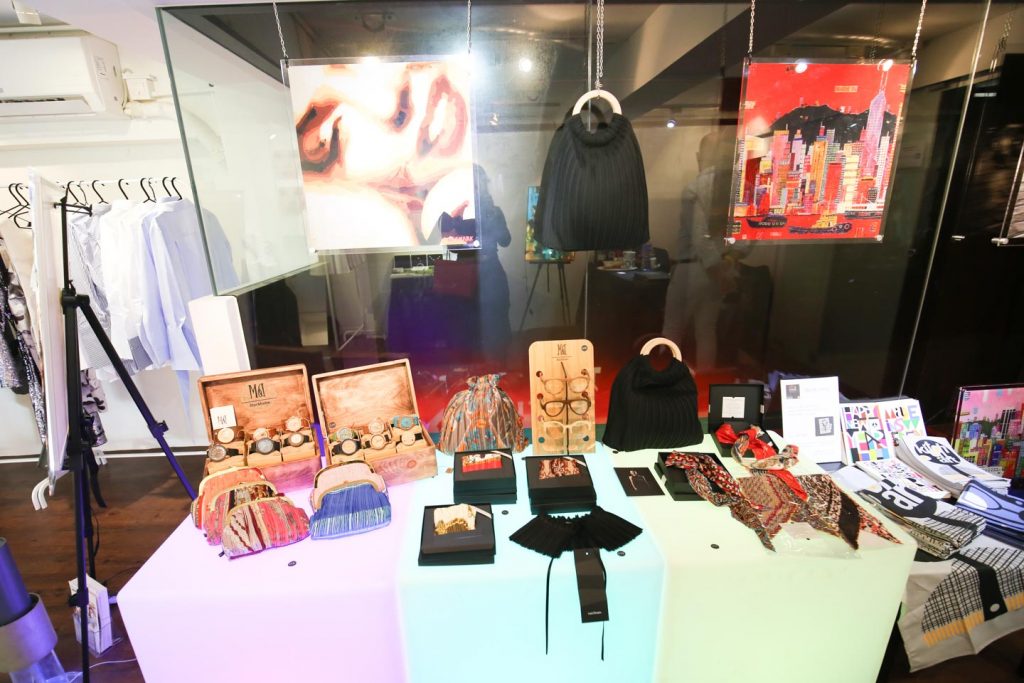
The pop-up was designed to highlight the visual impact of the artwork, especially in the evening.
Passersby walking through the neighborhood could immediately notice the bright glow from the store windows, created by XIKO’s signature plexiglass artworks that transform paintings into illuminated lamps.
Christian Bergenstrahle explains the importance of lighting in the space:
“Light was important for us because we wanted to make sure you could see the art from outside, especially at night when we switch on the lamps.”
For brands
Popping up in Hong Kong?
Explore short-term spaces in Hong Kong with Storefront.
Explore Hong Kong spacesBy turning the artworks themselves into sources of light, the installation created an eye-catching display that drew attention from the street and encouraged visitors to step inside.
The combination of art, lighting, and design objects helped create an immersive gallery-style retail experience within the temporary space.
Why a Pop-Up Store Was the Right Strategy
The Hong Kong activation marked the first time the Art & Design Market concept had expanded outside Sweden.
Launching through a pop-up format allowed the designers to test the market without committing to the cost and complexity of a permanent international gallery.
Christian Bergenstrahle explains the reasoning behind the decision:
“The pop-up strategy was the perfect solution for us to set foot in Hong Kong. With a pop-up we have the possibility to have a presence here without the big investment of a long-term lease.”
Temporary retail formats offer brands a flexible way to explore new cities, gather feedback, and understand customer interest before committing to long-term expansion.
For many designers and creative brands, pop-up stores also create a sense of discovery and exclusivity that permanent retail spaces cannot easily replicate.
Entrepreneurs interested in launching similar activations can learn more about the process in this guide on how to open a pop-up store.
Finding the Right Location in Hong Kong
Choosing the right space was an important part of the project’s success.
Christian Bergenstrahle discovered the opportunity to launch a pop-up in Hong Kong after attending a Storefront seminar on the future of retail in Kennedy Town.
The Storefront platform helped the team identify a space that matched their creative needs.
“The Storefront platform was a really useful tool for us to find a location with quality lighting conditions, big windows and was situated in a vibrant neighbourhood.”
The SoHo district ultimately stood out because of its creative atmosphere and design-focused community.
“We eventually chose this location in SoHo because the neighbourhood has a design feeling. This street is super cute.”
By positioning the pop-up in a neighborhood aligned with its aesthetic, the brand was able to reach an audience already interested in design, art, and independent creators.
Brands exploring similar international activations can browse flexible pop-up store rental opportunities to find short-term retail spaces suited to creative concepts.
Rethinking the Traditional Gallery Model
The success of the Hong Kong pop-up encouraged XIKO to reconsider how it approaches retail and exhibitions in the future.
Temporary retail offers artists and designers the ability to move between cities, collaborate with new partners, and present their work in fresh contexts.
Christian Bergenstrahle even suggested that pop-ups could eventually replace traditional gallery models for the brand.
“If this works out well, we will do it again. In fact, I’m thinking of closing down my gallery and only doing pop-ups. Only doing it the modern way instead of the traditional way.”
For design collectives and independent artists, pop-up stores provide a flexible way to reach international audiences while maintaining the creative freedom that collaborative projects require.
If you like Swedish design and culture, how about a pop-up shop in Stockholm?

Written by
Adrien Kerbrat is Chief Revenue Officer and co-founder of Storefront. With more than 10 years in commercial real estate, he is an expert on the French market and short-term retail across Europe. Based in Bordeaux and often in Paris, he writes on pop-up strategy, retail location, and the French retail landscape.
More from Adrien Kerbrat →Related posts:
 How Dustykid Used a Christmas Pop-Up Store in Hong Kong to Connect With Its Online Community
 How OnTheList Used Pop-Up Stores to Build and Scale a Retail Concept in Hong Kong
 How Butterboom Used Pop-Up Stores to Bring Online Fashion Brands Into Hong Kong Retail
 How Miss Runner Used a Pop-Up Store in Hong Kong to Build Its Activewear Community
 How ghd Used a Pop-Up Store in Hong Kong to Strengthen Brand Awareness in Asia