
Direct-to-consumer fashion brands are increasingly turning to pop-up stores and temporary showrooms to meet customers in person. One brand that has embraced this model is MM.LaFleur, the professional womenswear label founded by Sarah LaFleur.
Known for combining luxury workwear with personal styling services and strong editorial content, the brand has built a loyal online following. As it expanded its physical presence, MM.LaFleur began using short-term retail spaces to test markets, refine its in-store experience, and build relationships with customers.
The brand has worked with Storefront to launch multiple pop up stores while experimenting with new cities and formats, demonstrating how temporary retail can support long-term growth.
Brands exploring similar strategies can browse pop-up shops in New York or explore showroom spaces in New York.
Testing markets through pop-up stores
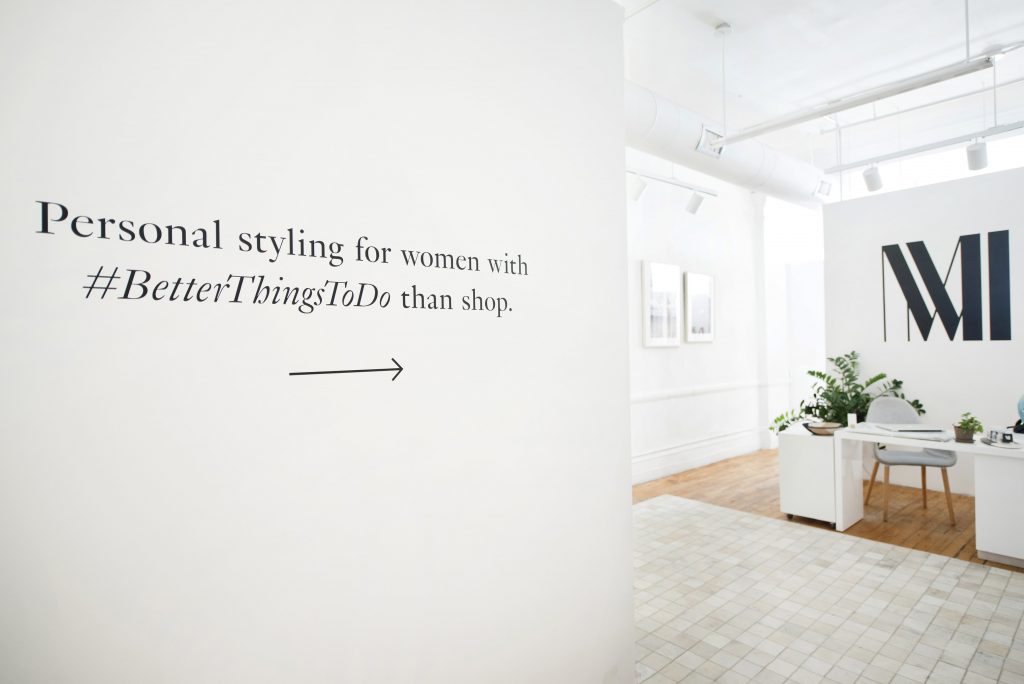
For MM.LaFleur, pop-up stores are a powerful way to test new markets before committing to permanent retail locations.
Rachel Mann, Director of Retail at MM.LaFleur, explained that temporary spaces allow the brand to learn about local customers and evaluate whether a city is ready for a long-term showroom.
“LA is an up-and-coming market for MM.LaFleur, and one that has a lot of growth potential. We opened there to test the customer experience, and to see how these customers differ from the others.”
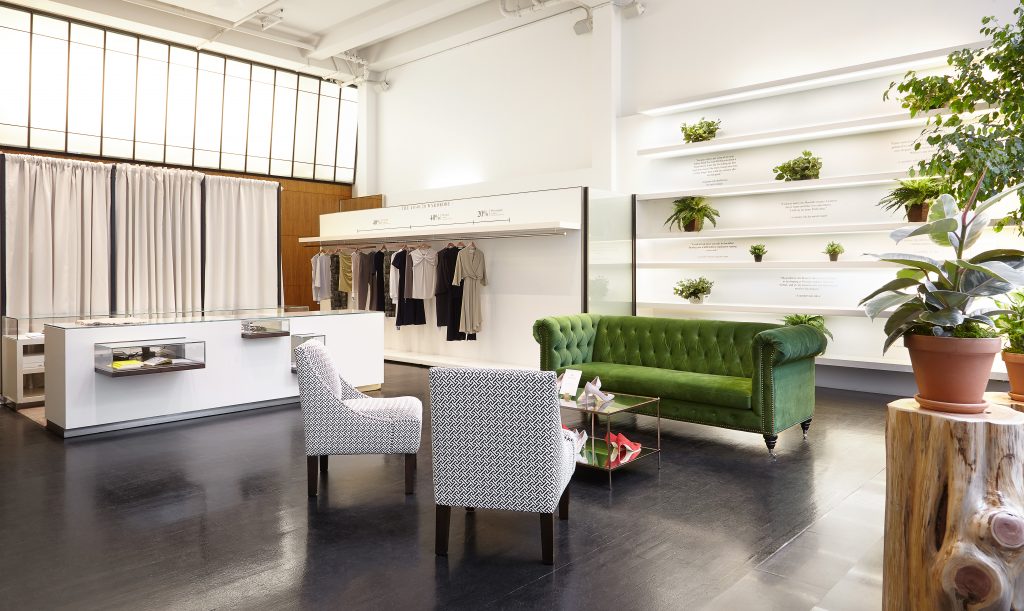
Rather than building a new store from scratch, the team recreated the brand’s signature showroom experience in a temporary retail space.
“We replicated our showroom experience and we loved the space we got.”
Pop-up stores also allow brands to test real estate without committing to long leases.
“With this short-term lease we see a difference in demand and revenue that we wouldn’t have learned if we invested in a 7-year permanent lease.”
Many brands are adopting similar strategies as flexible retail becomes more common. You can explore more of these shifts in Top Retail Trends to Look Out For in 2026.
How the MM.LaFleur pop-up experience comes together
Launching a pop-up store requires careful planning across real estate, design, staffing, and operations.
For MM.LaFleur, the process starts with defining the fundamentals: location, budget, and timing.
“We knew our dates, our pop-up budget, our ideal location, and our needs for square footage,” Mann said.
The brand’s traveling pop-up stylist team, based in New York, helps execute activations in different cities. Local hires supplement the team depending on the market.
Visual merchandising also plays an important role. MM.LaFleur’s Head of Visual Merchandising designs the space to deliver a consistent brand experience even in temporary locations.
“Every detail was honed and thought through.”
Because the brand has operated several pop-ups, the team has developed modular systems that allow them to build out spaces quickly and efficiently.
Brands planning their own activations can learn more about planning costs and logistics in How Much Does a Pop-Up Shop Cost?.
What makes a successful pop-up store
According to Mann, the most effective pop-ups create urgency and provide value to customers.
“Pop-up stores need to be impactful, create a sense of urgency, and be a value add for the customer.”
For MM.LaFleur’s audience, which includes busy professional women, the brand focuses on offering experiences that customers cannot get online.
“Offer unique content and products that the customer doesn’t normally get to touch and feel before she buys.”
This strategy is common across the fashion industry as brands use pop-ups to blend physical retail with digital-first businesses. You can see more examples in How the Fashion Industry Is Making the Most of Pop-Up Stores.
Driving traffic to a pop-up store
One of the biggest lessons MM.LaFleur learned is that opening a pop-up alone does not guarantee foot traffic.
“Have a plan to drive traffic,” Mann advises. “Don’t assume that because you’re opening something ground-level that droves of people will just wander in and buy things.”
Instead, brands should actively promote the pop-up and create reasons for customers to visit.
Events are particularly effective for building early momentum.
“Events are a great way to kick things off.”
Pop-ups can also serve multiple goals beyond sales, including product testing, gathering customer feedback, or growing an email list.
“If this is your first pop-up, use it as an experiment,” Mann said. “Failure can be great, as long as you’re taking notes and learning for the next time.”
Practical lessons from launching multiple pop-ups
After running several activations, MM.LaFleur’s team has gathered practical insights about operating temporary stores.
“Pocket WiFi is expensive,” Mann joked.
She also emphasized the importance of planning for logistics challenges.
“Something will always go wrong with your deliveries; plan for the worst.”
For brands setting up temporary retail spaces, flexible support services can be invaluable.
“Task Rabbits are a great resource for building things or helping with steaming clothes and other set-up tasks.”
Location logistics also matter, particularly in cities like Los Angeles.
“Accessible parking is critical.”
Why pop-up stores are becoming a long-term retail strategy
For many direct-to-consumer brands, pop-up stores are no longer just short-term marketing activations. They are becoming an essential part of retail strategy.
Temporary stores allow brands to test markets, meet customers in person, and refine their physical retail concepts before scaling into permanent locations.
MM.LaFleur’s approach shows how brands can use pop-ups as both a research tool and a growth engine.
Brands interested in launching their own activation can explore pop-up shops in New York or browse showroom spaces in New York.
If you’re planning your first activation, this guide to starting a pop-up shop in New York walks through the key steps for launching a successful short-term retail space.

Written by
Adrien Kerbrat
Adrien Kerbrat is Chief Revenue Officer and co-founder of Storefront. With more than 10 years in commercial real estate, he is an expert on the French market and short-term retail across Europe. Based in Bordeaux and often in Paris, he writes on pop-up strategy, retail location, and the French retail landscape.
More from Adrien Kerbrat →
Related posts:
 How Bulletin Uses Pop-Up Stores to Build Its Brand in New York
 Inside Diesel’s Knockoff Pop-Up Shop in SoHo
 How E-Commerce Brand Brandless Used a Pop-Up Store to Build Community in Los Angeles
 Inside the GRAMMAR Pop-Up Store in New York’s Lower East Side
 How SHEIN Used Pop-Up Retail to Drive Sales and Brand Growth in Dallas