
Beverly Hills is a city, not a Los Angeles neighborhood. It was incorporated on 28 January 1914, it covers a little under six square miles, and together with West Hollywood it is completely surrounded by the City of Los Angeles without ever having been part of it. Every municipal decision that affects a space here is made in Beverly Hills.
It is also, commercially, very concentrated. Almost everything a brand would want sits inside one district you can cross on foot in fifteen minutes, which is not how the rest of Los Angeles works.
The Golden Triangle
Downtown Beverly Hills is known as the Golden Triangle, bounded by Santa Monica Boulevard, Wilshire Boulevard and Crescent Drive. It is a small grid of parallel streets, and each one has a distinct job. Getting the street right matters more here than in almost any other part of the region, because they are three minutes apart and serve different customers.
Rodeo Drive
Three blocks between Wilshire and Santa Monica Boulevard, and the region’s principal luxury retail address. It has been one of the most expensive shopping streets in the world since the 1960s and it trades on that reputation internationally rather than on local footfall. The customer is a visitor or a client, frequently by appointment, and the expectation of presentation is absolute. This is a street for a flagship gesture, a launch or a press moment, not for volume.
Beverly Drive and Canon Drive
One and two blocks east of Rodeo, and where the district actually does its daily business. Restaurants, salons, smaller boutiques and a genuine local lunchtime crowd from the offices around them. A brand that wants to be in Beverly Hills without paying for a Rodeo address, and wants people to walk in rather than arrive booked, is usually looking at these two.
South Beverly Drive
Below Wilshire, and a different city again. Neighborhood-scale, more independent, more everyday, serving the residential streets to the south. Rents and expectations both drop, and it suits a test store or a longer run better than the Triangle does.
The hotels
Beverly Hills carries an unusually dense run of major hotels for a city its size, and they matter commercially because so much brand activity here happens inside them rather than on the street. Suites, ballrooms and private rooms absorb a great deal of the short-term demand, particularly in the first quarter.
For brands
Popping up in Beverly Hills?
Explore short-term spaces in Beverly Hills with Storefront.
Explore Beverly Hills spacesWhat brands come here to do
Beverly Hills is not a high-volume retail market and it does not pretend to be. What it offers is an audience with money and an address that does work for a brand on its own. So the activity here skews private: closed dinners, client meetings and press appointments, showrooms and short retail runs that trade on the address rather than on passing trade, and the project space the professional firms in the district take up.
| What | Why Beverly Hills suits it | Browse |
|---|---|---|
| Meetings and private events | A professional population in a compact district, and hotel space to match. | meeting space and conference space |
| Events and hospitality | Hotels, restaurants and a city practiced at hosting closed, high-value events. | event space in Beverly Hills |
| Showrooms | Appointment-led selling is the norm here rather than the exception. | showroom space in Beverly Hills |
| Retail and pop-up | An internationally recognized address that carries a brand on its own. | retail and pop-up space in Beverly Hills |
| Galleries | A resident collector base and an art audience that travels in for Frieze week. | gallery space |
| Shoots | Palm-lined streets, recognizable frontage and consistent light. | shoot space in Beverly Hills |
| Project and office space | A dense professional district where people expect to walk to meetings. | office space in Beverly Hills |
Beverly Hills is getting a subway, and that changes the arithmetic
For its whole history this has been a car city with valet as the default answer. That is changing now, in two steps.
The first has already happened. The D Line subway extension opened on 8 May 2026, running west under Wilshire Boulevard to Wilshire/La Cienega at the eastern edge of Beverly Hills. It is a single ride from Union Station in Downtown Los Angeles, with no transfer, in around twenty minutes.
The second is the one that matters for the Golden Triangle. The next section adds a station at Wilshire and Rodeo, inside the district itself. It is under construction and scheduled to open, and when it does the walk from a train to a Rodeo Drive address will be a couple of minutes, in a city where getting there has always meant driving and parking. Projects on this scale move, so treat it as a direction of travel rather than a diary entry.
If you are planning anything public-facing more than a season out, that is worth factoring in now. It widens who can realistically attend an evening event, and it is the first time a Beverly Hills address can be described as transit-accessible without stretching the word.
The Beverly Hills calendar
Awards season
January to March, and the most commercially distinctive stretch of the year. Beverly Hills is one of the three places where awards season concentrates, alongside Hollywood and West Hollywood, and its share is the hospitality end: gifting suites, press days, private dinners and showroom appointments, mostly inside hotels and private spaces rather than on the street. Demand for short-term space tightens well before the ceremonies themselves. Book early or do not plan around it.
The Concours d’Elegance
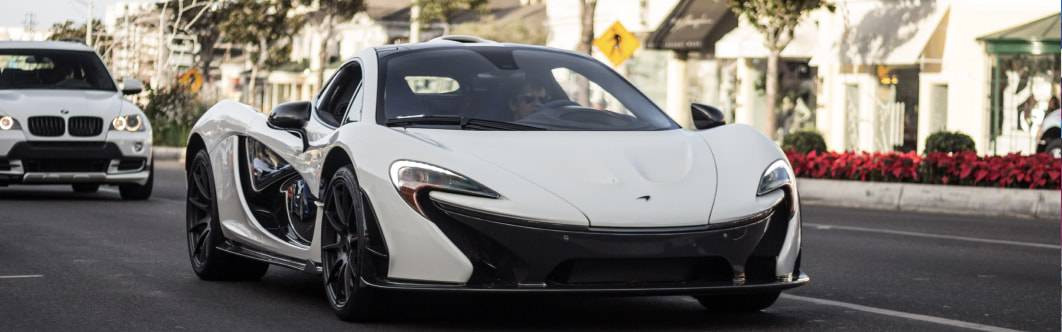
On Father’s Day in June, Rodeo Drive closes to traffic and becomes an open-air display of more than a hundred rare and vintage cars, free and open to the public, for most of the day. It is the single largest footfall day the street sees all year and it draws a crowd that does not normally come to Rodeo. For anything built around it, confirm early what a street closure means for your access, your deliveries and your opening hours.
Frieze week
Frieze Los Angeles runs at the Santa Monica Airport campus in late February, and the satellite activity around it reaches Beverly Hills through the galleries, the hotels and the private dinners rather than through the fair itself. It lands in the same window as awards season, which is why the first quarter is the hardest time of year to find space here at short notice. Exact dates are confirmed closer to the time.
The holidays
Rodeo Drive lights and the surrounding hotel trade make November and December the second peak, weighted toward gifting and hospitality rather than toward new store openings.
The paperwork, which is genuinely its own
This is the part brands get wrong, because they apply what they read about Los Angeles.
- Business tax registration. Anyone operating a business in Beverly Hills needs a Business Tax Registration Certificate from the city, before starting or within thirty days of starting. It is a Beverly Hills certificate, not a Los Angeles one.
- Commercial photography needs a permit, including on private property. This is the one that catches people. A still photography permit is required for commercial shoots on private property as well as on the public right of way. A lookbook shot inside a space you have rented is not automatically exempt.
- Filming is permitted separately, with its own application and fee scale, and reduced rates for small productions. Productions also carry the city’s own costs, including police, fire and street use, which have to be settled before the permit is issued.
- Special events have their own permit route with their own insurance requirements.
- The state layer does not change. Anyone selling or leasing goods subject to sales tax in California needs a state seller’s permit, the same as anywhere else in the state.
The practical version: allow more lead time here than you would elsewhere in the region, and ask about the photography permit before you book a crew.
How Beverly Hills compares
- West Hollywood. Directly east, also its own city, and stronger for showrooms, the interiors trade and anything with an evening economy behind it.
- Santa Monica. West on Wilshire and its own city again, trading on a beach season and a visitor crowd rather than on a luxury address.
- Hollywood. Inside the City of Los Angeles, visitor-driven, and a completely different permit regime. Tourist footfall rather than client footfall.
- Downtown LA. East on the same subway line, with larger floors, older building stock and a weekday rhythm.
Our Los Angeles guide sets out how the separate cities on the Westside fit against the Los Angeles districts around them, and why an address here needs checking against a city line before anything else.
Common questions
Is Beverly Hills part of Los Angeles?
No. It has been its own city since 1914. Together with West Hollywood it is surrounded by the City of Los Angeles, but it has never been part of it, and permits, business tax registration, filming and event approvals all go through Beverly Hills.
What is Beverly Hills best for?
Meetings and private events first, then showrooms and short retail runs, with a steady base of project and office demand underneath. The common thread is a high-value audience in a compact district rather than volume footfall.
Which street should I be looking at?
Rodeo Drive for a flagship or a press moment, Beverly Drive and Canon Drive for daily trade and walk-in customers, and South Beverly Drive below Wilshire for something more everyday and less expensive. They are minutes apart and they are not interchangeable.
Do I need a permit to photograph inside a space I have rented?
For a commercial shoot, very likely yes. Beverly Hills requires a still photography permit for commercial photography on private property as well as in public, which is stricter than most brands expect. Check with the city before you book a crew rather than after.
When is Beverly Hills busiest?
January to March for awards season, which is the hardest window for short-term space, and Father’s Day in June, when the Concours d’Elegance closes Rodeo Drive and brings the largest public crowd of the year. November and December are the second peak.
Can people get there without a car?
More easily than before. The D Line subway reached the eastern edge of the city in May 2026, around twenty minutes from Downtown Los Angeles with no transfer, and a station at Wilshire and Rodeo inside the Golden Triangle is scheduled to follow. Until it opens, plan for valet and structured parking for anything public-facing.
Where to look next
Browse retail and pop-up space in Beverly Hills, event space, showrooms, meeting rooms, galleries, shoot space or everything across the city.
Nearby: West Hollywood, Santa Monica, Hollywood and Culver City. Our Los Angeles guide, West Hollywood guide, Santa Monica guide and Downtown LA guide cover the rest of the region.

Written by
Adrien Kerbrat is Chief Revenue Officer and co-founder of Storefront. With more than 10 years in commercial real estate, he is an expert on the French market and short-term retail across Europe. Based in Bordeaux and often in Paris, he writes on pop-up strategy, retail location, and the French retail landscape.
More from Adrien Kerbrat →Related posts:
 Hollywood Neighborhood Guide: Pop-Up Shops, Event Spaces, and Showrooms in Los Angeles
 Shoreditch Neighborhood London Guide: London’s Hipster Hangout and Pop-Up Capital
 Mayfair Neighborhood Guide: Luxury Pop-Up Shops, Showrooms, and Galleries in London
 Pigalle Neighborhood Guide: Pop-Up Shops, Showrooms and Creative Spaces
 What Is Local SEO and How Do I Get My Business Found?