

Christmas is the most important season in the retail calendar. For many brands, the weeks leading up to the holidays represent the biggest opportunity of the year to generate sales, build awareness, and connect with customers in memorable ways.
In the United States alone, holiday retail sales regularly approach $1 trillion between November and December, accounting for roughly 19% of annual retail sales according to the National Retail Federation. Unsurprisingly, those numbers are mirrored in Europe.
With shopping streets, malls, and city centres filled with seasonal foot traffic, many brands turn to Christmas pop-up shops as a way to capture demand during the busiest shopping period of the year.
Brands planning a festive retail activation can browse thousands of temporary retail spaces on Storefront.
For digital-native brands, a temporary store offers a chance to connect with customers offline. For established retailers, it creates an opportunity to experiment with new locations, immersive experiences, and limited-edition products during the festive season.
Why Brands Launch Christmas Pop-Up Shops
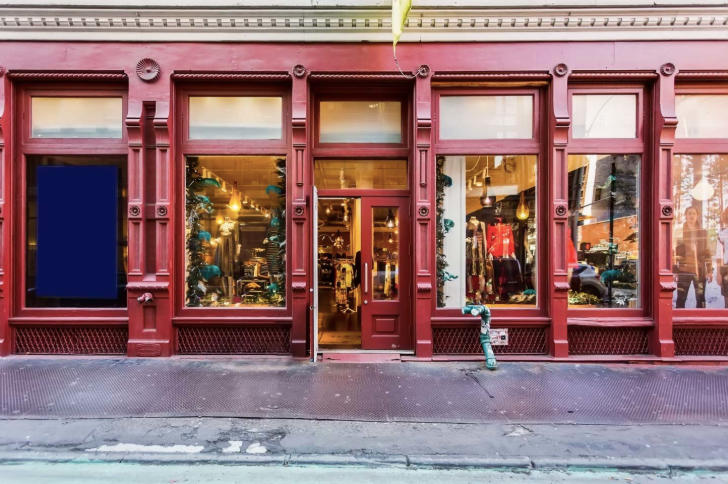
Christmas combines two powerful forces for retail: high consumer spending and a festive atmosphere that encourages discovery and impulse purchases.
A pop-up store fits perfectly into this environment because it is designed to be temporary, experiential, and highly visible.
Some of the most common reasons brands launch holiday pop-ups include:
- taking advantage of peak seasonal foot traffic
- creating memorable brand experiences
- launching seasonal or limited-edition products
- testing new locations before committing to long-term leases
- building buzz through social media and press coverage
Because pop-up stores only exist for a limited time, they naturally create a sense of urgency. Customers know the experience won’t last forever, which can encourage them to visit and purchase before the store disappears.
Why Christmas Is the Biggest Season for Pop-Up Retail
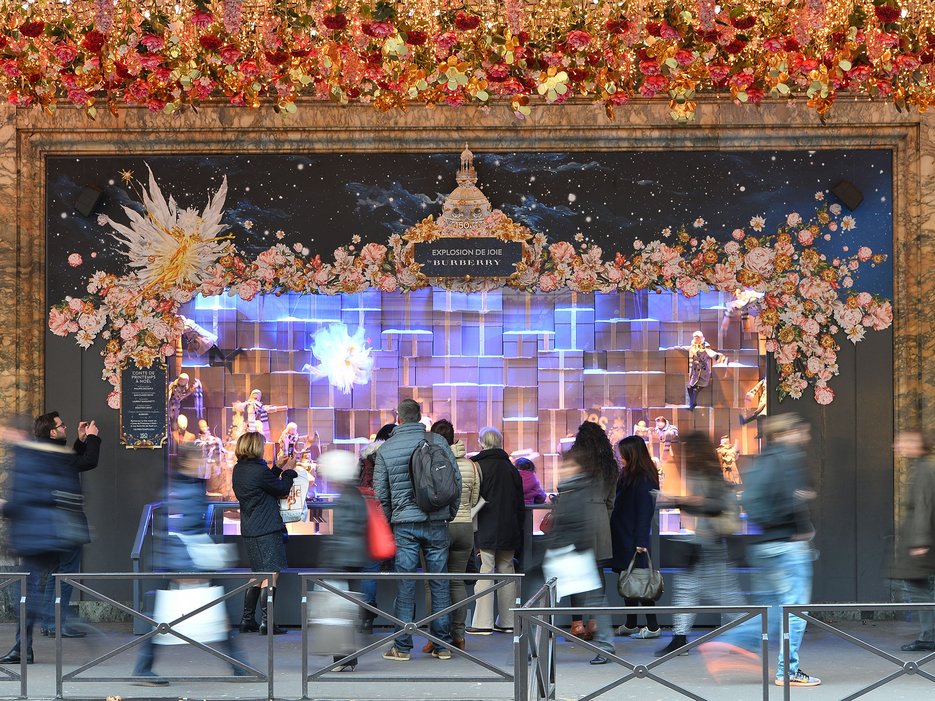
Retailers plan for the holiday season months in advance because the potential upside is enormous.
The November–December holiday period consistently represents a significant share of annual retail spending across North America and Europe. Cities become full of shoppers visiting Christmas markets, seasonal attractions, and major shopping streets.
For brands, launching a pop-up store during the holidays offers several advantages.
Lower risk than a permanent store
Because a pop-up operates for only a few weeks, it requires a smaller commitment than a long-term lease. Brands can test a location, product range, or retail concept without making a permanent investment.
Seasonal storytelling opportunities
Christmas offers endless opportunities for creative retail design. Festive decorations, immersive displays, and themed product launches can turn a simple shop into a memorable brand experience.
Built-in consumer demand
Shoppers are actively looking for gifts, seasonal products, and unique experiences. A well-designed pop-up store can capture this demand while creating lasting brand impressions.
Christmas Pop-Up Shop Ideas

Brands approach Christmas pop-up retail in many different ways. The most successful holiday pop-ups often combine festive storytelling with an experience that encourages visitors to explore, share, and purchase.
Here are several concepts that work particularly well during the holiday season.
Gift-focused pop-up shops
Many brands launch temporary stores dedicated entirely to holiday gifting. These pop-ups typically feature curated product bundles, personalised items, and exclusive holiday collections.
By simplifying the gift-buying process, these stores make Christmas shopping easier for customers while showcasing the brand’s products in a festive setting.
Experiential holiday activations
Some brands use Christmas pop-ups primarily as marketing experiences rather than traditional stores.
These spaces may include:
- immersive themed environments
- interactive installations
- photo-friendly displays designed for social media
Experiential pop-ups are particularly effective for generating organic online exposure during the festive season.
Product testing showrooms
Digital-first brands often use pop-ups as temporary showrooms where customers can try products before purchasing them online.
This approach allows brands to combine the efficiency of e-commerce with the emotional impact of physical retail.
Personalized retail experiences
Personalization works particularly well during the holiday season. Brands can offer custom packaging, engraving, monogramming, or build-your-own product experiences that transform standard products into unique gifts.
Examples of Successful Christmas Pop-Up Shops
Many brands now launch Christmas pop-up shops to attract holiday shoppers and create memorable seasonal experiences. These stores can combine retail, entertainment, and storytelling to stand out during the busiest shopping period of the year.
Amazon’s Black Friday showroom
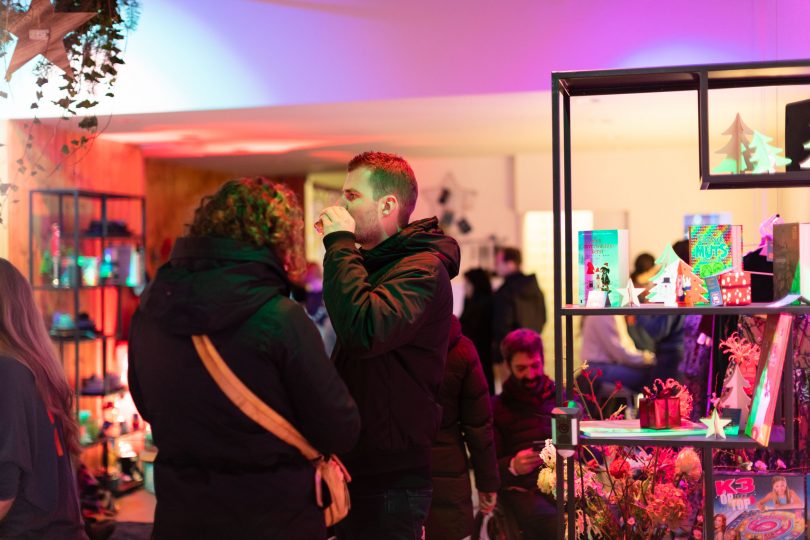
Amazon launched a pop-up experience showcasing its upcoming Black Friday deals before they went live online. The store was designed like a house, with different rooms dedicated to categories such as electronics, cosmetics, and toys.
Visitors could explore products, attend workshops, and test items before purchasing them through the Amazon platform. The pop-up allowed Amazon to create excitement around its holiday promotions while giving shoppers a physical way to experience the brand.
Quality Street’s personalised holiday pop-up
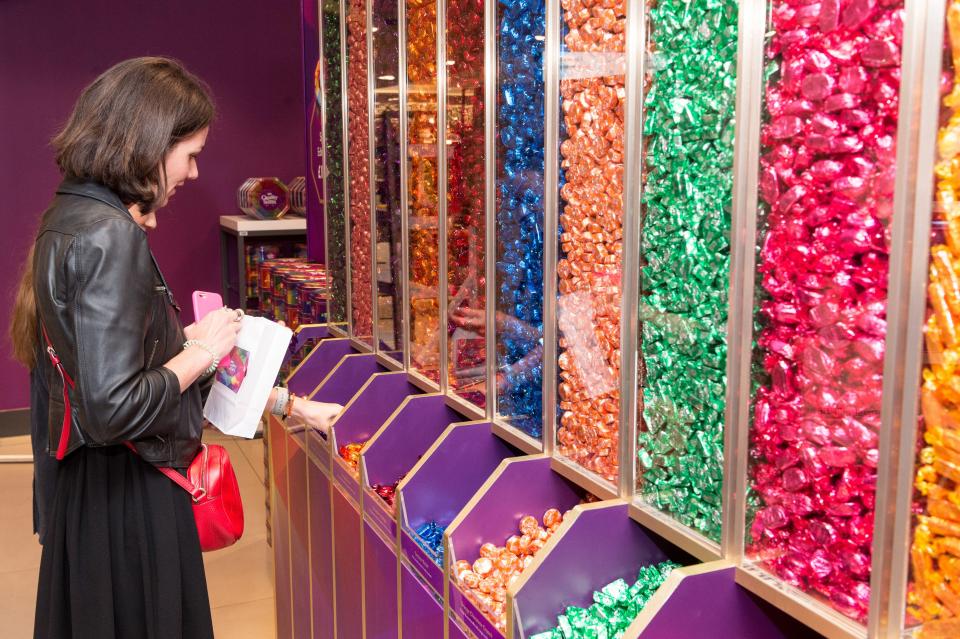
The confectionery brand partnered with John Lewis in London to create a pop-up experience where visitors could build their own personalised tins of Quality Street chocolates.
Customers could choose their favourite sweets and customise their packaging, turning a traditional Christmas product into a unique gift. The concept generated strong press coverage and attracted visitors looking for a distinctive seasonal experience.
Kowloon Dairy’s festive ice cream pop-up
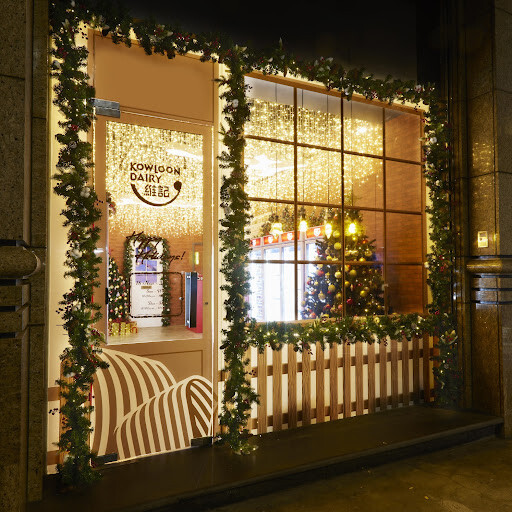
The iconic Hong Kong dairy brand launched a Christmas-themed pop-up offering seasonal ice cream flavours such as gingerbread and pumpkin spice.
The festive concept allowed the brand to connect with customers during the holiday period while introducing limited-edition flavours in a playful retail environment.
Read the full case study: Ice Cream Pop-Up Returns to Bring Festive Cheer
Mantidy’s holiday pop-up in London
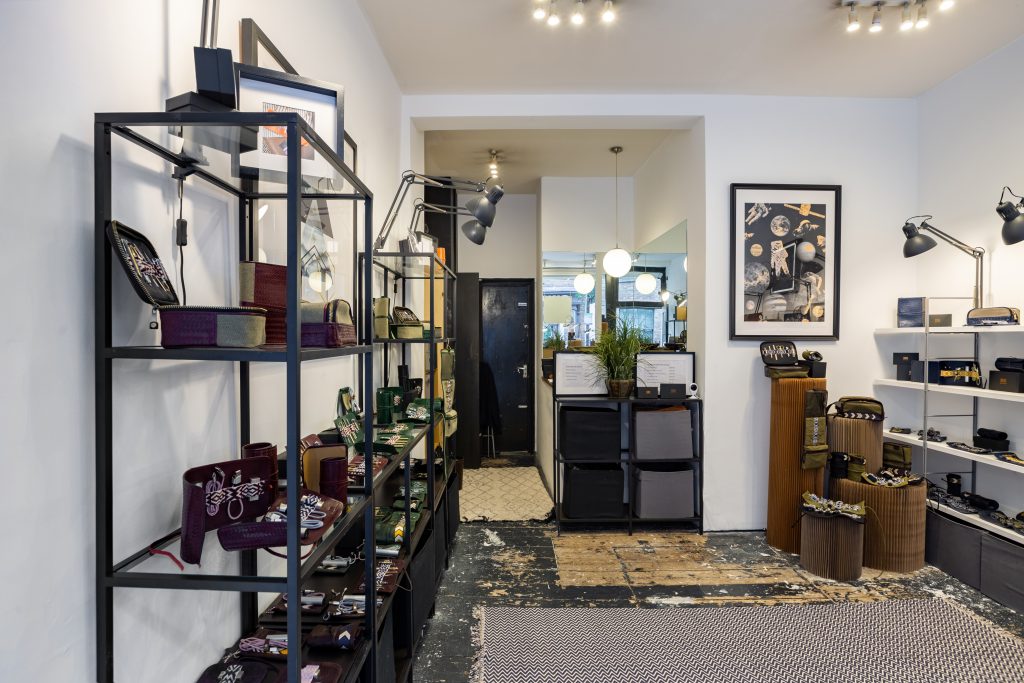
Lifestyle brand Mantidy opened a Christmas pop-up in Marylebone, one of London’s busiest shopping neighbourhoods.
The temporary store offered exclusive promotions, free personalisation, and gift-wrapping services tailored for holiday shoppers. Launching the store during the fourth quarter allowed the brand to take advantage of increased seasonal foot traffic.
Read the full case study: London-based lifestyle brand Mantidy launches pop-up in Marylebone
Wandertea’s festive pop-up in Paris
Tea brand Wandertea opened a cosy holiday pop-up in the Saint-Germain-des-Prés district of Paris.
Created by influencer Caroline Receveur, the temporary store allowed customers to discover the brand’s products in person during the festive period and created a warm, seasonal atmosphere designed for gifting.
Read the full case study: Wandertea holiday pop-up store
How to Launch a Christmas Pop-Up Shop
Launching a seasonal store requires preparation, but the short-term nature of pop-ups allows brands to move quickly. If you’re new to temporary retail, our guide on how to open a pop-up store explains the process step by step.
Start planning early
Brands typically begin planning their Christmas activations several months in advance. However, even if the season is approaching quickly, it’s still possible to launch a successful seasonal activation. Our guide to last-minute holiday pop-up stores explains how brands can quickly create temporary retail experiences during the festive season.
Securing a location, designing the store concept, and coordinating marketing campaigns all require time. Budget planning is another important step when launching a temporary store. Our guide to pop-up shop budgets explains the typical costs involved.
Choose the right location
High-foot-traffic shopping districts are typically the most effective locations for seasonal stores. Areas known for retail, tourism, and holiday events often attract the largest crowds.
Promote the experience
Holiday shoppers plan their visits in advance, so promotion is essential. Social media campaigns, influencer partnerships, and local press coverage can help generate excitement before opening day.
Promotion is essential for seasonal retail success. Brands often combine social media campaigns, influencer partnerships and local press outreach. You can explore more tactics in our guide to pop-up shop marketing.
Find the Perfect Space for a Christmas Pop-Up Shop

The location of a pop-up store can have a major impact on its success. High streets, shopping districts, and neighbourhoods with strong retail ecosystems typically attract the largest number of holiday shoppers.
Storefront makes it easy for brands to discover and rent short-term retail spaces in major cities around the world. You can browse available spaces on the Storefront marketplace.
Brands planning a holiday activation often choose busy shopping districts with high seasonal foot traffic. Popular destinations include pop-up spaces for rent in London, pop-up spaces for rent in Paris, and pop-up spaces for rent in New York.
Brands planning a Christmas pop-up can browse available retail spaces in cities such as:
- New York
- London
- Paris
- Milan
- Los Angeles
- Chicago
Seasonal retail activations aren’t limited to Christmas. Many brands also launch temporary stores during Halloween or continue their retail strategy after the holidays with after-Christmas pop-up shops designed to sell remaining seasonal inventory.
Christmas Pop-Up Shop FAQ
What is a Christmas pop-up shop?
A Christmas pop-up shop is a temporary retail store that operates during the holiday season, typically between November and December. These short-term stores allow brands to sell seasonal products, launch holiday collections, and create immersive retail experiences during one of the busiest shopping periods of the year.
When should a Christmas pop-up shop open?
Most Christmas pop-up shops open between late November and early December, often around Black Friday or the start of the holiday shopping season. Opening early allows brands to capture gift shoppers and take advantage of peak retail foot traffic.
How long do Christmas pop-up shops last?
Christmas pop-up stores typically operate for two to eight weeks, depending on the brand’s strategy and location. Some brands launch short activations lasting only a few days, while others keep their temporary store open throughout the entire holiday season.
Where should you open a Christmas pop-up shop?
The most successful Christmas pop-up shops are usually located in high-foot-traffic shopping districts, tourist areas, or neighbourhoods known for retail and entertainment. Popular locations include major shopping streets, holiday markets, and busy city centres.
Why do brands launch holiday pop-up stores?
Brands use Christmas pop-up shops to:
- increase holiday sales
- create memorable brand experiences
- test new retail locations
- launch seasonal products
- generate media and social media buzz
Because pop-up stores are temporary, they allow brands to experiment with physical retail without committing to long-term leases.

- Christmas Pop-Up Shops: Ideas, Examples and Holiday Retail Strategy - March 4, 2026
- How Much Does It Cost to Rent an Art Gallery? - February 26, 2026
- Shoreditch Neighborhood London Guide: London’s Hipster Hangout and Pop-Up Capital - February 26, 2026
Related posts:
 What is a pop-up shop? Everything you need to know to try short-term retail
 How to Set Up a Pop-Up Art Gallery: 8 Steps to Renting and Launching Your Exhibition
 10 Best Tips For Offline Retail Campaign Ideas
 The 5 Types of Pop-Up Shops (With Examples) & How to Choose the Right One
 How to set up a pop-up shop in 6 stages. Set yourself up for success with this handy checklist