

As digital fashion brands mature, many discover that physical retail isn’t a replacement for e-commerce — it’s an amplifier.
The Cherry Moon, a curated fashion e-tailer known for showcasing luxury and independent designers, embraced this strategy by opening a pop-up store on King’s Road in Chelsea. The short-term retail space marked the brand’s first step into brick-and-mortar, creating an opportunity to connect designers and customers in a more immersive way.
Located in one of London’s most prestigious shopping destinations, the pop-up allowed The Cherry Moon to test physical retail while strengthening its community and brand presence. (If you’re exploring the area for your own activation, our Chelsea neighborhood guide highlights why King’s Road remains one of London’s most strategic retail corridors.)
Storefront spoke with co-founder Elisha Carter about why the brand decided to pop up, how they curate designers, and what they learned from stepping into physical retail.
Why Go from Online to Offline?
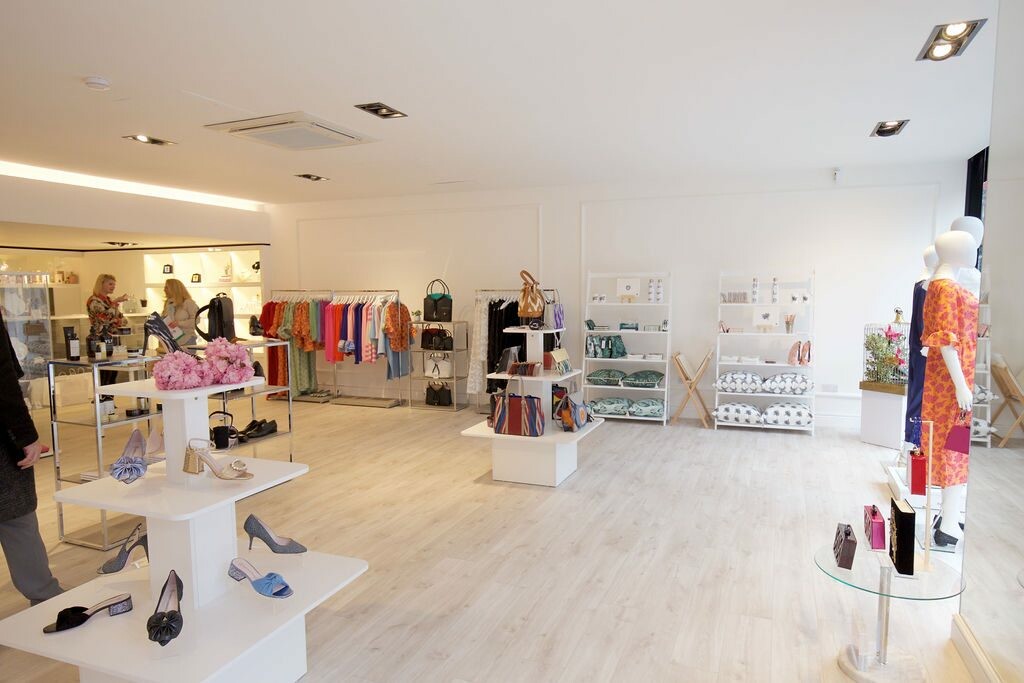
Storefront: Why did The Cherry Moon decide to pop up?
The Cherry Moon:
“We decided to have a concept store to complement our platform because we’ve had interest from international designers asking if they could find pop-up stores to have their designs stocked in. The idea was to open a physical store to showcase their products, as many of these designers are not known on the High Street. Plus, people want to go into a store and try things on before buying!
It also gives shoppers the opportunity to see the items we have stocked online. They’ll see it and say, ‘OK, maybe I’ll buy it online!’ This gives customers trust — they know exactly what they’re buying and the quality of it.”
For many digitally native brands, trust and tactility remain essential. A pop-up allows customers to experience quality, fit, and styling firsthand — reducing hesitation and strengthening brand credibility.
Curating Designers with a Story
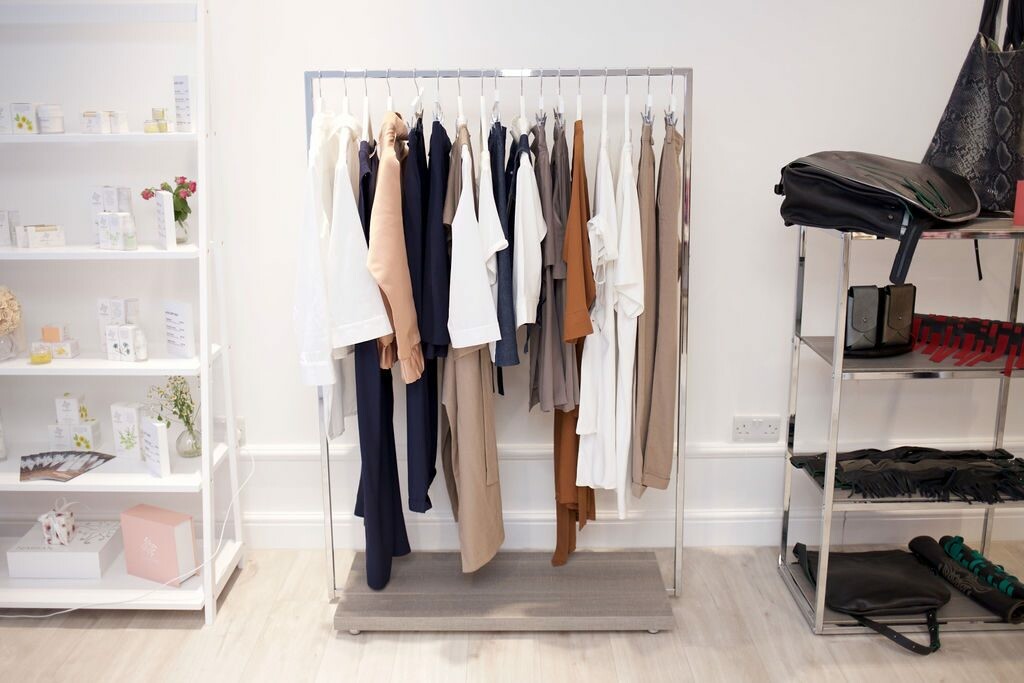
How do you choose the designers you feature online?
“I look for designers that will fit well on our platform; usually ones that have something different. It’s about their brand story, concept, and image — not just what they’re selling. I’ll go to trade events, find them through Instagram, or some approach me as well. We’re more selective now, since we don’t want thousands on our platform.”
Curation is central to The Cherry Moon’s identity. Rather than operating as a marketplace with endless listings, the platform focuses on distinct voices and compelling narratives — a strategy that translates seamlessly into a physical environment.
Testing Products in a Pop-Up Format
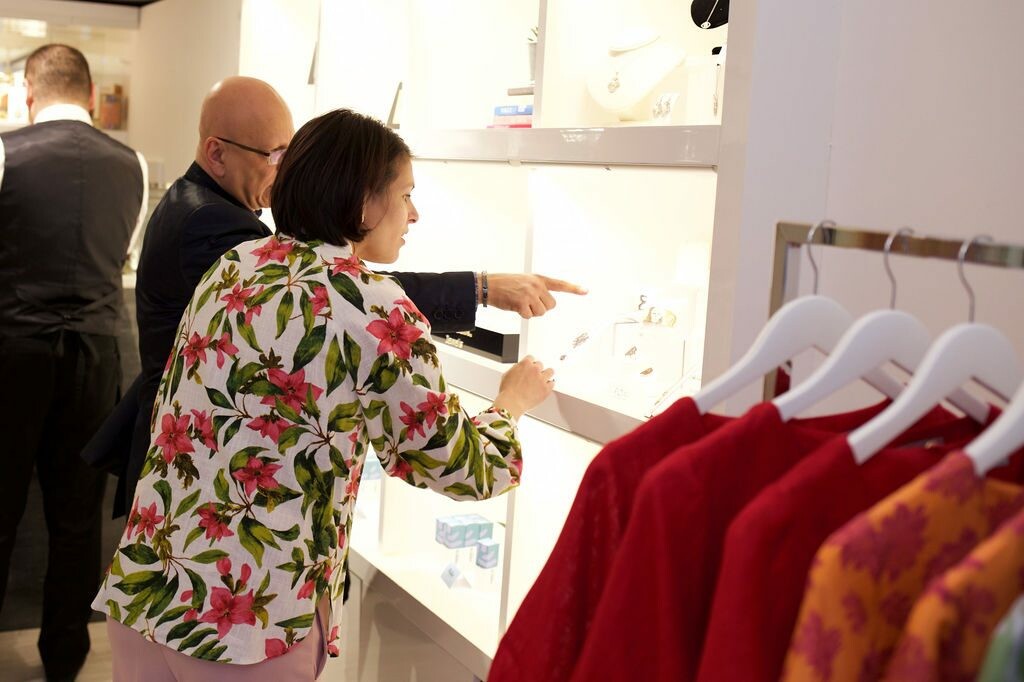
How did you choose the designers and products featured in-store?
“For the designers showcasing with us in-store, I go through their products online and choose what I think would suit or sell. I pinpoint the best sellers. I usually start with limited pieces to see how they sell, and then we add more as they go. This gives consumers a taste of what’s available and more to discover each time.”
The short-term format makes experimentation possible. Designers can test demand, gather customer feedback, and refine assortments without long-term retail commitments — one of the major advantages highlighted in our broader London pop-up shop guide.
More Than a Store: A Community Concept
Can you explain the pop-up concept?
“We envision our store as a place for designers to host launches, fashion presentations, or events around topics they want to make noise about, such as sustainability or social issues. We also want major brands to come into the store and offer customers incentives and complimentary services — moments that aren’t normally stocked in-store.”
The space was designed to feel welcoming and experiential:
“The visuals are going to be pretty and Instagrammable. We’re adding things like a swing and a small tea bar. We’re offering a VIP experience as well. We want shoppers to sit down, take a picture, have coffee or tea, and feel at home while they’re shopping.”
By blending retail with hospitality and events, The Cherry Moon transformed the pop-up into a destination — not just a point of sale.
Why Chelsea?
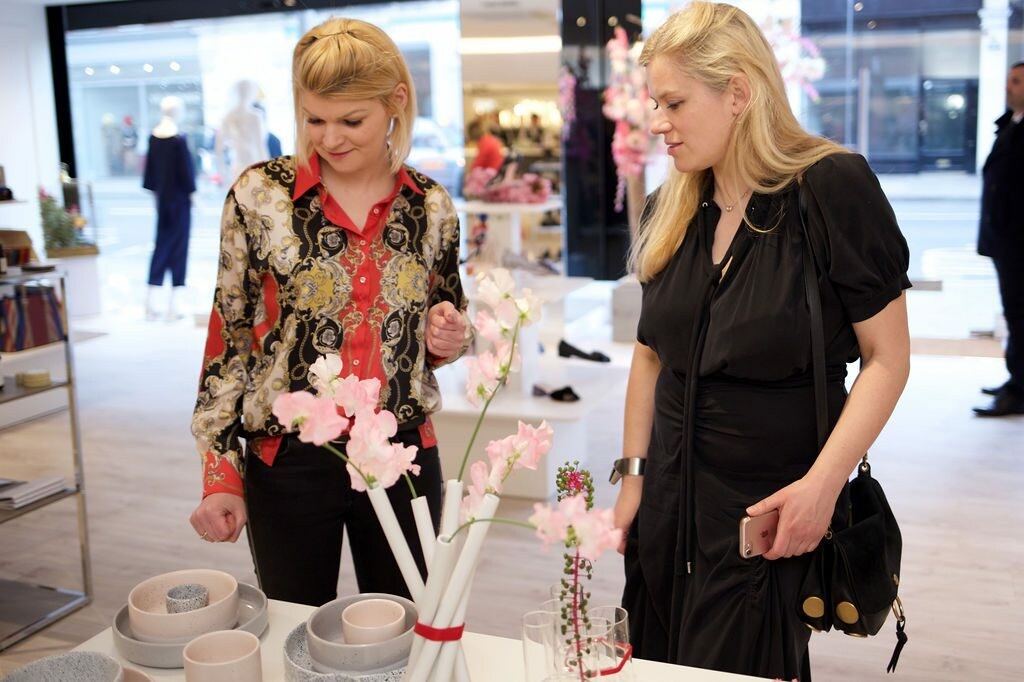
What do you love about the pop-up space?
“I love this space. The window display is stunning, and the contemporary, clean, simple design is fantastic. We didn’t want to lose that airy, minimal look. Even though we can accommodate many designers, we still want to keep the space elegant.
It’s located in such a prime area, surrounded by prestigious brands — and those customers are our customers since they’re going to walk past.”
Chelsea, and specifically King’s Road, offers a rare combination of affluent local shoppers, international visitors, and established luxury neighbors. For emerging brands looking to elevate perception while accessing high-spending foot traffic, the neighborhood provides strong positioning.
The Power of Pop-Ups for Digital Brands
The Cherry Moon’s activation highlights several broader lessons for e-commerce brands:
- Physical retail builds trust and brand credibility
- Pop-ups allow product testing with reduced risk
- Community-driven events extend beyond transactions
- Prime neighborhoods elevate brand perception
For online retailers considering physical expansion, short-term retail in high-impact areas like Chelsea can serve as both a marketing engine and a revenue channel — all without the long-term commitment of a permanent store.
If you are a DTC or Ecommerce brand considering running a pop-up store of your own check out our pop-up shop guide for DTC brands.
Ready to book a pop-up shop in Chelsea? Explore available spaces and start planning your activation today.

- How Knotel Used a Pop-Up Showroom in New York to Demonstrate Its Agile Office Concept - March 11, 2026
- How Amnesty International Used a Pop-Up Store in Amsterdam to Launch the “World Peace” Campaign - March 10, 2026
- How Brands Use Pop-Up Spaces During Art Basel Miami to Reach Global Audiences - March 10, 2026
Related posts:
 How Bloom & Wild Used a Pop-Up Store in London’s Mayfair District to Grow Its Brand
 Kodak Launches Experiential Pop-Up Store in London’s Soho
 How Carlo Felice Introduced Its Luxury Womenswear With a Pop-Up Shop in Chelsea
 How Button & Wilde Used a Pop-Up Shop in Soho to Showcase Personalised Products
 How Dr. Hauschka Celebrated Its 50th Anniversary With a Pop-Up Shop in London