Fashion has always relied on physical experience. Texture, movement, color and atmosphere cannot be fully translated through a screen. As ecommerce reshaped retail, pop-up stores emerged as a way for fashion brands to reconnect with customers in immersive, temporary environments.
Today, pop-ups are no longer side experiments. They are strategic tools used to launch collections, test cities, align with cultural moments and strengthen omnichannel performance.
For a broader look at how different sectors approach temporary retail, see our guide to pop-up shop strategies by industry.
Here is how the fashion industry is using pop-ups effectively.
Leveraging Established Retail Ecosystems
Department stores and high-footfall shopping districts have become prime testing grounds for fashion pop-ups.
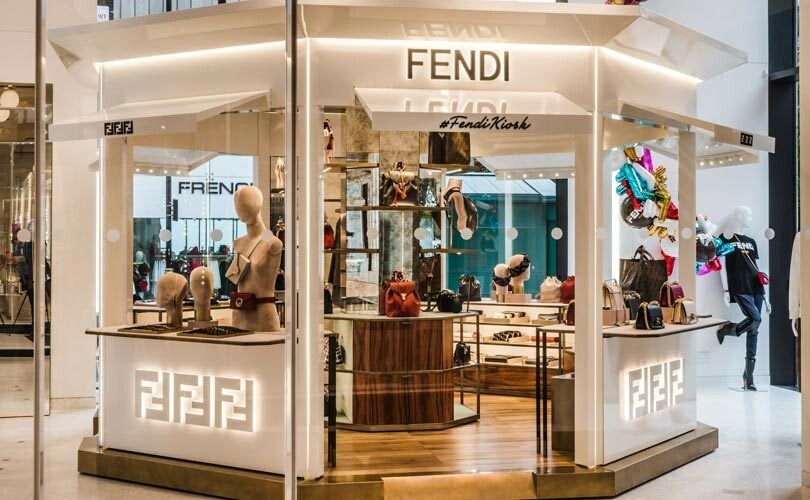
Selfridges in London has consistently used rotating pop-up concepts to drive traffic and maintain cultural relevance. When Fendi took over its Corner Shop space, the activation went beyond merchandising. The store paid homage to Rome through themed kiosks and experiential touches such as calligraphy stations and curated food elements. The collection launch felt like an event, not simply a retail drop.
By partnering with established retail ecosystems in cities like London, Paris and New York, fashion brands gain immediate visibility while offering host venues fresh energy and traffic.
Pop-ups in these environments allow brands to test physical presence without committing to long-term leases — particularly useful when entering new markets.
Bridging Catwalk and Consumer Through Omnichannel Strategy
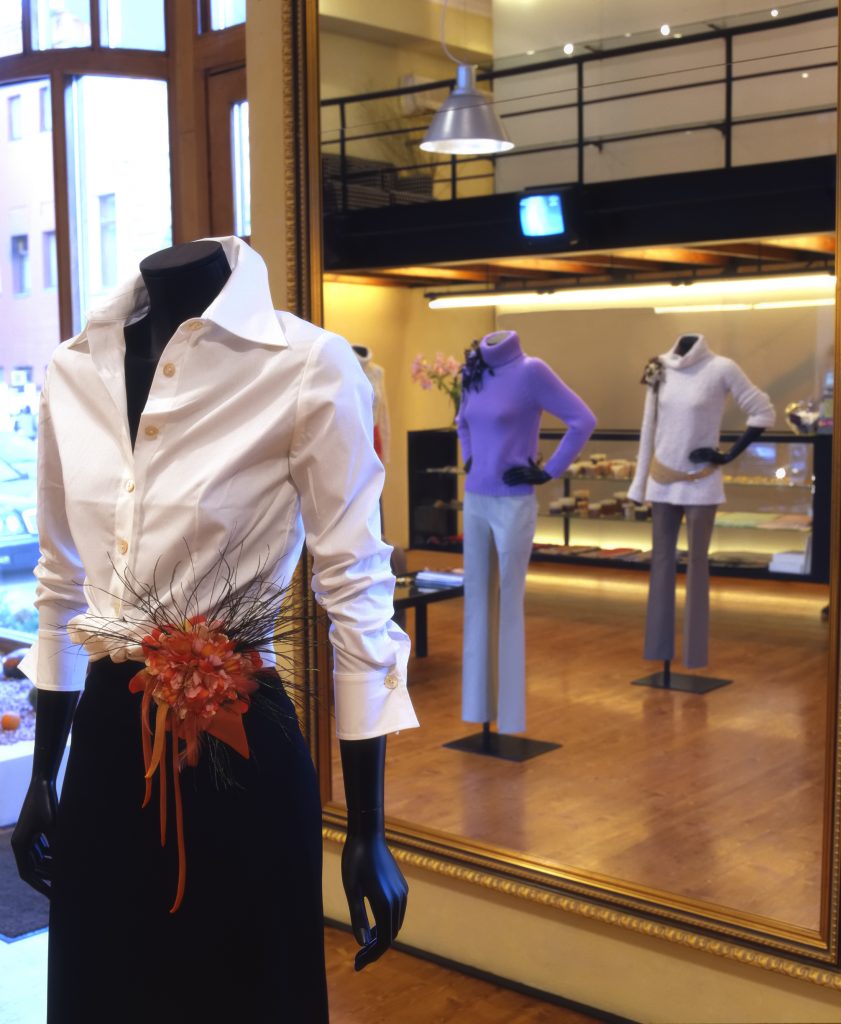
One of fashion’s long-standing challenges has been shortening the gap between runway and retail.
Pop-up stores help solve this.
When Rihanna launched Savage x Fenty collections, pop-up activations allowed immediate consumer access following runway moments. Customers could experience the collection physically while it was simultaneously available online.
This integration of digital and physical retail reflects a wider shift toward omnichannel strategy — where online traffic, social media buzz and physical retail reinforce each other.
For brands operating across ecommerce and physical retail, pop-ups often act as the bridge between the two. Our complete guide for digitally native brands explores this further: The Complete Guide to Ecommerce & DTC Brands Opening Pop-Up Shops
Personalization as a Traffic Driver
Fashion pop-ups frequently incorporate customization to create exclusivity and increase conversion.
Footwear brand Arche, for example, offered personalized versions of iconic designs during its New York activation. Allowing customers to customize familiar silhouettes created urgency and differentiated the temporary space from traditional retail.
Customization works particularly well in temporary retail because it reinforces scarcity. Customers understand the opportunity is limited — both in time and format.
This personalization strategy is closely tied to experiential retail principles. Temporary spaces allow brands to create interaction, not just transaction. You can explore how experiential design drives engagement in our analysis of experiential retail case studies.
Concept-Driven Retail Environments
Unlike permanent stores, pop-ups do not need to serve every season or product line. They can focus entirely on a single concept.
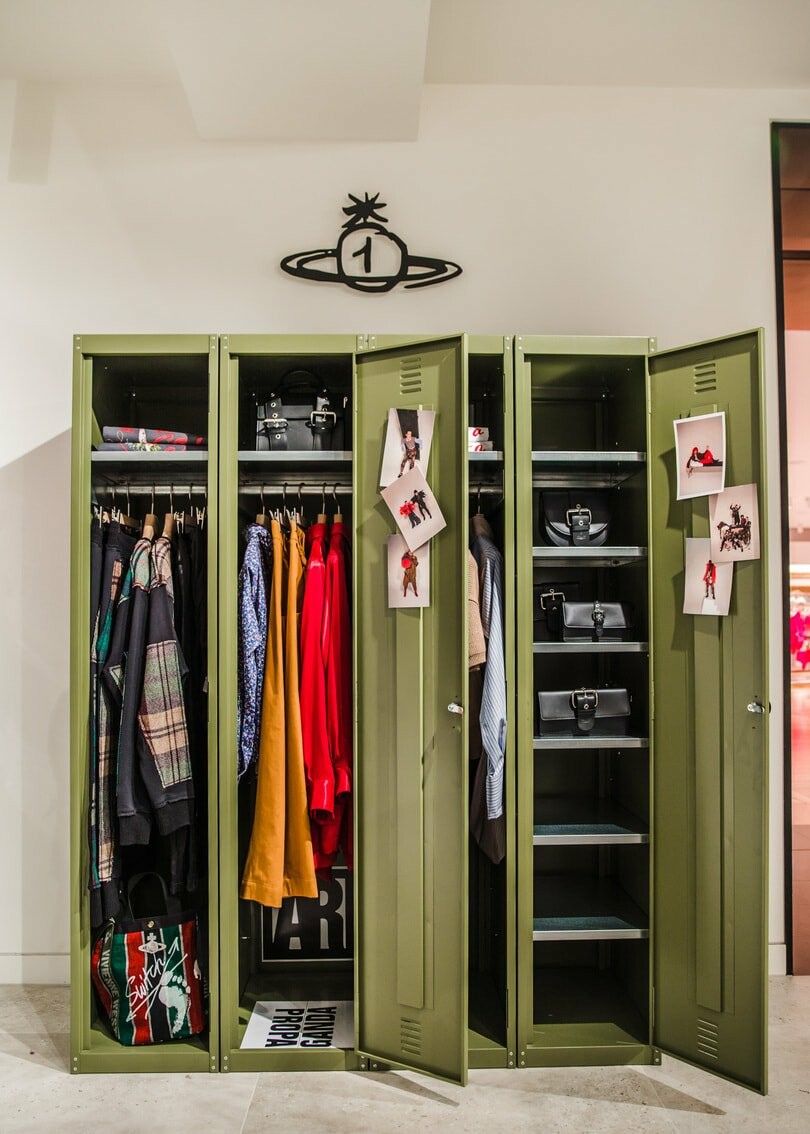
Vivienne Westwood’s military-inspired activation is a clear example. The space mirrored the political and environmental themes of the collection, transforming the retail environment into a narrative extension of the garments themselves.
This is where design becomes central. Lighting, layout, materials and spatial storytelling all contribute to perception. Fashion pop-ups that invest in concept-driven design typically generate stronger press coverage and social engagement.
For brands refining this approach, our guide to pop-up store design outlines how layout and atmosphere influence performance.
Fashion Week and Strategic Timing
Fashion pop-ups often align with major industry events.
Cities such as Paris, Milan, London and New York see heightened demand for short-term retail during Fashion Week periods. Brands use pop-ups to:
- Introduce capsule collections
- Host buyer previews
- Engage press and influencers
- Create showroom-style environments
For brands specifically targeting these moments, dedicated Fashion Week showroom spaces are available in key cities including Paris Fashion Week showroom spaces, London Fashion Week showroom spaces, Milan Fashion Week showroom spaces and New York Fashion Week showroom spaces.
Timing remains one of the most important variables in fashion pop-up success. Aligning with cultural moments — whether Fashion Week, sporting events or seasonal transitions — can significantly amplify visibility.
Why Fashion Continues to Rely on Pop-Ups
Fashion brands face constant pressure to innovate while maintaining exclusivity.
Pop-up stores offer:
- Market testing without long-term leases
- Concept-driven retail environments
- Immediate connection between digital and physical
- Personalized, interactive customer experiences
- Press and influencer visibility
As competition increases and consumer expectations evolve, temporary retail has become one of fashion’s most adaptable strategic tools.
For fashion brands planning their next launch, collection drop or market expansion, pop-up stores provide the flexibility and cultural relevance permanent retail often cannot match.
Frequently Asked Questions About Fashion Pop-Up Stores
Why do fashion brands open pop-up stores?
Fashion brands use pop-up stores to launch collections, test new markets and create immersive brand experiences. Temporary retail allows brands to generate buzz, align with cultural moments such as Fashion Week and engage customers in ways that online retail alone cannot.
Are pop-up stores effective for Fashion Week?
Yes. Pop-up stores are commonly used during Fashion Week to host buyer previews, influencer events, capsule drops and showroom-style presentations. Because demand is concentrated in cities like Paris, London, Milan and New York, short-term spaces offer flexibility without long-term lease commitments.
How long should a fashion pop-up store run?
Most fashion pop-ups run from a few days to several weeks. The ideal duration depends on the objective. Collection launches and Fashion Week activations may last under two weeks, while market-testing pop-ups may run longer to gather performance data.
Do fashion pop-ups increase online sales?
They often do. Physical activations can drive online traffic, social engagement and repeat purchases. Customers who interact with a brand in person tend to show stronger brand recall and higher lifetime value.
What cities are best for fashion pop-up stores?
Major fashion capitals such as Paris, London, New York and Milan are strong choices due to foot traffic, media presence and established retail ecosystems. Emerging creative hubs may also perform well depending on the brand’s target audience.

- Before and After: 3 Pop-Up Store Transformations That Bring Spaces to Life - March 18, 2026
- Offline Marketing Ideas for Pop-Up Shops - March 18, 2026
- How to Promote a Pop-Up Shop on Social Media - March 18, 2026