

Foot traffic is one of the clearest measures of pop-up success. The more people who walk through your doors, the more opportunities you create for sales, brand awareness, content creation, and long-term customer acquisition.
If you’re planning your activation, start with our complete guide on how to open a pop-up store to align your goals, budget, and timeline. Once those fundamentals are in place, the next challenge is execution: how to increase footfall in retail consistently and cost-effectively.
This guide breaks down practical strategies you can use to increase foot traffic in a retail store before, during, and after your pop-up launch.
1. Start with the Right Location
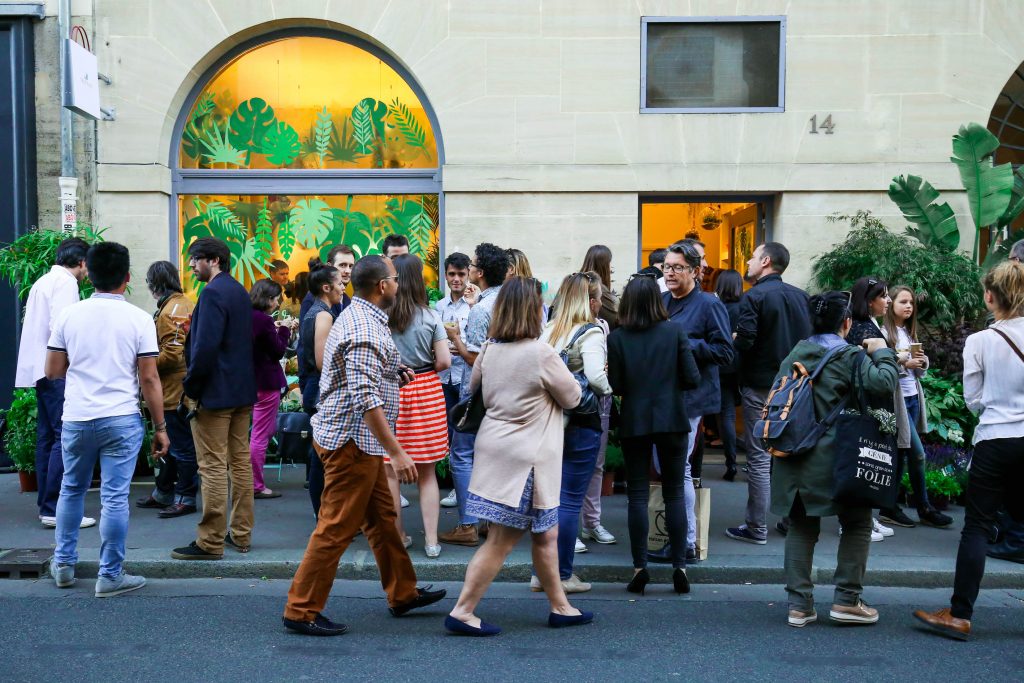
The easiest traffic generation retail strategy is choosing a space that already benefits from strong pedestrian flow.
High-traffic streets reduce the amount you need to spend on marketing because visibility does part of the work for you. When evaluating potential spaces, consider:
- Average daily footfall (weekday vs. weekend)
- Proximity to transport hubs
- Nearby anchor tenants and cafés
- Street visibility and window exposure
- Natural pedestrian flow patterns
If you’re launching in a major retail city, explore high-density retail areas such as:
- Retail spaces in Paris
- Retail spaces in London
- Retail spaces in New York
- Retail spaces in Miami
- Retail spaces in Amsterdam
- Retail spaces in Chicago
- Retail spaces in Milan
Prime streets are not the only option. Side streets can perform well if your marketing strategy is strong and your storefront makes an impact. The key is aligning location with your target audience and activation goals.
If you’re still finalising costs, review your projected pop-up shop budget before committing.
2. Build Pre-Launch Momentum
One of the most overlooked answers to how to increase foot traffic in a retail store is simple: start promoting earlier.
A successful pop-up should begin generating awareness at least three to four weeks before opening. Your launch timeline should include:
- Teaser announcements
- Email countdown campaigns
- Social media previews
- Influencer invitations
- Geo-targeted paid ads
Pop-ups benefit from urgency. Make your limited duration clear in every piece of communication.
For a deeper breakdown of launch campaigns and promotional strategy, see our guide on how to market your pop-up store.
3. Use Geo-Targeted Advertising to Drive Local Traffic
Because pop-ups are location-dependent, your marketing should be too.
Geo-targeted advertising allows you to:
- Target people within walking distance
- Focus on specific neighbourhood demographics
- Retarget website visitors in the local area
- Promote limited-time offers
This approach is one of the top traffic generation retail methods for short-term activations. Instead of broad national campaigns, concentrate your spend around your physical location.
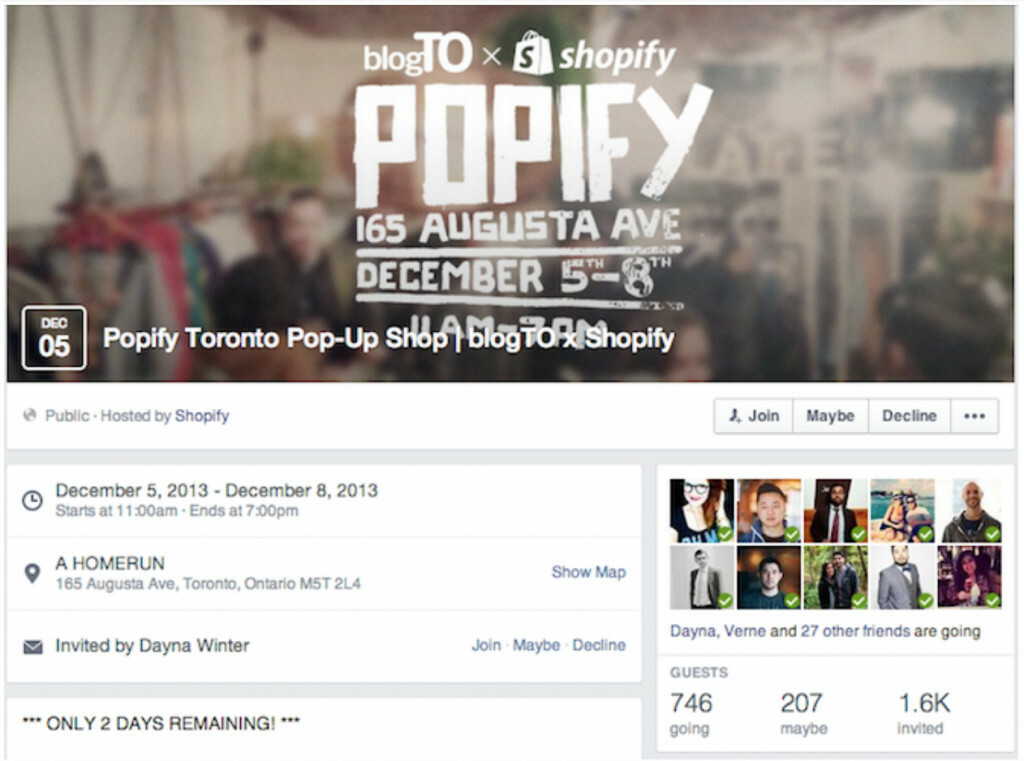
Here’s an example: Popify, a pop-up store hosted by blogTO and Shopify located in Toronto created a Facebook event page and were able to reach close to two-thousand potential customers just from the event page.
4. Collaborate with Local Influencers and Community Partners
Influencer marketing is especially effective for temporary retail.
Rather than focusing purely on follower count, prioritise:
- Local creators with strong engagement
- Influencers aligned with your niche
- Community leaders or creative collectives
Invite them to preview events or exclusive product launches. Authentic, in-person content often generates stronger results than generic sponsored posts.
Community partnerships can also increase footfall. Consider collaborating with nearby cafés, gyms, galleries, or complementary brands to cross-promote events.
5. Make Your Storefront Impossible to Ignore
If you’re researching how to increase footfall in retail, remember that the storefront itself is your first conversion tool.
From the outside, your pop-up should communicate:
- What you sell
- Why it matters
- Why it’s time-sensitive
Strong lighting, clear signage, and an uncluttered entrance make an immediate difference. Even a simple street-facing easel sign can redirect pedestrian traffic.
Your storefront should answer the question, “Why should I go in?” within seconds.
6. Create a High-Impact Window Display
An effective window display increases walk-ins dramatically.
Focus on:
- A clear focal product
- A cohesive theme
- Strong visual contrast
- Clean, minimal storytelling
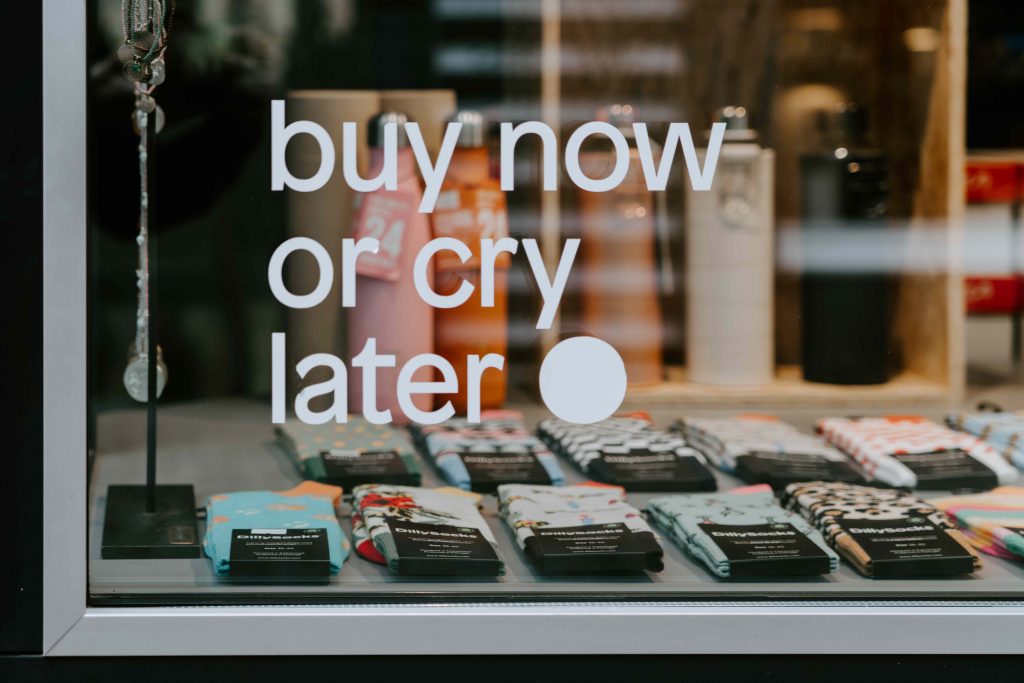
Avoid overcrowding. Clarity converts better than complexity.
If your pop-up lasts more than a few days, refresh your window mid-activation to capture repeat passersby. If you’re unsure how long your activation should run, review our guide on how long a pop-up shop should last.
7. Offer Something Exclusive
Urgency is one of the strongest drivers of foot traffic.
To increase retail footfall, consider offering:
- Limited-edition products
- In-store-only discounts
- Exclusive collaborations
- Live demonstrations
- Workshops or events
Scarcity drives action. Make it clear that the experience or product is not available online or elsewhere.
Pop-ups work because they combine retail and experience. If you’re new to the concept, read what exactly is a pop-up shop to understand why temporary retail creates urgency so effectively.
8. Encourage Word-of-Mouth and User-Generated Content
Foot traffic compounds when visitors promote your space.
Encourage sharing by:
- Creating a clear branded hashtag
- Designing photo-friendly moments
- Running referral incentives
- Offering giveaways for tagged posts
Offline visibility feeds online awareness, which in turn drives more in-store visits. This loop is central to modern retail traffic generation.
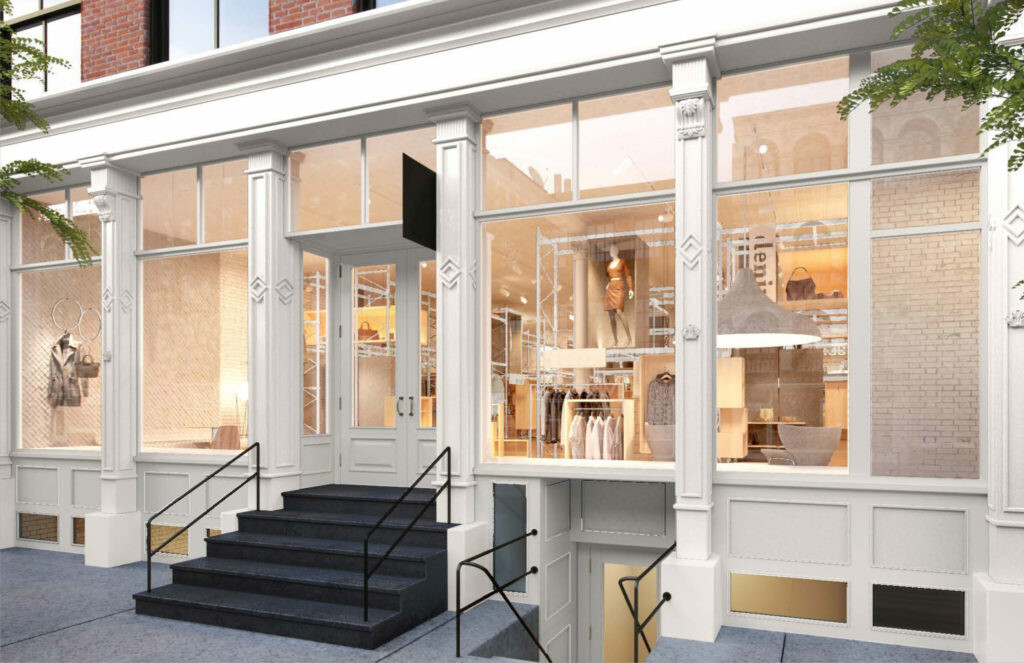
9. Design an Experience Worth Talking About
Driving traffic is only half the equation. Converting and retaining visitors is equally important.
To maximise results:
- Train staff to engage confidently
- Keep layouts intuitive
- Ensure checkout is seamless
- Create interactive product moments
- Collect email sign-ups onsite
Retailers who measure daily footfall, peak hours, and conversion rates gain better insight into what works. Tracking performance allows you to adjust campaigns in real time and refine your traffic generation strategy throughout the activation.
10. Align Duration, Budget, and Traffic Strategy
Your traffic strategy must align with how long you operate.
Short-term activations depend heavily on concentrated marketing and launch buzz. Longer pop-ups benefit from rotating events and sustained promotion.
Before launching, review:
- Your full plan in our guide to how to open a pop-up store
- Your projected pop-up shop budget (how much is it going to cost?)
- The ideal duration for your pop-up shop
When these elements are aligned, increasing foot traffic becomes far more predictable.
Conclusion: How to Increase Foot Traffic in a Retail Store That Lasts
There is no single tactic that guarantees success. The most effective approach to increasing footfall in retail combines:
- Strategic location selection
- Pre-launch momentum
- Localised marketing
- Visual impact
- Exclusive experiences
- Ongoing performance tracking
For brands serious about retail growth, pop-ups offer a powerful testing ground. When executed correctly, they generate more than temporary traffic — they create lasting brand presence and measurable commercial results.
If you’re ready to secure the right space for your next activation, search Storefront available retail locations in your target city and start planning your pop-up today.

- How Pandora Hosted a Press Day in Paris to Showcase Its New Collection - March 14, 2026
- How Bulletin Uses Pop-Up Stores to Build Its Brand in New York - March 13, 2026
- How MM.LaFleur Uses Pop-Up Stores to Grow Its Retail Strategy - March 12, 2026
Related posts:
 What is a pop-up shop? Everything you need to know to try short-term retail
 How to Set Up a Pop-Up Art Gallery: 8 Steps to Renting and Launching Your Exhibition
 10 Best Tips For Offline Retail Campaign Ideas
 The 5 Types of Pop-Up Shops (With Examples) & How to Choose the Right One
 How to set up a pop-up shop in 6 stages. Set yourself up for success with this handy checklist