

Deciding the right duration for your pop-up shop in London is one of the most strategic decisions you’ll make. The length of your activation affects cost, footfall, marketing momentum, inventory planning and ultimately whether the venture meets your brand goals. This guide explores how long a pop-up shop should run in London in 2026, given the city’s unique retail rhythms, tourist patterns and neighbourhood behaviours.
For the full end-to-end guide on launching a pop-up shop in London, see: How to Start a Pop-Up Shop in London.
1. Key Factors That Influence Duration
Objectives
Are you testing a product, building brand awareness, clearing inventory or prepping for a long-term retail presence? Each goal suggests a different timeframe.
Neighbourhood & Footfall Patterns
- In Soho and the West End, footfall is high even for short activations.
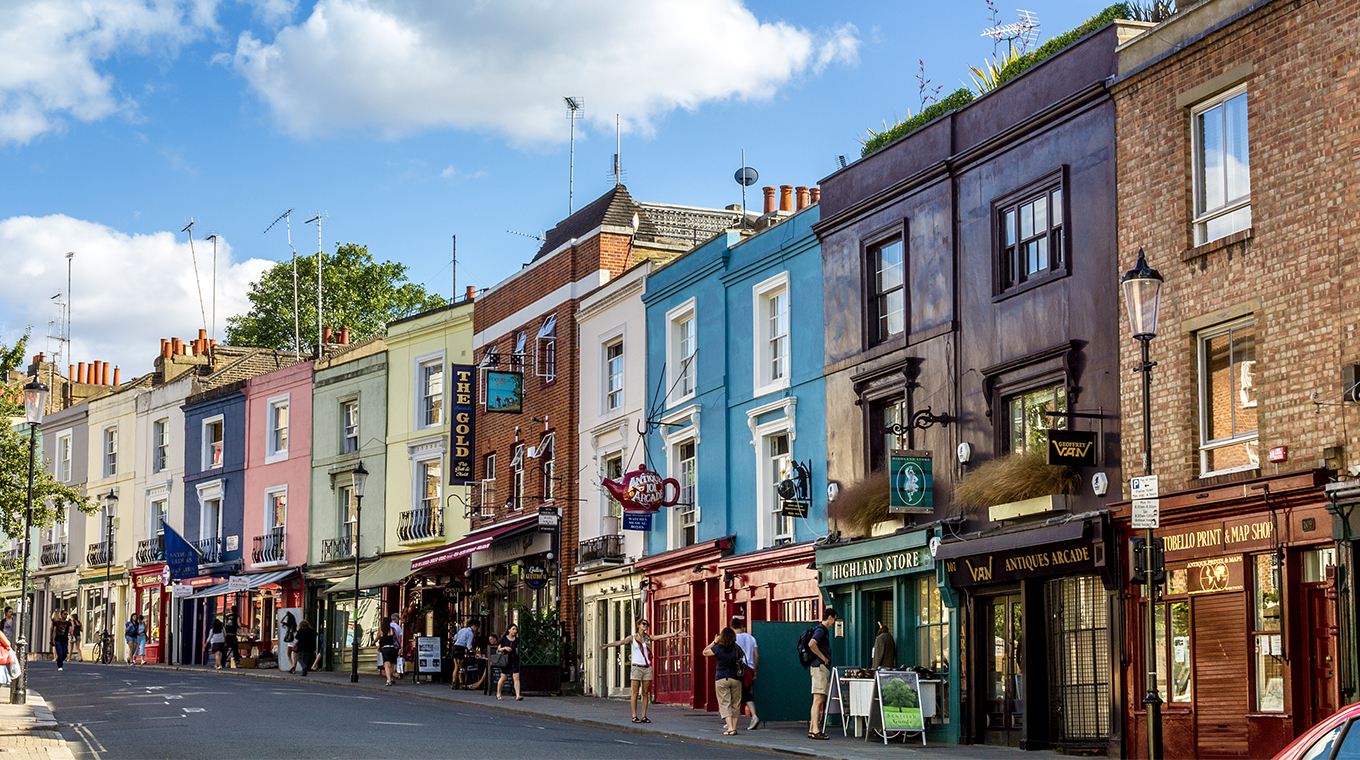
- In more residential or lifestyle areas like Marylebone or Notting Hill, longer duration may be required to build momentum.
Budget & Operational Resources
Shorter durations reduce rent and staffing costs but require rapid marketing activation. Longer runs allow you to amortise fit-out costs but incur higher rent and staffing commitments.
Seasonality & Events
In London, aligning with events—fashion week, Christmas, major festivals—can shorten or extend required duration. For example, a short activation during London Fashion Week may deliver as much as a longer run in a quieter season.
2. Duration “Sweet Spots” in London
Short-Term (1–7 days)
Best for product launches, limited-edition drops or high-buzz concepts. Works well in high-footfall zones like Shoreditch or Soho.
Pros: Lower cost, high urgency.
Cons: Limited customer penetration and fewer repeat visits.
Mid-Term (2–4 weeks)
Often the ideal balance. Enough time to build awareness, refine operations and allow word-of-mouth without excessive overhead.
Best in neighbourhoods such as Marylebone, Chelsea or Camden.
Long-Term (1–3 months)
Suitable for brand-building, market testing or establishing presence before committing to permanence. Requires ongoing refresh to keep momentum.
Better suited to areas with consistent footfall but less instant traffic, such as Battersea or Belgravia.
3. Neighbourhood-Specific Duration Recommendations
- Soho, Covent Garden, West End: 7–14 days may be sufficient.
- Shoreditch, Brick Lane, Hackney: 2–3 weeks recommended to reach local subs-culture audiences. Explore: Shoreditch retail spaces
- Marylebone, Chelsea, Notting Hill: 3–4 weeks enables lifestyle-audience engagement.
- Camden, Battersea, Belgravia: 4–8 weeks makes the most sense if budget allows.
4. Planning for Success Regardless of Duration
- Build a strong pre-launch marketing push (2–10 days ahead).
- Reserve a mid-run refresh (e.g., new product drop, event) if over two weeks.
- Monitor metrics daily: footfall, conversion, dwell time.
- Prepare a clear wrap-up phase—email capture, post-mortem data analysis, next-steps plan.
5. When to Extend (or Shorten) the Run
Consider extension if:
- Footfall and conversion rates exceed targets.
- You’re getting strong social or press coverage.
- Local partnerships are building traction.
Consider shortening if:
- Visitor numbers stagnate after first week.
- Stock is exhausted and replenishment cost is high.
- ROI projections show poor performance vs budget.
Final Thoughts
The right duration for your London pop-up shop is a strategic decision that should align with your objectives, budget and neighbourhood. While short bursts work for buzz, longer activations allow for deeper engagement and data gathering. In every case, treat the activation as a testing ground—monitor metrics closely and use what you learn to inform your next move.
Browse London’s available retail space on Storefront to find a location that fits your timeline: London retail spaces
Check out the full comprehensive guide to running a pop-up shop in London How to Start a Pop-Up Shop in London

- Seasonal Pop-Up Shops: Retail Ideas for Every Holiday and Occasion - March 5, 2026
- Mother’s Day Pop-Up Shops: Ideas, Examples and Retail Strategy - March 5, 2026
- Summer Pop-Up Shops: Ideas, Examples and Retail Strategy - March 5, 2026
Related posts:
 The Best London Neighbourhoods for a Pop-Up Shop (2026 Ranking)
 How to Start a Pop-Up Shop in London: A Step-by-Step Beginner’s Guide
 What is a pop-up shop? Everything you need to know to try short-term retail
 How to Set Up a Pop-Up Art Gallery: 8 Steps to Renting and Launching Your Exhibition
 10 Best Tips For Offline Retail Campaign Ideas