We use cookies and similar technologies to track your activity and improve your experience.
Sort by
Recommended
See on map

See on map

See on map

See on map
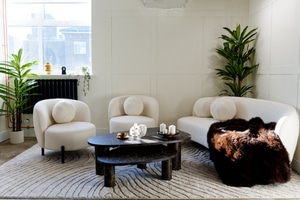
See on map

Art Gallery
∙
Chalk Farm
700 sq ft
from £480 per day
See on map

Meeting Space
∙
Greater London
1,615 sq ft
from £660 per day
See on map

Pop-Up Shop in Camden, London
Camden is one of London's most recognisable retail neighbourhoods, shaped by decades of market culture, independent fashion, and a steady flow of visitors drawn to its canal-side stalls. A pop-up shop in Camden, London puts brands in front of a young, trend-aware audience in a setting where shoppers arrive expecting to discover something new. Whether you are launching a label, testing a product line, or running a seasonal campaign, a pop-up store in Camden, London places you at the centre of one of the city's busiest weekend retail corridors.
Storefront lists short-term retail space in London and lets you filter by neighbourhood, price, and availability. Browse Camden venues and enquire directly with the host.
Why Camden Works for a Pop-Up Store
Camden Market is a group of adjoining market sites trading every day, and one of the most visited attractions in London. The audience is a mix of international tourists, students, and local residents who treat Camden High Street, Chalk Farm Road, and the canal towpath as a regular weekend circuit.
Three characteristics make Camden suited to temporary retail:
-
Market mindset. Camden's connected market sites hold hundreds of small stalls and units. Visitors arrive ready to browse, handle products, and buy on impulse. A popup store in Camden, London benefits from that expectation of discovery.
-
Creative credibility. The neighbourhood's association with independent designers, vintage fashion, and street art gives brands a credibility signal that reads as curated rather than corporate. Camden draws a younger, more trend-led crowd than the West End, and a higher tourist-to-local ratio than neighbourhoods like Shoreditch.
-
Transport access. Camden Town and Chalk Farm stations sit within walking distance of the market halls, and the area is well connected by bus. Visitors arrive without needing to plan.
Where to Set Up: Camden Zones for Retail
Camden is compact, but location within the neighbourhood matters. Each zone attracts a slightly different crowd.
-
Camden High Street and Chalk Farm Road. These two streets carry the retail between the station and the market halls, almost all of it small-unit and visitor-facing. Foot traffic peaks on weekends and bank holidays. Best for consumer goods, streetwear, and food-adjacent brands that benefit from high-volume passing trade.
-
Stables Market and the Lock. Stalls and covered units inside the market complex itself. The setting is distinctive: Victorian horse stables, cobbled walkways, and canal-side arches. Ideal for artisan, jewellery, and limited-edition product launches. Stall lettings here run through the market operators, with terms measured in days and weeks.
-
Parkway. Camden's quieter local high street, away from the market crowds. The audience is more residential, making it suited to homewares, beauty, and wellness brands that want dwell time over volume.
If you are considering other London neighbourhoods, compare options on Oxford Street, Covent Garden, or Marylebone.
How Much Does a Pop-Up Shop Cost in Camden?
Pricing for a pop-up shop in Camden depends on unit size, location within the neighbourhood, and season. Based on current Storefront listings in the area:
-
Daily rates start from around £150, with most spaces falling between £150 and £320 per day
-
Weekly rates start from around £675, with most spaces falling between £675 and £1,500 per week
-
Monthly rates start from around £3,000, with most spaces falling between £3,000 and £7,800 per month
Weekend-only bookings and peak-season weeks tend to sit at the upper end. Longer commitments of two weeks or more often come with reduced daily rates.
Final rates depend on duration, exclusivity, and event timing. Pricing shown reflects typical asking ranges for spaces in the area; final booking terms are negotiated directly with the host.
When to Book: Camden's Retail Calendar
Camden's foot traffic follows a clear seasonal pattern. Timing your pop-up retail in Camden around these peaks improves return on investment.
-
April to September. London's visitor season runs from late spring to early autumn and peaks in July and August. Camden's market areas see their heaviest weekend traffic during this window. Fashion, accessories, and food brands tend to see the strongest conversion.
-
October to November. A quieter shoulder period. Rents soften, and brands running product tests or soft launches benefit from lower costs and a more local audience. Black Friday in late November marks the start of the Christmas trading run.
-
December. Holiday gifting drives a second traffic spike. The Christmas market atmosphere around Camden Lock draws shoppers looking for unique gifts, and the audience shifts toward high-intent buyers.
-
January to March. The quietest months, though Boxing Day on 26 December opens a winter sale period that carries promotional trade into January. Still viable for longer-duration pop-ups at reduced rates, especially for brands targeting local residents. Late August also carries a distinct back-to-school trade before the new term starts in early September.
Demand for short-term space in London also peaks around the fashion weeks in February and September, and again around the autumn art and design festivals.
What to Know Before Setting Up
Camden's retail stock is small by London standards. Units are narrow Victorian or Georgian frontages, often over one or two floors with a basement, and the market stock runs to stalls and lock-ups rather than conventional shops. Brands used to larger floorplates should expect to work vertically rather than horizontally.
A few practical points specific to Camden:
-
Storefront visibility matters more than square footage. Camden shoppers walk past dozens of stalls and storefronts. A clearly visible window display or an open-front unit outperforms a larger but set-back space.
-
Match the neighbourhood's visual language. Camden's aesthetic leans bold, hand-painted, and textured. Work with the venue's existing character: exposed brick, industrial lighting, reclaimed materials.
-
Staff for weekends. Saturday and Sunday account for the majority of Camden's retail foot traffic. Under-staffing weekends is the most common operational mistake for first-time pop-up operators.
-
Plan for cash and card. While card payments dominate, Camden's market culture means some visitors still carry cash. Accepting both removes friction.
For guidance on protecting your pop-up, read about insurance for pop-up shops in London. And for inspiration on making the most of a small space, see five pop-up store transformations in London.
Types of Pop-Up Space Available in Camden
Storefront lists a range of venue formats across Camden:
-
Street-level shop units with glass frontages on Camden High Street and Chalk Farm Road
-
Market stalls and covered pitches inside the Stables and Lock complexes
-
Industrial and warehouse-style spaces along canal-adjacent streets, suited to immersive brand experiences and launch events
-
Gallery and studio spaces in converted buildings, popular for fashion previews and art-retail crossovers
All listings are available for short-term bookings. Filter by size, daily rate, and amenities to match your pop-up store rental to your campaign brief.
FAQ
What foot traffic can I expect for a pop-up shop in Camden?
Camden Market is one of the most visited attractions in London, and the surrounding streets see heavy weekend traffic from spring through early autumn. Weekday traffic is lower but still substantial, especially during school holidays. Foot traffic drops in January and February but remains higher than most London neighbourhoods outside the centre.
Is Camden suitable for premium or luxury brands?
Camden's core audience is younger and more price-conscious than Mayfair or Knightsbridge, but the neighbourhood's taste for independent and limited-edition products makes it a strong fit for premium streetwear, limited-edition drops, and design-led brands. Chalk Farm Road and Parkway offer a slightly more refined environment than the market areas.
What is the ideal duration for a temporary retail space in Camden?
For product launches and seasonal campaigns, one to two weeks captures peak traffic without overextending costs. For market testing or brand-building, six to twelve weeks gives enough data to draw meaningful conclusions. Weekend-only bookings suit brands with limited stock or those testing demand before committing to a longer run.
How does Camden compare to other London pop-up neighbourhoods?
Camden draws a younger, higher-volume crowd than most London neighbourhoods, with trade heavily weighted to weekends and visitors. Shoreditch attracts a more local, design-conscious audience with stronger weekday trade. The West End offers the highest overall footfall but at significantly higher rents. Camden's strength is accessible price points and high weekend volume.
What should I budget for a cheap pop-up shop in Camden?
Daily rates for short-term retail space in Camden start from around £150 per day, with weekly rates from £675. Stall and market-pitch formats through the market operators can offer more flexible terms. The quieter months from January to March typically bring the lowest rates, making them a good window for brands seeking a cheap entry point into physical retail.


