
Pop-up shops are no longer a novelty. Across sectors, temporary retail has become a strategic tool for launching products, entering new markets and creating meaningful brand moments. However, pop-ups are not one-size-fits-all. The way a fashion label uses a short-term storefront differs significantly from how an automotive brand or a charity approaches temporary space.
If you are new to the concept, start with our guide to what exactly is a pop-up shop. If you are already planning an activation, our step-by-step overview on how to open a pop-up store and our breakdown of pop-up shop costs and budgeting provide essential groundwork.
Below, we explore how different industries use pop-up shops strategically, and how location, design and objectives shift depending on the sector.
Fashion and Apparel Brands
For fashion brands, pop-ups are often tied to timing. Product drops, seasonal launches and Fashion Week activations all benefit from short-term retail.
Temporary stores allow fashion labels to:
- Launch limited collections
- Test new markets before opening permanent stores
- Create influencer-driven buzz
- Host private previews or press events
In major fashion capitals such as Paris, London and New York, pop-ups often align with industry calendars. Showroom-style spaces during Fashion Week are especially relevant for emerging designers and wholesale-focused brands.
For a deeper look at how the sector leverages temporary retail, see our guide to how the fashion industry is making the most of pop-up stores and curated fashion and apparel pop-up examples. Brands targeting Fashion Week audiences can also explore showroom opportunities in cities like Paris, London, New York and Milan.
From a design perspective, strong visual identity and cohesive merchandising are critical. Our overview of pop-up store design outlines the spatial fundamentals that help fashion brands translate runway aesthetics into physical retail.
Menswear Brands
Menswear pop-up shops have evolved into highly strategic retail tools, particularly across luxury tailoring, streetwear and Fashion Week-driven launches.
Unlike broader fashion activations, menswear pop-ups often focus on personalization, seasonal timing and cultural relevance. Luxury tailoring brands use short-term stores to offer fittings and styling consultations in premium neighborhoods. Streetwear labels and sneaker brands lean into drop culture, exclusivity and limited-edition releases. Meanwhile, digital-first menswear companies frequently use pop-ups to test physical retail before committing to permanent storefronts.
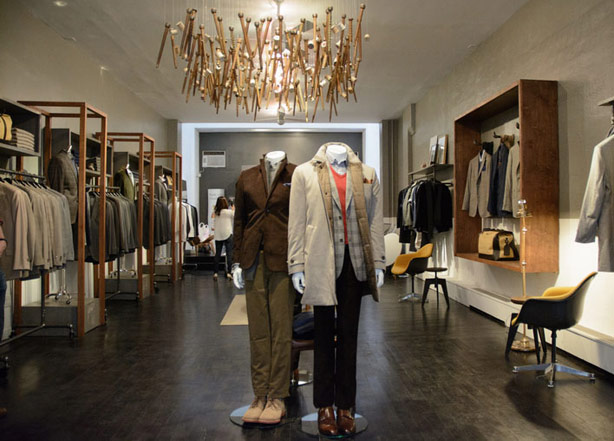
Cities such as New York, London, Paris and Milan remain central to men’s fashion pop-up strategy, particularly during Fashion Week. Temporary showroom spaces allow brands to meet buyers, host press previews and generate industry buzz without long-term overhead.
For a deeper look at how men’s fashion brands use temporary retail across luxury, DTC and streetwear segments, see our guide to menswear pop-up shops and men’s fashion retail strategy.
From a spatial perspective, menswear pop-ups typically prioritize clarity, fit-focused layouts and premium materials. Whether showcasing tailoring, denim or seasonal swimwear, the objective is often to reinforce craftsmanship and brand positioning through controlled, service-driven experiences.
Luxury Brands
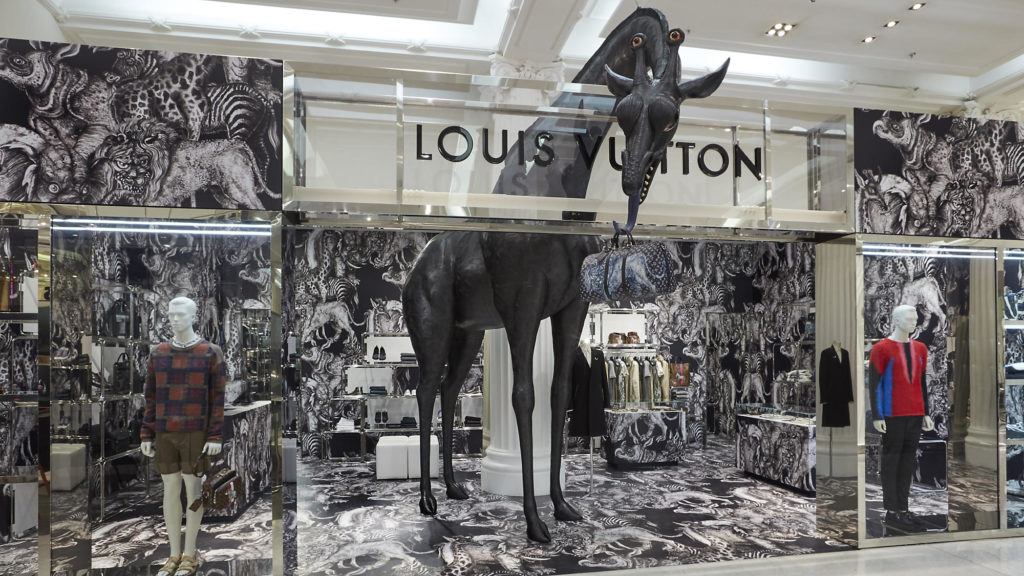
Luxury brands use pop-up shops to create scarcity and exclusivity. Unlike mass-market activations, luxury pop-ups are often highly curated and event-driven.
Typical objectives include:
- Reinforcing brand prestige in key neighborhoods
- Launching limited-edition products
- Hosting VIP previews or private client events
- Testing ultra-prime retail corridors
Cities such as Paris, London and New York remain central to luxury retail strategy, particularly in high-traffic areas associated with premium shopping.
For a strategic overview, read 3 reasons why luxury brands should bet on pop-up shops and explore luxury brand pop-up case studies.
Luxury activations often draw heavily on experiential elements. Immersive environments, curated storytelling and controlled access all reinforce brand positioning. For insight into how immersive retail environments shape perception, see our analysis of experiential retail and retailtainment.
Ecommerce and DTC Brands
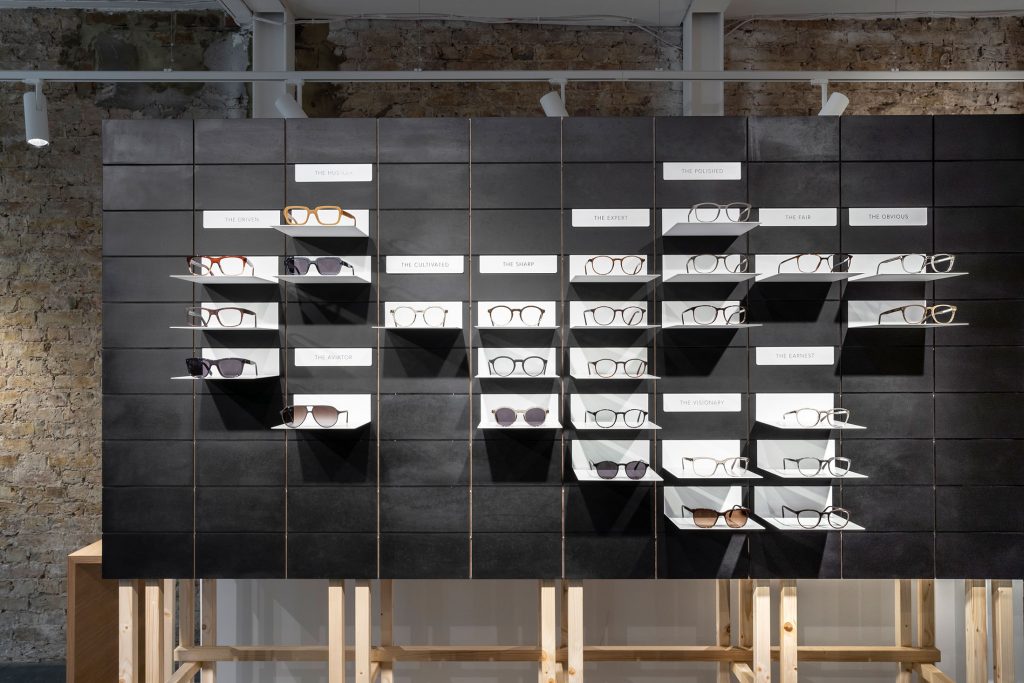
For ecommerce and direct-to-consumer brands, pop-ups are a bridge between online growth and physical presence.
Digital-first brands use temporary retail to:
- Reduce customer acquisition costs
- Increase brand trust through physical interaction
- Collect qualitative customer insights
- Drive online sales after in-person engagement
In cities such as New York, London and Los Angeles, DTC brands frequently use pop-ups to test demand before committing to permanent retail.
Our comprehensive guide on bringing your ecommerce brand to life with pop-up stores explores this strategy in depth, while thes case studies of ecommerce brands using pop-ups demonstrate practical applications.
Omnichannel behavior also plays a role. Designing for customers who research online and purchase in-store requires careful integration of layout and digital tools, supported by clear in-store information.
Beauty Brands
Beauty pop-up shops are uniquely effective because they combine product trial, immersive design and social amplification in one environment.
For cosmetic and skincare brands, physical interaction remains essential. Customers want to test shades, receive consultations and understand ingredients before purchasing. As department store counters decline and digital acquisition costs rise, beauty brands increasingly rely on temporary retail to create direct engagement and launch limited-edition collections.
Experiential design plays a central role. Immersive installations, interactive testing stations and highly shareable moments help extend the activation beyond its physical footprint. Many beauty pop-ups are structured less as traditional retail stores and more as brand storytelling platforms.
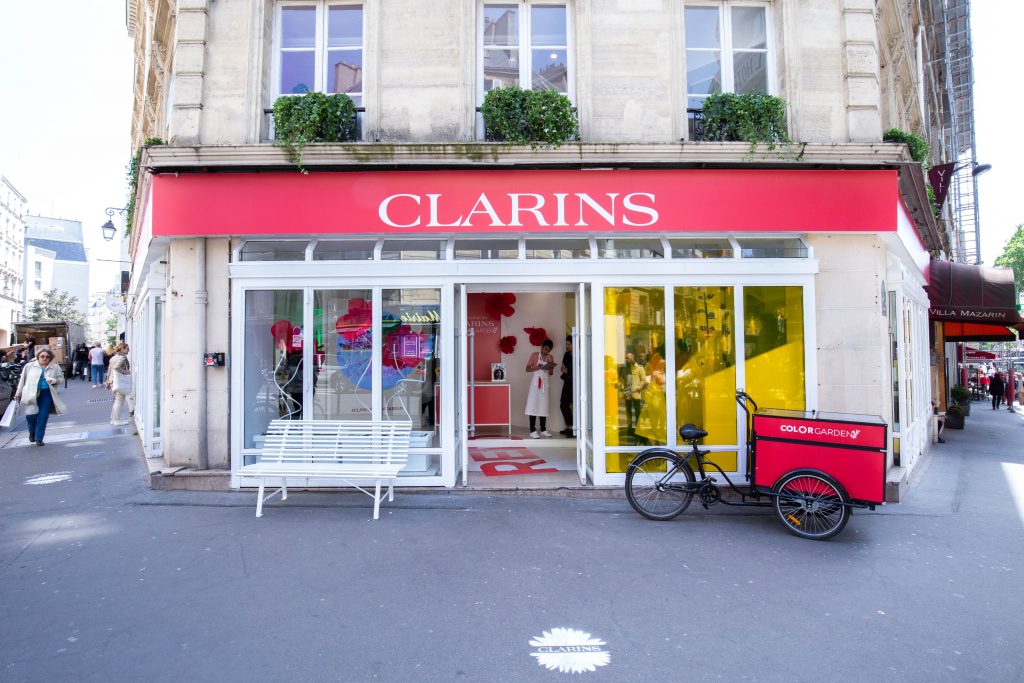
London, Paris and New York are particularly strong markets for cosmetic pop-up stores due to their fashion ecosystems and media visibility. These cities allow beauty brands to align launches with cultural moments and influencer networks.
For a comprehensive look at cosmetic pop-up strategy and successful brand examples, explore our guide to beauty pop-up shops and successful brand activations.
When executed strategically, a beauty pop-up becomes more than a sales channel — it becomes a catalyst for community, loyalty and long-term brand growth.
Beverage and Beer Brands
Beverage brands, including craft beer and spirits companies, often use pop-ups as experiential marketing vehicles rather than traditional retail stores.
These activations typically focus on:
- Sampling and tastings
- Limited-time themed bars
- Event partnerships
- Community-building campaigns
Lifestyle-driven cities such as Miami, Amsterdam and Los Angeles are particularly suited to short-term beverage activations tied to festivals, cultural events or seasonal tourism.
For strategic guidance, see our overview of pop-up ideas for beverage brands and pop-up bars and examples of beer brands using pop-up events effectively.
Because these activations rely heavily on atmosphere, layout and sensory engagement are central to success. Elements such as lighting, sound and spatial flow directly influence dwell time and brand perception.
Music and Entertainment Brands
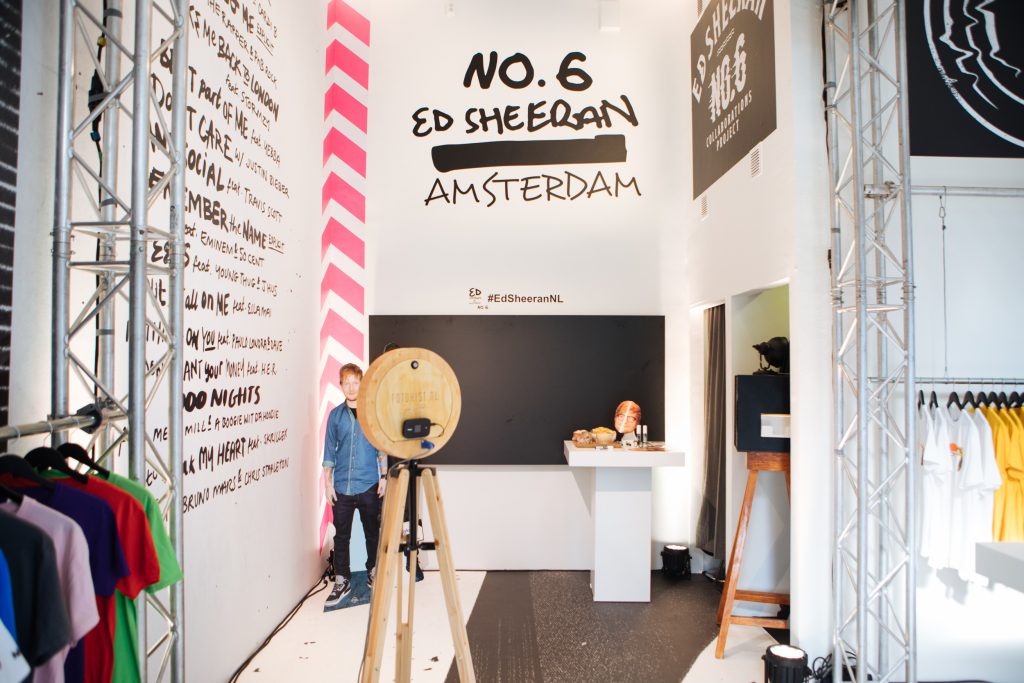
Music and entertainment brands use pop-ups to deepen fan engagement and create cultural moments.
Common applications include:
- Album launches
- Tour-related merchandise activations
- Fan meet-and-greet spaces
- Limited-edition product drops
Cities with strong creative scenes, such as London, Los Angeles and New York, are natural environments for music-driven pop-ups.
Our guide on how the music industry is making the most of pop-up stores explores how artists and labels translate digital fan bases into physical experiences.
These spaces often combine retail with performance, social media amplification and immersive design, reinforcing emotional connections between artist and audience.
Automotive Brands
Automotive companies increasingly use pop-ups to introduce new models, particularly electric vehicles, to urban audiences.
Rather than functioning as traditional dealerships, these spaces focus on:
- Product education
- Interactive displays
- Brand storytelling
- Lead generation
In cities such as Los Angeles and Paris, automotive pop-ups allow brands to engage consumers in high-footfall areas without the overhead of permanent showrooms.
For more detail, see how automobile companies are using pop-up shop experiences.
These activations often emphasize design clarity, interactive technology and experiential elements that help demystify complex products.
Charity and Cause-Driven Brands
Charities and non-profit organizations use pop-up shops to combine fundraising with awareness-building.
Objectives may include:
- Promoting a specific campaign
- Driving short-term donation spikes
- Selling limited merchandise tied to a cause
- Engaging local communities
Temporary retail enables cause-driven brands to create visible, time-bound initiatives in cities like London and New York, where foot traffic can amplify exposure.
For further reading, see our guide to launching a pop-up store with a cause.
In these contexts, storytelling and transparency are critical. The physical environment must clearly communicate impact and purpose.
Choosing the Right City for Your Industry
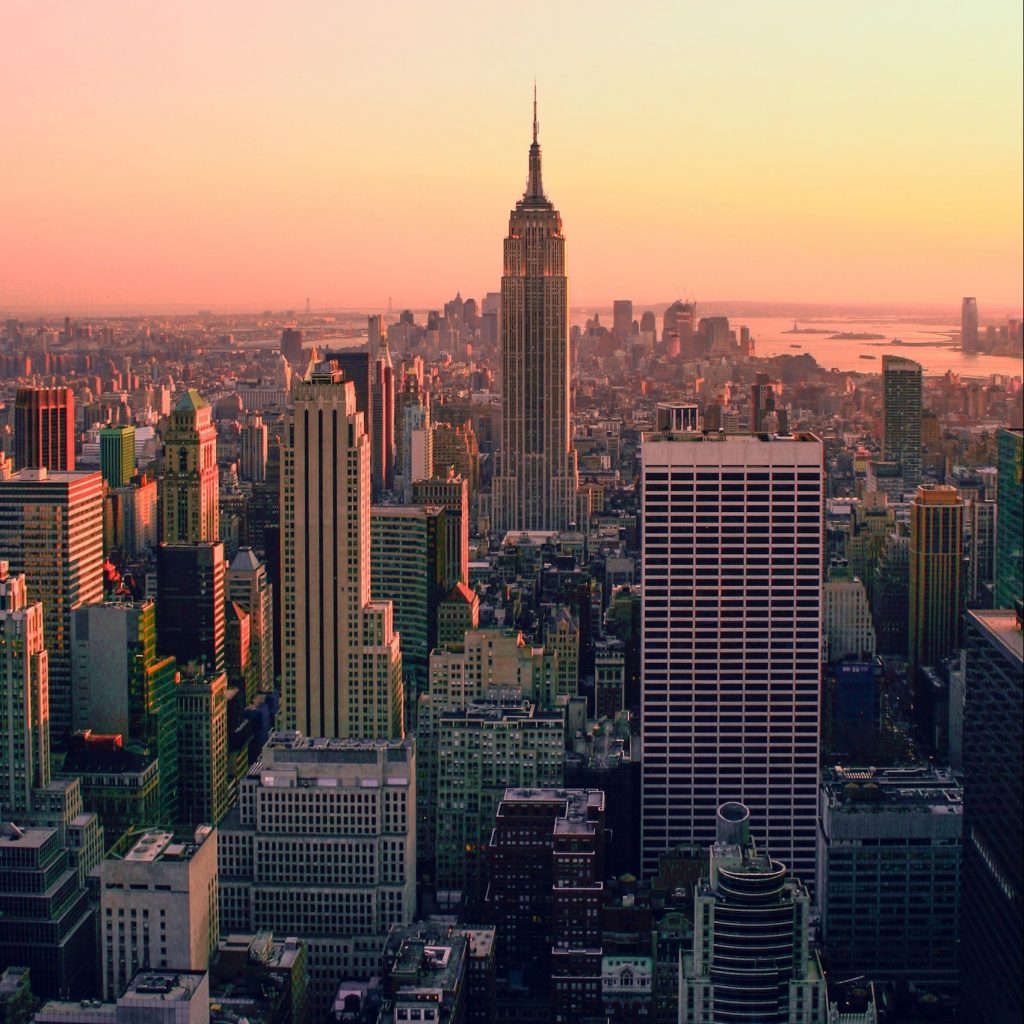
While strategy varies by sector, location remains a universal factor.
- Paris and London are particularly strong for fashion and luxury activations.
- New York supports DTC brands, music launches and high-visibility retail experiments.
- Los Angeles is well suited to entertainment and automotive pop-ups.
- Miami and Amsterdam offer strong potential for beverage and lifestyle-driven campaigns.
Selecting the right city involves balancing foot traffic, audience demographics and budget considerations. Reviewing local availability and short-term retail options in your target market can help align strategy with practical execution.
Final Thoughts
Pop-up shops are adaptable by design. What changes from industry to industry is the objective behind the activation and the way space is used to achieve it.
Fashion brands may prioritize timing and visual identity. Luxury labels emphasize exclusivity. DTC companies focus on omnichannel growth. Beverage and music brands lean into experience. Automotive brands highlight education and innovation. Charities center on purpose and awareness.
Understanding these distinctions ensures your pop-up is not just temporary, but strategically effective.
If you are evaluating whether a short-term activation is right for your sector, begin with a clear objective, realistic budget and city strategy. From there, align design, experience and messaging to your industry’s specific needs.

- How Much Does It Cost to Rent an Art Gallery? - February 26, 2026
- Shoreditch Neighborhood London Guide: London’s Hipster Hangout and Pop-Up Capital - February 26, 2026
- Pop-Up Shop Strategies by Industry: How Different Sectors Use Temporary Retail - February 25, 2026
Related posts:
 What is a pop-up shop? Everything you need to know to try short-term retail
 How to Set Up a Pop-Up Art Gallery: 8 Steps to Renting and Launching Your Exhibition
 10 Best Tips For Offline Retail Campaign Ideas
 The 5 Types of Pop-Up Shops (With Examples) & How to Choose the Right One
 How to set up a pop-up shop in 6 stages. Set yourself up for success with this handy checklist