

Digital-first brands are increasingly turning to pop-up stores to connect with customers beyond the screen. The Reset, a women’s empowerment platform and apparel brand, used a pop-up store in San Francisco to bring its online community into a physical retail space while expanding brand awareness and driving sales.
Originally launched as a digital platform focused on helping women navigate major life transitions, The Reset later introduced a direct-to-consumer clothing line designed to simplify modern wardrobes. By opening a physical retail location, the brand was able to transform its online identity into a real-world shopping experience.
Today, many digital brands are following a similar strategy. Temporary retail allows direct-to-consumer companies to test markets, connect with customers, and build brand loyalty. Brands exploring this model can discover available pop ups in San Francisco or browse flexible pop-up store rental spaces designed for short-term retail activations.
Creating a Physical Extension of an Online Brand
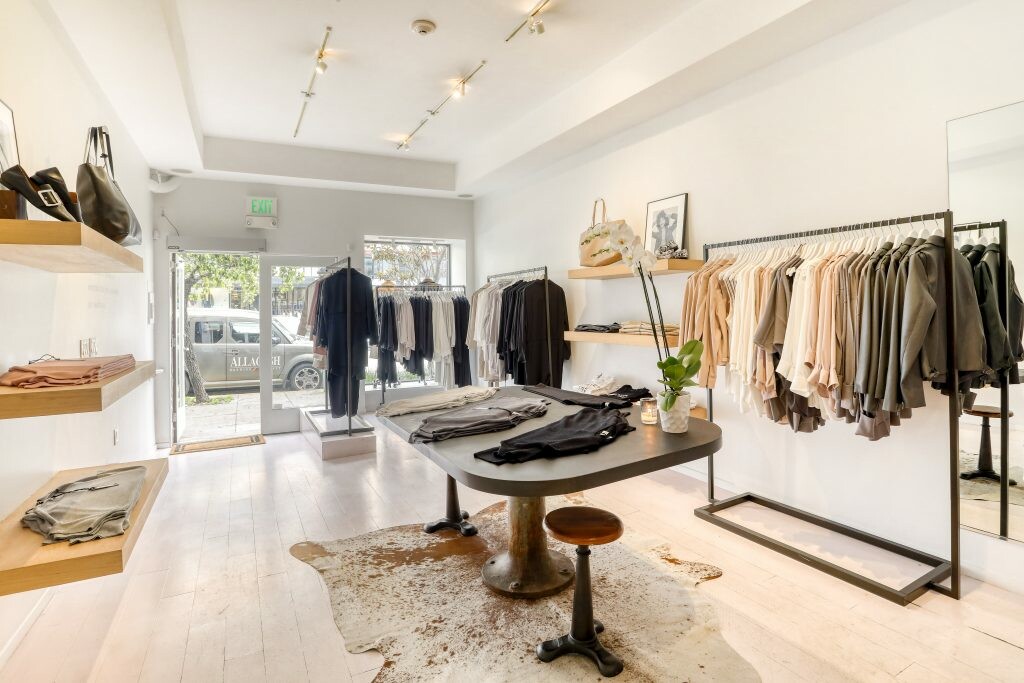
The concept behind The Reset’s pop-up store was simple. The team wanted to create a physical extension of their digital brand experience.
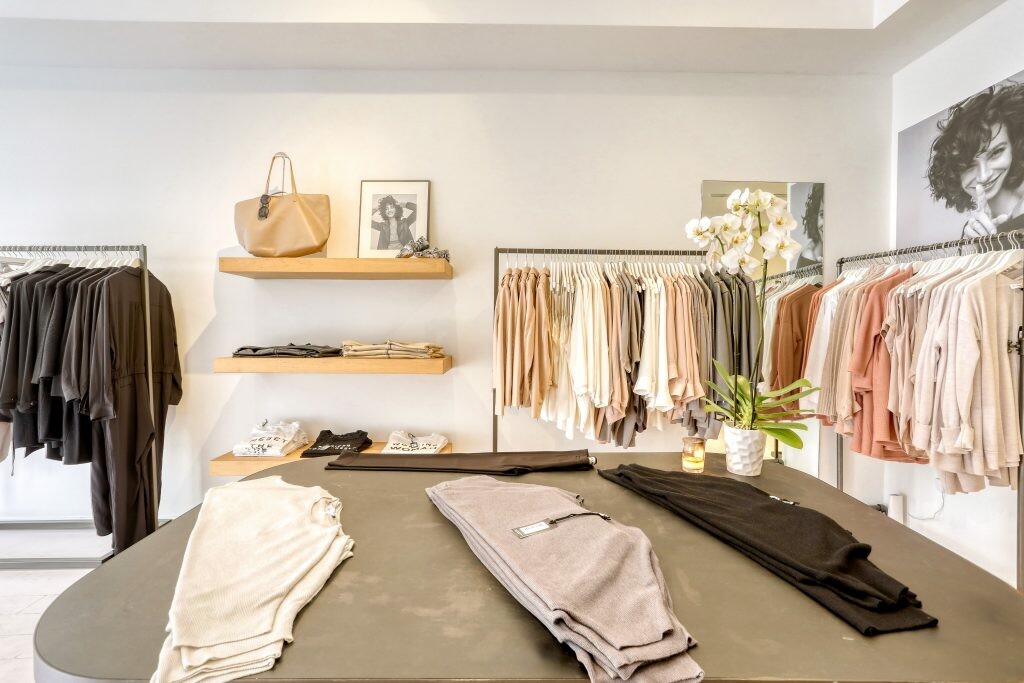
While the brand’s online platform provides inspiration and guidance for women navigating life changes, the pop-up store allowed customers to interact with the clothing collection in person. The minimalist store design reflected the brand’s philosophy of simplicity and versatility.
By keeping the space clean and curated, the store emphasized the idea of a streamlined wardrobe. The environment was designed to make shopping easier and more intuitive, reinforcing the brand’s focus on helping women simplify their daily routines.
Why Physical Retail Still Matters for DTC Brands
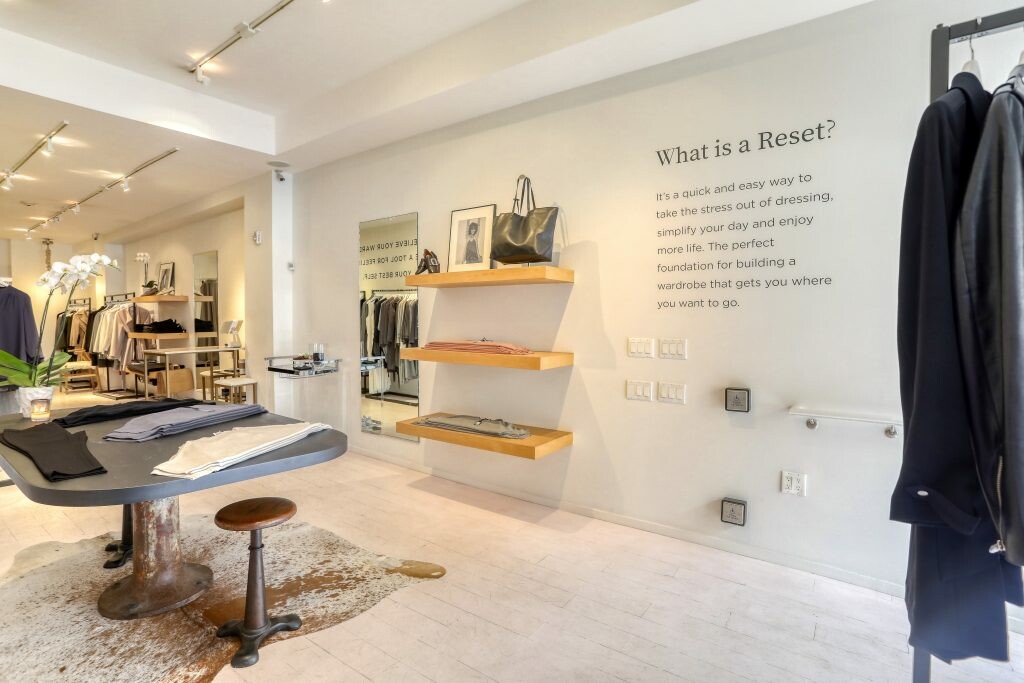
Although online retail continues to grow, physical stores still play an important role in building customer relationships.
For The Reset, the pop-up boutique allowed customers to experience the products directly. Visitors could feel fabrics, try on garments, and understand the quality of materials used in the collection, including cashmere sweaters and Japanese vegan leather pieces.
Pop-up stores also help brands stand out in an increasingly crowded e-commerce landscape. While many emerging brands compete online, a physical store creates a three-dimensional brand experience that strengthens customer engagement.
For online-first brands considering temporary retail, this guide explains how to bring an e-commerce brand to life with pop-up stores.
Three Keys to a Successful Pop-Up Store
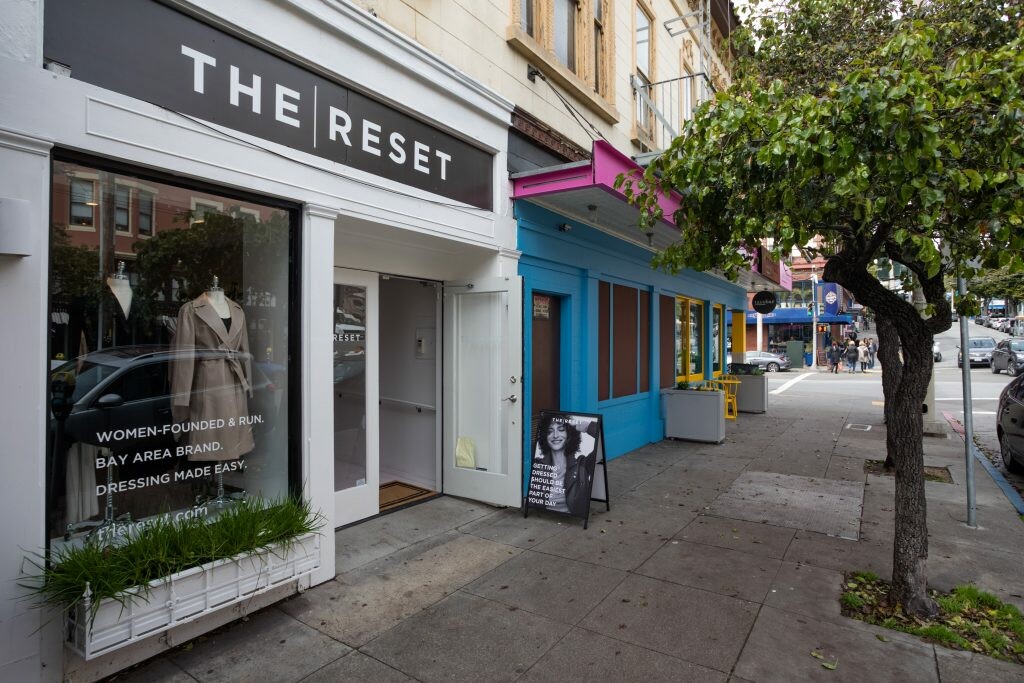
According to The Reset team, several factors are essential when planning a successful pop-up retail activation.
Location is the first priority. Pop-up stores function as both retail and marketing platforms, so choosing neighborhoods with strong foot traffic and the right audience is critical.
The physical space should align with the brand’s aesthetic. Because pop-ups are temporary, brands often look for spaces that can reflect their identity without requiring expensive renovations.
A unique experience is also important. Successful pop-ups offer something that feels fresh and engaging within the local retail environment, encouraging both loyal customers and new visitors to explore the store.
Why San Francisco Was the Ideal City
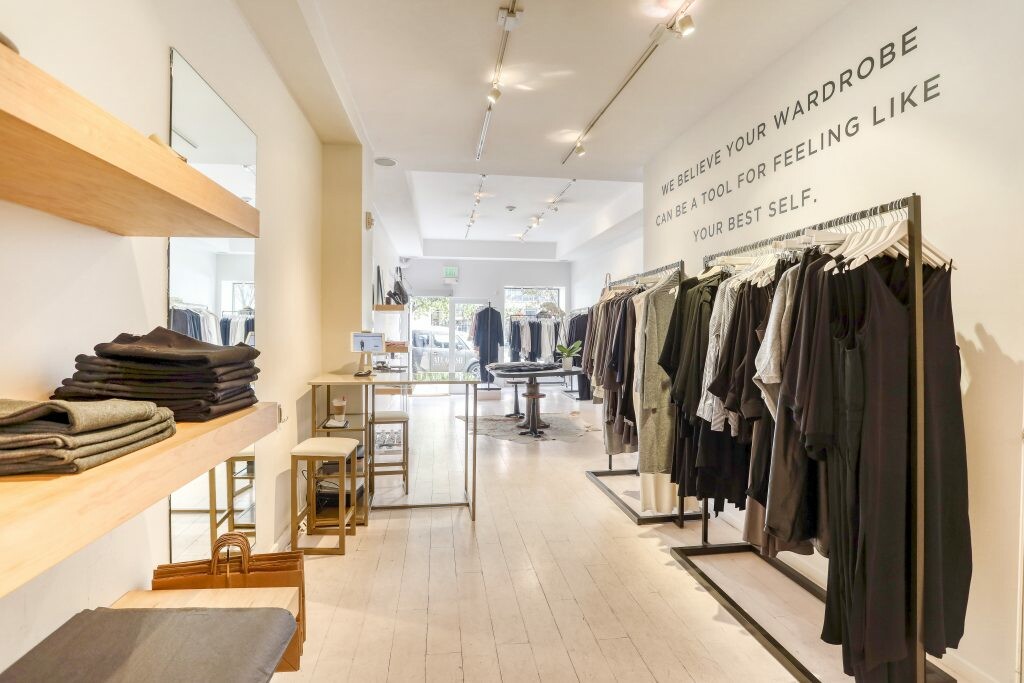
San Francisco holds special significance for The Reset. The company was founded there and the city continues to shape the brand’s identity.
As a hub for startups, innovation, and creative entrepreneurship, San Francisco offers an environment that embraces new ideas and emerging brands. For a female-founded startup focused on empowerment and reinvention, the city provided a natural place to launch a physical retail experience.
The pop-up also allowed the brand to connect more deeply with its local community while reaching visitors who were discovering the brand for the first time.
Using Events and Activations to Drive Foot Traffic
In-store events played a major role in attracting customers to the pop-up store.
The Reset regularly hosted activations ranging from collaborations with other women-founded brands to panel discussions about topics relevant to modern women. These gatherings turned the store into more than just a retail space. It became a place for conversation, discovery, and community building.
Retail spaces today are increasingly used for experiences as well as transactions. Pop-ups allow brands to experiment with these formats and create memorable moments that strengthen relationships with customers.
Why Pop-Up Retail Works for Online Brands
The Reset’s experience demonstrates how pop-up stores can help digital brands grow beyond their online presence.
Temporary retail offers the flexibility to test physical locations, experiment with store design, and connect with customers in a meaningful way. For many direct-to-consumer brands, pop-ups serve as both marketing platforms and revenue drivers.
With the right location, design, and community engagement strategy, pop-up stores can transform an online brand into a fully immersive retail experience.

- How Knotel Used a Pop-Up Showroom in New York to Demonstrate Its Agile Office Concept - March 11, 2026
- How Amnesty International Used a Pop-Up Store in Amsterdam to Launch the “World Peace” Campaign - March 10, 2026
- How Brands Use Pop-Up Spaces During Art Basel Miami to Reach Global Audiences - March 10, 2026
Related posts:
 Kanye West Yeezus Tour Pop-Up Store in NYC
 How Birchbox Used a Pop-Up Shop in Chelsea Market to Bring Its Beauty Discovery Experience Offline
 J.Hilburn’s SoHo Pop-Up: A Luxury Menswear Brand Steps Into Physical Retail
 How Indochino Used Pop-Up Showrooms in New York to Introduce Custom Menswear
 How TCHO Uses Pop-Up Shops to Bring Its Chocolate “Flavor Labs” to Customers and Power Growth