We use cookies and similar technologies to track your activity and improve your experience.
Sort by
Recommended
See on map
See on map

Photo / Filming Studio
∙
Dumbo
550 sq ft
from $540 per day
See on map

Photo / Filming Studio
∙
Dumbo
450 sq ft
from $480 per day
See on map

Event Space
∙
Downtown Brooklyn
12,992 sq ft
from $60,000 per day
See on map

See on map

See on map

Event Space
∙
Dumbo
1,100 sq ft
from $1,080 per day
Temporary Retail Space for Rent in Dumbo, Brooklyn
Dumbo is a small, tightly bounded district of converted warehouses between the Brooklyn and Manhattan Bridges. Its cobbled streets, high ceilings and waterfront position make it one of the strongest locations in Brooklyn for brands looking to rent temporary retail space. The building stock is former industrial, the visitor flow is heavy, and the district is compact enough that every block counts. Browse available spaces below.
Why Dumbo Works for Temporary Retail
Dumbo draws two distinct audiences that barely overlap, and understanding the split is the key to choosing the right space here.
The first is the visitor crowd. The view of the Manhattan Bridge framed by the buildings on Washington Street is one of the most photographed spots in New York, and it delivers a very large flow of people to a handful of cobbled blocks. Brooklyn Bridge Park and Empire Stores, a converted warehouse terrace holding retail and offices, sit along the waterfront below. Both draw visitors to an area with little through-traffic otherwise. That crowd is there to take a picture and walk the waterfront rather than to shop, which is both the opportunity and the limitation: high volume, but the intent is experiential rather than transactional.
The second is the office population. Behind the waterfront blocks, Dumbo is a substantial technology and creative office district. That gives the neighborhood a weekday lunch and after-work trade quite separate from the visitor flow. Those two economies sit two streets apart and run on different schedules.
A brand choosing Dumbo is choosing which of those audiences to serve, and the answer determines the street.
Dumbo Street by Street
Water Street and Washington Street form Dumbo's cobbled retail core. Washington Street carries the heaviest visitor flow because of the bridge-framed view, so a ground-floor unit there gets volume but a crowd that is walking and photographing. Water Street runs parallel and picks up visitors moving between the bridge view and the waterfront parks.
Jay Street and Front Street hold Dumbo's non-waterfront retail, in converted warehouse ground floors that serve the office population above rather than the visitor flow at the water. These streets suit showroom formats, appointment-based retail, or activations aimed at the local working crowd.
Empire Stores is one of the most straightforward routes to temporary retail space in the district. It is a managed building with ground-floor retail facing the waterfront, and it carries its own foot traffic from the park.
Dumbo takes its name from its position between the two bridges, and their overheads define the district: the streets under them are cobbled, the sightlines are the draw, and the buildings are former warehouses on a small footprint. Availability is limited, and vehicle access for loading is genuinely awkward on the cobbled streets, so plan logistics early.
What the Spaces Look Like
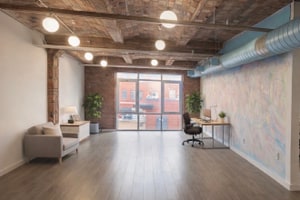
Because so much of Brooklyn stock is former industrial, Dumbo units typically offer open floor plates, exposed brick, high ceilings and large windows. Freight access and loading are usually better than in Manhattan: roller shutters, goods lifts and street-level vehicle access are common in the converted warehouse buildings. For anything involving a build, a delivery or a large object, that is often the deciding factor.
Street-level units on the cobbled core streets offer direct pedestrian access and strong window visibility, suited to walk-in retail and brand activations. Upper-floor loft spaces work for showroom formats, immersive experiences or appointment-based retail where the space matters more than passing foot traffic.
Rental periods typically run from a single weekend through to several months. Rates vary by size, street, season and finish level. Ask the host for current pricing when you enquire.
When to Book
Demand for short-term space in Brooklyn peaks from late spring through early autumn, when the outdoor markets, waterfront parks and street events are running, and again in the run-up to the December holidays. The deep winter months are the quietest stretch.
The Brooklyn waterfront is seasonal in a way the inland streets are not. Brooklyn Bridge Park and the Dumbo waterfront carry heavy footfall from May to September and much less outside that window, so a space that depends on visitor flow has a shorter effective season.
Smorgasburg, the largest weekly open-air food market in the country and a Brooklyn institution, runs a season rather than year round. For food and drink brands, a Smorgasburg presence is a genuine route into short-term physical retail in New York and a useful complement to a Dumbo activation.
Halloween on 31 October opens a wave of temporary store activity through September and October. Thanksgiving and Black Friday in late November start the heaviest trading period of the year, though in Brooklyn the independent retail leans more on Small Business Saturday than on Black Friday itself. Brands timing a holiday pop-up should book well ahead of that window.
Who Rents Temporary Retail Space in Dumbo
Dumbo attracts brands with strong visual identities that benefit from the industrial architecture and the concentrated visitor base. Common use cases include:
-
Direct-to-consumer brands launching a first physical retail presence
-
Fashion and apparel labels running seasonal or collection-specific pop-ups
-
Beauty and skincare brands using temporary space for sampling
-
Art and design studios hosting limited-run exhibitions or sales
-
Food and beverage brands activating around the outdoor market season
For brands exploring other Brooklyn neighborhoods, the Williamsburg neighborhood guide covers a district with a different audience and a different rhythm. And for practical advice on fitting out a short-term space, pop-up store tips from a Brooklyn-based interior design firm is worth reading before you commit to a layout.
Good to Know Before You Book
Dumbo's ZIP code is 11201, but zip codes do not follow district boundaries exactly, so a search by code and a search by district name will not return an identical set of addresses.
Brooklyn's subway lines run radially into Manhattan rather than across the borough, so two neighborhoods a mile apart can be a slow journey from each other while both are twenty minutes from Midtown. Dumbo is served by the York Street station, among the busiest stations in the system by annual ridership, which is a useful proxy for the through-traffic a ground-floor unit here can expect.
About one Brooklyn storefront in ten stands empty. In Dumbo specifically, vacancy runs closer to one in five. That is not evidence the district has failed: it reflects high asking rents, long void periods and landlords holding out for a covenant tenant. Those are exactly the conditions in which a landlord will take a short let, and it is why a brand can often get onto a Dumbo street it could not get onto in Manhattan. For a wider view of retail space for rent across formats and cities, the project page covers the full category.
FAQ
What is temporary retail space in Dumbo?
Temporary retail space in Dumbo is short-term commercial space in converted 19th-century warehouse buildings between the Brooklyn and Manhattan Bridges. Brands use these units for pop-up shops, product launches, seasonal activations or market testing without signing a long-term lease. Most spaces feature open floor plates, exposed brick, high ceilings and large windows.
How long can I rent a temporary retail space in Dumbo?
Most spaces are available for periods ranging from a single weekend to several months. There is no standard minimum across all listings, though many hosts prefer a minimum of one week. Longer bookings may attract more favorable rates, so it is worth discussing duration directly with the host.
Which Dumbo streets are best for walk-in retail?
Water Street and Washington Street form the cobbled retail core and carry the heaviest pedestrian flow, mostly visitors and tourists heading to the waterfront. Jay Street and Front Street serve the local office population and suit showroom or appointment-based formats rather than walk-in traffic.
When is the best time to run a pop-up in Dumbo?
Peak periods run from late spring through early autumn, when the waterfront parks and outdoor markets draw the largest crowds, and again from late October through December for the holiday trading window. The deep winter is quieter and may suit brands looking for lower rates and less competition for space.
Is Dumbo a good alternative to Manhattan for short-term retail?
Dumbo offers converted industrial space with high ceilings, freight access and strong visitor flow at rates that vary from Manhattan pricing. It is a different market rather than a cheaper one: brands choose Dumbo for its architecture, its waterfront audience and its compact geography, not as overflow from across the river.


