We use cookies and similar technologies to track your activity and improve your experience.
Sort by
Recommended
See on map
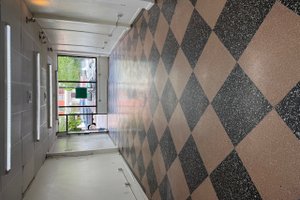
Boutique / Shop
∙
Red Hook
1,000 sq ft
from $200 per day
See on map
Fast Responder

See on map

Unique Space
∙
Sunset Park
3,800 sq ft
from $480 per day
See on map
Fast Responder

See on map

Photo / Filming Studio
∙
Red Hook
1,700 sq ft
from $1,920 per day
See on map

See on map

Art Gallery
∙
Red Hook
6,000 sq ft
from $580 per day
Pop-Up Shop Rental in Red Hook, Brooklyn
Check our latest articles:
7 Case Studies That Prove Experiential Retail Is the Future;What Is a Pop-Up Shop? Definition, Costs & How It Works
Red Hook sits at the southwestern tip of Brooklyn, bordered by the Upper New York Bay to the west and the Gowanus Canal to the east. Van Brunt Street is the neighborhood's retail spine, lined with independent boutiques, artisan food producers, and gallery spaces that draw a steady stream of curious shoppers on weekends. IKEA Brooklyn, anchored on the waterfront nearby, pulls consistent foot traffic through the area year-round, giving temporary retailers an additional audience beyond the neighborhood's core creative community.
A pop-up store is a short-term retail space that operates for as little as one day or as long as several months without committing to a long-term lease. Red Hook's post-industrial building stock makes it one of Brooklyn's most distinctive markets for pop-up shop rental: brands can open a popup store in a Red Hook, Brooklyn warehouse loft with exposed brick and soaring ceilings, then close and move on when the run is complete. Storefront lists verified spaces across the neighborhood, bookable from a single day upward.
What Makes Red Hook Right for a Pop-Up Shop?
Red Hook's draw for brands is specific and verifiable.
-
Waterfront access: Valentino Pier and the surrounding waterfront park bring foot traffic to the western edge of the neighborhood, particularly in warmer months. Spaces near the water attract visitors already in an exploratory mood.
-
Van Brunt Street corridor: The street runs north to south through the heart of Red Hook and concentrates the neighborhood's independent retail. A pop-up shop here sits alongside established independent retailers rather than in a generic commercial strip.
-
Artisan food scene: Food Bazaar, Hometown Bar-B-Que, and a cluster of food producers based in Red Hook have turned the neighborhood into a destination for Brooklyn's food-curious crowd. Brands in lifestyle, homeware, apparel, and specialty food benefit from this audience.
-
Artist community: Red Hook has maintained working studio space at competitive rates relative to Williamsburg and Greenpoint, keeping a resident creative community that supports art-adjacent retail.
-
Proximity to other Brooklyn neighborhoods: Red Hook is a short drive or bike ride from Cobble Hill, Carroll Gardens, and the Gowanus corridor, extending the catchment area for a well-publicised pop-up store in Red Hook, Brooklyn.
Types of Retail Space Available in Red Hook
Red Hook's building stock reflects its industrial past. Most available spaces share a recognizable aesthetic.
-
Converted warehouses: High ceilings, concrete floors, and loading-dock access. Well-suited to furniture launches, large-format art sales, and brands that need flexible floor plans.
-
Ground-floor storefronts on Van Brunt Street: Street-facing windows, direct pavement access, and natural walk-in traffic from the existing retail strip.
-
Studio spaces: Smaller footprints with exposed brick and timber details. Common for beauty, fashion, and specialty goods brands that want an intimate atmosphere.
-
Industrial lofts: Raw, open-plan spaces where brands can build out a custom temporary retail environment without the constraints of a finished commercial interior.
Explore the full range of available spaces in Red Hook or browse Retail Space In Brooklyn to compare inventory across the borough.
How Pop-Up Duration Works in Red Hook
A pop-up shop rental is designed for short-term use. Most brands booking through Storefront in Red Hook run activations from one day to a few weeks. A product launch, a seasonal shop, a weekend market residency, or a brand activation tied to a local event are the most common formats.
For brands testing a new market before committing to a permanent lease, Red Hook offers a lower-cost entry point relative to Manhattan or Williamsburg without sacrificing the industrial aesthetic that photographs well and resonates with Brooklyn shoppers. A popup store in Red Hook, Brooklyn can be booked with as little as 24 hours' notice through Storefront.
For a wider view of how pop-up retail works and what to prepare before you book, the Pop Up Store Rental project page covers format options, duration guidance, and what to expect from the booking process.
Comparing Red Hook to Other Brooklyn Retail Neighborhoods
Red Hook sits at a different point on the Brooklyn retail spectrum from Williamsburg or Bedford Stuyvesant.
Retail Space In Williamsburg, Brooklyn offers higher foot traffic on Bedford Avenue and a denser residential population, but competes with more established brands and carries premium rates to match. Retail Space In Bedford Stuyvesant, Brooklyn reaches a different demographic and a growing independent retail corridor on Fulton Street. Retail Space In Greenpoint, Brooklyn skews toward a design-conscious crowd in a neighborhood with a strong maker and studio culture.
Red Hook suits brands that specifically want the warehouse-industrial look, the waterfront setting, or a community with a high proportion of creative professionals. It is a deliberate choice rather than a default, which tends to attract brands with a clear visual identity and a defined audience.
For context on how different Brooklyn neighborhoods compare for pop-up retail, the Williamsburg Neighborhood Guide: Pop-Up Shops, Creative Spaces, and Event Venues in Brooklyn covers the borough's creative retail landscape in detail.
Practical Advice Before You Book
Before finalising a pop-up shop in Red Hook, Brooklyn, a few considerations are worth covering early.
-
Access and logistics: Red Hook has limited subway access. The B61 bus serves Van Brunt Street, and many visitors arrive by car, bike, or rideshare. Confirm with your host whether loading access and parking are available for setup and breakdown.
-
Permits and licensing: Requirements depend on the space, on what you sell, and on the local authority, and they change over time, so treat this as a starting point rather than an answer. Confirm what applies with the host before booking, and check with the relevant local authority if your activation involves food, alcohol, amplified sound, exterior signage, or use of the sidewalk.
-
Setup and breakdown time: Factor setup and breakdown into the total rental duration. A three-day activation may need a half-day on either end for installation and strike.
-
Space configuration: Red Hook's raw industrial spaces often require more buildout than a finished storefront. If you need display fixtures, lighting rigs, or point-of-sale infrastructure, confirm availability with the host in advance.
For design guidance on making the most of a raw industrial space, Pop-Up Store Tips From A Top Brooklyn-Based Interior Design Firm covers practical approaches to temporary retail environments.
FAQ
What is the difference between a pop-up shop and a short-term retail lease in Red Hook?
A pop-up shop rental through Storefront is a flexible, short-term agreement with no long-term lease commitment. Durations range from a single day to a few months. A short-term commercial lease is a formal tenancy agreement that typically runs for a minimum of several months and involves a more structured landlord-tenant relationship. For most brand activations and product launches, a pop-up shop rental is the appropriate format.
How far in advance do I need to book a pop-up store in Red Hook, Brooklyn?
Many spaces on Storefront can be booked with as little as 24 hours' notice, though availability is not guaranteed last-minute. For weekend activations or spaces on Van Brunt Street, booking one to two weeks in advance gives you the best selection. For a longer run tied to a specific season or event, booking four to six weeks out is advisable.
What product categories work well in Red Hook retail spaces?
Red Hook's industrial aesthetic and creative community attract shoppers with strong affinities for independent brands in apparel, homeware, art, specialty food, and design. The neighborhood's audience responds well to emerging brands with a clear visual identity. Mass-market retail or formats that rely on very high footfall tend to fit better in denser Brooklyn corridors.
Do I need a permit to run a pop-up shop in Red Hook, Brooklyn?
Requirements depend on the space, on what you sell, and on the local authority, and they change over time, so treat this as a starting point rather than an answer. Most short-term retail inside a space already approved for commercial use is straightforward. Confirm what applies with the host before booking, and check with the relevant local authority if your activation involves food, alcohol, amplified sound, exterior signage, or use of the sidewalk.
Is Red Hook accessible for customers without a car?
Red Hook has no direct subway line. The B61 bus connects the neighborhood to Carroll Gardens (Smith and 9th Street station) and Downtown Brooklyn. Many visitors arrive by bike via the Brooklyn Waterfront Greenway. If your target audience relies on transit, factor this into your marketing and make navigation instructions clear in any pre-event communications.


