We use cookies and similar technologies to track your activity and improve your experience.
Sort by
Recommended
See on map
See on map

See on map

Apartment / Loft
∙
Madrid
110 m²
from 124 € per day
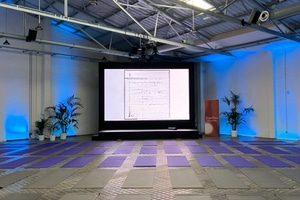
Short Term Commercial Space in La Latina, Madrid
La Latina is the oldest part of Madrid, a tangle of medieval streets south of Plaza Mayor where tapas bars line the Cava Baja and the Rastro flea market fills the quarter every Sunday morning. For brands looking for temporary commercial space, the district offers a neighborhood where the local crowd still outnumbers the tourists and weekend footfall is among the highest in central Madrid.
Why La Latina works for temporary retail
La Latina rewards formats built around discovery: vintage, antiques, craft, food and drink, and anything that suits a Sunday browse. The Rastro is one of the largest open-air flea markets in Europe, a genuine weekly commercial institution with its own stall allocation, and the foot traffic it generates spills into the surrounding streets for hours.
The district's catchment is Madrileños out for the day, plus a settled local population and visitors. It is one of the few central quarters where the domestic crowd dominates, which changes the language, the price point and the rhythm of the trade compared with more tourist-facing parts of the city. Brands entering Madrid through La Latina are selling to locals first.
The weekly rhythm and when to trade
The week in La Latina is extremely uneven. Sunday morning is the peak by a wide margin, the evenings carry the bar trade, and weekday daytime is quiet. A brand here is buying Sundays.
Madrid keeps late hours: lunch runs from around two, dinner from nine or ten. A brand importing Northern European trading hours will miss the evening entirely. Plan openings and staffing around the local clock, not a home-market one.
Spring and autumn are the strongest trading seasons, roughly April to June and September to early December, when the weather is comfortable and the city is full. August empties the city: Madrid sits on a high plateau with very hot, very dry summers, and much of the population leaves. January is thin after Reyes. For a temporary format, the windows to target are clear.
What the spaces look like
Stock in La Latina is small units in medieval buildings with irregular shapes, low ceilings and difficult access. These are characterful spaces, but fit-out here costs more than the rent suggests. A brand bringing its own build should survey early and budget for adaptation.
A finished, furnished space costs more than a raw one. If the concept can work in a raw shell, that is the better buy. Ground-floor units with street frontage command the most, while first-floor and basement space in the same building asks less and can suit formats that draw people in by appointment or reputation rather than passing trade.
How La Latina sits in the city
La Latina falls principally in postal codes 28005 and 28012, with the Rastro running down through 28005. The Mercado de la Cebada, a large municipal market that has resisted the food-hall conversion its neighbours underwent, remains a working market in the heart of the quarter.
The district sits at the affordable end of central Madrid. The rent order runs from Salamanca and Gran Vía at the top down through Sol, Chueca, Malasaña and Chamberí before reaching La Latina and Lavapiés. That positioning means a brand can take a central location without paying prime-corner rates. For pop-up retail space the value is clear.
Getting there
La Latina is well served by public transport, with metro stations nearby and Sol a short walk north. Vehicle access into the medieval streets is very restricted and the low emission zone applies, so a crew should plan deliveries carefully and book off-street parking rather than rely on metered spaces.
Fares across metro, bus and suburban rail are integrated by zone, and the whole city sits in zone A. One ticket type covers a whole activation, and a crew does not need to think about zones. Public transport here is inexpensive against the cost of the activation it serves.
Spending less on flexible commercial space
Rates for temporary commercial space in La Latina vary by size, timing and position on the street. The real levers a renter controls:
-
Timing. Off-peak months and midweek dates ask less than the Sunday peak or the spring and autumn trading windows.
-
Duration. A longer booking usually earns a better rate per day, because a host is pricing continuity.
-
Position. A side street a few doors off the Cava Baja keeps much of the passing trade at a lower cost than the main run itself.
-
Floor. Basement or first-floor space in the same building asks less than street level.
-
Flexibility. Being open on dates, or able to take a space at short notice when a host has a gap, is the single biggest lever available.
For broader options across Spain, browse retail space for rent on Storefront.
Other space types in La Latina
The district's character suits more than retail. Brands looking for showroom space in La Latina can use the same medieval units for private viewings and appointments. The Sunday crowd also makes the quarter a strong setting for art gallery pop-ups, and the evening tapas trade provides a ready audience for event space bookings.
Food and drink is the easiest category to launch into here, and pop-up restaurant or food space fits a neighborhood already defined by its hospitality scene.
Frequently Asked Questions
What types of temporary commercial space are available in La Latina?
Units are typically small ground-floor spaces in medieval buildings, with irregular layouts and characterful interiors. Finished spaces and raw shells are both available. Sizes and configurations vary, so check individual listings for details.
When is the best time to book short term commercial space in La Latina?
Spring (April to June) and autumn (September to early December) are the strongest trading seasons. August empties the city and January is quiet after Reyes. Within the week, Sunday is the peak trading day by a wide margin.
Is La Latina suitable for a weekday pop-up?
The district runs on a weekend rhythm. A Monday-to-Friday daytime format has very little passing trade to work with. Brands planning a weekday presence should consider whether their audience will travel to the area specifically, or whether a weekend-only format is a better fit.
How does La Latina compare to other Madrid districts for temporary retail?
La Latina sits at the affordable end of central Madrid, well below Salamanca, Gran Vía and Sol. It draws a strongly local, domestic crowd rather than international tourists, which suits brands testing with Spanish consumers. The Rastro delivers the highest single-day footfall of any regular event in the center.
Can I deliver stock and equipment to a space in La Latina?
Vehicle access into the medieval streets is restricted, and the low emission zone applies. Plan deliveries for permitted hours and book off-street parking. The area is well connected by public transport, and the integrated fare system keeps crew travel costs low.


