We use cookies and similar technologies to track your activity and improve your experience.
Sort by
Recommended
See on map

See on map

See on map
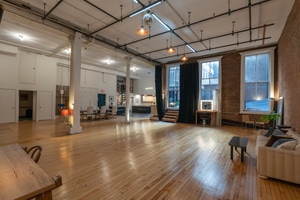
Event Space
∙
New York
2,100 sq ft
from $4,800 per day
See on map

Photo / Filming Studio
∙
New York
2,200 sq ft
from $4,800 per day
5(2)
See on map

Creative Space
∙
Flatiron District
4,000 sq ft
from $10,200 per day
See on map

See on map
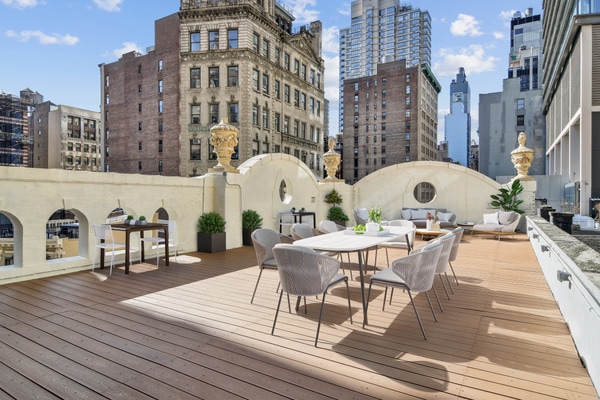
Rooftop
∙
New York
2,769 sq ft
from $4,080 per day
See on map
See on map

See on map

Office Space
∙
New York
150 sq ft
from $200 per day
See on map

See on map
.jpg)
See on map

Office Space
∙
New York
240 sq ft
from $90 per day
Event Space for Rent in Flatiron District, New York
Check our latest articles:
7 Case Studies That Prove Experiential Retail Is the Future;What Is a Pop-Up Shop? Definition, Costs & How It Works
The Flatiron District sits where Broadway crosses Fifth Avenue at 23rd Street, a genuine Manhattan crossroads with office workers, residents, and visitors all present through the week. The neighborhood's early twentieth-century loft and office buildings offer wide ground floors, high ceilings, and the kind of flexible layouts that suit everything from a product launch to a private dinner. For anyone planning a pop-up event in the Flatiron District, the mix of daytime office traffic and evening foot traffic around Madison Square Park creates a fuller trading week than the pure business districts further north. This page covers what is available, what it costs, and how to match an event venue in the Flatiron District to a specific format.
What Types of Event Spaces Are Available in the Flatiron District?
The building stock here dates largely from the early twentieth century, built originally for manufacturing and wholesale trade. That history left behind tall ceilings, large column-spaced floors, and freight access, which is why the district suits event formats that a conventional shop unit could not hold.
-
Industrial lofts with exposed brick and open floor plans, suited to networking receptions, tech product launches, and fashion presentations
-
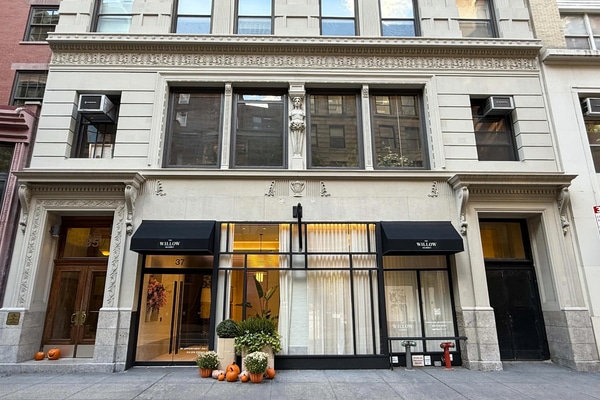
Street-level galleries facing Broadway or Fifth Avenue, with large windows and natural light for art openings, brand activations, and press previews
-
Furnished showrooms with built-in lighting and display infrastructure, practical for sample sales, seasonal pop-up events, and private shopping evenings
-
Rooftop and terrace spaces overlooking Madison Square Park, suited to cocktail receptions and intimate dinners
-
Meeting-ready suites with AV equipment and conference tables, designed for corporate offsites and day-long workshops
Filter by capacity, amenities, and rental duration on the Event Space Rental project page to narrow your search.
How Much Does an Event Space in the Flatiron District Cost?
Event venue pricing in the Flatiron District varies by space size, floor level, amenities, and rental window.
-
Daily rates: from $1,181 to $2,350 per day for most spaces
-
Weekly rates: from $5,000 to $10,000 per week for most spaces
-
Monthly rates: from $15,000 to $30,000 per month for most spaces
Street-level spaces with high-visibility storefronts on the lower stretch of Fifth Avenue tend to sit toward the upper end of these ranges. Upper-floor lofts and interior showrooms often fall closer to the lower end, depending on fit-out and floor level.
Final rates depend on duration, exclusivity, and event timing. Pricing shown reflects typical asking ranges for spaces in the area; final booking terms are negotiated directly with the host.
Why the Flatiron District Works for Events
Flatiron's geography and building character give event organizers several practical advantages over neighboring districts.
A crossroads location between Midtown and Downtown. The district is well connected by subway, with 23rd Street among the fifty busiest stations in Manhattan by annual ridership. Guests arriving from Union Square, Grand Central, or Penn Station reach the area quickly, and the subway runs twenty-four hours a day, so a late event does not require planning around a last-train cutoff.
Foot traffic from Madison Square Park. The park runs a continuous public art program and draws a steady lunchtime and weekend crowd. Ground-floor venues near the park benefit from walk-in curiosity, which matters for consumer-facing activations and pop-up retail. The pedestrianized plazas around the Flatiron Building create usable open space in a part of Manhattan that otherwise has very little.
The right building stock. The Ladies' Mile Historic District runs through here, and its cast-iron buildings were built for retail with the large show windows of that era. Ground floors are unusually wide and tall, which gives event organizers room to build out a layout without the ceiling and column constraints of a standard commercial unit.
A mixed weekday population. The district's office base is heavily technology and media, which gives B2B events and product demos a built-in local audience. That same concentration shapes the surrounding restaurants and coffee shops toward a lunch-driven economy, so guests can extend an event into dinner or drinks without traveling far.
Peak Booking Periods for Flatiron Event Spaces
Demand for event space in New York follows predictable seasonal patterns, and the Flatiron District tracks them closely.
-
New York Fashion Week (February and September): showroom and gallery demand rises as brands host presentations, press previews, and after-parties across Manhattan. Flatiron's loft stock and its position between the Garment District and Chelsea make it a staging ground for overflow bookings.
-
Spring art fairs (May): The Armory Show, Frieze New York, and TEFAF New York all run during the spring season, and art openings and collector events increase demand for gallery-format spaces with white walls and flexible lighting.
-
Corporate offsite season (September through November): companies booking Q4 planning sessions and team events compete for meeting-ready suites and loft spaces. Early booking is common.
-
Holiday season (late November through December): private shopping events, brand pop-ups, and holiday parties fill street-level venues, especially those near Madison Square Park. Black Friday weekend opens the heaviest trading stretch of the year.
Outside those windows, weekday availability is wider, and hosts may offer more flexibility on rates for multi-day or multi-week bookings. August is the quietest month of the year in Manhattan, and it is the cheapest month to take space.
Comparing Flatiron to Nearby Event Neighborhoods
Flatiron is where early twentieth-century architecture and Manhattan's tech and media economy converge, and that combination suits a specific kind of event. How it compares to its neighbors depends on audience and format.
Soho attracts fashion and art events. Street-level galleries offer high foot traffic and a curated aesthetic, but daily rates tend to run higher than Flatiron for comparable square footage.
Lower East Side suits independent brands and community-oriented activations. Smaller venues and a younger demographic keep rates accessible.
Chinatown offers raw and unconventional spaces at lower price points, with a distinctive neighborhood character that works well for culturally engaged brands.
Flatiron's advantage is its weekday population. The district draws a large office crowd from technology and media companies on top of its resident and visitor base, so it delivers footfall on Tuesday through Thursday that pure retail neighborhoods cannot match. For product launches, B2B demos, and corporate receptions, that weekday density is the deciding factor.
Practical Notes for Event Organizers
A few details specific to the Flatiron District that are worth planning around.
Avenues vs. cross-streets. Avenues carry the through-traffic and the larger-format spaces; the numbered cross-streets between them carry the smaller, more independent units. Two addresses one block apart can be completely different event propositions, so visit before confirming.
Corner vs. mid-block. A corner unit in Manhattan carries two frontages and the footfall of both streets, and is priced accordingly. An in-line unit mid-block on the same street is a different proposition.
Weather. New York has genuinely severe seasons. Outdoor formats and rooftop terraces need shade in summer and are close to unusable in midwinter. Heavy snow can suppress street footfall for days at a time, so a winter event with an outdoor component needs a backup plan.
Permits. Requirements vary by event type, expected attendance, and whether you plan to serve food or alcohol. Confirm requirements with the venue host and the local authority before finalizing your booking.
FAQ
What is the minimum rental duration for an event space in the Flatiron District?
Most listings accept bookings starting at one day. Some hosts set a minimum of two or three days for larger loft spaces, especially during peak periods. Check each listing for specific terms.
Do Flatiron event venues include furniture and AV equipment?
It depends on the venue. Furnished showrooms and meeting suites often include tables, chairs, lighting, and basic AV. Raw loft spaces and galleries are typically rented as blank canvases, with furniture and AV available through third-party rental companies. Each listing specifies what is included.
What neighborhoods border the Flatiron District?
The Flatiron and NoMad business improvement district covers both neighborhoods as one commercial area. Union Square sits to the south, Chelsea to the west, and Gramercy to the east. All are within a short walk. For a broader look at New York neighborhoods, browse the city-level search page.
Can I host a pop-up event in the Flatiron District without a long-term lease?
Yes. Short-term and temporary event space rental is what the platform is built for. You can book an event venue in the Flatiron District for as little as one day without signing a traditional commercial lease.
How does Flatiron compare to SoHo for events?
SoHo offers higher foot traffic and a fashion-forward audience, but at a premium. Flatiron delivers a stronger weekday office crowd at a lower daily rate, which makes it better suited to B2B events, tech launches, and corporate receptions. Both neighborhoods share the same loft building stock with tall ceilings and open floors.


