We use cookies and similar technologies to track your activity and improve your experience.
Sort by
Recommended
See on map

Event Space
∙
New York
350 sq ft
from $2,400 per day
5(1)
See on map
Fast Responder

Boutique / Shop
∙
New York
2,400 sq ft
from $6,000 per day
Fast Responder
See on map
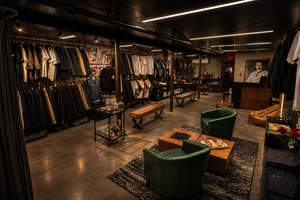
Event Space
∙
New York
1,000 sq ft
from $3,000 per day
See on map

See on map

Boutique / Shop
∙
New York
400 sq ft
from $960 per day
5(1)
See on map
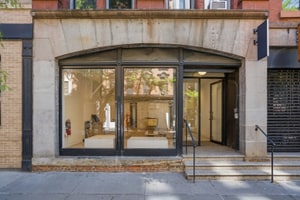
Boutique / Shop
∙
New York
3,800 sq ft
from $14,400 per day
See on map

Pop-Up Gallery and Exhibition Space on Elizabeth Street, New York
Elizabeth Street is the quietest and most design-led of Nolita's three main streets. Homeware stores, jewelry studios, considered fashion and small galleries line its narrow frontages, and the foot traffic is deliberate rather than casual. Visitors arrive knowing what they are looking for, which makes it one of the stronger settings in downtown Manhattan for a temporary art exhibition or pop-up gallery.
For artists, curators and brands planning a short-term show, Elizabeth Street offers something the busier corridors nearby do not: a tight, walkable block where every window is at eye level and the audience is already primed for discovery.
Why Elizabeth Street works for an exhibition space
Nolita sits between SoHo to the west and the Bowery to the east. Prince Street and Spring Street continue east from SoHo into the neighborhood, but the character shifts as they cross Lafayette Street: units shrink, brands get smaller and the crowd thins. That change is the point. A pop-up gallery on Elizabeth Street sits in a quieter, more residential setting where a distinctive window display does real work.
The frontages here are among the smallest in Manhattan. Most are single-room ground-floor units in tenement buildings, with residential floors above and tree cover along parts of the street. That scale suits a tightly edited show, a single-artist presentation or a curated capsule far better than a large open floor would.
How Elizabeth Street compares to nearby art corridors
Mott Street, one block west, carries more browsing traffic and a wider mix of retail. Mulberry Street runs through the heart of the old Special Little Italy District, where zoning preserves small shopfronts and keeps the street at a neighborhood scale. Lafayette Street, at Nolita's western edge, is wider and busier, with larger units and more established brands.
Elizabeth Street sits at the affordable end of those three options. Its lower visibility from a distance means rents reflect a destination audience rather than passing volume, which is a practical advantage for a show that will draw its own visitors through social media, press or direct invitation.
For art space across the wider city, neighborhoods like Chelsea and the Upper East Side offer a different proposition: larger floors, established gallery clusters and institutional neighbors. Elizabeth Street is the opposite move, a street where a small, independent show can feel like a find rather than a stop on a circuit.
When to book a pop-up gallery in Nolita
Demand for short-term space in New York peaks around the fashion weeks in February and September, through the run-up to the December holidays and again in the spring sample-sale season. Art activations follow a similar rhythm. The back-to-school return in late August and early September refills the city and brings one of the sharpest upswings in the calendar.
Late summer, and especially August, is the quietest stretch. Much of the industry leaves the city, foot traffic drops and rents for short lets are at their most negotiable. For an artist testing a new body of work or a brand soft-launching a collaboration, that quieter window can be the better buy.
The weeks after the December holidays combine post-Christmas spending fatigue with the coldest weather. Rates drop again, and a well-promoted opening can stand out precisely because the calendar around it is empty. Valentine's Day on 14 February offers one of the few natural lifts in that stretch.
What the small-unit format means for your show
The typical Elizabeth Street unit is a single narrow room with minimal back-of-house storage. That constraint shapes the kind of show that works here:
-
A solo artist presentation with a limited edition run
-
A curated group show of small-scale work: photography, drawing, prints, jewelry or ceramics
-
A brand collaboration launching a capsule collection alongside original artwork
-
A gallery pop-up testing a New York audience before committing to a longer presence
Larger installations, sculpture shows requiring freight access or exhibitions needing deep storage are better served by the loft buildings of SoHo, NoHo or the Garment District, where tall ceilings, large column-spaced floors and freight elevators are standard.
Getting to Elizabeth Street
Nolita is served by the Bowery, Prince Street and Spring Street subway stations, all a short walk from the main retail run. The area is well connected but compact enough that most visitors arrive on foot from neighboring districts.
For more on the neighborhood and what makes it work for short-term retail and gallery use, the Nolita pop-up guide and the Nolita neighborhood guide cover the wider context.
FAQ
Why choose Elizabeth Street over busier streets in Nolita?
Elizabeth Street is the most design-led and the most affordable of Nolita's three main streets. It draws a destination audience rather than casual browsers, which suits an exhibition that will promote itself directly. Mott Street carries more foot traffic but less focus, and Mulberry Street sits in the Special Little Italy District where the character leans more toward food and neighborhood retail.
What kind of exhibition space is available on Elizabeth Street?
Most units are small, single-room ground-floor spaces in tenement buildings with residential floors above. They suit tightly edited shows, photography exhibitions, small sculpture displays and curated capsule presentations. Brands and artists needing large open floors or freight access will find those in the loft buildings of SoHo or the Garment District instead.
When is the cheapest time to rent a pop-up gallery in Nolita?
August is the quietest month in Manhattan, and the weeks after the December holidays are similarly slow. Both windows offer the most negotiable rates. Booking midweek rather than over a weekend, or taking a longer run rather than a single weekend, also helps bring the daily rate down.
How does foot traffic on Elizabeth Street compare to SoHo?
Elizabeth Street is noticeably quieter. The nearest subway station, Prince Street, sits well outside the fifty busiest in Manhattan, and footfall here is local rather than through-traffic. That suits a destination gallery more than an impulse-driven retail concept. For higher volume, Chelsea and the SoHo main streets offer a different scale.
Can I run a pop-up gallery on Elizabeth Street for just a few days?
Yes. Short-term gallery rentals on the platform are agreed directly with the space owner. A longer booking usually earns a better daily rate, but weekend-only and single-week activations are common, especially around the fashion weeks and the holiday season.


