

Cheap Retail Space Rental in New York: What to Expect
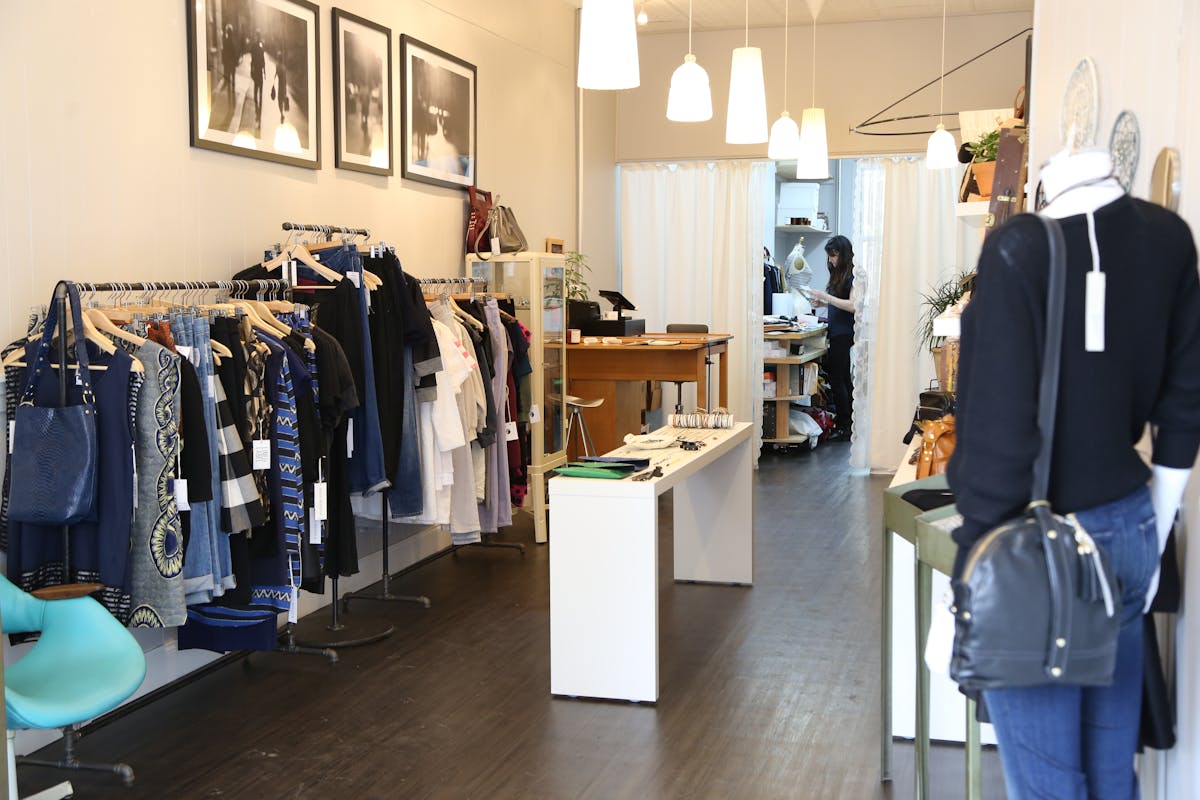
Cheap retail space in New York is more available than most brands assume. While prime SoHo blocks and Fifth Avenue command rates that suit global flagships, the broader market includes hundreds of affordable storefronts, side-street boutiques, and outer-borough locations that deliver real foot traffic at realistic price points.
The splits are consistent across the market. Global flagships take Fifth Avenue, Madison Avenue, and SoHo's main corridors. Emerging and independent labels take the Lower East Side, Nolita, and the East Village, where small ground-floor units and a dense bar and restaurant economy bring steady evening footfall. Wholesale and trade-facing showrooms sit in the Garment District. Cheap retail space rental in New York means working in the second and third tier of those corridors, where landlords negotiate on term and brands get a Manhattan or Brooklyn address at a fraction of the prime rate.
How Much Does Cheap Retail Space Cost in NYC?
Costs vary by borough, neighborhood, and lease structure. The price hierarchy below reflects market conditions as of 2025.
-
Outer-borough storefronts (Astoria, Long Island City, Bushwick): lowest entry point in the market, with daily rates for small formats that suit test-and-learn budgets
-
Brooklyn core (Williamsburg, DUMBO): mid-range, strong weekend footfall, popular with fashion, lifestyle, and food brands
-
Manhattan side streets (Lower East Side, Nolita, East Village): higher than Brooklyn but well below prime corridors; units are small and competition is active
-
Manhattan prime corridors (SoHo main streets, Meatpacking, Herald Square): above the ceiling for cheap retail space; not the focus of this page
New York places no restriction on Sunday trading, and weekend footfall in the downtown districts typically runs higher than midweek. A temporary space can plan on a seven-day week, which improves the economics of a short-term lease significantly.
Choosing the Right Neighborhood for Affordable Retail Space
Price is one variable. Foot-traffic pattern, shopper profile, and transit access determine whether a cheap retail space rental in New York actually performs.
SoHo and Nolita
SoHo is the highest-demand short-term retail district in the city. Its cast-iron loft buildings give wide ground-floor frontage and high ceilings, which is why it carries more pop-up activity than any other Manhattan neighborhood. Cheap retail space here means side streets and in-line mid-block units rather than the main corridors, but the spillover foot traffic is real. Nolita, immediately to its east, is small-unit territory: narrow shopfronts on short blocks occupied by independent and emerging labels. It reads as the boutique-scale counterpart to SoHo and suits brands that want discovery rather than volume. Browse retail space in New York to filter by neighborhood and size.
Lower East Side and East Village
The Lower East Side has the highest concentration of small independent storefronts in downtown Manhattan. Combined with a dense bar and music scene, it delivers strong evening footfall and is where new labels most often test New York at street level. The East Village is its western neighbor: low-rise, small ground-floor units, a long association with independent music and vintage retail, and a neighborhood that moves in the evenings. Both areas are transit-accessible, and the subway runs through the night, which matters for late events.
Chelsea
Chelsea is the center of New York's contemporary gallery scene, concentrated in the West 20s. Gallery buildings there offer large column-free floors that suit exhibitions, showrooms, and brand activations. For affordable retail space in New York with a creative or art-adjacent identity, Chelsea is the strongest option in Manhattan outside SoHo. For options that combine retail and residential access, Storefront With Apartment listings are available on the platform.
Brooklyn: Williamsburg, DUMBO, Bushwick
Brooklyn offers the strongest value-to-traffic ratio in the city for affordable retail space in New York. Williamsburg is the borough's highest-demand neighborhood: its L train connectivity brings a large daily population across from Manhattan, and weekend foot traffic along its main retail corridors is consistently strong. DUMBO attracts a design and creative professional audience, with large loft floorplates left from its warehouse past. Bushwick suits streetwear, art, and independent brands operating at the earliest stage of market entry.
Queens: Astoria and Long Island City
Queens is the most affordable borough for budget retail space in New York. Astoria has dense foot traffic, diverse demographics, and direct subway access to Midtown. Long Island City benefits from proximity to Manhattan and a growing residential base. Both areas suit brands whose customer is local and repeat rather than destination-driven.
Peak Booking Seasons for Cheap Retail Space in New York
Demand for short-term retail space in New York peaks in predictable windows, and brands booking cheap space on a short lead time will find inventory tightest at those moments.
September and February are the highest-demand months in the market. New York Fashion Week runs in both, drawing international buyers and press to shows and presentations across Manhattan and filling showroom and pop-up space in the Garment District, SoHo, and Chelsea well in advance.
October through December is the busiest retail stretch of the year. Halloween drives a distinct wave of short-term openings through September and October. The run-up to the December holidays is when Midtown and tourist-adjacent neighborhoods see their strongest trading, and inventory on the affordable end of the market books quickly once September begins. Brands planning holiday retail concepts should identify space by early autumn.
Spring brings a second peak around the sample-sale season and Frieze New York, which draws a concentration of international collectors and gallery activity across the city each spring. NYCxDesign, the city's annual design festival, turns showrooms and commercial spaces into temporary exhibition venues and is the main seasonal moment for interiors and furniture brands.
August is the quietest month of the year in Manhattan. Much of the resident and working population leaves the city, office districts thin out, and the fashion and media industries largely stop. Rents for short lets are at their most negotiable then. Brands willing to trade a softer audience for a lower rate will find August the easiest month to negotiate cheap retail space rental in New York.
The weeks immediately after the December holidays are the second-weakest period, combining post-holiday spending fatigue with cold weather. Like August, it is a window where landlords on affordable listings are more flexible on rate and term.
Cheap Retail Space by Use Case
Pop-up shops
Short-term leases of one to four weeks in high-footfall neighborhoods suit pop-up formats best. Small retail space in New York under 500 square feet works well for product launches, sampling, and limited-edition drops. The sample sale is a New York institution and one of the largest single uses of short-term retail space in the city: brands take raw or temporary space for a few days to sell through stock, most often in SoHo, Chelsea, and the Garment District. Browse Pop Up Store Rental listings on the platform for verified short-term inventory across all five boroughs.
Seasonal concepts
Holiday retail, summer activations, and back-to-school concepts typically need four to twelve weeks. Midtown and tourist-adjacent neighborhoods perform best for seasonal volume. Brands planning a holiday concept should book by early autumn, when affordable inventory in those areas begins to fill. Summer concepts in Brooklyn and Queens are more flexible on lead time but benefit from confirming space before the Memorial Day weekend, which opens the summer trading window.
Brand launches and market entry
Three to six month leases in neighborhoods that match brand identity give a brand enough data to make a permanent real estate decision. A sustainable fashion label lands differently in Williamsburg than in Midtown, and the right neighborhood matters more than the lowest rate. For brands comparing options across the city, retail space in New York filtered by neighborhood and lease length is the fastest way to map the market.
DTC and e-commerce brands testing physical retail
Brands testing physical retail for the first time should prioritize small retail space for rent in New York with flexible exit clauses. Starting with a monthly lease in Brooklyn or Queens limits downside while generating real consumer data. The loft buildings of SoHo, NoHo, Tribeca, and the Garment District, built for manufacturing, offer tall ceilings and large column-spaced floors that a conventional shop unit cannot match, and some of those buildings have affordable availability outside the prime blocks.
For a broader view of the market, retail space in New York lists available options with filters for borough, size, and lease length.
FAQ
What counts as cheap retail space for rent in New York?
Cheap retail space for rent in New York refers to storefronts priced below the Manhattan prime-corridor average. In practice, this covers outer-borough locations, side-street Manhattan storefronts, and spaces in neighborhoods where foot traffic is strong but rents have not reached the levels of the main shopping corridors. The Lower East Side, Nolita, the East Village, and much of Brooklyn and Queens fall into this category.
Where is the most affordable retail space in NYC?
Queens and Brooklyn consistently offer the most affordable retail space in New York. Astoria, Long Island City, Bushwick, and Williamsburg provide genuine foot traffic at rates well below comparable Manhattan addresses. In Manhattan, side streets in the Lower East Side, Nolita, and off-avenue Midtown blocks offer the strongest value for brands that need a Manhattan address.
Can I rent cheap retail space in New York short-term?
Yes. Storefront is the world's largest marketplace for short-term retail space. Cheap retail space rental New York options on the platform are available from a single day to several months, with no requirement for a long-term commitment. This makes it particularly suited to pop-ups, seasonal brands, and first-time physical retail operators.
How do I find small retail space for rent in New York without a broker?
Storefront lists small retail space for rent in New York directly, connecting renters with landlords and space managers. Use the filters on the search page to set a maximum price, preferred neighborhood, and minimum square footage. Because listings update in real time, a brand with a short lead time can identify and book a space within days rather than weeks.
When should I book cheap retail space in New York for the holidays?
Affordable inventory in Midtown and tourist-adjacent neighborhoods begins to fill once September arrives. Brands planning a holiday concept should identify and confirm space by early autumn at the latest. August, when the market is at its quietest, is the best month to negotiate rate and terms on a space that will open in October or November.
Is cheap retail space available in Manhattan?
Yes. Affordable retail space in New York exists in Manhattan outside the prime shopping corridors. Side streets in SoHo, the Lower East Side, Nolita, and off-avenue Midtown blocks list at rates significantly below the borough average. The loft buildings of SoHo, NoHo, and Tribeca also offer large floors at affordable rates on blocks that sit one or two streets away from the main corridors.


