What is Cheap Retail Space in San Francisco?
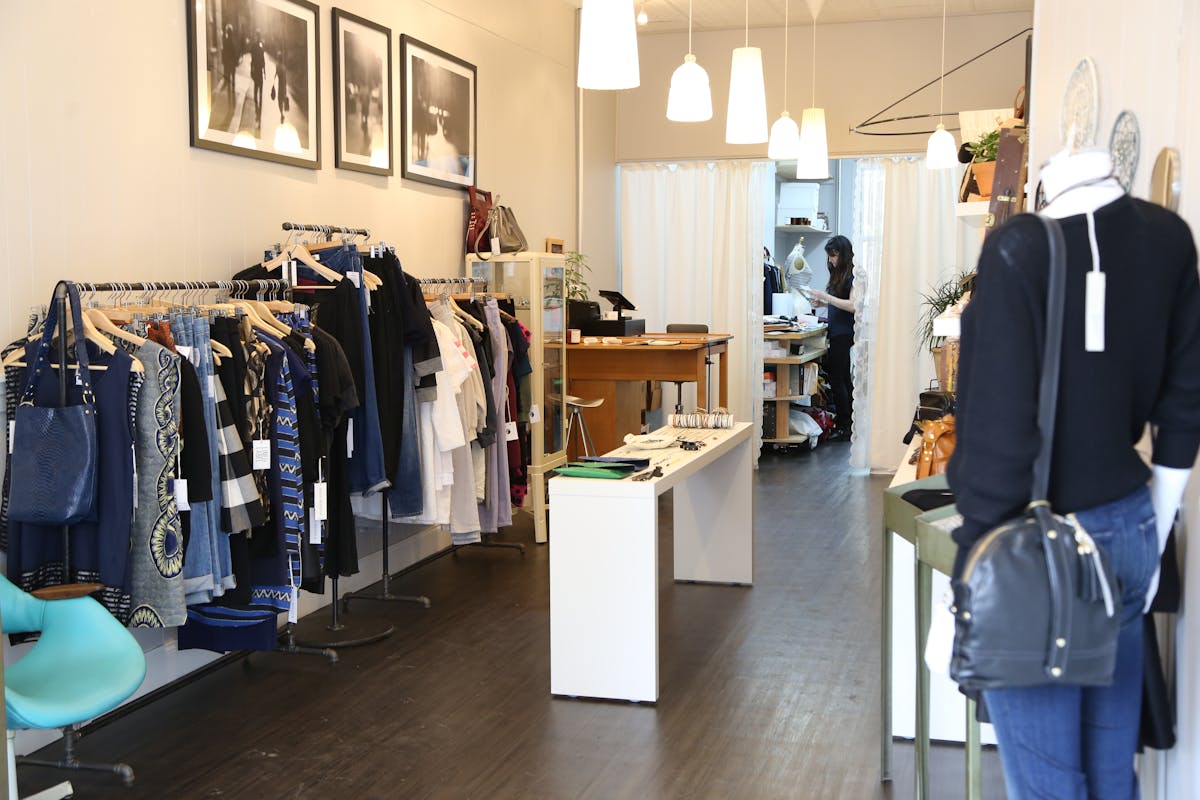
Cheap retail space in San Francisco means short-term rental flexibility without the premium attached to Union Square or the Financial District. For emerging brands and seasonal operators, a short lease in a neighborhood corridor or secondary district opens access to foot traffic and lease terms that a traditional storefront cannot match. Most budget-focused rentals run from one day to several months, letting a brand test a location, run a sample sale, or activate for an event without the financial commitment of a flagship.
San Francisco's retail economy splits into two very different markets. Downtown, Union Square and the Financial District, runs on office workers, hotel guests and conventions, so it is busiest on weekdays and during the convention calendar. The neighborhood shopping corridors, Valencia, Hayes, Mission, Fillmore, Chestnut and Haight, run on residents and weekend visitors and are busiest exactly when downtown is quiet. Which market a space sits in matters more than the specific street when you are optimizing for rate.
Neighborhoods With Strong Cheap Retail Inventory
Mission District is the densest commercial neighborhood in the city and its two parallel shopping streets, Mission and Valencia, carry different audiences. Mission Street is the working spine, wide and busy with everyday retail and transit access. Valencia one block west is the browsing corridor, lined with independent shops in Victorian and Edwardian buildings with modest floor areas. Both carry ground-floor space in small unit widths that suit a single-brand pop-up or sample sale.
SoMa, South of Market, holds the city's supply of large-floorplate space. Brick and concrete warehouses with high ceilings, roll-up doors and street-level loading are common here, making it the default for launches, showrooms or events needing depth and clear span. The neighborhood trades to the Moscone Center convention calendar and to weekend visitors drawn by Yerba Buena Gardens and the cultural corridor, so demand and rates shift with the events calendar.
Tenderloin sits between Union Square and Civic Center and carries considerably lower rents than either because it is dense with residential hotels, SROs and social services. Ground-floor retail here is older and smaller, and the foot traffic is mixed: workday traffic on the Market Street edge, residential traffic in the interior blocks. For a brand that can work a complicated block, the rate advantage is substantial.
Lower Haight runs between Divisadero and Octavia and is the cheapest genuinely walkable retail address in the western neighborhoods. It trades to its own residents rather than to visitors: record shops, bars, small restaurants, a barber, a bookshop. Rents are lower than in Hayes Valley a few blocks east and considerably lower than in the Upper Haight.
Bayview, Dogpatch, Potrero Hill and the southeastern neighborhoods sit beside freeway ramps on flat ground with service yards and are straightforward for anything installation-heavy. They have lower foot traffic than the neighborhood shopping streets and lower rates to match, and they access the regional highway network directly for deliveries and setup.
Use Cases for Budget Retail in San Francisco
Pop-up shops are the most straightforward use. Take a vacant commercial space or a space already carrying a legal retail use, get a Temporary Use Authorization for up to three years, and operate a pop-up retail, arts activity or entertainment use. The Planning Department's authorization is available in all zoning districts except residential ones. Standard conditions include no alcohol service, no operating past 10pm, and no more than one pop-up authorization within a six-month period.
Sample sales and flash sales are short-run, high-intensity activations. A brand clears seasonal inventory, tests customer response to a new category, or runs a time-bound offer on a fixed location. These usually run days to weeks and work well on a corridor where foot traffic is already established rather than in an isolated location.
Test markets let an emerging brand validate a neighborhood or a customer base before committing to a longer lease. A two-week or one-month trial in a cheap space costs far less than a six-month experiment would, and the neighborhood shopping corridors are set up for exactly that kind of short-run learning.
Showrooms and design studios operate as permanent uses but use short-term space to move between locations, to pilot a new neighborhood, or to scale without capital-intensive buildout. SoMa's warehouses are the primary market for this because they offer clear floor, high ceiling and loading access.
How to Plan Your Booking
San Francisco's calendar drives retail demand sharply. Lunar New Year in late January or February is one of the largest retail seasons in the city. Thanksgiving marks the start of the holiday retail season, and the week before Christmas is the busiest shopping stretch. Black Friday and the weekend following it in November open the holiday period. Visitor numbers peak from June to August, which makes Union Square and Haight Street busy then and the neighborhood corridors quiet. September and October are the best weather and strong trading months. June is Pride month and draws significant visitor numbers and brand activation.
The neighborhoods linked above have organized merchants associations that run farmers markets, street fairs and seasonal closures that generate corridor footfall. They are the practical route into a street for anyone arriving from outside and, on smaller corridors, they may have a voice in whether a new pop-up is welcomed.
Permitting for temporary retail runs through the Planning Department and carries standard conditions. The straightforward path is a Temporary Use Authorization, which covers pop-up retail and is available for up to three years. Applications are typically decided within weeks rather than months if the space is already a legal retail use. A neighborhood notification period may apply, during which residents and neighboring businesses are written to and may object, and an objection can elevate a routine application to a public hearing. This is the single largest source of unpredictability in a San Francisco timeline.
FAQ
What counts as cheap retail space in San Francisco?
In San Francisco context, cheap retail means short-term flexible space priced for daily or weekly booking rather than a traditional monthly lease. It typically sits in neighborhood corridors or secondary districts rather than in downtown Union Square, and it spans everything from small Victorian storefronts on Valencia to large warehouse space in SoMa. The rate advantage comes from flexibility and duration, not from poor condition or poor location.
How long can I rent cheap retail space for?
Rentals range from one day to several months. Daily and weekly bookings work well for sample sales, events and brand activations. Monthly and multi-month bookings suit test markets, seasonal inventory clearance, and temporary showrooms. Lease terms are agreed directly with the space owner through the Storefront platform.
Which San Francisco neighborhoods have the lowest rates?
Tenderloin, Lower Haight, Bayview and the southeastern neighborhoods carry the lowest rates because they have lower foot traffic than the main shopping corridors. If foot traffic is not your constraint, those neighborhoods offer the best rate advantage. Mission District and SoMa offer a middle ground: good foot traffic and moderate rates. Union Square and downtown are the most expensive.
Do I need to pay a deposit or insurance?
Deposits, insurance and cleaning are agreed directly with the landlord and vary by space, duration and the kind of activity. Read the individual listing and the booking terms and conditions to understand what the space owner requires.
How far in advance should I book during peak season?
Peak season runs from mid-November through December for holiday retail, and from June through August for visitor season. During these periods, the best spaces book weeks or months ahead. Booking early gives you the widest choice; booking late means you are choosing from what remains. Off-season (January through April, September and October) typically has broader availability.
What's included in a retail space rental?
What is included varies by space and is set out in the individual listing. Most short-term rentals are raw space with utilities; some include furnishings, fixtures or POS access. Ask the space owner what is included before booking and what build-out, storage or equipment rental you need to arrange separately.
Explore more: Pop-Up Store Rental · Storefront With Apartment