


What Makes a Daylight Photography Studio
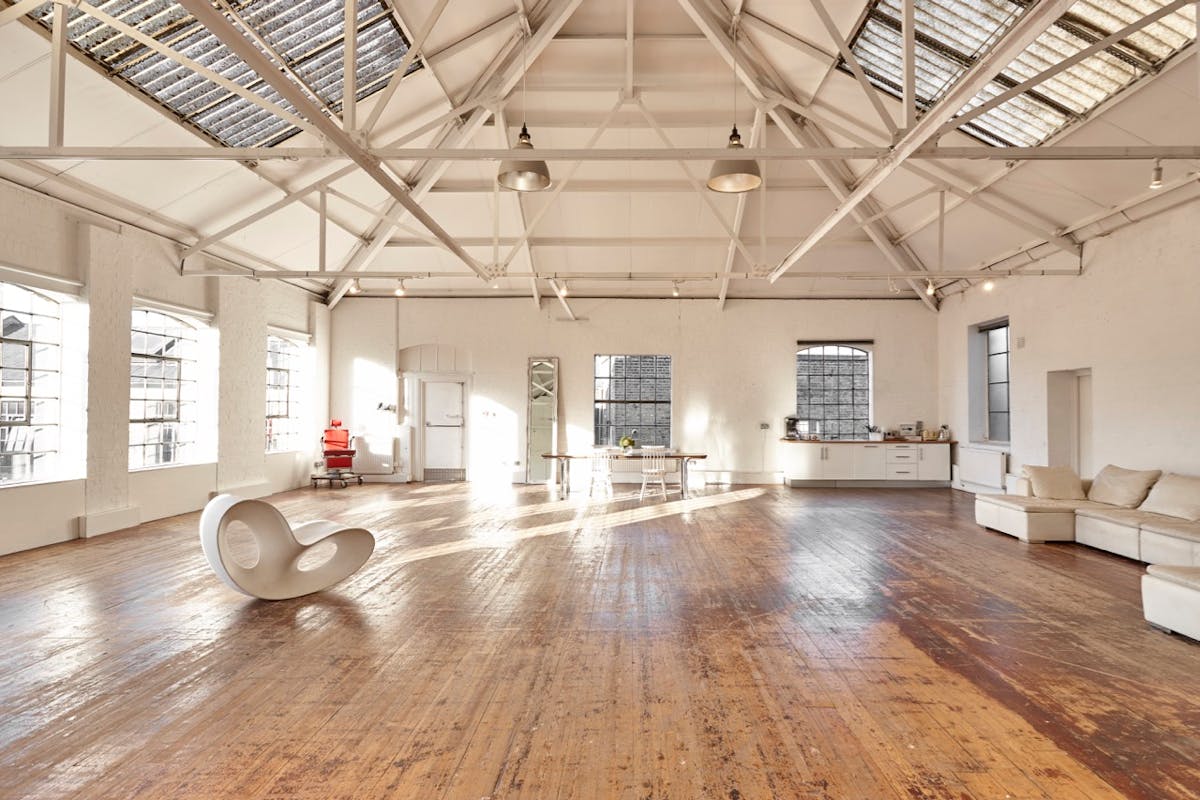
A daylight photography studio is a rentable space where natural light, rather than artificial lighting rigs, does the primary work. The defining features are large windows or skylights, sufficient ceiling height to allow light to travel and diffuse, and a neutral interior that does not cast colored reflections onto a subject.
Natural light matters for photography because it renders color accurately without the green or magenta cast that uncorrected artificial sources introduce. For skin tones, fabric texture, and product detail, daylight is the baseline that studio lights are engineered to replicate. A genuine daylight studio offers that baseline without correction.
The direction a window faces changes the quality of light throughout the day. North-facing windows deliver even, consistent, cool-toned light that does not shift dramatically as the sun moves, which suits product photography and any shoot where consistency across frames matters more than drama. South-facing windows bring warmer, directional light with more contrast, which suits fashion and editorial work where mood is part of the brief. East-facing rooms are brightest in the morning; west-facing rooms hold usable light into the afternoon.
Seasonally, winter sun in New York sits lower in the sky, so light enters windows at a shallower angle and travels further into a room, but it arrives later in the morning and fades earlier in the afternoon. Summer light is higher and more intense, which can mean harsh direct patches unless the space has diffusion curtains or northern exposure. Booking earlier in the day in winter and relying on north-facing or diffused spaces in summer are both common adjustments.
Daylight Studios by Use Case
Fashion and Beauty Photography
Fashion and beauty shoots typically need a large shooting area with enough ceiling height to rig a reflector or diffusion panel alongside the available window light. Changing areas, good power access for hair and makeup, and a freight-accessible entrance for wardrobe and equipment cases all matter. SoHo and Tribeca loft buildings, built for manufacturing with wide column-free floors and tall ceilings, are a natural fit. For more on finding the right space type, the broader guide to Photo Shooting Space Rental covers what to look for across all natural-light formats.
Product and E-Commerce Photography
Product and e-commerce photographers typically need a smaller footprint but more consistent light. A north-facing room with a clean white or grey wall, a shooting table, and enough power for a laptop and tethering setup is often sufficient. The priority is repeatability: the same light quality from frame to frame across a full catalog shoot. Spaces in Tribeca, with their wide loft floors and deliberate, residential-feeling calm, suit this kind of quiet, methodical work well.
Video Production
Video work puts additional demands on a daylight studio: the light must remain consistent across a shoot day, not just a single frame, and any change in natural light between takes creates continuity problems. Video teams using daylight spaces typically combine natural light with daylight-balanced LED panels to smooth out cloud-cover shifts. High ceilings matter for boom operators and overhead rigs. Spaces with good sound isolation are a bonus, since street noise enters through the same windows that admit light.
Neighborhoods for Daylight Photography Studios in New York
New York's daylight studio supply concentrates in neighborhoods where the building stock includes large-floor, high-ceiling loft conversions with significant window area.
-
SoHo carries the densest concentration of cast-iron loft buildings in Manhattan, with tall windows on upper floors and wide column-free interiors. It is the most established address for fashion and editorial photography in the city.
-
Tribeca offers a similar loft typology on a quieter, more residential street pattern. Studios here suit shoots where access, calm, and scale matter more than foot-traffic visibility.
-
NoHo sits between the two, with a small number of architecturally protected loft buildings and some of the largest high-specification ground-floor units in lower Manhattan.
For a full view of available photo shooting space in New York, including spaces outside these core neighborhoods, the search page covers the full city.
Permits and Practical Considerations
A daylight photography studio rented for a private shoot does not typically require a city permit, but location shoots in public spaces, on sidewalks, or using city property do. New York City's Mayor's Office of Media and Entertainment issues film permits, and the threshold for when one is needed is lower than many photographers assume: a tripod on a public sidewalk can require a permit depending on the borough and the block.
Buildings in Manhattan's landmarked historic districts, which include large parts of SoHo and Tribeca, have exterior restrictions managed by the Landmarks Preservation Commission. Interior studio use is unaffected, but any external signage or branding for a commercial shoot involving the building facade would require review.
For shoots involving food, alcohol, or a larger assembled crew, the same rules that govern any commercial use of a New York space apply. The certificate of occupancy for the building sets what the space may lawfully be used for and how many people it may hold, and confirming it matches the planned use is worth doing before the shoot day.
FAQ
What is the difference between a north-facing and a south-facing daylight studio?
North-facing studios receive indirect light that stays consistent throughout the day, with a cool, even quality that is well suited to product photography and catalog work. South-facing studios get direct sunlight at some point during the day, producing warmer, more directional light with stronger contrast. Fashion and editorial photographers often prefer south-facing spaces for the mood the direct light creates, while product and e-commerce shooters typically favor north-facing rooms for consistency.
What time of day is best for a daylight photography studio shoot?
For most daylight studios, the two to three hours on either side of solar noon deliver the most usable light. In winter in New York, that window is shorter and the sun sits lower, so morning bookings starting at 9am capture the full usable day. In summer, a studio with good diffusion or northern exposure avoids the harsh midday patches that a south-facing room can produce. Booking a studio for longer than the shoot itself, to allow for setup and for light to settle, is standard practice.
Can I bring my own photography equipment to a rented daylight studio?
In most cases, yes. Storefront listings show what the space provides, and renters can bring additional equipment directly with the space owner. Confirm load-in access, elevator or freight lift availability, and any restrictions on rigging or anchoring to walls or ceilings before the shoot day.
How far in advance should I book a daylight photography studio in New York?
For a single shoot day, a week's notice is usually enough outside peak periods. Fashion week months, February and September, see significantly higher demand for loft and studio space across Manhattan, and booking four to six weeks ahead during those periods is advisable. The holiday run-up from November onward is also a busy stretch for product and e-commerce shoots.
Is a daylight studio different from a standard photography studio?
Yes. A standard photography studio is typically configured for artificial lighting, with blacked-out windows, a seamless paper backdrop system, and built-in lighting rigs. A daylight photography studio is designed around natural light: large windows or skylights, neutral interiors, and enough ceiling height for the light to reach a subject without obstruction. Some spaces offer both, with blackout options for artificial setups.


