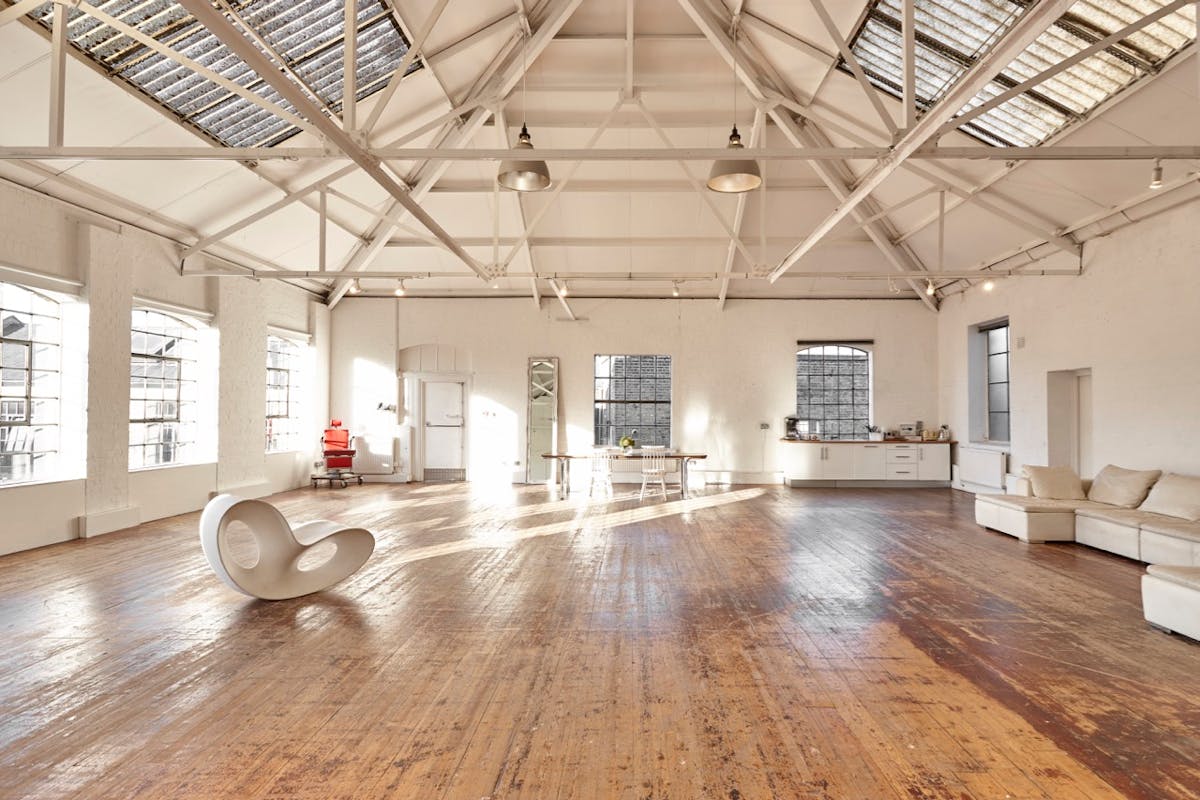
Natural light produces soft, even illumination that is difficult to replicate with artificial setups. For product photography, fashion editorials, beauty campaigns and portrait work, a studio flooded with daylight reduces post-production time and delivers a quality of image that strobes alone cannot match. The word "daylight" on a studio listing signals large windows, high ceilings and a space designed around the sun rather than around a lighting rig.
Milan is a strong city for this kind of work. The fashion and design industry keeps a professional photography population here year-round, and the building stock, particularly the converted industrial spaces of the southern and western districts, provides exactly the tall, wide-windowed volumes that daylight photography requires. Courtyard buildings across the city hide generous interior spaces behind gated street entrances, many of them fitted out as working studios with north-facing glass and finished concrete floors.
How to Choose the Right Daylight Studio
Not every space marketed as a daylight studio delivers the same working conditions. Before booking, check for these specifics:
-
Window orientation: north-facing glass gives the most consistent, shadow-free light through the day. South and west exposures are brighter but shift as the sun moves, which can limit usable shooting hours.
-
Ceiling height: anything too low restricts overhead bounce and limits set builds. The best Milan daylight studios sit in former factories or warehouses with generous ceiling heights.
-
Blackout capability: a cheap daylight studio still needs curtains or blinds so the photographer can control contrast and mix natural with artificial light when the brief demands it.
-
Power supply: even in a natural-light space, continuous lights, monitors and tethered cameras draw current. Confirm the amperage before bringing a full production setup.
-
Loading access: large product sets, furniture and wardrobe rails need vehicle access and a goods entrance. Many Milan studios sit behind courtyard gates with access wide enough for a van.
Where to Find Daylight Studios in Milan
Milan's photography studios concentrate in a handful of districts, each with a different character.
Zona Tortona is the converted industrial quarter south west of the center, along Via Tortona and Via Savona. The stock here is former factories with tall ceilings, column-free spans and vehicle access through courtyard gates. Outside Design Week, when the district fills with installations, its daily business is photographic production and it is the densest concentration of working studios in the city. Browse all photo shooting space in Milan to see current availability across the city, or look specifically at Sempione for studios near the park.
Brera sits north of the Duomo in a grid of narrow cobbled streets around the fine arts academy. The permanent trade here leans toward design showrooms and galleries, but upper-floor and courtyard spaces with good natural light serve appointment-based photography well. The setting itself, historic low buildings and pedestrian lanes, is often part of the brief.
The Navigli district along the canals to the south holds smaller studios in converted ground floors, with the canal banks and case di ringhiera courtyards providing a distinctive backdrop for location work that starts in the studio and moves outside.
For a broader view of photo shooting space rental options beyond Milan, the project page covers what to expect from daylight and production studios in cities worldwide.
Pricing for Daylight Photography Studios in Milan
Daily rates for photography studios in Milan typically sit between €300 and €400. Rates vary by district, studio size, included equipment and whether the booking falls during a peak period such as Design Week or Milan Fashion Week, when temporary space across the city commands a premium.
Final rates depend on duration, exclusivity, and event timing. Pricing shown reflects typical asking ranges for spaces in the area; final booking terms are negotiated directly with the host.
Planning a Shoot in Milan
Milan sits on the Po plain with a continental climate: overcast and damp through much of winter, bright and hot in summer. The strongest natural light falls between April and October, and the city's August shutdown, when many businesses close around Ferragosto on 15 August, means a reduced pool of available studios and support services during that window.
The busiest periods for temporary space are Design Week in April, Milan Fashion Week in February and September, and the Christmas trading run through to the Epiphany on 6 January. Booking a daylight photography studio rental in Milan during those weeks means planning ahead. Outside those peaks, availability is wider and lead times shorter.
For related work in the city, the photo studio Milan selection covers all studio types, and two case studies show how brands have used Milan spaces for launches: Moose Knuckles in Milan and La Revêche swimwear pop-up.
FAQ
What makes a daylight photography studio different from a standard studio?
A daylight photography studio is built around natural light from large windows or skylights rather than relying entirely on artificial lighting. The space is designed so photographers can use the sun as the primary light source, which produces softer tones and more natural color. Most also allow blackout for mixed-light setups.
What times of day give the best light in a Milan daylight studio?
It depends on window orientation. North-facing studios provide consistent, diffused light throughout the day. South and west-facing spaces are brightest in the afternoon but shift in intensity and angle as the sun moves. Confirm the orientation before booking and plan the shoot schedule around it.
How far in advance should I book a daylight studio in Milan?
Outside peak periods, a few days to a week is often enough. During Design Week in April or Milan Fashion Week in February and September, studios book out weeks or months ahead. For those windows, confirm dates as early as possible.
Can I use a daylight studio for video as well as photography?
Many daylight studios accommodate video production. Check ceiling height for rigging, power supply for monitors and lighting, and acoustic conditions if recording sound. Loading access matters for larger video setups with heavy equipment.
Is there a weekly rate for daylight studios in Milan?
Weekly rates vary by studio and are agreed directly with the host. Not all studios publish a weekly figure, so enquire through the listing. Multi-day bookings often carry a lower effective daily rate than single-day hires.