Why Ground Level Retail Matters in Montreal
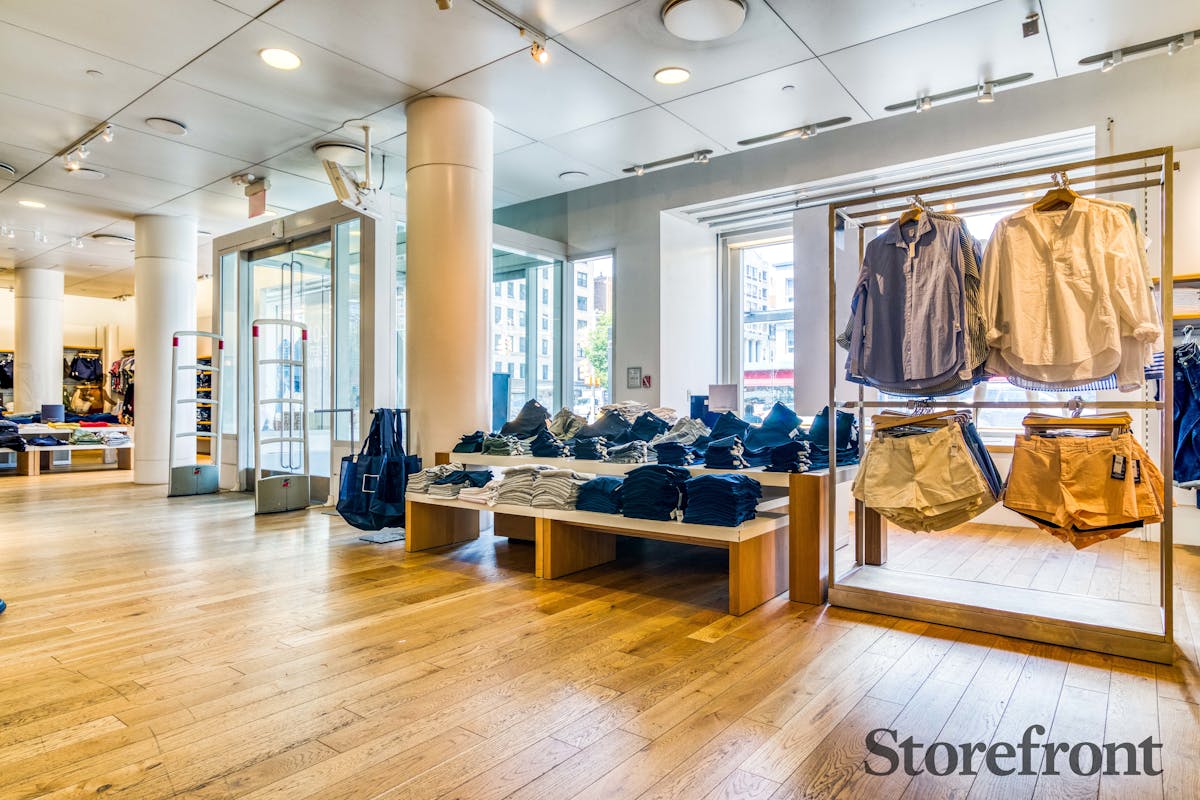
Ground floor retail puts a brand at street level, where the foot traffic is. In Montreal, that means sitting inside the city's characteristic two and three story walk-ups, narrow units with direct sidewalk access and a shopfront window facing the street. A ground level space gives a pop-up shop, a showroom or a seasonal activation something no upper floor or basement can: visibility from the sidewalk and an entrance a passerby can walk straight through.
Montreal's building stock works in favor of street level retail. Most commercial ground floors sit under residential apartments, built in long terraces with a fine-grained rhythm that gives each unit its own frontage. That pattern repeats across the central boroughs, so a brand looking for a ground floor shop in Montreal has genuine choice across distinct neighborhoods and price points.
For a wider view of what is available across the city, browse all retail space in Montreal.
What Ground Level Gives You
Street level retail space earns its premium for a short list of practical reasons.
-
Window frontage. A ground floor unit faces the sidewalk. Signage, product displays and lighting reach the street without competing with a staircase or an elevator ride.
-
Accessibility. No steps, no lift. A customer with a stroller, a wheelchair or heavy bags walks in at grade. That matters for every format, from food to fashion.
-
Impulse traffic. Most unplanned retail visits begin with a window. A basement or upper-floor space relies on signage and wayfinding to pull people off the street. A ground level space does not.
-
Loading and delivery. Street level means direct access from the curb. For a pop-up shop running a short activation with heavy stock rotation, that is a logistics question as much as a retail one.
Montreal Considerations for Street Level Space
Montreal's retail rhythm has its own rules, and a ground floor space sits right inside them.
Winter lasts roughly five months, from late November into April, with heavy snow, sustained sub-zero temperatures and narrowed sidewalks. A street level unit keeps the brand visible through that season when foot traffic moves indoors, but the shopfront itself needs to work for the cold: an entrance vestibule, space for wet boots and coats, and heating that handles a door opening constantly. A ground floor shop designed for a mild climate will struggle here.
Quebec regulates opening hours, and Saturday and Sunday closing times are earlier than many operators expect. The specifics depend on the type of product sold, the location and whether the premises sit in a tourist zone, so it is worth confirming for any address before booking.
French is the language of law, signage and public life. Commercial signage visible from outside must be in French with French markedly predominant, and that rule tightened in June 2025 with no grace period. A brand reusing its standard international shopfront is likely non-compliant. Staff must be able to serve customers in French. For a ground level space where the signage faces the street, this is the first planning item, not an afterthought.
Rents sit well below Toronto, Vancouver or any US gateway city, which is one reason Montreal's independent retail scene is as dense as it is. For a brand testing a North American format, this is the cheapest serious market to learn in. If you are looking for a cheap storefront in Montreal, the ground floor units on quieter streets and in emerging boroughs offer strong value.
Getting the Best Rate on Ground Floor Space
Ground level commands the highest rates in any building, but the actual cost varies widely and several levers sit in the renter's hands.
-
Timing. Off-peak months and midweek dates ask less than peak season and weekends.
-
Duration. A longer booking usually earns a better daily rate, because a host values continuity.
-
Position. A side street a few doors off the main run asks materially less while keeping much of the passing trade.
-
Fit-out. A finished, furnished space costs more than a raw one. If the brand is bringing its own build, the raw unit is the better buy.
-
Flexibility. Being open on dates, or able to take a space at short notice when a host has a gap, is the single biggest lever a renter controls.
A storefront with an apartment can also reduce total costs for a visiting team by combining the retail unit with accommodation in the same building.
FAQ
What counts as ground level retail space?
Ground level means the unit sits at street grade, with its entrance and shopfront directly on the sidewalk. In Montreal, that typically means the ground floor of a two- or three-story walk-up, with its own window frontage and direct access from the sidewalk. Basement and upper-floor units are not ground level even when they share the same building.
Why is street level retail better for a pop-up shop?
A pop-up shop runs for a short window and cannot build a regular customer base the way a permanent store can. Street level space compensates for that with immediate visibility: passersby see the window, read the signage and walk in without needing to know the brand exists. That impulse access is what makes ground floor the default choice for temporary retail.
How does Montreal's winter affect ground floor retail?
Winter narrows sidewalks, buries signage and moves foot traffic indoors and underground. A ground level unit keeps the brand visible through that season, but the space itself needs to handle it: a vestibule, boot storage, and heating that copes with a constantly opening door. Snow removal operations can also close streets with little notice, disrupting deliveries and customer access for days at a time.
What should I check before booking a ground floor space in Montreal?
Confirm that the borough permits the intended commercial activity at that address, because boroughs hold real devolved powers over zoning and permits. Check whether the address sits in a heritage or architecturally sensitive sector, where signage rules are stricter. Confirm opening hours for the product category and location. And plan for French-language signage from the outset, because the requirement applies from day one.
How can I measure whether a ground level pop-up is working?
Track foot traffic entering the space, conversion to sale or sign-up, average transaction value, and any data captured at the point of contact. For a deeper look at what to measure and how, see the guide to measuring pop-up shop success.