Why Ground Level Matters
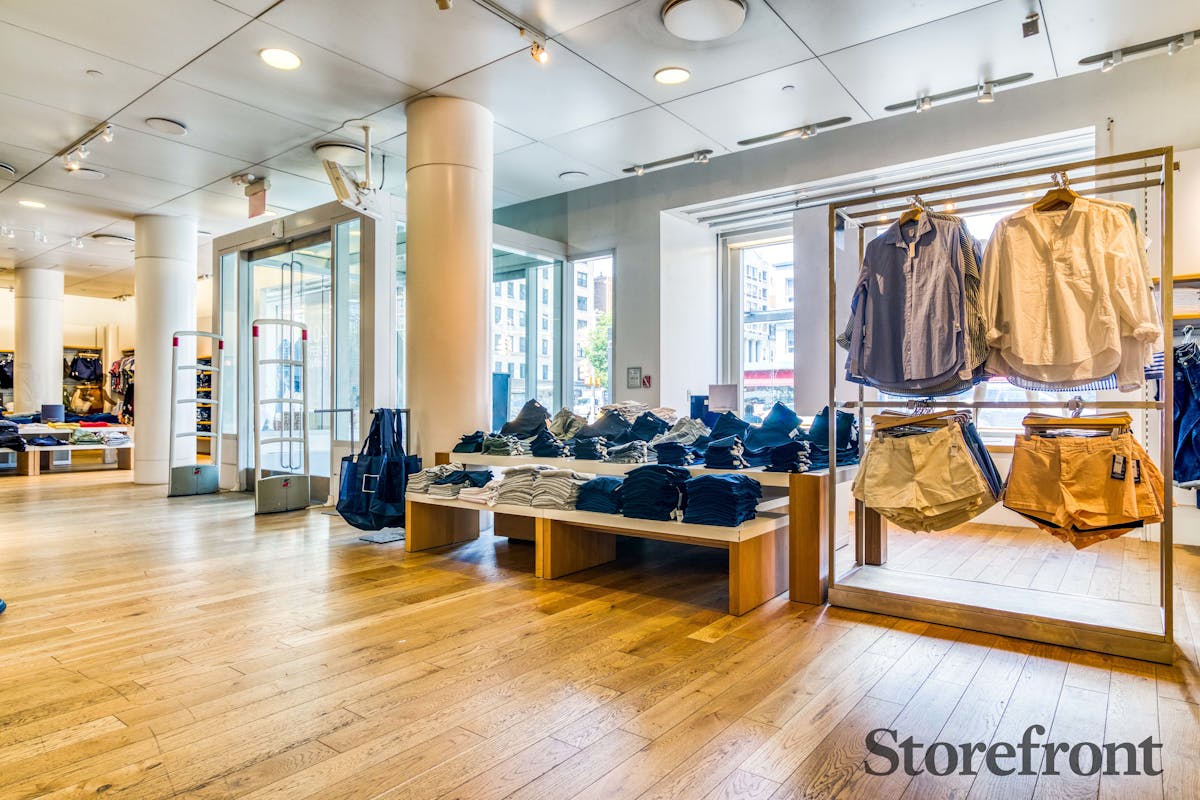
Ground floor shop visibility is the single largest advantage a retail space can offer. A storefront at street level captures foot traffic that upper floors cannot reach, and the conversion premium is measurable: brands report higher walk-in rates, longer dwell time and stronger impulse purchases on ground level than on raised or interior floors. For a pop-up shop, a flagship launch or a food concept, ground level is the difference between a destination tenants come looking for and a shop that catches passing interest.
Ground level also means easier loading and unloading, clearer sightlines for security and events, and the ability to spill activity onto the pavement when the city's regulations allow it. Most of San Francisco's sidewalk seating, parklets and outdoor merchandise displays are anchored to ground-floor retail, which is why the strongest shopping streets here feel like extensions of the pavement rather than separate interiors.
Use Cases for Ground Level in San Francisco
Pop-up retail thrives at street level because the format depends on discovery and impulse: a customer walking past sees the window, steps in, and buys. A pop-up on an upper floor requires the customer to know it exists and to climb stairs, which is why pop-ups almost always land on the ground.
Flagship stores need ground level to function as billboards. A flagship is a brand statement as much as a shop, and it works only if the passing customer can see inside and understand what the brand is.
Food concepts, including restaurants, cafes and sampling events, are almost always ground level because of kitchen venting, loading access for deliveries and the ability to do sidewalk seating and service.
Galleries and art spaces often choose ground level for the same reason flagships do: the work inside should be visible from the street, and the threshold should be low enough that a passerby steps in on impulse rather than by appointment.
Top Neighborhoods for Ground Level Retail
The Mission District runs from roughly Duboce south to Cesar Chavez and Guerrero east to Potrero, and it is the city's densest commercial neighborhood. Mission Street carries the working commercial spine with high everyday foot traffic, while Valencia Street one block west is the browsing corridor, lined with independent shops, galleries and restaurants in Victorian storefronts. Ground level here means competition for space and premium rents, but also the densest and most reliable foot traffic in the city. → ground level retail in the Mission
Hayes Valley sits between the city's business districts and its parks, built where a freeway came down and replaced by Patricia's Green, a small public plaza that anchors the neighborhood's retail spine. Hayes Street carries the strongest boutique corridor in San Francisco outside of Union Square, lined with fashion, design, beauty and food in Victorian buildings with narrow frontages and high rents. The neighborhood has tight chain-store rules, which means the ground floor is occupied by independents and the approval path for a newcomer requires engagement with the merchants association. → ground level retail in Hayes Valley
North Beach is the neighborhood directly north of the Financial District, running roughly from Broadway to Bay and from Columbus to Kearny. It is the densest part of the city and one of the oldest, with a steep hillside, narrow streets and a ground floor still occupied by family-run delis, bakeries and Italian restaurants that have traded there for generations. Ground level here means navigating the topography and the established community, but also access to some of the most distinctive street life in the city. → ground level retail in North Beach
The Castro sits at the crest of a hill on Market Street between Twin Peaks and the flat ground to the east, and it has been the center of San Francisco's LGBTQ+ life and commerce for half a century. Castro Street between Eighteenth and Twenty-second is lined with independent shops, restaurants and bars, mostly small ground-floor units in older buildings. Ground level here trades both on foot traffic from passing customers and on the neighborhood's established identity. → ground level retail in the Castro
SoMa, short for South of Market, is the wedge south of Market Street between the Financial District and the Mission. It is laid out on a larger grid with bigger buildings and longer blocks than the neighborhoods to the north, which is why it holds most of the city's warehouse and loft space. Ground level here typically means brick warehouses with roll-up doors and loading bays, and it suits large-floorplate uses like events, pop-up galleries and showrooms rather than small retail shops. → ground level retail in SoMa
FAQ
What makes ground level retail so valuable?
Ground level captures foot traffic that upper floors cannot reach, and it means customers arrive on impulse rather than by appointment. For a pop-up, a flagship or a food concept, street visibility is often the difference between success and obscurity. Ground level also enables outdoor seating, merchandise displays and events that tie the space into the street itself.
How does ground floor shop pricing compare with upper floors?
Ground level typically rents for a significant premium compared with upper floors in the same building, sometimes two or three times the rate, because the foot traffic difference is real and measurable. In San Francisco's strongest corridors like Hayes Valley and the Mission, ground floor space is scarce and moves quickly. Wider or longer ground-floor spaces command even higher premiums because of the rarity of deep frontage in the Victorian buildings that line most shopping streets.
Which neighborhoods have the most ground-level availability?
The Mission District and Hayes Valley are the two strongest concentrations of ground-level retail space in San Francisco, both with continuous shopping streets and active merchants associations. North Beach, the Castro and SoMa all carry substantial ground-floor stock. Union Square and the Financial District have the largest spaces and the highest foot traffic, but most ground-floor retail there is already occupied by established tenants and flagships. Neighborhood corridors turn over more frequently.
What happens to ground level during San Francisco's wet season?
San Francisco's rain falls almost entirely between November and March. Ground-level retail with sidewalk seating or outdoor displays needs either retractive cover or a shift toward interior-focused activities during the wet months. Spring through fall, most ground-level spaces can rely on outdoor or semi-outdoor activity and foot traffic. The neighborhoods on the eastern side of the city (Mission, SoMa, Castro) see less fog and rain than the western neighborhoods, which is why outdoor formats are more viable there year-round.
Do I need any special permits or insurance to operate ground level retail in San Francisco?
Registration, planning, food service and entertainment each carry their own requirements, and which of them apply depends on the space's current use, the neighborhood and the activity planned. Confirm the details with the space owner and your local authority before signing.
What neighborhoods outside the main corridors have ground level retail?
Union Street in Cow Hollow, Chestnut Street in the Marina and Fillmore Street in Pacific Heights all carry ground-level retail in older buildings, though they trade more heavily to residents and less heavily to visitors than the Mission or Hayes Valley. The Lower Haight, Polk Street and the outer avenues all have ground-floor space available at lower rents than the central corridors. Availability and visibility trade off: the quieter corridors are cheaper and less competitive, the main shopping streets are expensive and saturated.
Explore more: Pop-Up Store Rental