
Opening a pop-up shop is one of the fastest ways to test a concept, launch a product, or enter a new market. Even though pop-ups are temporary, they are still subject to local laws and regulations.
In most cases, you will need permits or licenses to operate legally. Requirements vary depending on your location, the type of space, and what you plan to do in it. Selling products in a retail unit is very different from serving food, hosting events, or operating in a public space.
This guide explains the key types of permits and licenses you may need, how they differ by city, and where to find more detailed guidance.
Do you need permits for a pop-up shop?
In most cases, yes.
Even temporary retail businesses must comply with local regulations to ensure safety, zoning compliance, and proper business registration.
The exact permits you need will depend on:
- The city or country you are operating in
- Whether your space is private or public
- The type of products or services you offer
- The scale and duration of your pop-up
If you are starting from scratch, this guide on how to open a pop up shop provides a complete framework.
The main types of pop-up permits and licenses
Most pop-up shops fall into a few common regulatory categories. Understanding these early helps avoid delays and compliance issues.
Business registration and general permits
You will often need a basic business registration or temporary trading license. This allows you to legally sell goods and operate within a city.
If you are part of a market or event, the organizer may hold a master permit, but you may still need to register individually as a vendor.
Zoning and permitted use
Zoning determines what type of activity is allowed in a space.
Even if a space looks suitable, it may not be approved for your intended use. For example:
- A retail unit may not allow food preparation
- A gallery may restrict commercial activity
- A public space may require additional authorization
Zoning is one of the most common reasons pop-ups run into issues, so it should be checked early.
Building, occupancy, and safety requirements
Pop-ups must meet safety standards, even for short-term use.
This may include:
- Fire safety compliance
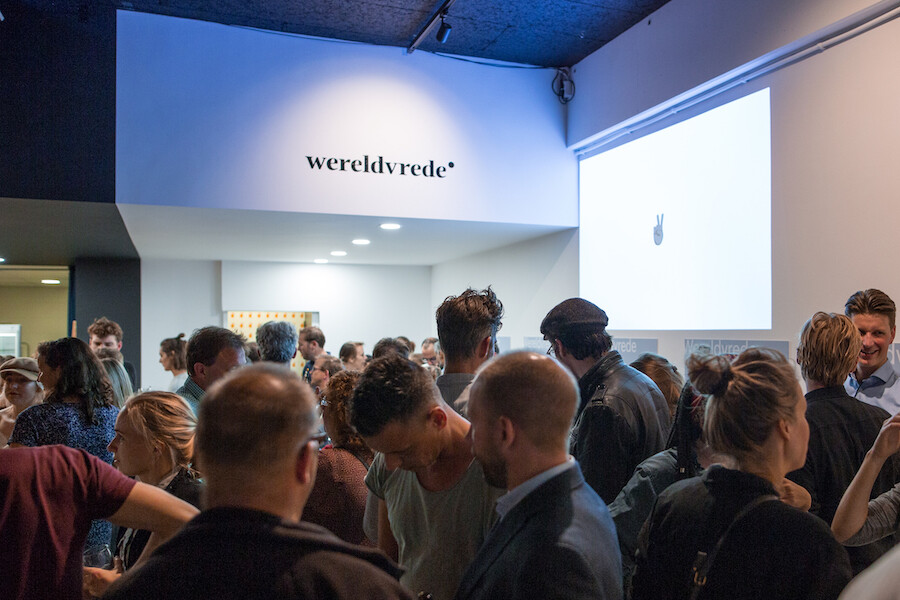
- Maximum occupancy limits
- Emergency exits and accessibility
- Risk assessments
Responsibilities are often shared between landlord and tenant, so it is important to clarify this before signing a lease.
Signage and public space permits
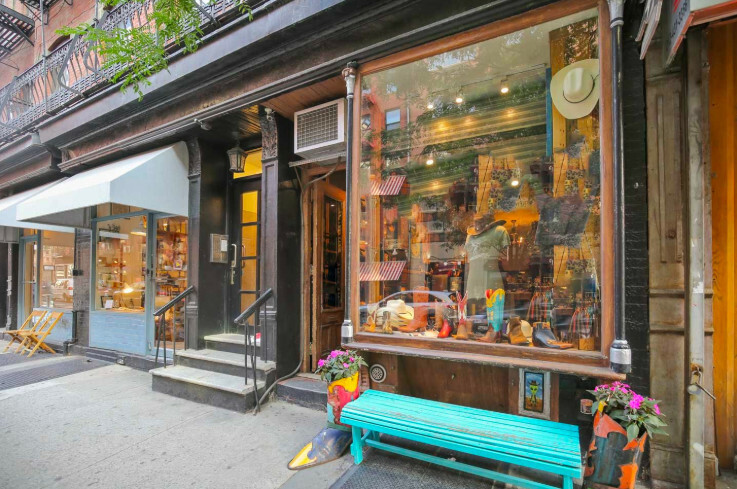
If your pop-up includes signage, outdoor displays, or activity outside the premises, additional permits may be required.
This is particularly relevant for:
- Street-facing activations
- Outdoor installations or queues
- Events in public or semi-public spaces
Large-scale activations may also require event permits.
Food and beverage permits
If you plan to serve food or drinks, additional regulations apply.
This may include food safety certification, health inspections, and temporary food service permits. Requirements vary depending on whether food is pre-packaged, prepared on-site, or served to the public.
For a detailed breakdown, read this guide on serving food and drink at a pop-up.
Alcohol licenses
Serving alcohol typically requires a separate license issued by your local authority.
This may include temporary event licenses or short-term alcohol permits. These often come with stricter rules around insurance, operating hours, and responsible service.
Why permits vary by city
There is no universal set of rules for pop-up shops. Regulations are set locally, which means requirements can vary significantly between cities.
For brands
Ready to launch your pop-up?
Find and book your short-term retail space with Storefront.
Find a spaceLondon
In London, requirements may include Temporary Event Notices, street trading licenses depending on the borough, and compliance with planning and zoning rules.
You can explore temporary retail spaces in London or browse pop up shop spaces for rent in London.
New York
In New York, requirements depend on your activity. Food service requires health permits, while retail operations typically require business registration and tax compliance.
You can explore retail spaces in New York or browse pop up shop spaces for rent in New York.

Paris
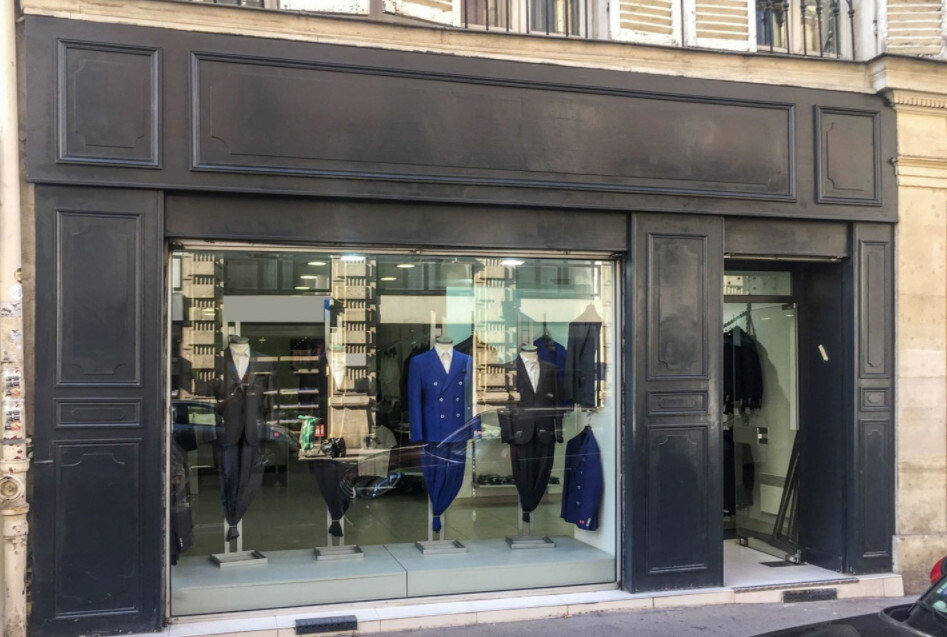
In Paris, permits may relate to public space usage, temporary retail declarations, and local safety rules managed by municipal authorities.
You can browse temporary retail spaces in Paris or explore pop up shop spaces for rent in Paris.
Los Angeles
In Los Angeles, requirements often include business registration, zoning compliance, and permits for events or food service depending on your setup.
You can explore retail spaces in Los Angeles or browse pop up shop spaces for rent in Los Angeles. For a longer occupancy, cheap commercial property in Los Angeles covers the same city on different terms. Our Los Angeles guide sets out which city you register with and when filming needs a permit.
Check local regulations before you launch
While the categories above apply broadly, requirements vary by city, borough, or municipality.
Before launching your pop-up, you should:
- Confirm requirements with your local authority
- Check compliance with your landlord or space provider
- Allow time for permits, inspections, and approvals
For city-specific guidance, you can explore:
- New York pop-up shop permits and regulations
- UK pop-up shop licenses and legal requirements
- Paris pop-up regulations and permits
Plan permits early to avoid delays
Permits are one of the most common causes of delays when launching a pop-up shop.
Applications can take time, and some require inspections or coordination with multiple authorities. Planning early allows you to avoid last-minute issues and ensures your concept can launch on schedule.
Start with a compliant space
Choosing a space that already aligns with your intended use can significantly simplify the permitting process.
Some venues are already approved for retail, food, or events, which reduces the number of permits required and speeds up setup.
You can explore pop up shop spaces for rent in London, New York, Paris, and Los Angeles to find spaces that match your concept and regulatory needs.
Pop-Up Shop Permits FAQ: Common Questions Answered
Do I need a license for a pop-up shop?
In most cases, yes. You will typically need at least a business registration or temporary trading permit, and additional licenses depending on your activity and location.
What permits are required for a pop-up shop?
Common permits include business registration, zoning approval, safety compliance, and in some cases food or alcohol licenses.
Do pop-up shops need food permits?
If you are serving or preparing food, you will usually need food safety certification and a temporary food service permit. Requirements vary by city.
Do I need a permit to sell alcohol at a pop-up?
Yes. Selling alcohol almost always requires a temporary or event-based alcohol license issued by your local authority.
How long does it take to get pop-up permits?
Timelines vary depending on the permit type and location. Some permits can be issued quickly, while others may take several weeks and require inspections.
Are permits different in every city?
Yes. Regulations vary significantly between cities and even between boroughs or districts. Always check with local authorities before launching your pop-up.
For brands
Ready to launch your pop-up?
Find and book your short-term retail space with Storefront.
Find a space
Written by
Adrien Kerbrat is Chief Revenue Officer and co-founder of Storefront. With more than 10 years in commercial real estate, he is an expert on the French market and short-term retail across Europe. Based in Bordeaux and often in Paris, he writes on pop-up strategy, retail location, and the French retail landscape.
More from Adrien Kerbrat →Related posts:
 What is a pop-up shop? Everything you need to know to try short-term retail
 How to Set Up a Pop-Up Art Gallery: 8 Steps to Renting and Launching Your Exhibition
 Offline Marketing Ideas for Pop-Up Shops
 The 5 Types of Pop-Up Shops (With Examples) & How to Choose the Right One
 Automotive Pop-Up Shops: How Car Brands Use Temporary Showrooms to Launch, Test and Sell