London's retail stock ranges from narrow Georgian frontages over two floors to wide ground-floor warehouse conversions, and the right unit depends less on the borough than on the street it sits on. The city rewards specificity: choosing between a managed estate with a curated tenant mix and an open-market high street with local footfall is often the first decision, and it shapes the rent, the lease structure and the kind of customer who walks past.
Where London's retail districts sit
The city divides broadly into three tiers of retail address, and each serves a different kind of trade.
The flagship streets, Oxford Street, Regent Street, Bond Street and Sloane Street, carry international chains and luxury houses on large-format units. These are reach plays: brands take space here for visibility across the whole city and beyond.
The independent and emerging districts sit further east and north. Shoreditch, with its former warehouse stock and wide ground-floor frontages, is the highest-demand area for brand activations and independent labels. Hackney and Dalston trade on their own high streets with an overwhelmingly local customer. Brick Lane is known for vintage retail, street food and weekend markets, with smaller frontages and lower rents than the West End.
Between the two sit the managed estates: Covent Garden, Seven Dials, Carnaby, Marylebone High Street and Coal Drops Yard at King's Cross. These are let by a single landlord with a curated tenant mix, and they offer a middle path between chain-dominated flagship streets and fully independent high streets. Browse all available retail space in London to compare units across these districts.
What a London shop unit looks like
London retail units are small by international standards. Outside the flagship streets and managed centres, a typical ground-floor shop is a narrow Victorian or Georgian frontage over one or two floors, often with a basement and limited rear access. Brands used to American floorplates should expect to work vertically rather than horizontally.
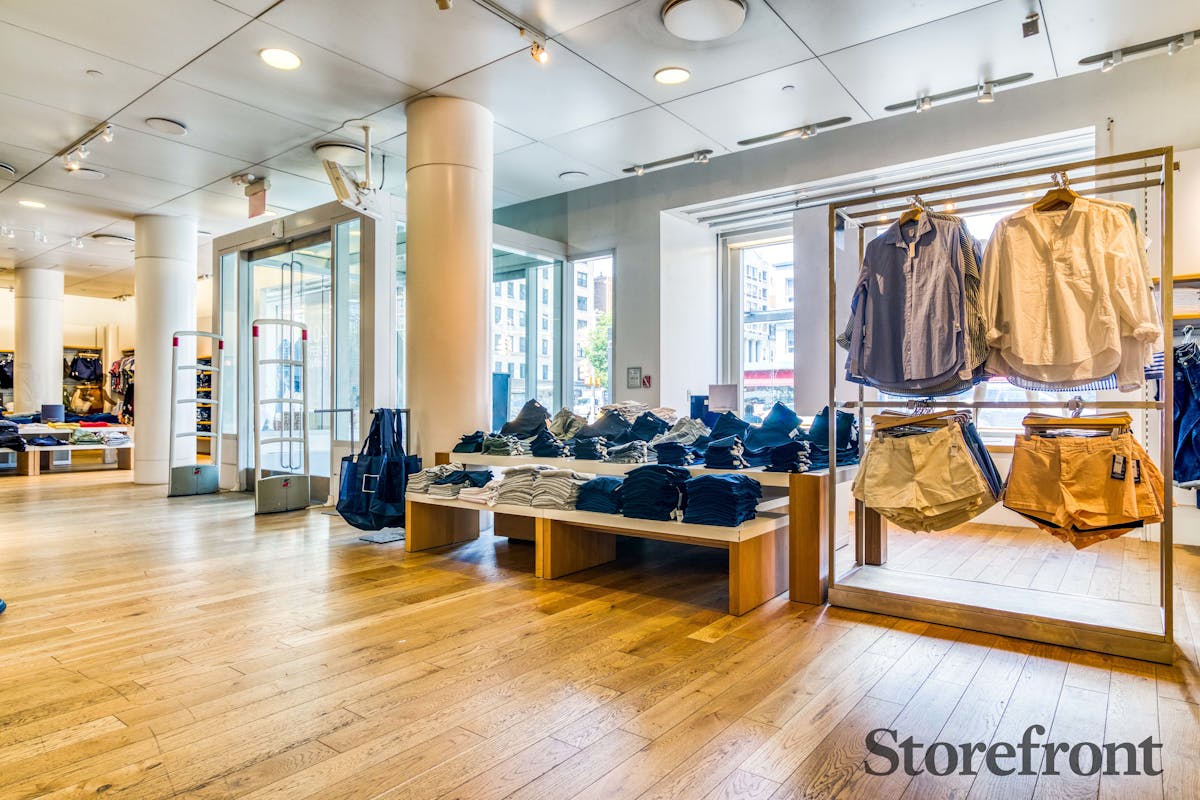
Shoreditch is the exception: its former warehouse and light-industrial stock gives wider ground-floor frontage and raw interiors, which suits brands wanting an open, adaptable layout. In Soho, frontages are narrow and streets are tight, so units suit a compact, characterful format. Notting Hill and Chelsea concentrate their retail on a handful of streets with a wealthy resident catchment, while the West End offers the largest-format units in the country.
High streets beyond the centre
Outside the central shopping districts, London retail runs on high streets: a single named road through each district carrying the shops, banks and restaurants for the neighbourhood around it. Naming the right high street is usually more useful than naming the borough, because the borough can stretch for miles.
Notting Hill concentrates retail around Portobello Road and Westbourne Grove, combining a strong weekend visitor draw with a wealthy resident catchment. Chelsea trades along the King's Road, a long continuous run of shopfronts from Sloane Square westward with no Underground station along it, keeping footfall deliberate. Northcote Road is the village retail street of Battersea, serving a family residential catchment. Richmond, in south-west London, has a strong independent retail base and a weekend draw from the park and the river.
The Thames divides London commercially as well as geographically. The great majority of retail concentration sits north of the river, and south London trades on its own high streets rather than feeding into the centre.
Seasonality and trading rhythm
A shop to let in London trades on a rhythm shaped by the city's calendar. Demand peaks around London Fashion Week in February and September, through the run-up to Christmas, and again during the autumn art and design festivals including Frieze London and the London Design Festival.
August is the quietest month: a large share of the city leaves and office footfall drops. That inversion is worth planning around, because the West End fills with visitors in the summer while neighbourhood high streets empty as residents travel. The first weeks of September bring residents back and coincide with the school year starting, reviving local trade.
Black Friday now marks the start of the Christmas trading run, and Boxing Day on 26 December opens the winter sale period, one of the highest-footfall trading days of the year. January is a heavily promotional month with weaker full-price trade. For a shop with flat in London, proximity to the unit through these peak periods can matter.
Taking a longer commitment
A lease of three months or more gives a retailer time to build recognition on its street, trade through at least one seasonal peak and establish repeat custom. That is the distinction from taking space for a few days: you become part of the street rather than passing through it.
On London's managed estates, tenant mix is curated, so the neighbours are chosen to complement rather than compete with your offer. On an open-market high street, the surrounding retail is incidental, but the local catchment is often more loyal. Both models reward a considered choice of location, and understanding which streets sit under estate management and which trade independently is a useful first step. For a broader view of retail space for rent, the marketplace covers cities beyond London as well.
Frequently Asked Questions
What size are London shop units?
Most London shops outside the flagship streets are narrow Victorian or Georgian frontages over one or two floors, often with a basement. Brands accustomed to wider floorplates should expect to work vertically. Shoreditch warehouse conversions and West End flagship units offer more ground-floor width.
Which London districts suit independent retail?
Shoreditch, Hackney, Dalston and the smaller Notting Hill streets have the strongest independent retail presence. Managed estates such as Marylebone High Street and Seven Dials also maintain an independent-leaning tenant mix through curated lettings.
When does demand for London shops peak?
Demand is highest around London Fashion Week in February and September, through the run-up to Christmas, and during the autumn art and design season. August is the quietest month for neighbourhood high streets, though the West End stays busy with visitors.
What lease terms are available for a London shop to let?
Listings on this page carry terms from three months upward. A commitment of several months gives time to trade through seasonal peaks and build a local customer base, which is why these units suit brands looking for a sustained trading presence.