

Hong Kong is one of the most competitive retail markets in the world, where high rents and long leases can make it difficult for new concepts to gain traction. For OnTheList, a members-only luxury flash sale platform, pop-up stores provided a flexible way to launch, test, and grow before expanding their physical presence.
This case shows how pop-up retail can support different stages of a brand’s journey, from early validation to operational scale.
A new retail concept built on exclusivity
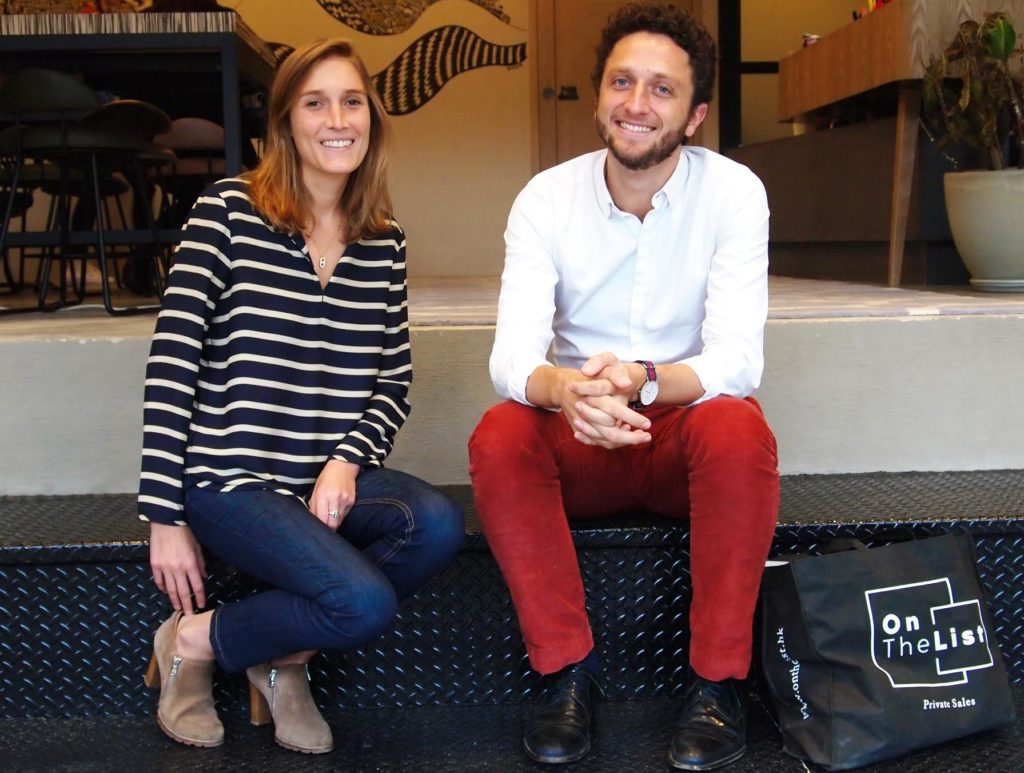
Founded by two French entrepreneurs, OnTheList introduced a members-only flash sale model to Hong Kong, offering limited-time access to past-season collections from premium and luxury brands.
The concept is built around:
- invitation-only access
- time-limited sales events
- exclusive discounts on well-known brands
Each event features a different brand, creating a sense of urgency while encouraging repeat visits. For customers, the appeal lies in discovering new products and locations. For brands, it provides a fast and efficient way to move inventory.
Why pop-up stores were the starting point
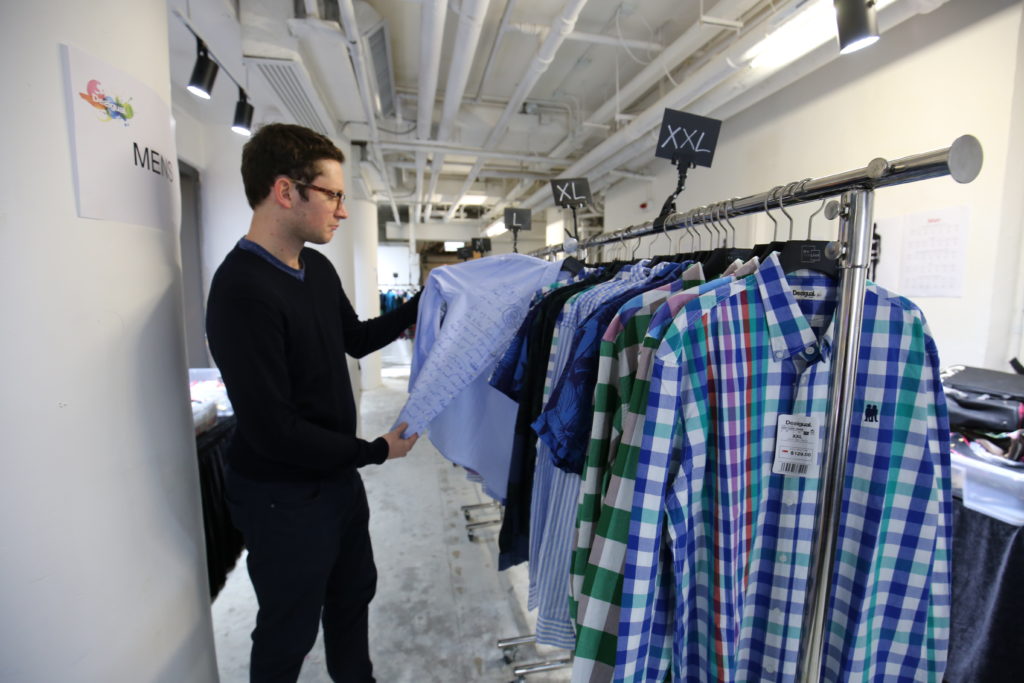
At launch, OnTheList needed a way to bring its concept to life physically without taking on the risk of a permanent lease.
Pop-up stores offered the ideal solution.
By using short-term retail spaces in Hong Kong, the team was able to:
- launch quickly without long-term commitments
- test different neighborhoods and customer segments
- refine their event format in real time
- operate with a lean, flexible model
In a market where traditional retail leases can be restrictive, this approach allowed the business to stay agile while building momentum.
You can explore similar opportunities through pop-up shops in Hong Kong and high-demand areas like Central.
Testing locations and building demand
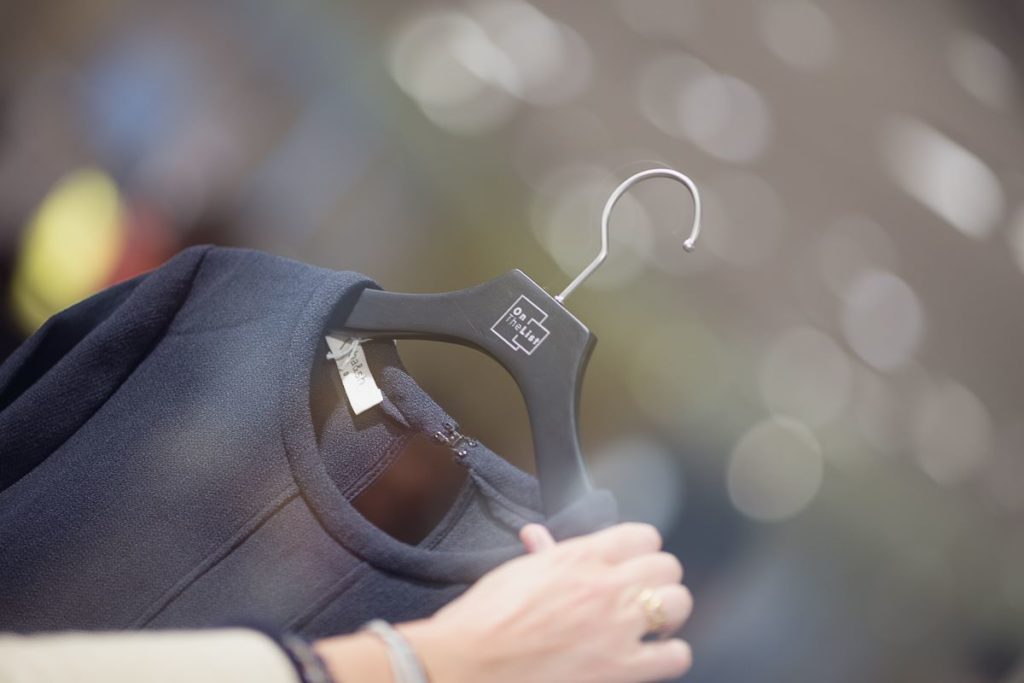
One of the biggest advantages of pop-up retail is the ability to test multiple locations.
OnTheList used different spaces across Hong Kong to understand:
- which neighborhoods attracted the right audience
- how different brands performed in different areas
- what type of space best suited their event format
This constant iteration helped them refine both their location strategy and customer targeting.
For brands
Popping up in Hong Kong?
Explore short-term spaces in Hong Kong with Storefront.
Explore Hong Kong spacesIt also created a sense of discovery. Customers returned not just for the products, but for the changing locations and experiences.
A scalable, event-driven retail model
OnTheList’s pop-up strategy was built around frequency and variation.
Rather than operating a single static store, the brand ran recurring events featuring different partners. This allowed them to:
- maintain excitement and urgency
- keep the offer fresh
- build a loyal customer base
Marketing played a key role in supporting this model. Email, social media, and word-of-mouth helped drive attendance, while a core group of engaged members amplified reach through early access and exclusive invitations.
This approach reflects a broader trend in retail, where brands use pop-ups not just as one-off activations, but as an ongoing growth channel. You can explore this further in how fashion brands use pop-up stores to launch and scale.
From pop-ups to a permanent retail presence
As OnTheList expanded, the operational demands of running frequent events increased.
Pop-up stores had already validated:
- the business model
- customer demand
- the most effective locations
This created the conditions to introduce a permanent space that could support logistics, consistency, and brand recognition.
Importantly, this was not a replacement for pop-ups, but an extension of the strategy.
The permanent location acted as a base, while the flexibility of pop-up retail remained a valuable tool for testing, expansion, and engagement.
What brands can learn from OnTheList
OnTheList’s journey highlights how pop-up stores can support different growth paths depending on the brand’s goals.
Pop-ups can be used to validate a concept before scaling. They can also remain a long-term strategy for brands that benefit from flexibility, exclusivity, and constant change.
Key takeaways include:
Start with flexibility
Short-term spaces allow you to launch quickly and adapt without long-term risk.
Test locations before committing
Understanding where your audience is can significantly improve performance.
Build repeat engagement
Changing locations, brands, or experiences keeps customers coming back.
Use pop-ups as part of a broader strategy
Whether or not you move into a permanent space, pop-ups can remain a core growth channel.
A flexible path to retail growth
OnTheList demonstrates that there is no single path in retail.
Some brands use pop-up stores as a stepping stone toward permanent locations. Others continue to operate through temporary retail as their primary model.
What matters is choosing the approach that aligns with your concept, audience, and growth strategy.
If you are exploring your own retail journey, you can browse available pop-up store spaces and find locations that match your goals.

Written by
Adrien Kerbrat
Adrien Kerbrat is Chief Revenue Officer and co-founder of Storefront. With more than 10 years in commercial real estate, he is an expert on the French market and short-term retail across Europe. Based in Bordeaux and often in Paris, he writes on pop-up strategy, retail location, and the French retail landscape.
More from Adrien Kerbrat →
Related posts:
 How Dustykid Used a Christmas Pop-Up Store in Hong Kong to Connect With Its Online Community
 How Butterboom Used Pop-Up Stores to Bring Online Fashion Brands Into Hong Kong Retail
 How Miss Runner Used a Pop-Up Store in Hong Kong to Build Its Activewear Community
 How ghd Used a Pop-Up Store in Hong Kong to Strengthen Brand Awareness in Asia
 How Swedish Design Collective XIKO Brought the Art & Design Market to Hong Kong With a Pop-Up Store