
A new approach to retail space
Retail does not always need four walls, a long lease, and a fixed address. Some of the most memorable stores never planned to stay. They arrive, draw a crowd, and move on.
Shipping container pop-up shops are one of the clearest examples of this shift. A steel box built to carry freight across oceans now works as a compact, mobile storefront that a brand can open in days rather than months. The logic is simple. Cities want livelier streets, brands want a low-risk way to meet customers in person, and a shipping container sits neatly between the two.
What is a shipping container pop-up shop?
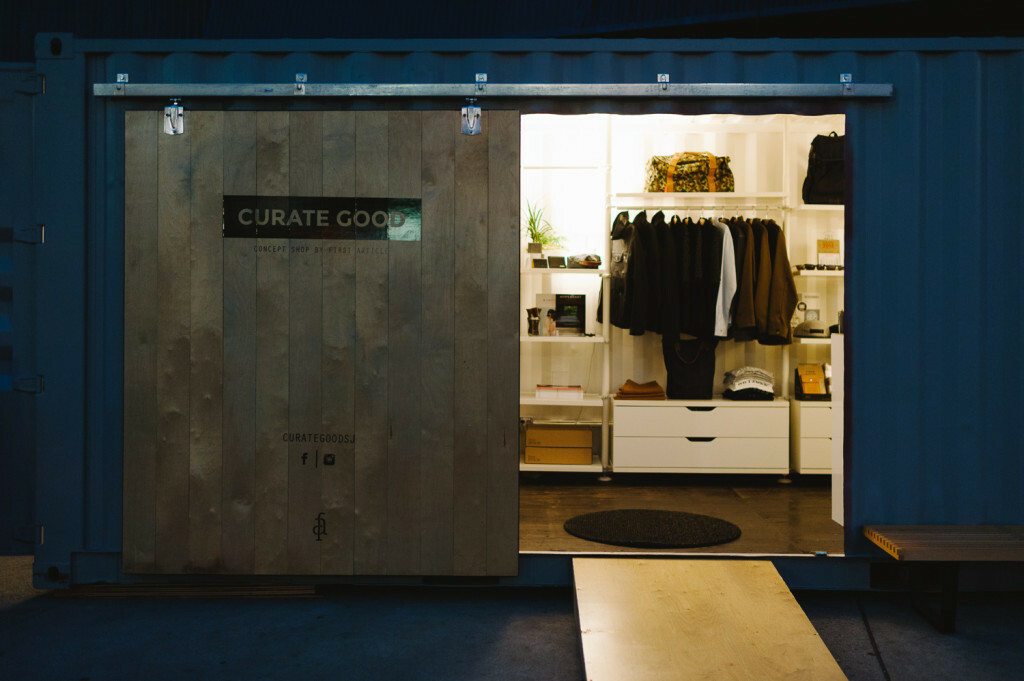
A shipping container pop-up shop is a temporary retail space built inside a standard freight container. The container is fitted with lighting, flooring, display units, and a counter, then placed somewhere with foot traffic: a plaza, a vacant lot, a market, or the edge of an event.
Some operate as a single brand’s store. Others are curated as a cluster, with several containers grouped together so a number of brands can sell side by side. Because the structure is self-contained and movable, it can be installed quickly, run for a set period, then relocated or removed. That flexibility is the whole point.
Why brands choose shipping container pop-ups
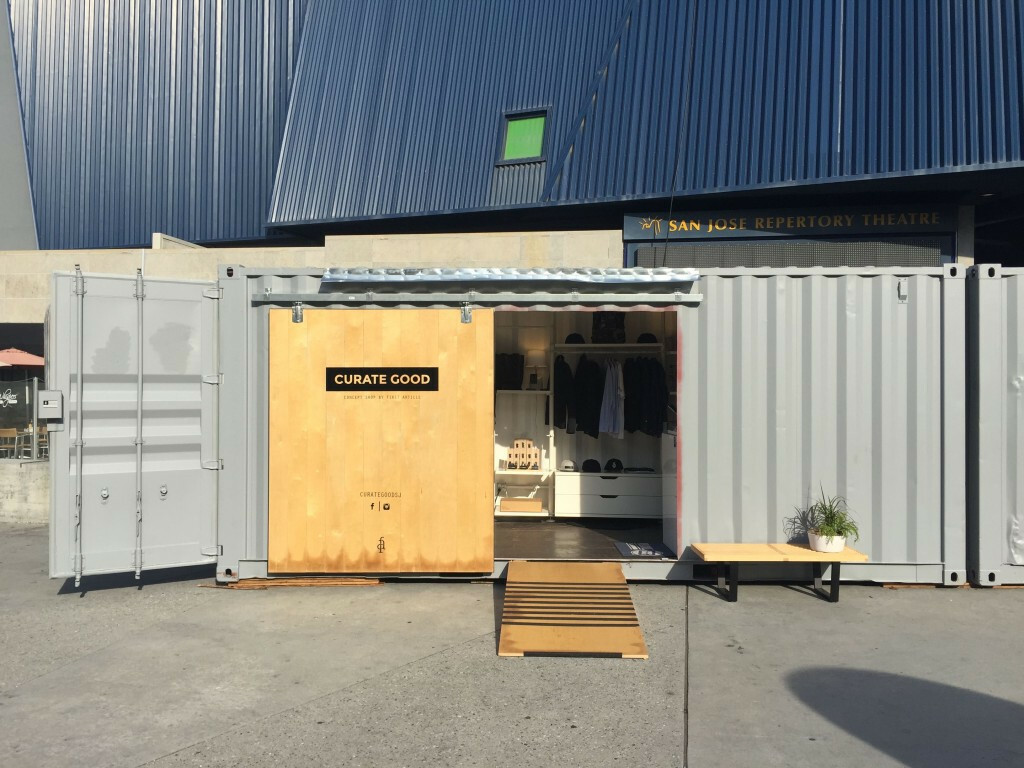
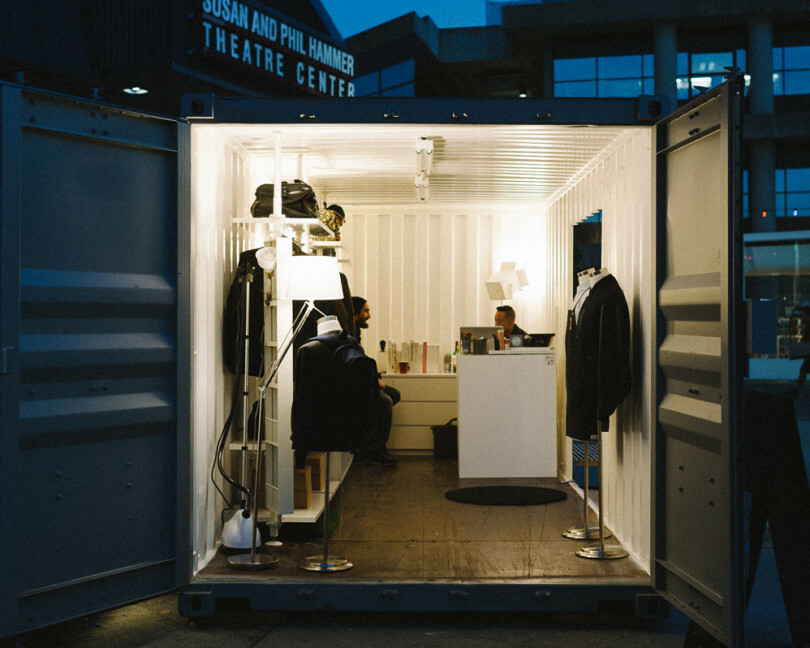
A low-cost way to test a market. For an online or direct-to-consumer brand, a container is one of the cheapest routes to a physical presence. There is no building out an empty unit from scratch and no multi-year commitment. A brand can test a neighborhood, a city, or a product range with minimal investment, learn from real customers, and decide where to go next.
Mobility. A container can follow demand. It can sit near a stadium on game days, move to a festival, catch a seasonal shopping rush, then shift to a different district entirely. A fixed store cannot do that.
Speed. The shell already exists. Once the space and permits are sorted, a container can open far faster than a conventional build-out.
A storefront that gets noticed. A container looks different from the units around it, and that visual signal does a lot of marketing work on its own. The format invites bold design, which makes it easy to photograph and share, and it gives a brand a distinctive place to tell its story.
A smaller footprint, literally. Reusing a steel box rather than constructing something new appeals to brands that care about sustainability, and the modular shape means containers can be stacked or combined as needs change.
For brands
Ready to launch your pop-up?
Find and book your short-term retail space with Storefront.
Find a space
Why cities and landlords embrace them
The push behind many container projects does not come from retailers at all. It comes from cities.
Plenty of city centers share the same problem. High-profile districts thrive while quieter streets and underused lots sit empty. Container pop-ups are a practical fix. They activate dead space, pull foot traffic toward less-visited areas, and give residents a reason to gather. Some cities support these projects directly through grants and public-private partnerships, treating them as small urban interventions that build a more walkable, mixed-use downtown and help an area stay competitive.
For landlords and space owners, the logic is similar. A container on a vacant plot earns income, signals that an area is on the way up, and brings in new brands and experiences that draw both locals and visitors. There is more on this in our guide to monetizing empty retail space.
Who shipping container pop-ups work best for
- Online and DTC brands taking their customer experience offline for the first time.
- Small and local brands that want a real presence without the overhead of a permanent lease.
- Brands that follow events, where being close to a crowd matters more than a permanent address.
- Multi-brand curators, who group several containers into a single destination and host a rotating set of tenants.
What to consider before you launch one
A container pop-up is simpler than a traditional store, but it is not effortless. A few things are worth planning early:
- Permits and licensing. Temporary structures, signage, and any food or drink offer usually need approval, so build in time for it. Our pop-up shop permits guide covers the basics.
- Location and foot traffic. The container format gives you options, so choose the spot that puts you in front of the right customers.
- Utilities and fit-out. Power, lighting, and a workable layout still need sorting, even in a compact space.
- Duration. Decide how long the pop-up runs, and what success looks like, before you open.
Finding a space
You do not need to own a container or a plot of land to run one. Storefront lists short-term commercial spaces of every kind, including container sites, vacant lots, and ready-to-use pop-up locations, in cities around the world.
Browse pop-up shop space on Storefront, or start a search in the area you have in mind. If a shipping container pop-up is the right move for your brand, the space to launch one may be closer than you think.

Written by
Adrien Kerbrat is Chief Revenue Officer and co-founder of Storefront. With more than 10 years in commercial real estate, he is an expert on the French market and short-term retail across Europe. Based in Bordeaux and often in Paris, he writes on pop-up strategy, retail location, and the French retail landscape.
More from Adrien Kerbrat →