
Flying Solo is a unique retail concept founded in New York City that brings independent designers together under one shared storefront. Instead of traditional multi-brand retail, the designers themselves operate the store and interact directly with customers, creating a more personal relationship between creators and shoppers.
As the brand began exploring international markets, Flying Solo turned to pop-up retail as a way to test expansion outside the United States. One of its first steps into Asia was a pop-up store in Hong Kong, introducing its collaborative retail concept to a new audience of fashion consumers.
Temporary retail formats are frequently used by brands entering new markets because they allow companies to test demand and gather insights before committing to long-term retail investments. Many international brands begin by browsing available pop-up shops in Hong Kong to identify locations that match their target audience.
From New York Retail Concept to Global Expansion
Flying Solo launched in New York in 2016 with a mission to support independent designers who often struggle to access traditional retail channels.
The store functions as a collaborative retail space where designers showcase their own collections while also engaging directly with customers. This model allows emerging brands to build stronger relationships with shoppers while sharing the costs and responsibilities of running a store.
As the concept gained traction in New York, the founders began exploring opportunities to bring the platform to new markets around the world.
International pop-up stores became a natural step in this strategy, allowing Flying Solo to introduce its concept to global audiences while maintaining flexibility.
Bringing Independent Designers to the Asian Market
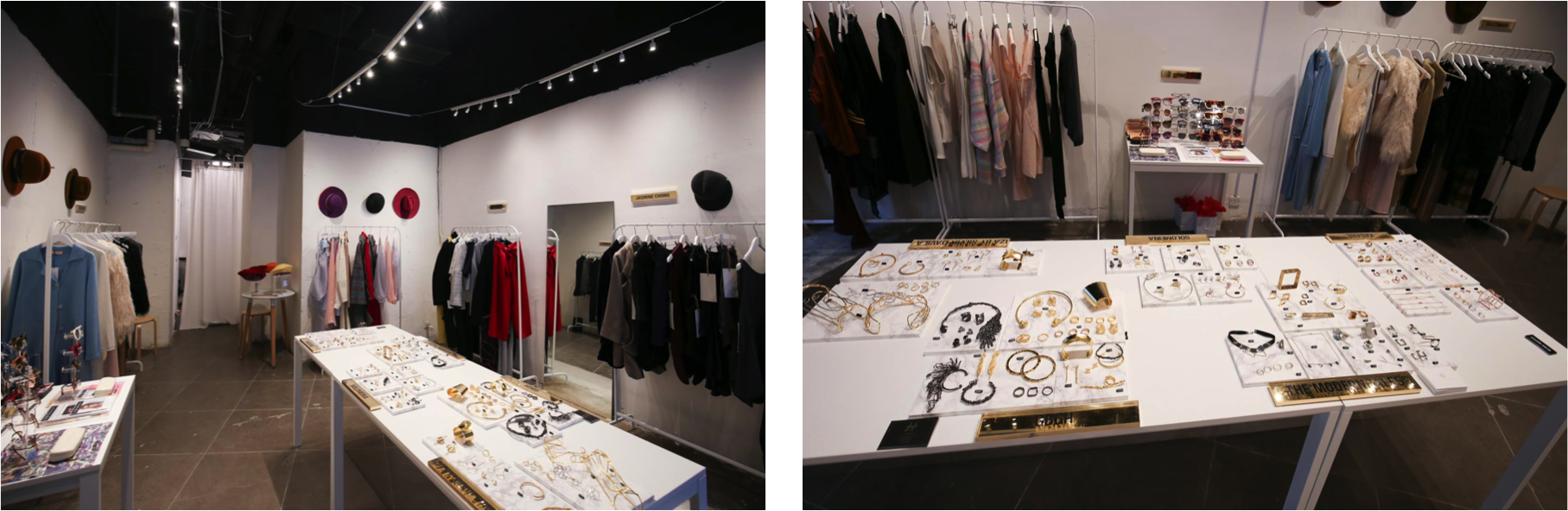
To launch its first pop-up in Hong Kong, Flying Solo curated a selection of designers from its wider network.
Out of more than 70 designers involved with the brand, 11 were selected to participate in the Asia expansion. The group included Elena Rudenko, NOT, Halstenbach, Jasmine Chong, GBGH Jewelry, Iza by Silvia D’Avila, Kasane, Solomeina, The Modern Tales, Spinoza, and Wynono.
Together they presented a collection spanning jewelry, women’s fashion, and eyewear. The curated selection introduced Hong Kong shoppers to a range of independent labels that emphasize craftsmanship, design, and limited production.
The pop-up format allowed customers to interact directly with designers, which remains a central part of the Flying Solo concept.
Elizabeth Solomeina, Co-Founder of Flying Solo, described the reaction from visitors:
“The response has been amazing. We are seeing that the people in Hong Kong really value interacting with the designers and appreciate all the work that goes into creating these products.”
She added that the exclusivity of the collections also resonated with local shoppers.
For brands
Popping up in New York?
Explore short-term spaces in New York with Storefront.
Explore New York spaces“The idea that all our products are handcrafted unique products, that no one else will own, is especially appealing to our customers visiting the pop-up store.”
Why Pop-Up Stores Work for International Expansion
For brands entering a new market, choosing the right retail strategy is critical. Opening a permanent store in an unfamiliar city can involve significant financial and operational risk.
Pop-up stores provide a more flexible alternative. They allow brands to introduce their concept, evaluate customer demand, and refine their approach before committing to a long-term presence.
Flying Solo had already experimented with this strategy in Europe through a successful pop-up activation in Paris. The Hong Kong pop-up represented the next step in the brand’s global expansion.
According to Elizabeth Solomeina:
“We are figuring out what works in the Hong Kong market, and with this pop-up we found out that a concept like ours is needed here.”
Temporary retail spaces can therefore act as a market research tool, giving brands direct insight into customer preferences in different regions.
Companies planning international activations often explore short-term retail opportunities through platforms that specialize in flexible space listings, such as pop-up store rental opportunities.
Finding the Right Location in Hong Kong
For Flying Solo, selecting the right neighborhood in Hong Kong was an essential part of the launch.
Using Storefront’s platform, the brand was able to find a retail location surrounded by fashion and lifestyle brands with similar price points. Positioning the pop-up store in the right environment ensured that it reached the type of customers most likely to appreciate independent designer collections.
Launching in a high-profile retail district also helped attract both local shoppers and international visitors interested in discovering new fashion brands.
Testing New Markets Through Temporary Retail
Flying Solo views pop-up stores as a long-term component of its expansion strategy.
Rather than opening permanent locations immediately, the brand prefers to explore markets through temporary activations that allow designers to meet customers, gather feedback, and understand regional preferences.
These experiences help the company refine its approach while building awareness in new cities.
Based on the success of its international activations, Flying Solo expects to continue expanding through additional pop-up stores in global fashion markets.
For emerging designers and collaborative retail concepts, temporary retail spaces provide a powerful way to reach new audiences while maintaining flexibility during international growth.

Written by
Adrien Kerbrat is Chief Revenue Officer and co-founder of Storefront. With more than 10 years in commercial real estate, he is an expert on the French market and short-term retail across Europe. Based in Bordeaux and often in Paris, he writes on pop-up strategy, retail location, and the French retail landscape.
More from Adrien Kerbrat →Related posts:
 How Dustykid Used a Christmas Pop-Up Store in Hong Kong to Connect With Its Online Community
 How OnTheList Used Pop-Up Stores to Build and Scale a Retail Concept in Hong Kong
 How Butterboom Used Pop-Up Stores to Bring Online Fashion Brands Into Hong Kong Retail
 How Miss Runner Used a Pop-Up Store in Hong Kong to Build Its Activewear Community
 How ghd Used a Pop-Up Store in Hong Kong to Strengthen Brand Awareness in Asia