

Ecommerce brands are no longer staying online.
From digitally-native startups to established DTC brands, more online retailers are launching pop-up shops to build awareness, test new markets, and create real-world customer experiences.
If you’re new to the concept, start with our guide explaining what exactly is a pop-up shop.
For ecommerce brands, pop-ups represent something bigger: a strategic move from online-only to omnichannel retail.
This guide explains why ecommerce brands open pop-up shops, how to do it successfully, and how to find the right short-term retail space.
While this guide focuses on ecommerce and DTC brands, you can explore how other sectors approach temporary retail in our overview of pop-up shop strategies by industry.
Why Ecommerce Brands Are Opening Pop-Up Shops
The shift from online-only to omnichannel retail is accelerating.
Digital-first brands are discovering that physical retail:
- Builds brand trust
- Increases customer lifetime value
- Strengthens community
- Boosts online sales after in-person interactions
Many ecommerce brands begin with short-term activations before committing to permanent stores. As explored in our analysis of ecommerce retailers using pop-up shops to capitalize on key events, temporary retail allows brands to align physical presence with strategic moments.
For DTC brands especially, pop-ups are often the first step from clicks to bricks.
Why Online to Offline Retail (O2O) Is Driving Ecommerce Expansion
For many ecommerce brands, the move into physical retail is not just about visibility. It is part of a broader online to offline retail strategy, often referred to as O2O.
O2O, or online to offline commerce, is the process of turning digital demand into real-world engagement and conversion. Instead of relying purely on online sales, brands use physical spaces to increase trust, improve product discovery, and drive higher conversion rates.
This is why so many digitally native brands are investing in pop-up stores. They allow brands to bridge the gap between online and offline shopping without committing to long-term leases.
Alibaba is one of the clearest examples of this strategy at scale. Its New Retail model integrates ecommerce, physical stores, and logistics into one system where customers can discover products online and interact with them in-store.
For ecommerce brands, the takeaway is clear. Physical retail is no longer separate from digital. It is an extension of it.
Benefits of Pop-Up Shops for Ecommerce Brands
Ecommerce brands operate with strong digital analytics, but physical retail adds a different dimension.
As we previously explored in the benefits of pop-up shops for digitally native brands, temporary stores offer more than just sales opportunities.
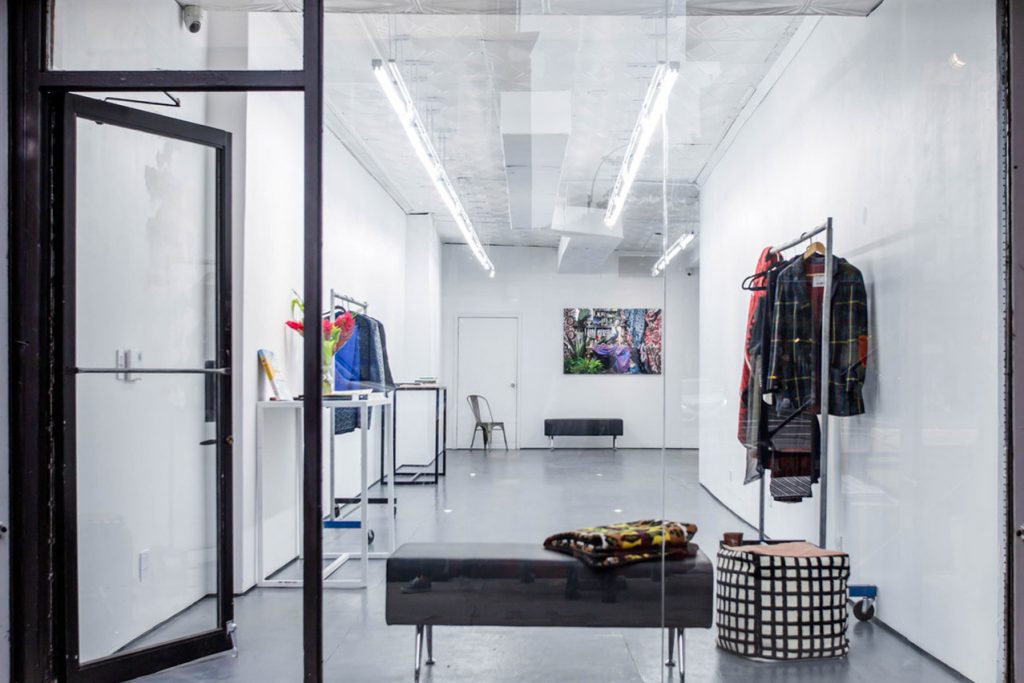
1. Test Physical Retail Without Long-Term Risk
Pop-up shops operate on short-term leases. This allows ecommerce brands to:
- Test new cities
- Validate demand
- Launch limited collections
- Experiment with merchandising
Unlike traditional leases, short-term retail spaces reduce financial exposure while providing real-world data.
2. Increase Brand Visibility
A physical storefront generates awareness that paid ads cannot replicate.
In our case study of ecommerce brands launching pop-up stores with Storefront, brands used pop-ups to create local buzz and extend digital reach into physical communities.
Pop-ups also provide strong social and press angles, especially in retail-heavy cities.
3. Create an Immersive Customer Experience
Online shopping is efficient. Physical retail is emotional.
Pop-up shops allow ecommerce brands to:
- Let customers touch and test products
- Showcase products in context
- Bring brand storytelling into physical space
This is where thoughtful space design becomes critical — lighting, signage, layout and digital integration all shape perception.

4. Collect High-Value Customer Insights
Pop-ups provide qualitative insights that ecommerce dashboards cannot.
Brands can observe:
- Product interaction patterns
- Pricing sensitivity
- In-person objections
- Messaging resonance
Many ecommerce brands refine product offerings and marketing strategies after testing them in temporary retail environments.
For more on the benefits a pop-up shop can drive read: Why Open a Pop-Up Shop? 10 Strategic Business Benefits
For brands
Ready to launch your pop-up?
Find and book your short-term retail space with Storefront.
Find a spaceHow to Launch a Pop-Up Shop as an Ecommerce Brand
If you’re planning your first activation, start with our comprehensive guide on how to open a pop-up store.
For ecommerce brands specifically, the process typically involves:
Define Your Objective
Is the goal to:
- Acquire new customers?
- Increase awareness?
- Drive immediate revenue?
- Support a product launch?
Clear objectives determine location, duration and design strategy.
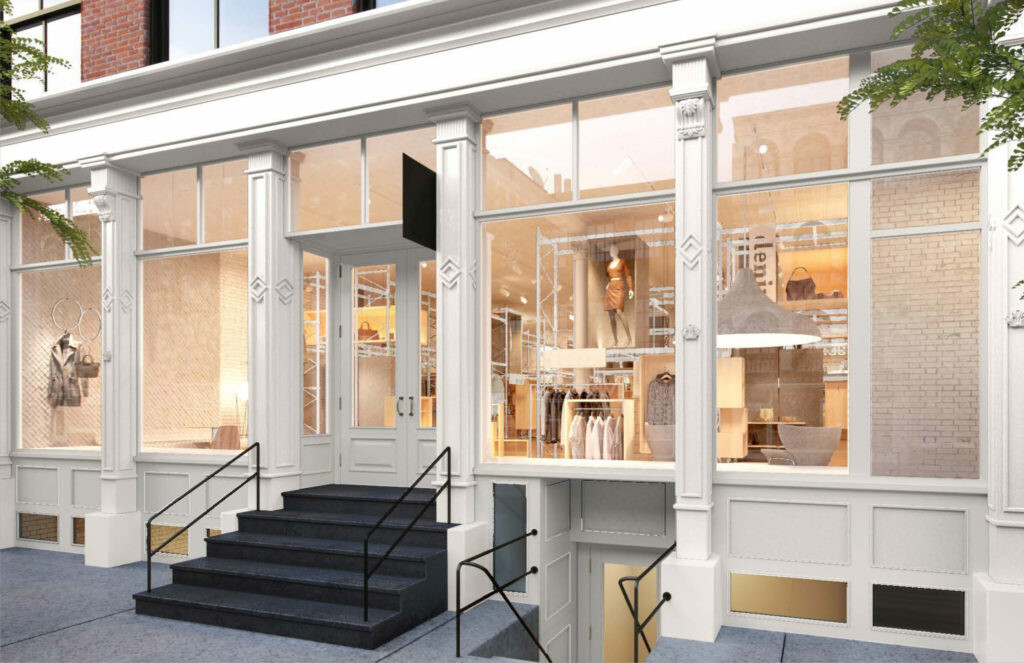
Choose the Right City
For ecommerce brands, location is strategic.
If you’re targeting U.S. customers, review our complete guide to launching a pop-up shop in New York. For UK expansion, see our guide to opening a pop-up shop in London. For European growth, explore our Paris pop-up shop guide.
Each city has different foot traffic dynamics, rental costs and consumer behaviors.
Use Pop-Ups to Drive Online Growth
Physical retail is not separate from ecommerce — it should support it.
Ecommerce brands must also design for modern omnichannel behaviors such as webrooming and showrooming, where customers move fluidly between online research and in-store purchasing.
If you’re activating in New York, read how brands arewhat makes a New York pop-up work.
For UK-based DTC brands, our London-focused strategy guide on pop-ups and DTC online growth outlines how temporary retail supports digital scale.
And for brands expanding into France, learn how to turn your Paris pop-up into sustained online growth.
These city-level strategies ensure your pop-up supports long-term ecommerce performance.
How Much Does It Cost for an Ecommerce Brand to Open a Pop-Up?
Costs vary based on:
- City
- Neighborhood
- Duration
- Build-out requirements
- Staffing
Compared to long-term retail leases, pop-ups require less upfront capital and allow flexible timelines.
Short-term retail rentals enable ecommerce brands to scale physical presence without long-term risk.
For more on the cost of a pop-up shop please read: How Much Does A Pop-Up Shop Cost? How To Budget For Your Pop-Up Shop.
Finding the Right Temporary Retail Space
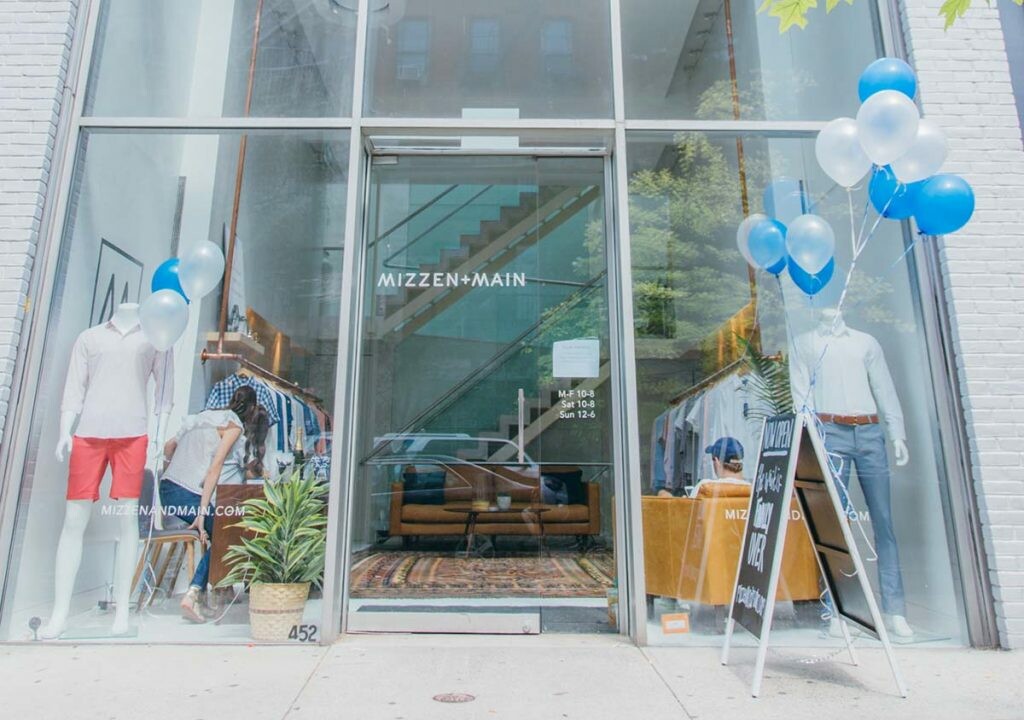
The success of an ecommerce pop-up depends heavily on visibility and foot traffic.
When searching for a space, consider:
- Street exposure
- Proximity to your target audience
- Layout adaptability
- Lease flexibility
Choosing the right temporary retail space ensures your pop-up performs both as a revenue driver and a brand activation tool.
Are Pop-Up Shops Worth It for Ecommerce Brands?
For many digital-first brands, yes.
Pop-up shops can:
- Increase customer trust
- Reduce dependency on paid acquisition
- Strengthen omnichannel presence
- Validate retail expansion plans
As the line between ecommerce and brick-and-mortar continues to blur, short-term retail has become a core growth strategy for DTC brands.
Frequently Asked Questions About Ecommerce Pop-Up Shops
What is an ecommerce pop-up shop?
An ecommerce pop-up shop is a temporary physical retail space operated by an online brand. It allows ecommerce businesses to interact with customers offline without committing to a long-term lease.
Why are DTC brands opening physical stores?
DTC brands use pop-ups to build brand trust, acquire new customers, test new markets and support omnichannel growth strategies.
How long should an ecommerce pop-up shop last?
Most pop-ups run from a few days to several weeks. The ideal duration depends on goals, budget and location.
Do pop-up shops increase online sales?
Yes. Many ecommerce brands see an increase in online traffic and repeat purchases after customers engage with the brand in person.
What cities are best for ecommerce pop-up shops?
Major retail hubs such as New York, London and Paris tend to perform well due to foot traffic and media exposure, but the best city depends on your target demographic.
For brands
Ready to launch your pop-up?
Find and book your short-term retail space with Storefront.
Find a space
Written by
Nicholas Roberts-Moore is Chief Marketing Officer at Storefront, based in London. He specializes in AI-powered marketing and the UK retail and real estate markets, helping brands turn short-term retail into measurable growth. A former journalist, he writes on pop-up strategy, retail trends, and the future of physical retail.
More from Nicholas Roberts-Moore →Related posts:
 What is a pop-up shop? Everything you need to know to try short-term retail
 How to Set Up a Pop-Up Art Gallery: 8 Steps to Renting and Launching Your Exhibition
 Offline Marketing Ideas for Pop-Up Shops
 The 5 Types of Pop-Up Shops (With Examples) & How to Choose the Right One
 Automotive Pop-Up Shops: How Car Brands Use Temporary Showrooms to Launch, Test and Sell