

Pop-up stores have become a powerful strategy for online-first fashion brands that want to connect with customers in person. By creating temporary retail spaces, brands can showcase new collections, build community, and offer a physical experience that complements their digital presence.
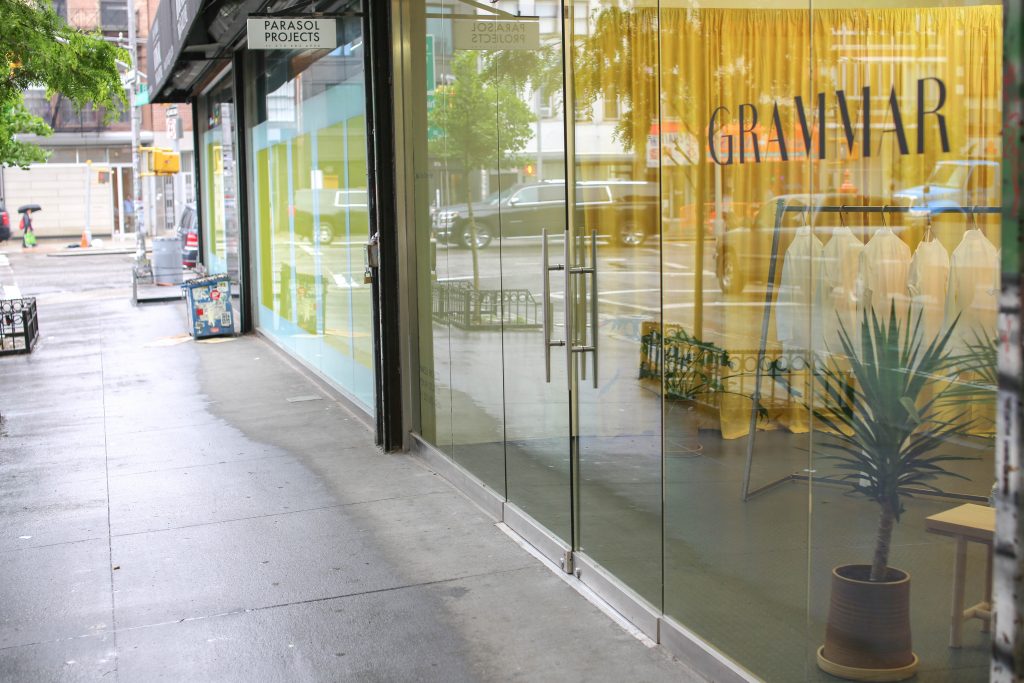
Fashion label GRAMMAR, known for its collection of carefully designed white shirts, used this approach when it opened its first pop-up store in New York City’s Lower East Side. The short-term activation introduced several new designs while giving customers the opportunity to experience the brand’s materials and craftsmanship in person.
Brands planning similar activations can explore available Lower East Side pop-up retail spaces often used by emerging fashion labels launching collections and brand experiences.
Explore more about hosting pop-ups in the Lower East Side.
Creating a Pop-Up Inspired by Design Principles
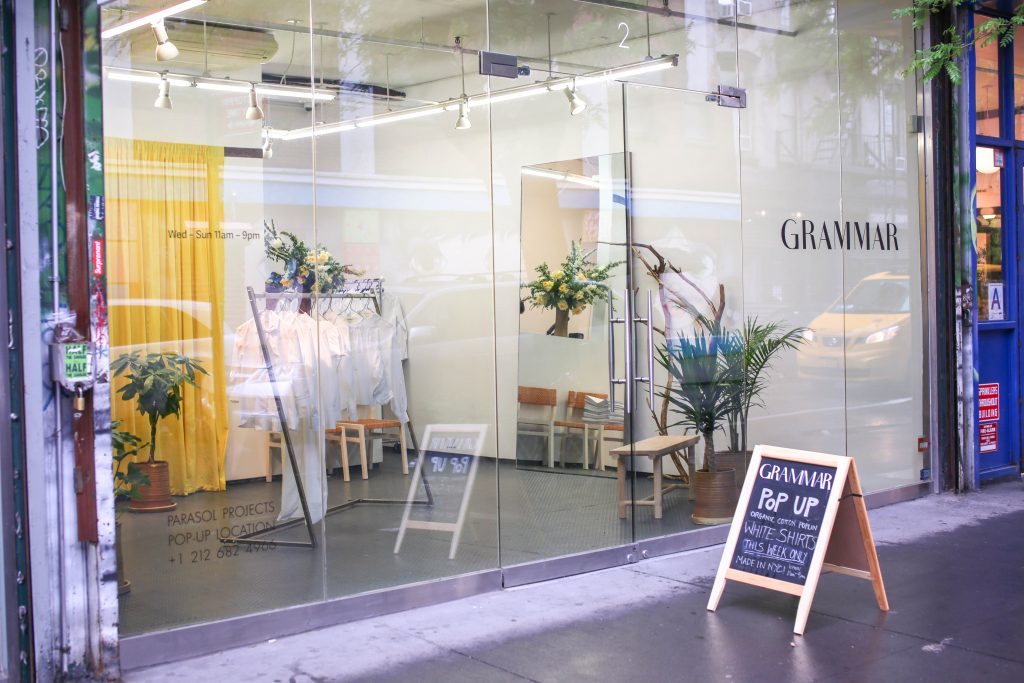
GRAMMAR founder Althea Simons designed the pop-up store as an extension of the brand’s philosophy: simplicity, craftsmanship, and attention to detail.
The concept drew inspiration from The Elements of Style by Strunk and White, a classic guide to writing that emphasizes clarity and precision.
“The pop-up, like the brand name, takes inspiration from the grammar bible The Elements of Style,” Simons explained. “The first rule is about the possessive singular and making something your own, which is how I think about design and style.”
The store environment was carefully curated to reflect those principles. Rather than filling the space with large quantities of merchandise, the focus was placed on a small collection of garments displayed in a minimal setting.
Custom Design Elements Throughout the Space
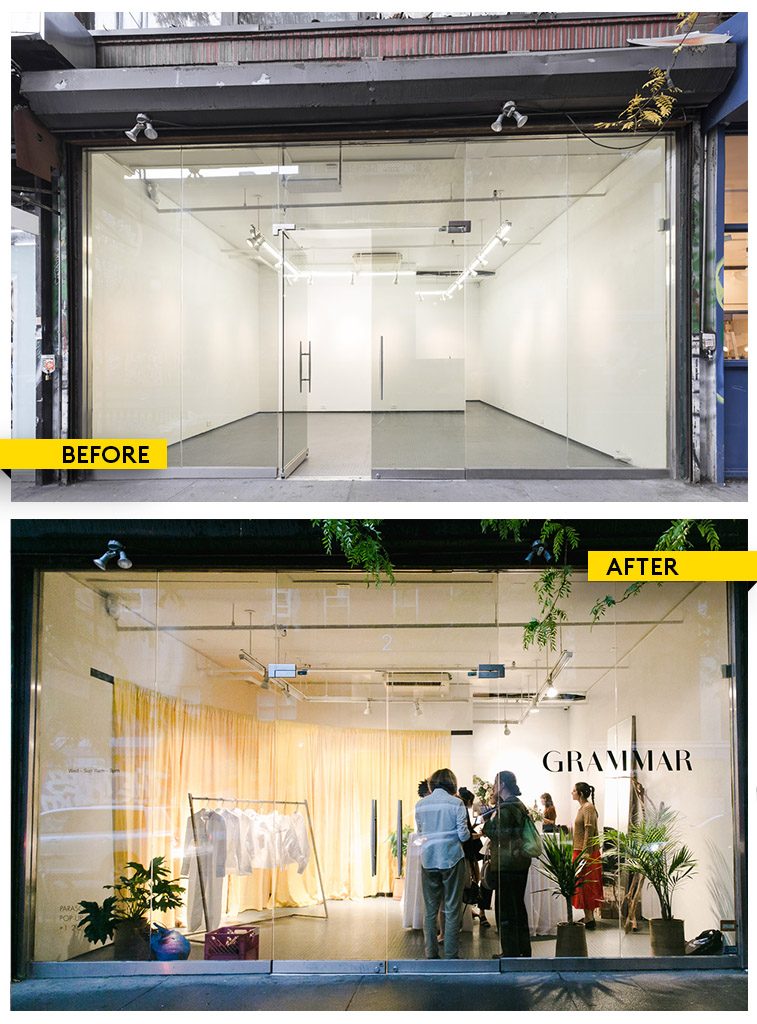
To create a distinctive environment, Simons collaborated with several artists and designers to produce custom elements for the store.
These included handcrafted pieces such as:
- Custom ceramic planters created by ceramic artist William Simons
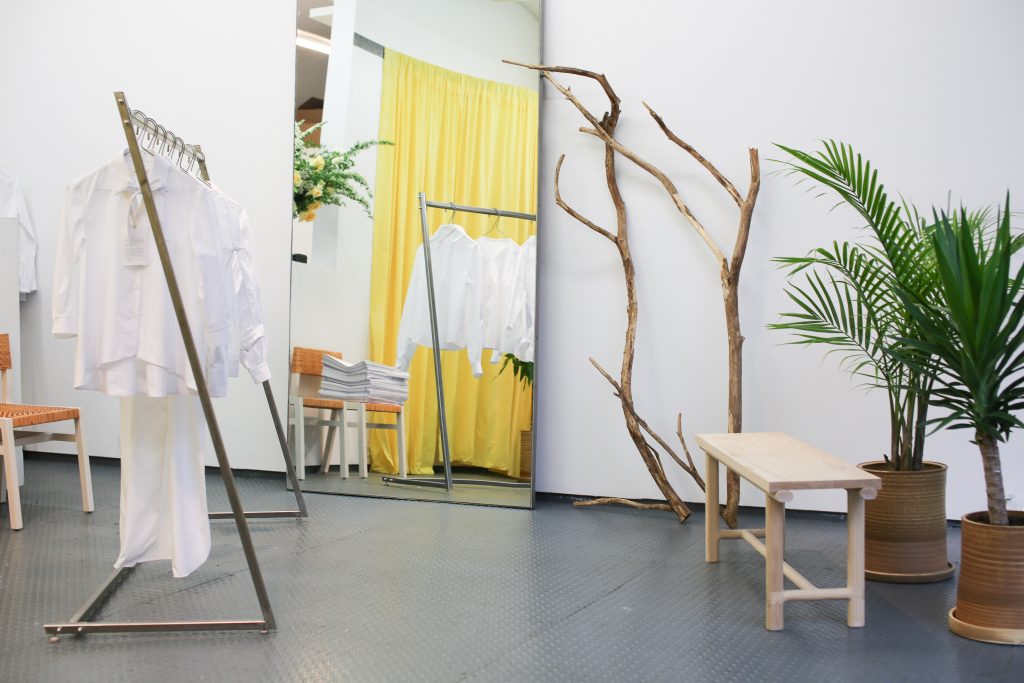
- Minimalist clothing racks and hangers designed specifically for the space
- A large curtain made from the brand’s signature organic cotton fabric
- Natural dyes created using botanical ingredients such as turmeric
These design features were intentionally simple but distinctive, reinforcing the brand’s commitment to craftsmanship and thoughtful design.
The space also included an oversized mirror installation that created a visually striking moment for visitors while also allowing them to view the garments from different angles.
Why Physical Retail Matters for Digital Brands
Although GRAMMAR began as a direct-to-consumer e-commerce brand, the team saw a pop-up store as an important opportunity to build deeper connections with customers.
“Creating this beautiful experience is the whole point,” Simons said. “As a direct-to-consumer online brand, it’s so important for people to see, touch, and experience the products.”
Clothing is particularly suited to pop-up retail because customers often want to feel fabrics, try on garments, and interact with the brand before making a purchase.
For online fashion brands, temporary stores can bridge the gap between digital shopping and physical retail.
More insights on how fashion brands use pop-ups can be found in this guide on how the fashion industry is making the most of pop-up stores.
Choosing the Right Neighborhood in New York
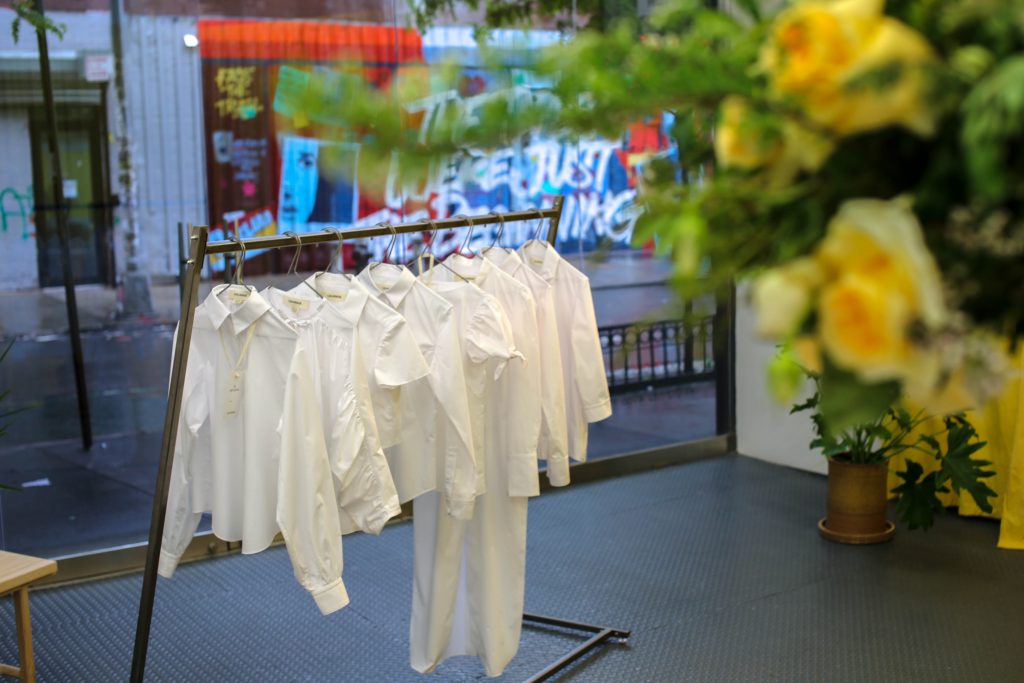
Location played an important role in the success of the pop-up.
Simons initially focused on neighborhoods such as SoHo and Nolita before selecting a space in the Lower East Side that offered strong foot traffic and a creative atmosphere.
“I wanted to be somewhere where people are actively shopping,” she explained.
The surrounding neighborhood also contributed to the overall experience. Nearby cultural institutions, retail stores, and cafés helped create an environment where visitors could discover the pop-up while exploring the area.
Brands considering similar locations can learn more about choosing the right neighborhood in this guide on renting pop-up spaces in SoHo, the Lower East Side, or Chelsea.
Programming and Launch Events
To build excitement around the launch, the brand organized a series of events connected to the pop-up opening.
Before the store opened to the public, Simons hosted a private dinner for members of the brand’s community. The event gave early supporters an opportunity to preview the collection and experience the space first.
The following morning, the team hosted a press breakfast to introduce journalists and editors to the new designs.
These early events helped generate buzz before the official opening and created opportunities for conversation around the brand.
Pop-Up Stores as Brand Experiences
The GRAMMAR activation illustrates how pop-up stores can go beyond traditional retail. Instead of simply selling products, the space was designed as a physical expression of the brand’s values.
Custom design details, artistic collaborations, and curated programming helped turn the temporary shop into an immersive brand experience.
For emerging fashion brands, this approach can be particularly effective. Pop-up stores allow companies to test new markets, launch collections, and meet customers face-to-face without committing to a permanent location.
Brands considering a similar strategy can explore Lower East Side pop-up spaces or learn more in this guide on how to start a pop-up shop in New York.

Written by
Adrien Kerbrat is Chief Revenue Officer and co-founder of Storefront. With more than 10 years in commercial real estate, he is an expert on the French market and short-term retail across Europe. Based in Bordeaux and often in Paris, he writes on pop-up strategy, retail location, and the French retail landscape.
More from Adrien Kerbrat →Related posts:
 How MM.LaFleur Uses Pop-Up Stores to Grow Its Retail Strategy
 Inside Diesel’s Knockoff Pop-Up Shop in SoHo
 How SHEIN Used Pop-Up Retail to Drive Sales and Brand Growth in Dallas
 Kanye West Yeezus Tour Pop-Up Store in NYC
 How Birchbox Used a Pop-Up Shop in Chelsea Market to Bring Its Beauty Discovery Experience Offline