

Pop-up showrooms have become an important strategy for design and furniture brands that want to introduce their products in major global markets. By creating temporary exhibition spaces, companies can present collections in a curated environment while connecting directly with architects, designers, and customers.
New Zealand-based furniture and lighting brand Resident used this approach when it opened its first temporary showroom in New York. Timed to coincide with New York Design Week, the brand launched a month-long exhibition space in the Lower East Side to showcase its contemporary designs and introduce the brand to a wider U.S. audience.
For more on how brands can make the most of NYC Design week, and other global design weeks, read: Design Week: How Brands Can Participate with Showrooms, Pop-Ups & Event Spaces
Brands planning similar activations can explore available New York showrooms or browse temporary New York retail spaces suitable for exhibitions, product launches, and design showcases.
Explore more about hosting pop-ups in the Lower East Side.
Bringing Resident to the U.S. Through a Pop-Up Showroom
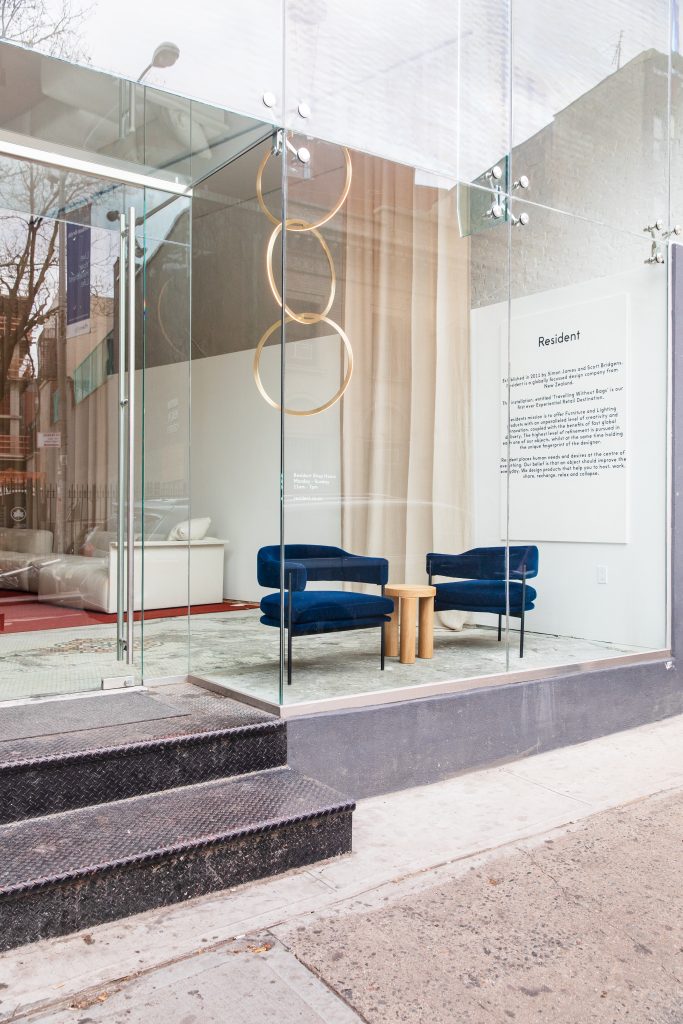
Although Resident is based in New Zealand, the United States has long been one of the company’s most important markets. The brand regularly participates in New York Design Week, but the team wanted to create a deeper experience that would allow visitors to engage with the collection in a more meaningful way.
“We needed to do something extra special to go deeper and give customers a more fulfilling experience of the brand,” said Resident co-founder Scott Bridgens.
Rather than relying solely on trade fairs or wholesale distribution, the team decided to create a dedicated showroom space where visitors could experience the designs in person.
Bridgens described the project as more than a traditional retail activation.
“We’re not calling it a pop-up. Rather an experiential retail solution. We’re not focusing on selling product per se, but educating people about the brand and design philosophy.”
The goal was to immerse visitors in the Resident brand story and allow them to see how the pieces function within a complete interior environment.
Choosing a Space With Classic New York Character
The showroom was located on Spring Street in the Lower East Side, an area known for its creative energy and strong design community.
The space itself played a major role in shaping the exhibition.
“The ceilings were so high, and it had that beautiful New York brickwork. It’s so quintessential New York, and the dimensions of the space were perfect for us,” Bridgens explained.
The 3,000-square-foot venue allowed the team to display the full range of Resident furniture and lighting products in an environment that felt both industrial and welcoming.
Companies looking to host similar activations can explore Lower East Side showroom spaces or browse Lower East Side retail spaces often used for temporary exhibitions and brand showcases.
Designing the Pop-Up Showroom Experience
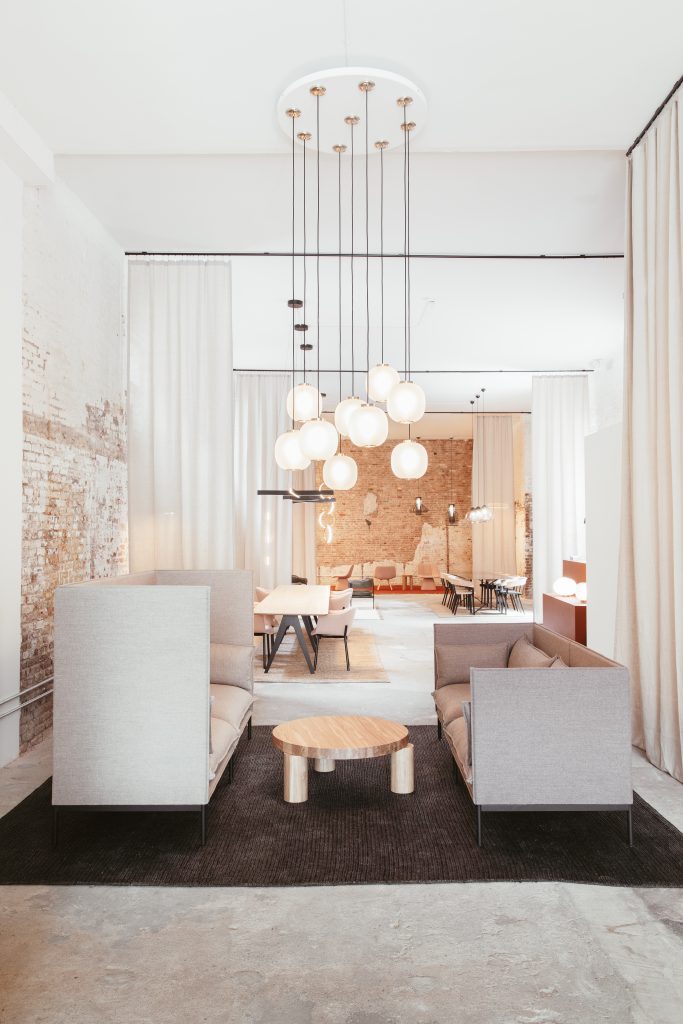
To create a cohesive exhibition environment, Resident collaborated with interior architect Rufus Knight to divide the space into six distinct zones.
Each area was designed to evoke the feeling of a living space rather than a traditional showroom. Curtains and partitions helped define individual areas while maintaining an open layout across the entire venue.
The concept allowed visitors to experience the furniture and lighting designs in settings that resembled real homes or studios, making it easier to imagine how the pieces might work in their own spaces.
Engaging the New York Design Community
The showroom also served as a meeting point for the design community during Design Week.
Resident hosted breakfast gatherings, evening events, and private appointments with designers, architects, and media representatives. These events helped introduce the brand to influential figures in the industry while creating opportunities for networking and discussion.
The team initially focused on engaging the local New York audience before welcoming international visitors who arrived in the city during Design Week.
Pop-up showrooms are often used in this way by design brands, allowing them to connect directly with professionals who influence purchasing decisions in architecture and interior design.
Testing the U.S. Market With a Temporary Showroom
The New York showroom was also an opportunity for Resident to evaluate the potential for long-term retail presence in the United States.
According to Bridgens, the brand saw the project as a stepping stone toward future expansion.
“The goal is to have a standalone store in the U.S. — not one but many.”
By launching a temporary showroom first, the company could test the market, gather feedback, and build relationships before investing in permanent locations.
This approach is increasingly common for international brands entering new markets.
Why Pop-Up Showrooms Work for Design Brands
Furniture and lighting companies often rely on showrooms to present their products in curated environments where customers can see materials, proportions, and lighting effects in person.
Temporary showrooms offer several advantages:
- They allow brands to participate in design events and trade weeks
- They provide a physical experience beyond online catalogs
- They create networking hubs for industry professionals
- They help test new markets before opening permanent stores
For design brands launching in cities like New York, pop-up showrooms provide a flexible way to introduce collections and build visibility.
Companies interested in creating similar experiences can explore New York showroom spaces or browse New York pop-up retail locations for temporary exhibitions and product launches.
For more guidance on planning temporary retail activations in the city, see this guide on How to Open Your First Pop-Up Shop in New York.
for further inspiration check out: How Brompton Uses Pop-Up Stores to Drive Global Retail Growth.

Written by
Adrien Kerbrat is Chief Revenue Officer and co-founder of Storefront. With more than 10 years in commercial real estate, he is an expert on the French market and short-term retail across Europe. Based in Bordeaux and often in Paris, he writes on pop-up strategy, retail location, and the French retail landscape.
More from Adrien Kerbrat →Related posts:
 Kanye West Yeezus Tour Pop-Up Store in NYC
 How Birchbox Used a Pop-Up Shop in Chelsea Market to Bring Its Beauty Discovery Experience Offline
 J.Hilburn’s SoHo Pop-Up: A Luxury Menswear Brand Steps Into Physical Retail
 How Indochino Used Pop-Up Showrooms in New York to Introduce Custom Menswear
 How TCHO Uses Pop-Up Shops to Bring Its Chocolate “Flavor Labs” to Customers and Power Growth