

Brompton is a globally recognized British brand known for its innovative folding bicycles and strong urban mobility positioning. With a retail strategy built around immersive brand experiences, the company has successfully combined flagship stores, dealer networks, and pop-up retail to expand into key international markets.
Through its network of Brompton Junction stores and strategic short-term retail activations, the brand continues to engage new audiences, test locations, and strengthen its presence in major cities.
This case study explores how Brompton uses pop-up stores as a flexible, low-risk way to enter new markets and build long-term retail success.
Brompton’s retail strategy: experience-led expansion
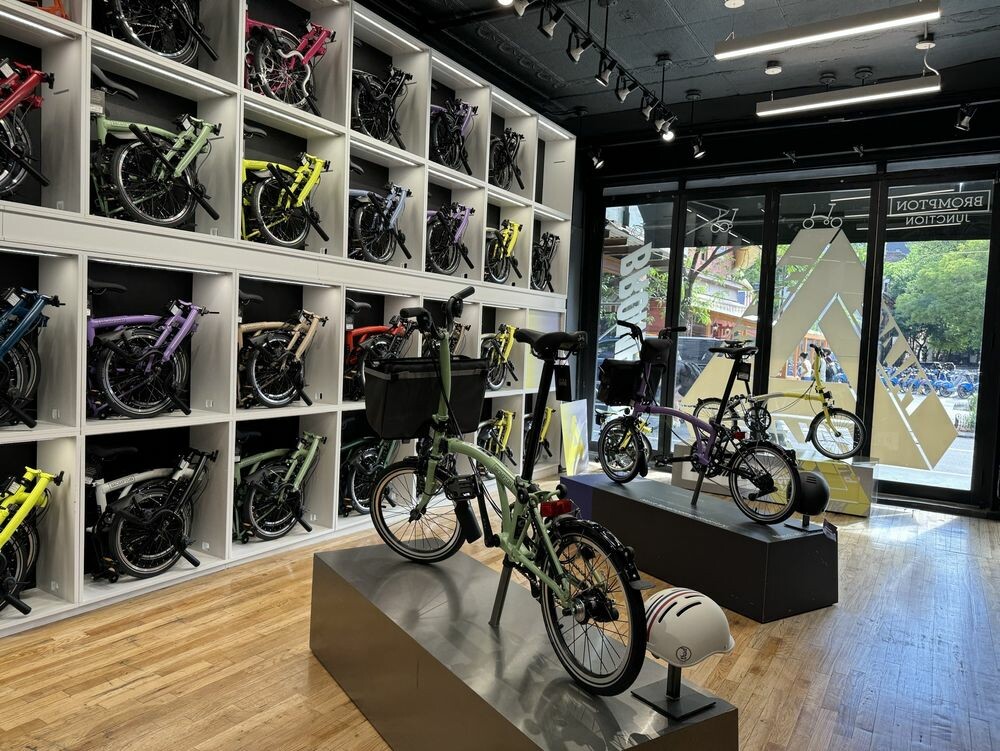
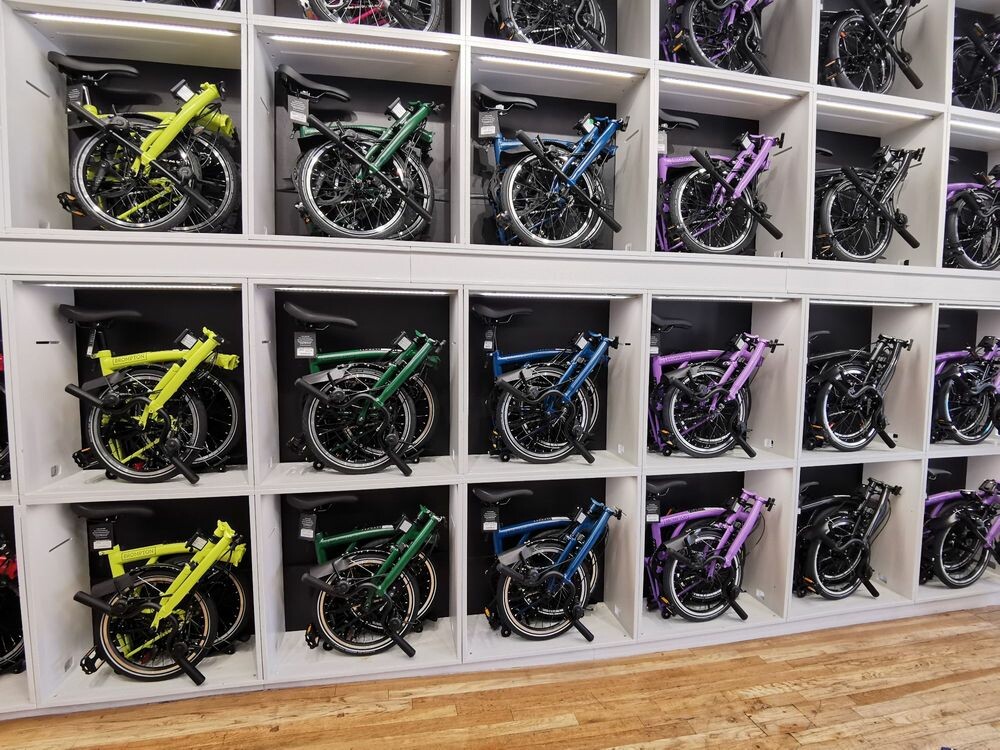
Brompton’s retail model blends permanent retail with temporary activations.
The brand operates flagship Brompton Junction stores in global cities such as London, New York, Tokyo, and Singapore, alongside a wide network of independent retailers and partners. These spaces are designed to be more than traditional stores. They focus on immersive experiences, test rides, and community engagement.
Pop-up stores play a key role in this strategy.
They allow Brompton to:
- test demand in new cities or neighborhoods
- build brand awareness quickly
- create local campaigns tied to cultural or seasonal moments
- support existing wholesale and retail partners
You can explore more about the brand on the Brompton website.
Why Brompton uses pop-up stores
For Brompton, pop-up retail offers flexibility that traditional leases cannot match.
When entering a new market like New York, a pop-up allows the brand to establish a presence without long-term risk. This is especially important in high-cost retail cities where committing to permanent space can be challenging.
Pop-ups also enable the brand to align retail launches with key timing moments. In Brompton’s case, this included launching ahead of peak cycling season and tapping into wider conversations around urban mobility.
If you are considering a similar approach, this pop-up shop guide for New York breaks down how to enter the market effectively.
Choosing the right neighborhood in New York
Location strategy played a major role in Brompton’s expansion.
The brand explored several high-traffic retail areas including Midtown, SoHo, and Nolita before selecting a neighborhood that aligned with both its audience and brand positioning.
Each New York neighborhood offers distinct advantages:
- SoHo for high footfall and global brand visibility
- Nolita for a more curated, lifestyle-driven audience
- Midtown for volume and accessibility
Understanding these differences is essential when planning a pop-up. This guide to the best neighborhoods for pop-up shops in New York provides a deeper breakdown of location strategy.
For brands actively searching, you can browse available pop-up shop spaces in New York to compare neighborhoods and formats.
Finding the right space and negotiating effectively
One of the biggest challenges in launching a pop-up store is balancing location quality with budget.
In Brompton’s case, the ideal space combined:
- strong visibility and recognizable address
- proximity to high-traffic routes and bike lanes
- flexible layout for experiential retail
- sufficient signage and branding opportunities
While initial options exceeded budget, local market knowledge and negotiation made it possible to secure the right space.
For brands
Ready to launch your pop-up?
Find and book your short-term retail space with Storefront.
Find a spaceThis highlights a key takeaway for brands: the best spaces are not always the most obvious ones, and negotiation plays a critical role in securing value.
Designing an immersive retail experience
Brompton’s retail spaces are designed to reflect how customers actually use the product.
Rather than focusing purely on display, the stores prioritize:
- hands-on interaction
- test rides
- community engagement
- storytelling around urban mobility
Pop-up stores are particularly effective for this approach because they allow brands to create focused, high-impact experiences without long-term constraints.
This aligns with broader trends in experiential retail, where physical stores act as brand environments rather than just points of sale.
Measuring success beyond sales
For Brompton, success is not measured by sales alone.
Pop-up stores are used as both retail and marketing tools. Key metrics include:
- brand awareness and search demand
- website traffic and engagement
- community growth and event participation
- local market penetration
This dual role makes pop-ups especially valuable for brands entering competitive urban markets.
Key lessons for brands launching a pop-up
Brompton’s approach highlights several important lessons for any brand considering a pop-up store:
Focus on neighborhoods first
Understanding local demographics and behavior is more important than choosing a space quickly.
Spend time on the ground
Visit areas, observe foot traffic, and speak with local businesses to gain real insight.
Prioritize alignment with existing partners
If you already have wholesale or retail partners, ensure your pop-up complements rather than competes with them.
Tell your brand story early
Engaging directly with landlords and stakeholders can improve negotiation outcomes and help secure better spaces.
How Storefront supports pop-up retail launches
Launching a pop-up store involves multiple steps, from location scouting to lease negotiation.
Platforms like Storefront simplify this process by:
- providing access to thousands of short-term retail spaces globally
- offering insights into neighborhoods and pricing
- facilitating direct connections with landlords
- supporting negotiation and deal structure
This makes it easier for brands to move quickly and secure spaces that align with their goals.
From pop-up to long-term growth
Brompton’s use of pop-up retail demonstrates how temporary spaces can drive long-term impact.
By combining flagship stores, partnerships, and flexible pop-up activations, the brand has built a scalable retail model that adapts to different markets and customer behaviors.
For brands looking to expand internationally or test new concepts, pop-ups offer a practical and effective entry point.
You can explore available spaces worldwide, including markets like Amsterdam, to find the right location for your next retail project.
Thinking of running a pop up? Read these case studies for further inspiration:
- How Unspun Used a Pop-Up Store in Hong Kong to Test a New Way of Buying Denim
- How HEMA Used Pop-Up Stores in Paris and Amsterdam to Launch a Seasonal Campaign
- 7 For All Mankind Builds Buzz with Its Pop-Up Store in Le Marais
- How Adore Me Uses Pop-Up Stores to Strengthen Its Ecommerce-First Strategy
For brands
Ready to launch your pop-up?
Find and book your short-term retail space with Storefront.
Find a space
Written by
Adrien Kerbrat is Chief Revenue Officer and co-founder of Storefront. With more than 10 years in commercial real estate, he is an expert on the French market and short-term retail across Europe. Based in Bordeaux and often in Paris, he writes on pop-up strategy, retail location, and the French retail landscape.
More from Adrien Kerbrat →Related posts:
 Inside the GRAMMAR Pop-Up Store in New York’s Lower East Side
 How The Daily Show Used a Pop-Up Exhibition to Turn Tweets Into an Interactive Experience
 How Design Brand Resident Used a Pop-Up Showroom in New York to Introduce Its Furniture Collection
 How Knotel Used a Pop-Up Showroom in New York to Demonstrate Its Agile Office Concept
 How Venmo Used a Mobile Pop-Up Activation in New York to Launch Its Debit Card