

Pop-up stores have evolved far beyond retail. Today, they are immersive experiences that blend entertainment, art, food, and culture into something entirely new.
Few activations capture this shift better than the Museum of Ice Cream, a concept that turned a simple idea into one of the most talked-about pop-up experiences in the world.
This is not just a pop-up shop. It is a blueprint for how brands can create moments people want to visit, share, and remember.
A pop-up that turned into a cultural phenomenon
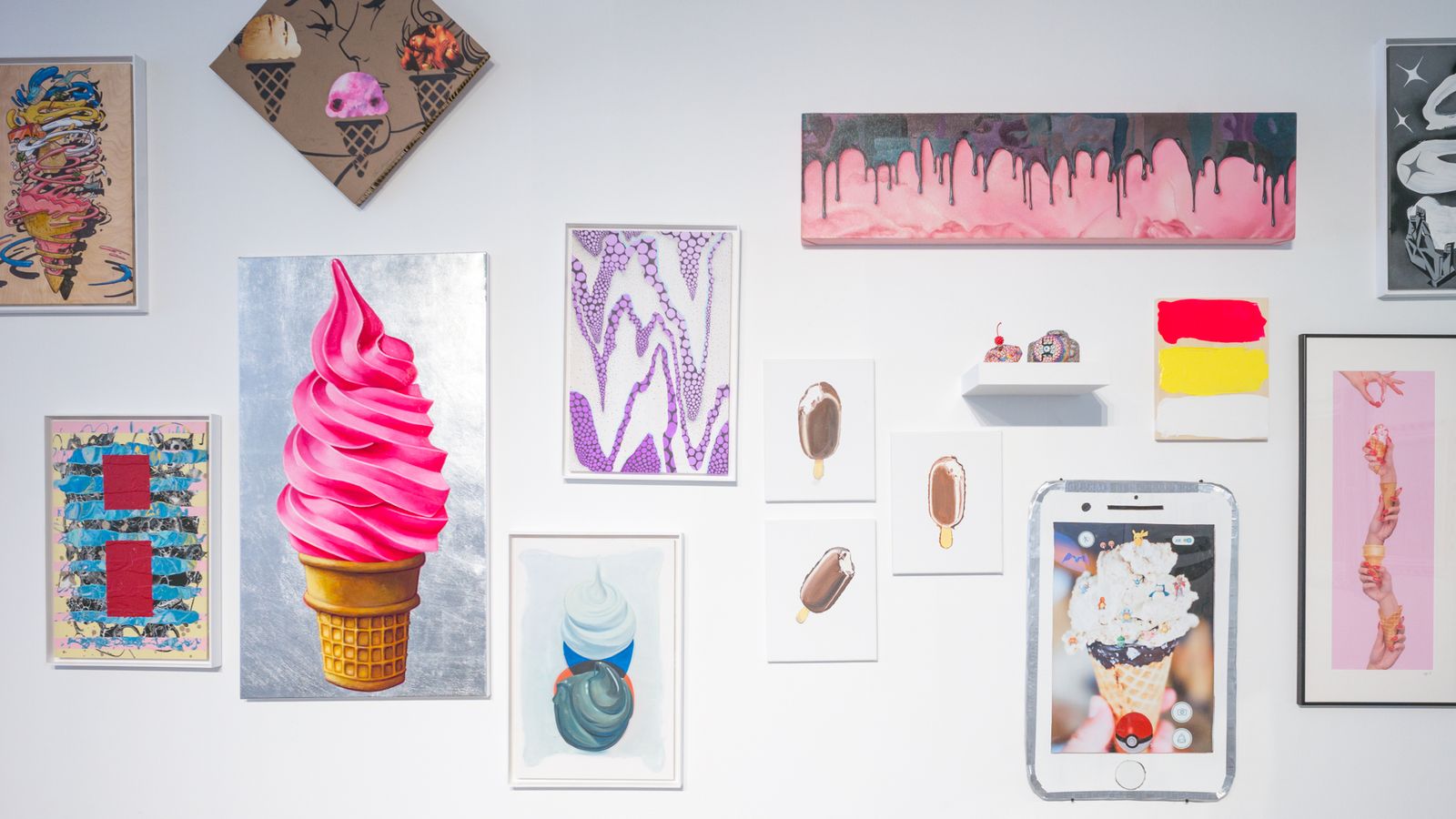
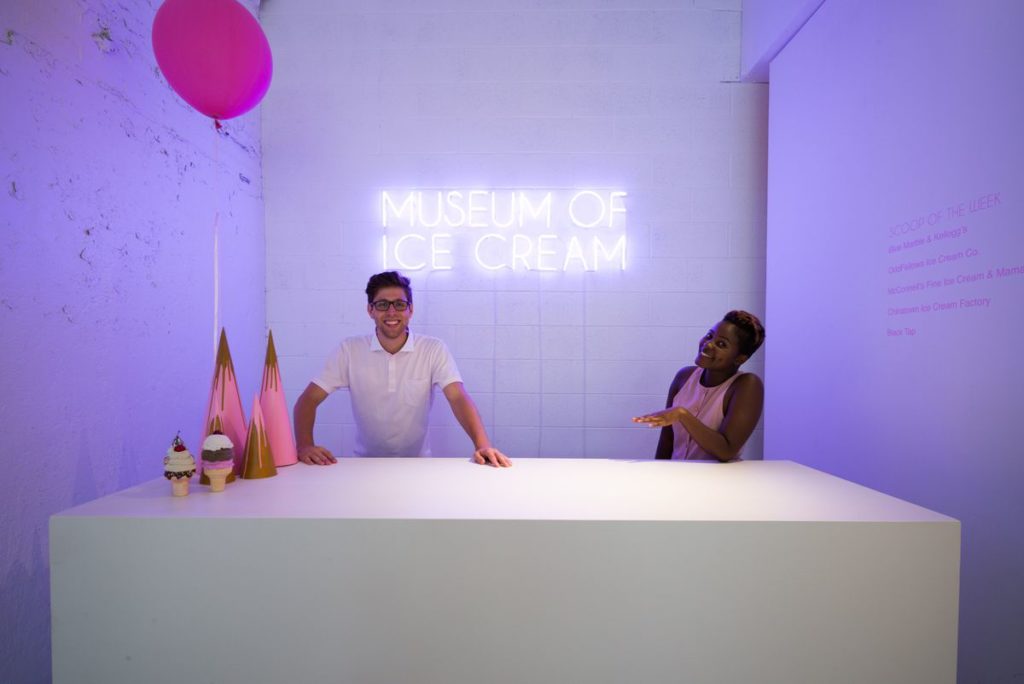
Launched in New York, the Museum of Ice Cream combined exhibition design with interactive environments, transforming a temporary space into a fully immersive world built around a single theme.
Visitors did not just browse. They explored.
The experience included:
- multi-sensory installations
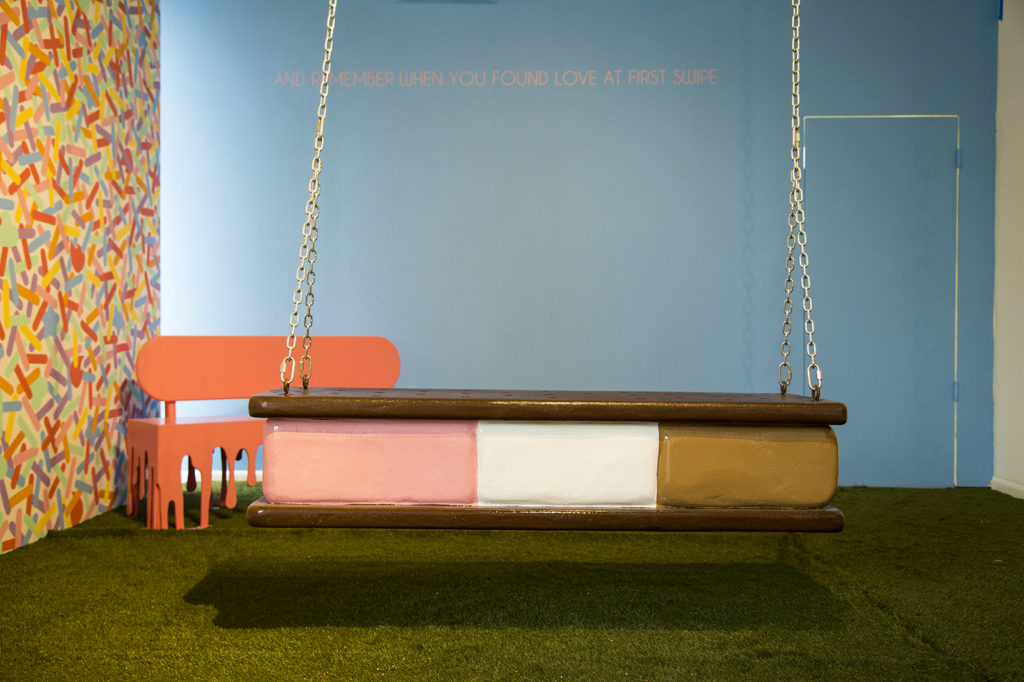
- interactive rooms and playful environments
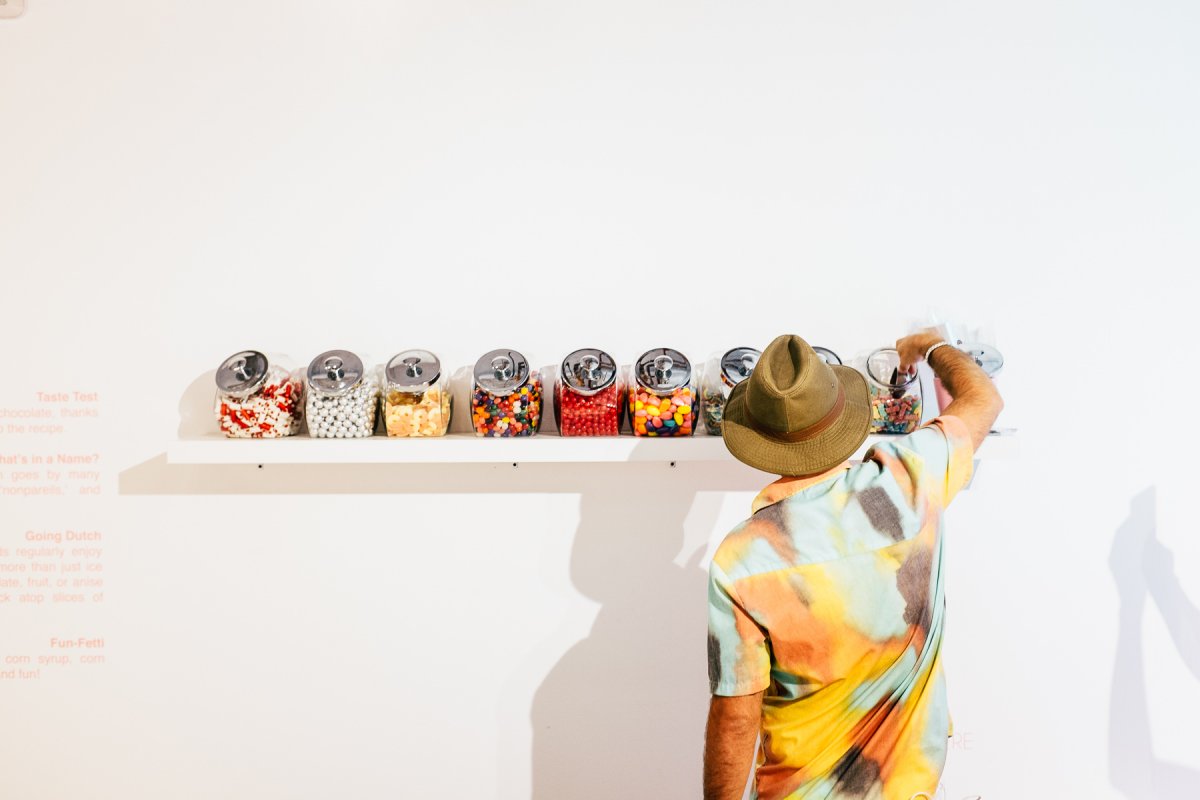
- tastings and exclusive flavors
- photo-driven moments designed for social sharing
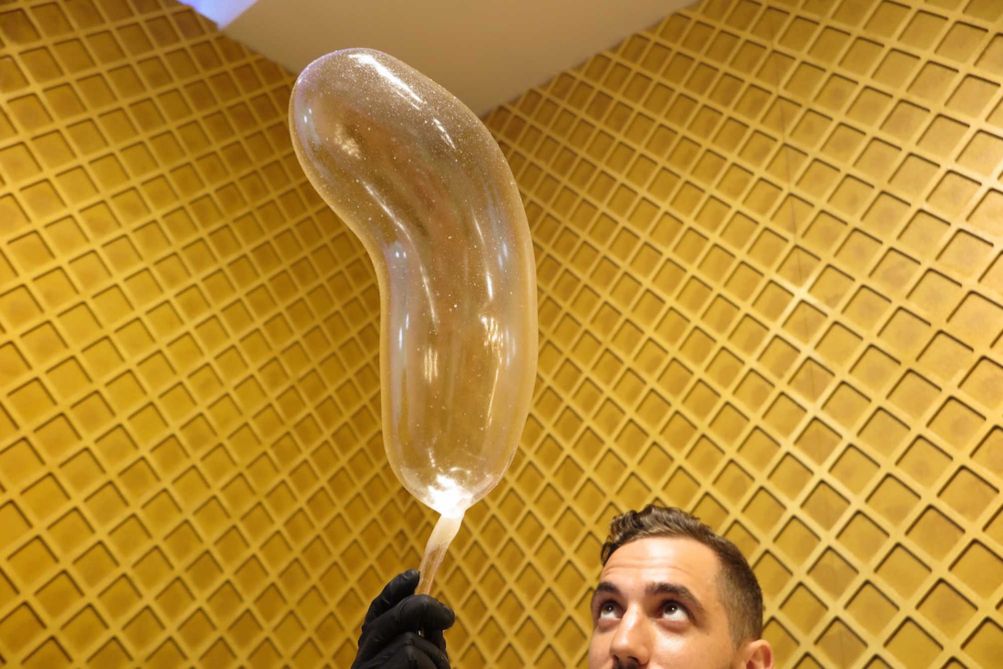
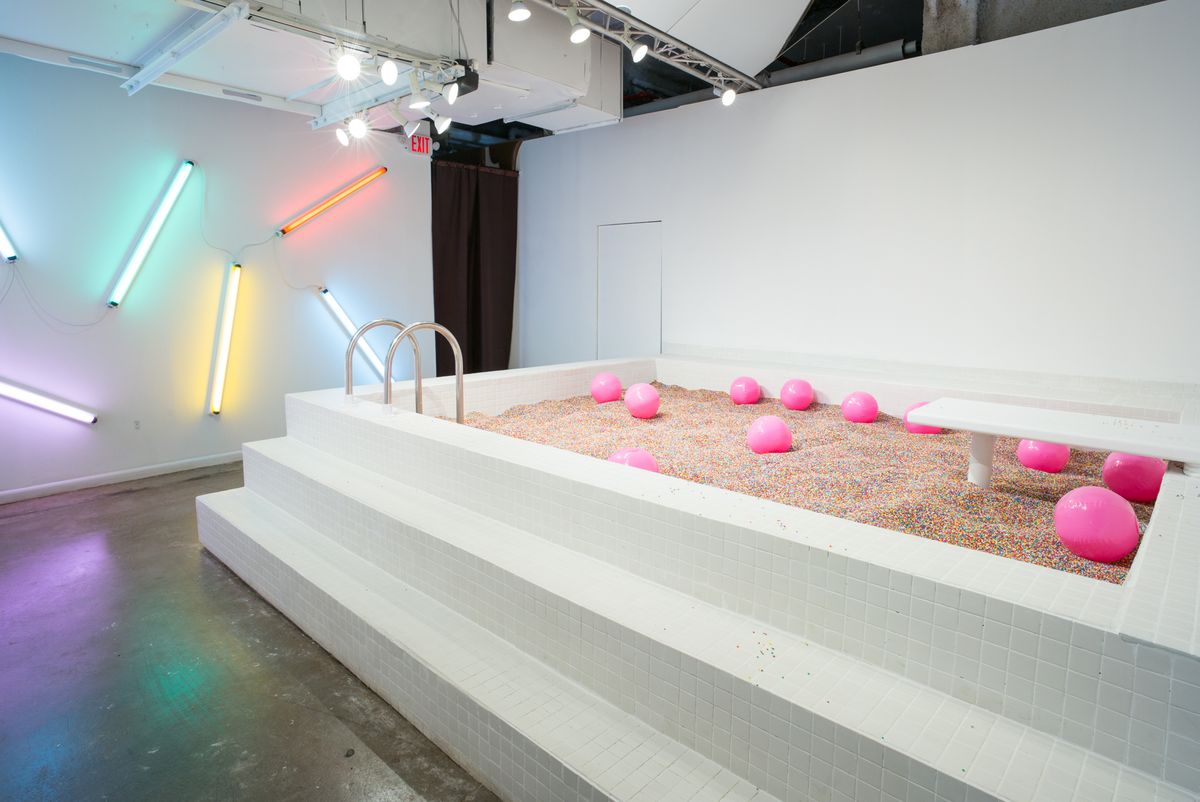
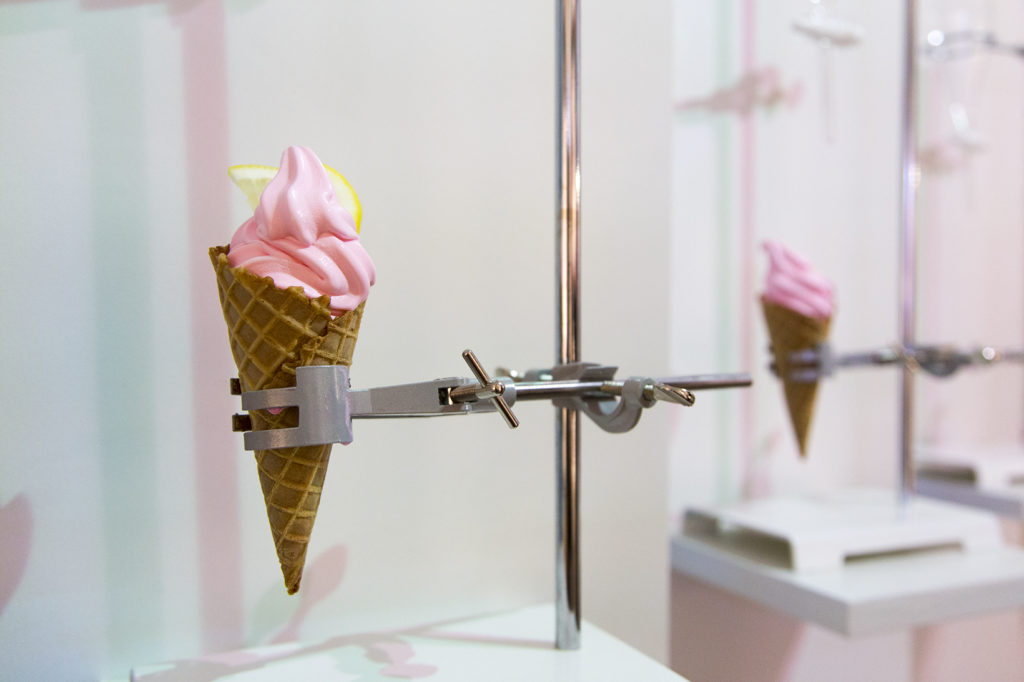
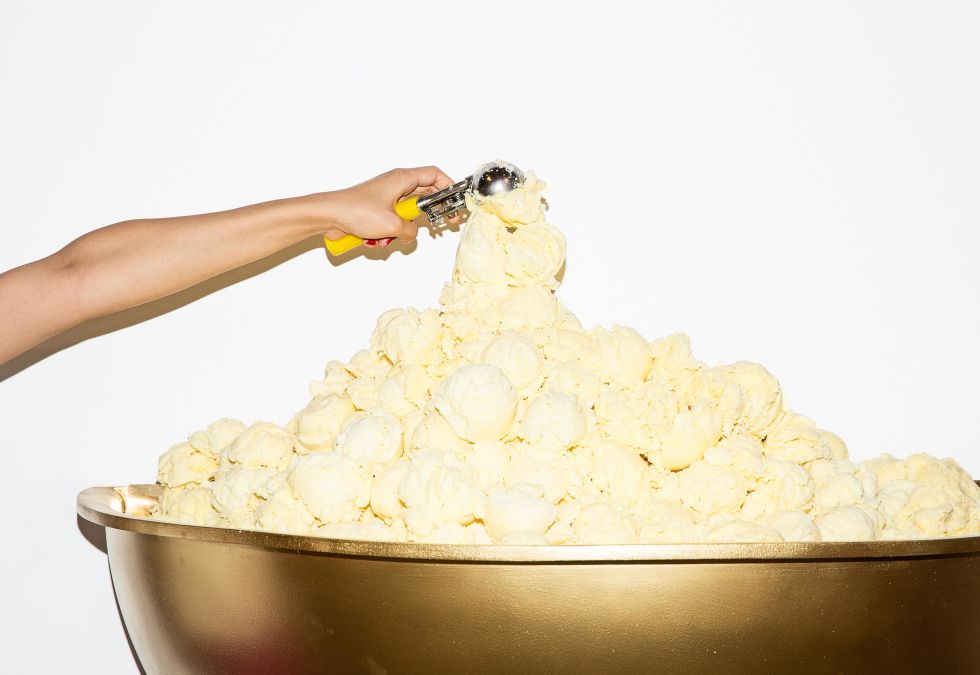
From a pool of sprinkles to edible installations and surreal environments, every detail was designed to create joy, curiosity, and engagement.
Located in a high-traffic area of New York, near cultural landmarks and retail destinations, the pop-up benefited from strong footfall and visibility. If you are considering a similar approach, explore pop-up shop spaces in New York or high-demand neighborhoods like SoHo.
Collaboration at the core of the concept

One of the defining features of the Museum of Ice Cream was its collaborative nature.
The pop-up brought together:
- established brands like OddFellows Ice Cream
- local institutions such as the Original Chinatown Ice Cream Factory
- creative partners including Future Food Studio
- artists and designers contributing installations
These collaborations added depth to the experience while helping each partner reach new audiences.
Rather than a single brand activation, the pop-up functioned as a platform for multiple voices, ideas, and products.
Why experiential pop-ups work
The success of concepts like the Museum of Ice Cream highlights a major shift in retail.
Customers are no longer just looking to buy products. They are looking for experiences.
Experiential pop-ups succeed because they:
- give people a reason to visit beyond shopping
- create highly shareable moments
- encourage longer dwell time
- build emotional connections with the brand
In this case, the experience itself became the product.
Blending exhibitions, retail, and entertainment
The Museum of Ice Cream sits at the intersection of three formats:
- exhibitions
- pop-up retail
- entertainment experiences
This hybrid approach is becoming more common.
Brands are increasingly using temporary spaces to:
For brands
Ready to launch your pop-up?
Find and book your short-term retail space with Storefront.
Find a space- host themed exhibitions
- collaborate with artists and creators
- create interactive storytelling environments
- launch products within an experience-led setting
The result is a format that feels less like a store and more like a destination.
What brands can learn from this approach
You do not need to recreate a large-scale installation to apply these ideas.
The key principles are transferable:
Start with a strong concept
A clear theme or story makes the experience memorable.
Design for interaction
Encourage visitors to engage, not just observe. Read more: How to Master Pop Up Store Design: Layout, Displays and Proven Retail Strategies.
Build in shareability
Think about how the space will be photographed and shared. Read more: How to Create an Instagrammable Pop-Up Shop.
Collaborate with others
Partnering with complementary brands or creators can expand reach and add depth. Read more: A Guide to Effective Pop-Up Store Collaborations for Small Businesses.
The role of location in experiential pop-ups
Location remains a critical factor.
High-footfall areas, culturally relevant neighborhoods, and proximity to attractions all contribute to success. In cities like New York, certain districts naturally attract the right audience for experiential concepts.
Choosing the right space ensures your pop-up is not just seen, but experienced by the right people.
Bringing your own pop-up experience to life
The Museum of Ice Cream shows what is possible when creativity, collaboration, and retail come together.
Pop-up stores are no longer limited to selling products. They are platforms for storytelling, community, and cultural engagement.
If you are looking to create your own activation, you can explore spaces worldwide on Storefront and find locations that support your vision.
The most successful pop-ups today do not just sell. They create experiences people actively seek out.
Image sources, top to bottom:
- Eater NY
- Tech Insider
- AM New York
- NY Daily News

Written by
Adrien Kerbrat is Chief Revenue Officer and co-founder of Storefront. With more than 10 years in commercial real estate, he is an expert on the French market and short-term retail across Europe. Based in Bordeaux and often in Paris, he writes on pop-up strategy, retail location, and the French retail landscape.
More from Adrien Kerbrat →Related posts:
 Photo Flip: 13 Charming Shops For Rent in Le Marais for Lovers of Parisian Architecture
 Success Stories: Pop-Up Stores Turned Permanent Spaces
 3 Pop-Up Stores For The Senses
 Campus Pop-Ups: How Brands Use Pop-Up Stores to Reach Students and Build Engagement
 How to Use Plants in Your Pop-Up Store to Make it Pop