

When people think of pop-ups, they often think of retail. But the art world has quietly adopted the pop-up model as a powerful alternative to traditional gallery exhibitions.
For artists, curators, and art collectives, short-term gallery rentals offer flexibility, urgency, and visibility that long-running shows often struggle to achieve. As the art industry evolves, more creatives are using temporary exhibitions to connect directly with audiences and take greater control of their presentation.
If you’re considering launching your own exhibition, start with our complete guide on how to set up a pop-up art gallery. Below, we explore why the pop-up format is gaining momentum across the global art scene.
The Limitations of Traditional Gallery Models
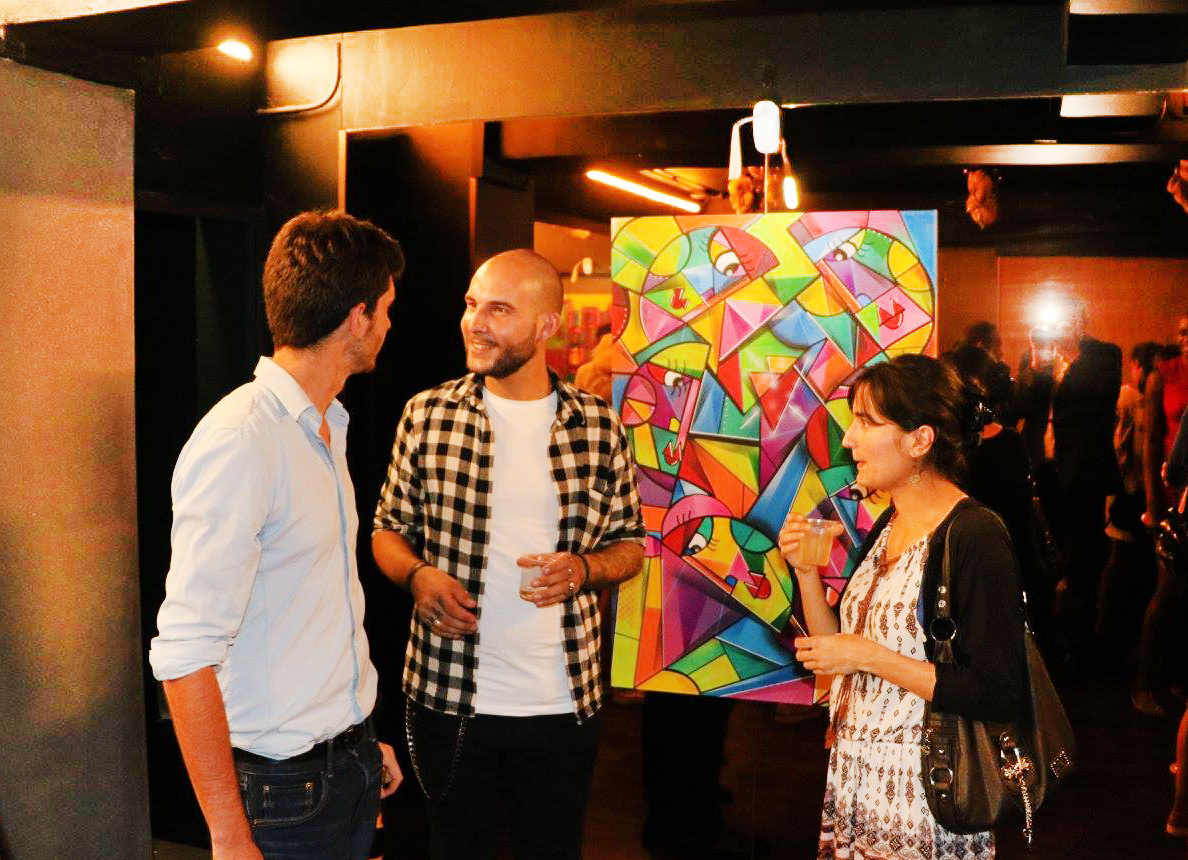
Traditional gallery exhibitions often run for two to three months. While this allows for extended exposure, attendance typically peaks during the opening week and declines afterward.
For emerging artists, breaking into established galleries can also be challenging. Many galleries require long commitments, commission structures, or prior representation. The result is a system that can feel rigid, slow-moving, and difficult to access.
Pop-up galleries address these limitations by shortening the timeline and lowering barriers to entry. Instead of waiting for approval from a permanent gallery, artists can rent a short-term exhibition space and curate their own experience.
Temporary gallery spaces are now widely available across major art markets, including New York, London, Paris, Miami, and Milan.
How Pop-Up Galleries Create Urgency and Visibility
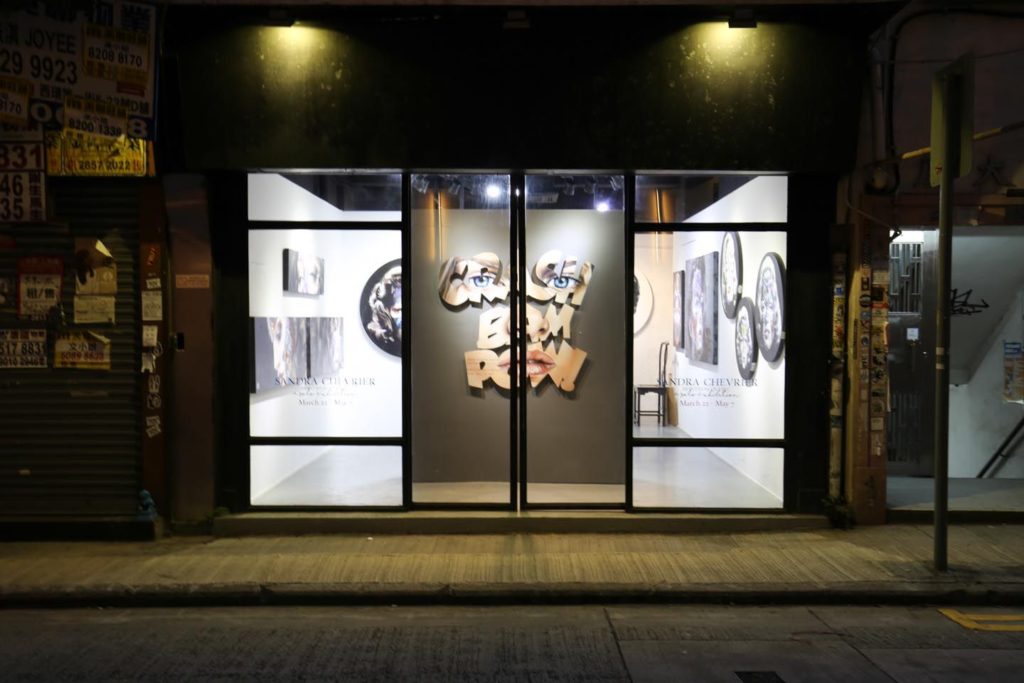
The defining characteristic of a pop-up exhibition is its limited duration. A show that lasts five days or one week creates a sense of urgency that longer exhibitions often lack.
When visitors know the exhibition is temporary, they are more likely to attend during the opening period. This concentrated traffic can generate stronger momentum, media attention, and social sharing.
Short-term exhibitions also allow artists to align with major art events, gallery weekends, and art fairs. Instead of competing with long-running exhibitions, pop-ups can strategically ride the wave of existing art traffic.
From a marketing perspective, a temporary show is easier to promote with a clear start and end date. This urgency often leads to stronger engagement and faster purchasing decisions.
Case Studies: Pop-Up Galleries in Action
Julia Ryan: A Week-Long Exhibition in New York
Visual artist Julia Ryan launched a week-long pop-up exhibition in a Bowery space to showcase 17 original oil paintings. By choosing a short-term activation, she was able to focus attention on a concentrated period and generate buzz around a specific collection.
Her exhibition demonstrates how artists can use temporary gallery spaces to take control of timing and presentation without relying on long-term representation. Read More.
Superfine!: Reinventing the Art Fair Model

Superfine! challenged traditional art fair conventions by launching a more accessible, artist-focused event in SoHo. By using short-term exhibition spaces, the founders created a more flexible and dynamic buying experience.
This approach shows how the pop-up model can reshape not only solo exhibitions but also larger art events that aim to break away from rigid industry traditions. Read more.
Dustykid: Pop-Up as Cultural Platform
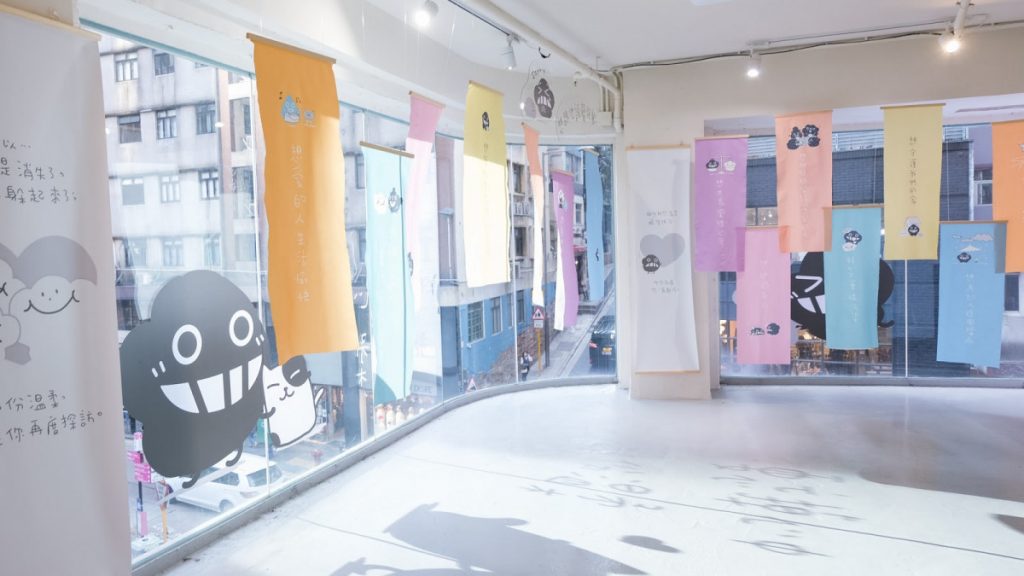
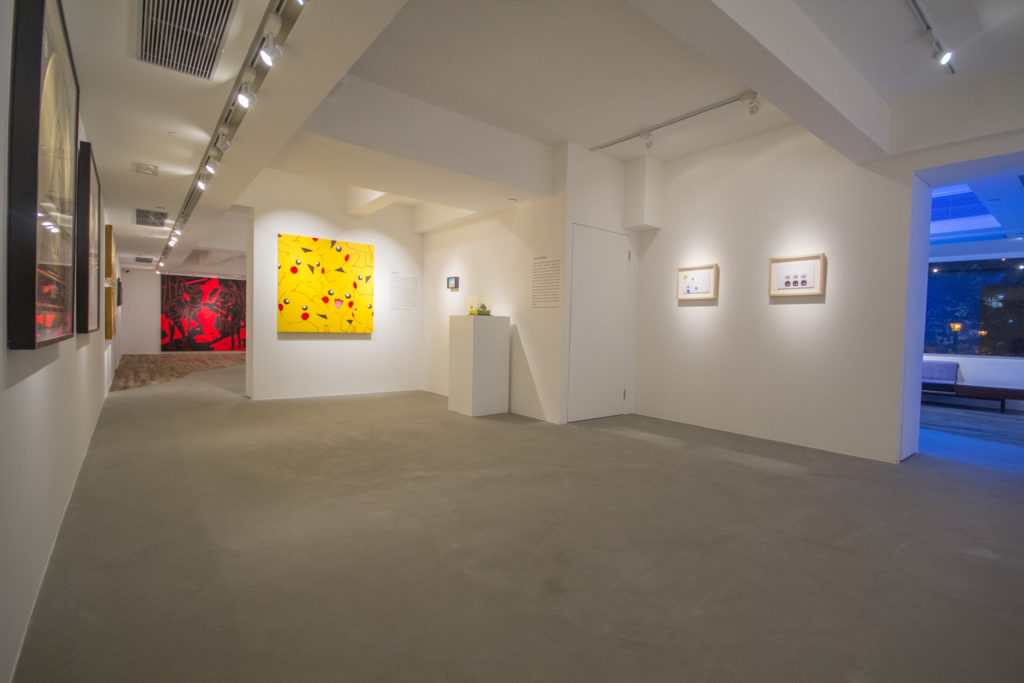
Artist and author Rap Chan, known as Dusty Papa, hosted a pop-up exhibition in Hong Kong focused on mental health awareness. The short-term format allowed him to create an immersive, timely experience connected to a specific message.
The pop-up model supported both artistic expression and community engagement, demonstrating that temporary exhibitions can serve cultural and social purposes beyond sales. Read more.
Why Short-Term Exhibitions Increase Engagement and Sales
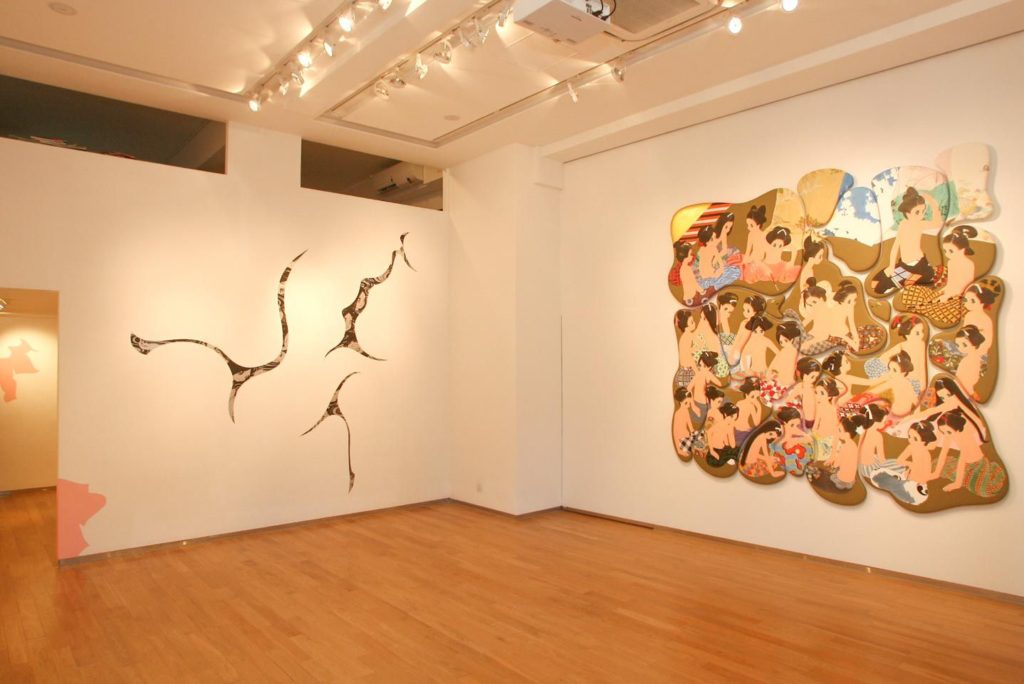
Seeing artwork in person remains one of the strongest drivers of purchase decisions. Like retail, art buying often depends on emotional response.
Pop-up galleries encourage this in several ways. First, the temporary nature creates urgency. Second, the focused timeframe concentrates attention. Third, artists often have more direct interaction with visitors compared to traditional gallery structures.
Short-term shows also allow artists to experiment with pricing, layout, and audience targeting without committing to long-term overhead.
For those concerned about budget, many of these benefits can be achieved even with limited resources. Our guide on creating a low-budget pop-up art gallery explains how to manage costs strategically while maintaining professionalism.
Is a Pop-Up Gallery Right for You?
A pop-up exhibition may be ideal if you:
- Want to test a new market or neighborhood
- Are launching a new body of work
- Want to align with a major art event
- Prefer flexibility over long-term commitments
- Want direct interaction with collectors
If you’re ready to explore available venues, you can browse curated art gallery exhibition spaces for rent or compare listings across major cities such as New York, London, Paris, Miami, and Milan.
For a full step-by-step breakdown of how to plan and execute your exhibition, read our comprehensive guide on how to set up a pop-up art gallery.
Or find out how to launch a low budget pop-up gallery.
Pop-up galleries are not simply a trend borrowed from retail. They are a strategic response to structural shifts in the art industry—offering flexibility, urgency, and creative control in a changing market.
Ready to exhibit your work and find the perfect space to pop-up? Take a look at gallery spaces around the world on Storefront and make your ideas happen.

- Offline Marketing Ideas for Pop-Up Shops - March 18, 2026
- How to Promote a Pop-Up Shop on Social Media - March 18, 2026
- Kodak Launches Experiential Pop-Up Store in London’s Soho - March 16, 2026
Related posts:
 How Dustykid Used a Christmas Pop-Up Store in Hong Kong to Connect With Its Online Community
 How To Grow Your Brand With Global Pop-Up Stores
 How To Connect With Generation Z Using Pop-Up Stores
 10 short-term spaces to rent for Art Basel Hong Kong
 How Artist Julia Ryan Used a Pop-Up Gallery to Launch a New Collection