Beverage brands operate in one of the most competitive consumer markets. Whether alcohol, coffee, tea or soft drinks, differentiation often depends on experience rather than product alone.
Pop-up stores allow beverage brands to create immersive environments where customers can taste, interact and engage directly with the brand. Unlike traditional retail distribution through supermarkets or bars, temporary retail gives beverage companies control over atmosphere, messaging and customer data.
For a broader perspective across sectors, see our guide to pop-up shop strategies by industry.
Below are several ways beverage brands use temporary retail strategically.
Market Testing Before Permanent Expansion
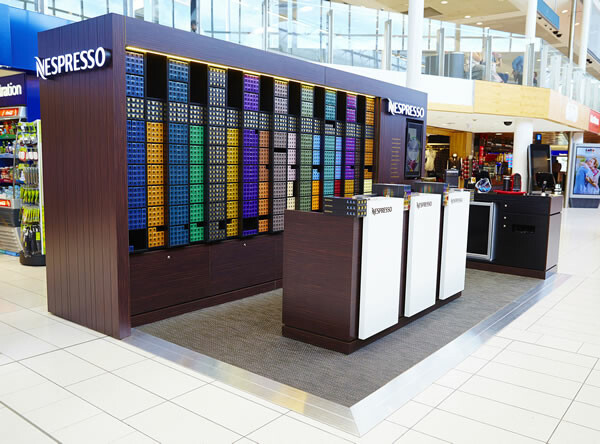
For beverage brands entering new territories, pop-ups offer a low-risk way to test demand.
Nespresso used temporary stores in Sydney to evaluate the Australian market before committing to permanent retail. These activations allowed customers to experience the product physically, recycle capsules in-store and engage directly with the brand — something that had previously been limited to online distribution.
Testing through short-term retail allows beverage companies to:
- Validate geographic demand
- Understand local consumer behavior
- Build brand awareness before long-term leases
- Collect direct feedback
This approach is particularly common in major cities such as London, Paris and Sydney, where international brands often evaluate expansion potential.
Using Pop-Ups as Brand Storytelling Platforms
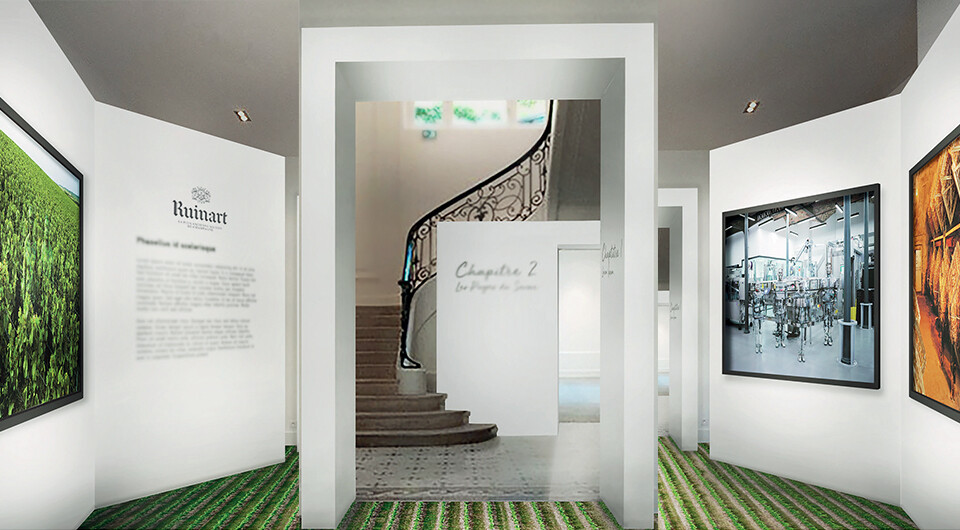
Unlike permanent stores, pop-ups can be entirely theme-driven.
Champagne house Ruinart transformed a temporary space in Paris into an art-focused exhibition environment. The activation combined curated photography with vintage tastings, turning product consumption into a cultural event.
For premium beverage brands, storytelling is often more important than volume sales. Temporary retail environments allow brands to communicate heritage, craftsmanship and exclusivity in a controlled setting.
This experiential focus aligns closely with broader immersive retail strategies. For more on how environment shapes perception, see our analysis of experiential retail case studies.
Seasonal and Event-Driven Activations
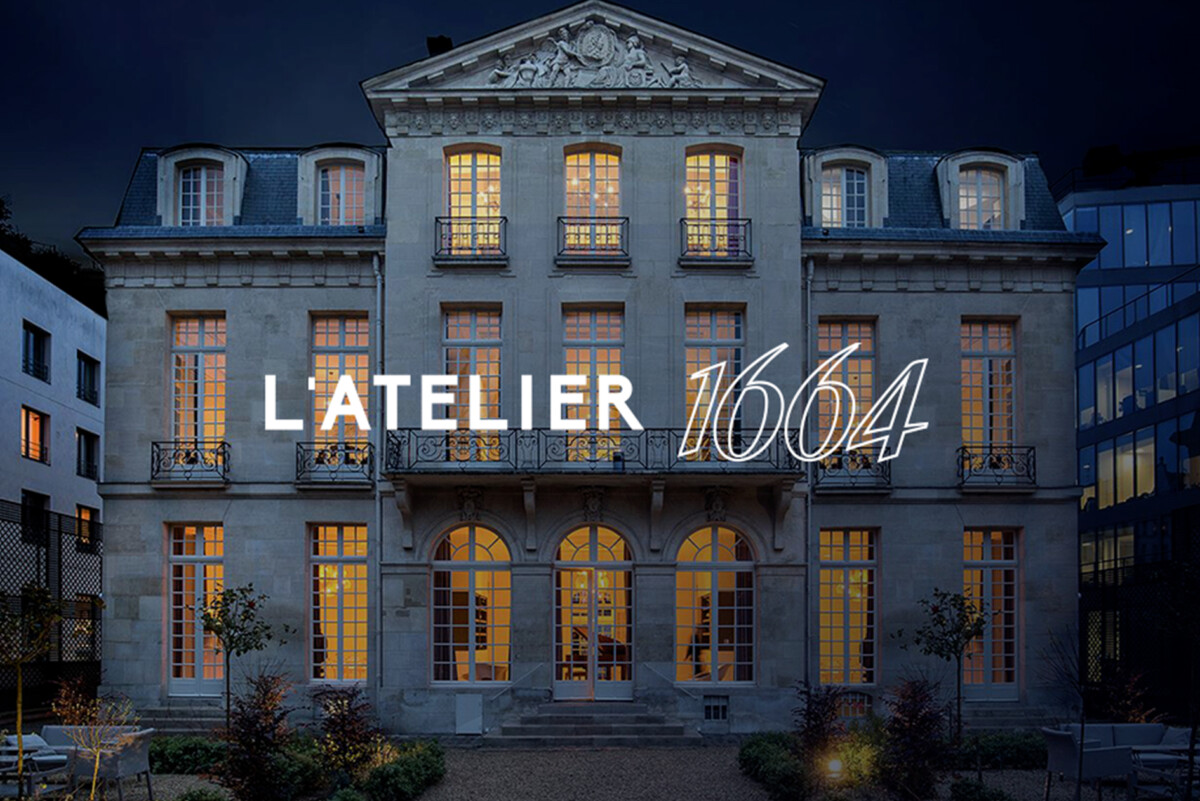
Beverage brands frequently align pop-ups with seasonal demand.
1664 launched a large-format summer activation in Paris that combined beer pairings, outdoor dining, music and social content moments. Rather than operating as a traditional bar, the space functioned as a lifestyle destination designed around community and seasonality.
Seasonal pop-ups allow beverage brands to:
- Capitalize on peak consumption periods
- Create social-media-friendly environments
- Host DJs, tastings and workshops
- Strengthen emotional brand association
Timing is often as important as location in these activations.
Product Launches With Controlled Media Impact
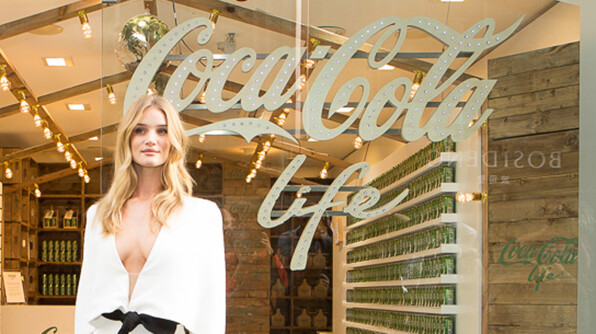
Pop-ups are also effective for introducing new product variations.
Coca-Cola used a London pop-up to launch Coca-Cola Life, drawing press attention and reinforcing product positioning in a high-visibility urban environment.
Unlike standard retail distribution, a dedicated pop-up creates a focused narrative around a launch, ensuring the product is introduced in a curated context rather than lost among competitors on supermarket shelves.
Influencer-Led and DTC Beverage Activations
Digitally native beverage brands increasingly use pop-ups to transition from online-only distribution to physical engagement.
Wandertea, for example, activated a temporary store in Paris to convert Instagram followers into in-person customers. For influencer-led brands, pop-ups provide an opportunity to transform digital communities into physical ones.
This mirrors strategies seen in ecommerce more broadly. For brands expanding from online to physical retail, see our guide to ecommerce and DTC brands opening pop-up shops.
Why Pop-Ups Work Especially Well for Beverage Brands
Beverage marketing depends heavily on sensory experience.
Temporary retail allows brands to:
- Offer tastings and sampling
- Create immersive atmospheres
- Host events and partnerships
- Gather real-time customer insight
- Generate press and social media visibility
Unlike many product categories, beverages benefit directly from physical interaction. Sampling reduces purchase hesitation and strengthens brand memory.
Across alcohol, coffee, tea and soft drinks, pop-up stores remain one of the most flexible tools for market expansion, storytelling and launch strategy.
Find your perfect pop-up space on Storefront, 1,000s of spaces across the world!
Frequently Asked Questions About Beverage Pop-Up Stores
Why do beverage brands open pop-up stores?
Beverage brands use pop-ups to offer tastings, launch new products, test new markets and create immersive brand experiences that are not possible through traditional retail distribution.
Are pop-up bars effective for alcohol brands?
Yes. Pop-up bars allow alcohol brands to control the environment, host events and encourage sampling, which can significantly increase brand recall and customer engagement.
How long should a beverage pop-up run?
Most beverage pop-ups run from a few days to several weeks, depending on whether the goal is a product launch, seasonal activation or market test.
Do beverage pop-ups increase long-term sales?
They can. Sampling and in-person engagement often reduce purchase hesitation and increase repeat buying, especially when paired with digital follow-up campaigns.
What cities are best for beverage pop-up activations?
Major urban centers such as Paris, London, New York and Sydney are popular due to high foot traffic, media exposure and established event culture.