

Sportswear brands operate in one of the most experience-driven sectors of retail. From sneaker drops and athlete collaborations to fan culture and streetwear influence, the category thrives on community engagement and product storytelling.
Pop-up stores have become a powerful tool for sportswear brands looking to connect with customers beyond digital channels. Temporary retail spaces allow brands to create immersive environments, test new markets and generate excitement around product launches.
This strategy is used across many industries — from fashion and beauty to automotive and entertainment. You can explore more examples in our guide to pop-up shop strategies by industry.
Below we explore why sportswear brands rely on pop-up stores and highlight real examples of successful activations.
Why Pop-Up Stores Work for Sportswear Brands
1. Creating immersive brand experiences
Sportswear brands often build strong identities around performance, design innovation and cultural influence. Pop-up stores provide a physical space where these elements can be experienced first-hand.
Instead of simply displaying products, sportswear pop-ups frequently include interactive installations, exhibitions or storytelling elements that connect customers with the brand’s heritage.
A good example is FILA’s heritage pop-up in SoHo, which celebrated the brand’s legacy while showcasing collaborations tied to the relaunch of its Mindblower sneaker.
Read the full case study: Inside FILA’s Heritage Pop-Up Store in SoHo
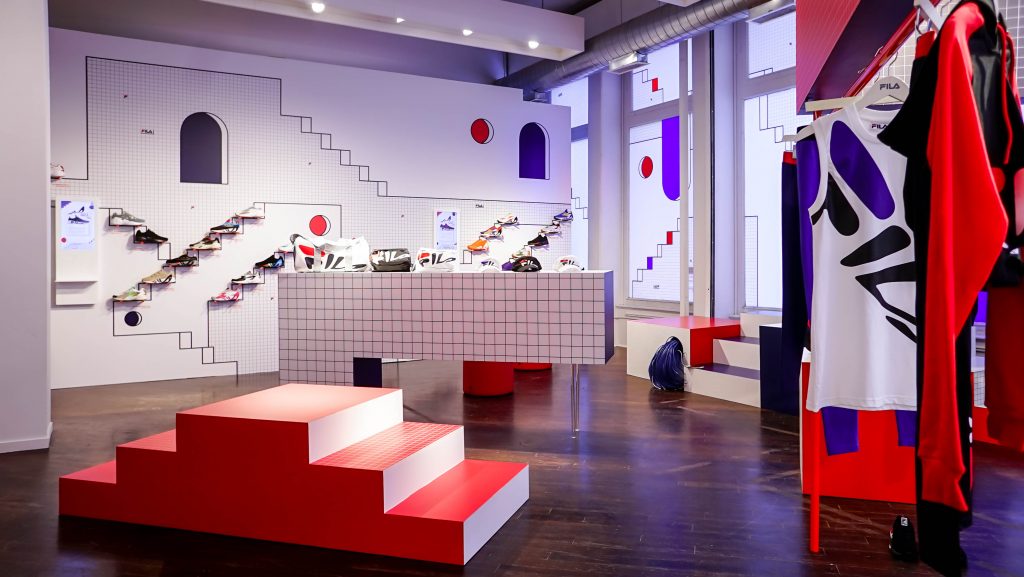
2. Connecting with sports communities
Sportswear brands are deeply connected to fan communities, athletes and cultural movements.
Pop-up stores allow brands to create gathering spaces where customers can celebrate shared interests — whether through events, exhibitions or limited product releases.
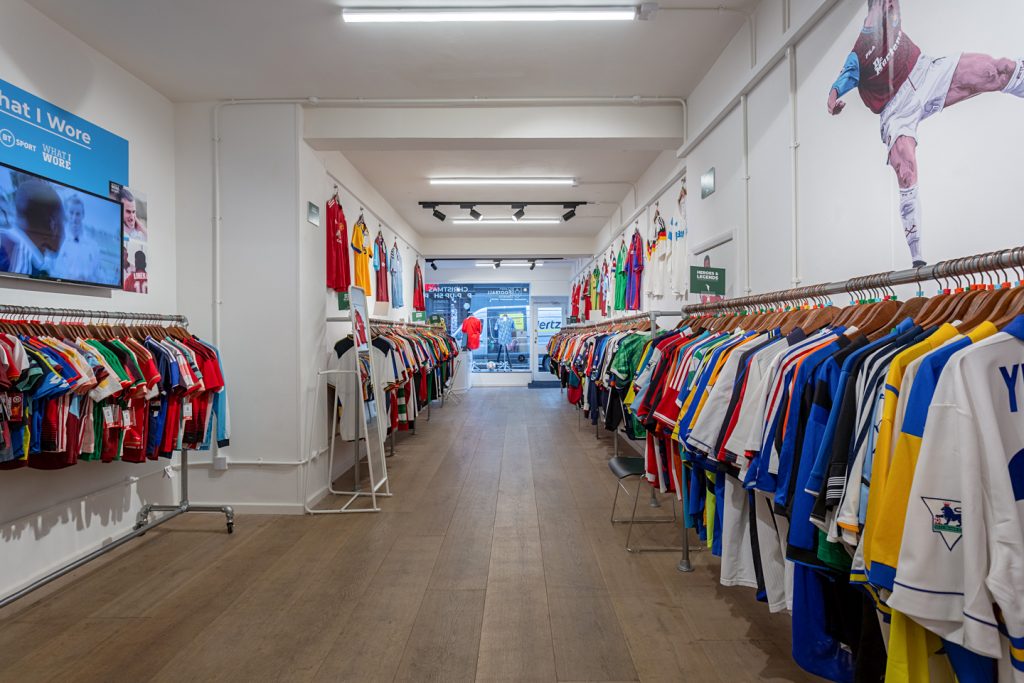
Vintage football retailer Classic Football Shirts uses pop-up stores to create immersive retail environments where fans can explore thousands of historic kits and relive football memories.
Read the case study: Classic Football Shirts: Creating Immersive Pop-Up Experiences for Football Fans
The brand has also launched targeted pop-up activations in key retail districts such as Shoreditch to reach new audiences.
See the activation here: Classic Football Shirts Launches a Vintage Football Pop-Up in Shoreditch
3. Launching products and collaborations
Few sectors generate as much excitement around product releases as sportswear. Limited edition sneakers, athlete collaborations and anniversary collections often rely on temporary retail experiences to generate hype.
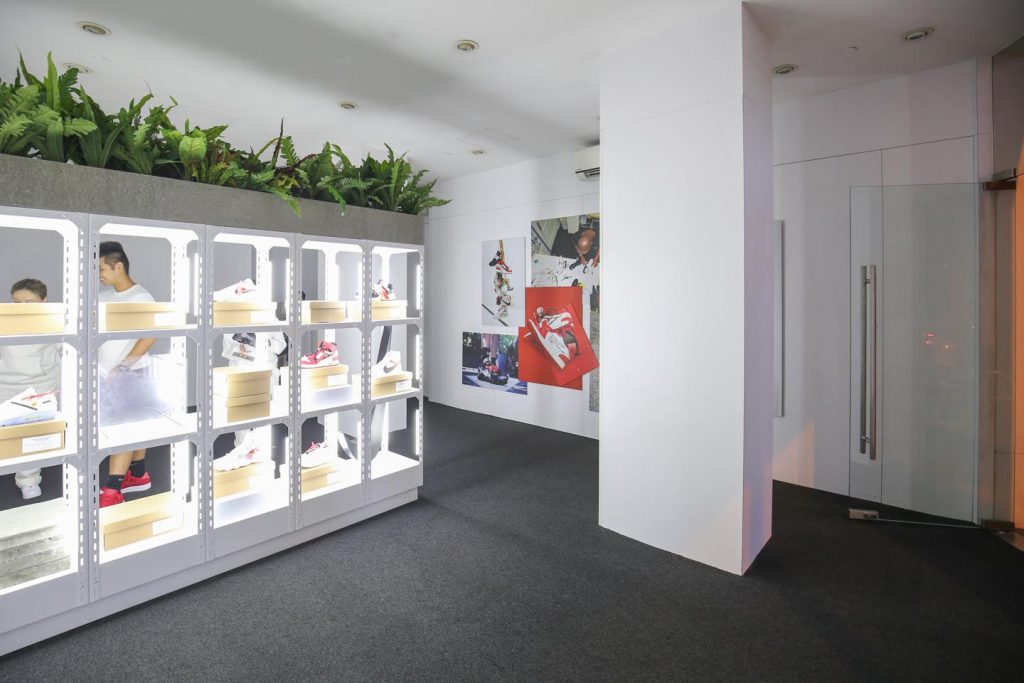
For example, the Nike x Virgil Abloh “The Ten” exhibition was presented in a dedicated pop-up space that showcased the design process behind the collection while creating exclusivity around the limited edition sneakers.
Pop-up stores allow brands to turn product launches into cultural events — combining retail, design exhibitions and community engagement.
Read the success story: Hypebeast launches highly anticipated Nike x Virgil Abloh pop-up.
4. Testing New Markets Before Permanent Retail
Sportswear brands frequently use pop-up stores to explore new markets before committing to long-term leases.
Temporary retail allows brands to test different neighbourhoods, understand customer demand and refine their product offering. By launching a short-term store, brands can evaluate foot traffic, product interest and local community engagement without the risks associated with permanent retail.
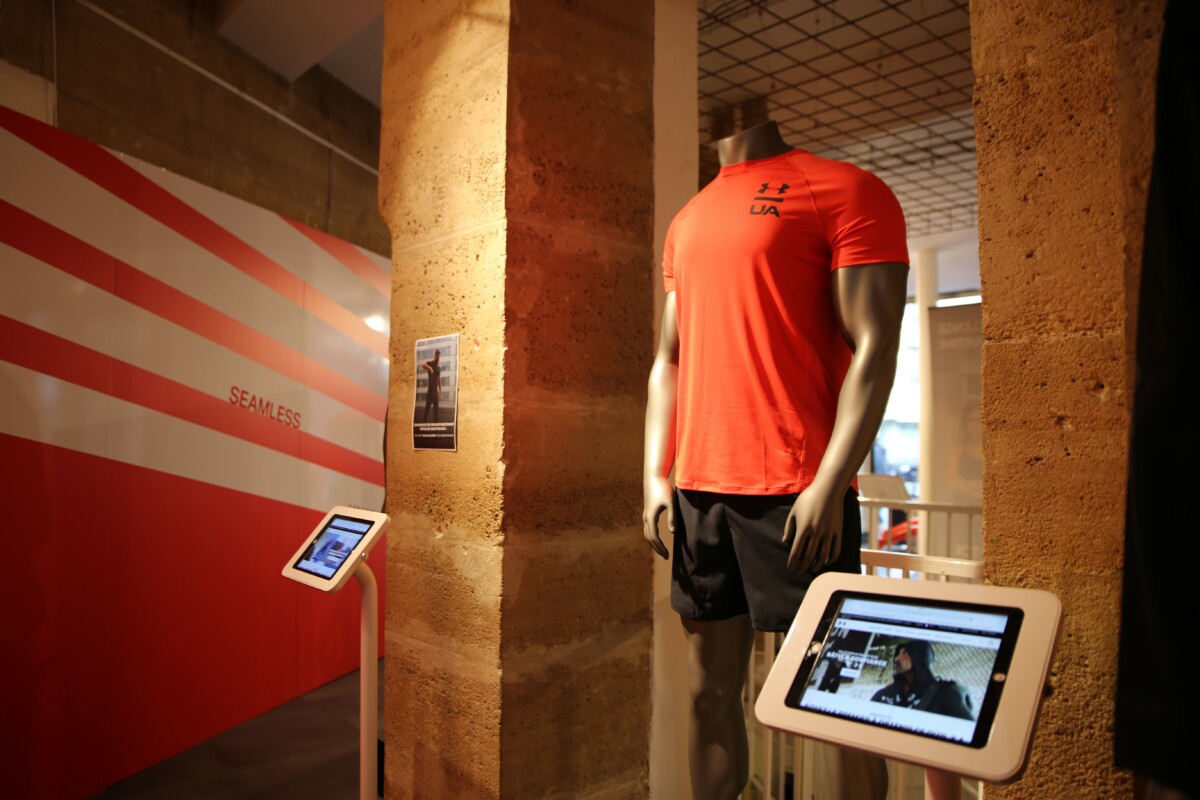
For example, Under Armour used a pop-up store in Paris to introduce the brand to the French market, creating an experiential retail environment focused on training and performance. The temporary space allowed the brand to connect directly with customers while building awareness in a new city.
Read the full case study: The Under Armour Pop-Up Store: Conquering the French Market
Sportswear brands entering international markets often use similar strategies, launching temporary retail spaces to introduce the brand to new audiences before expanding further.
5. Bridging Online and Physical Retail
Many modern sportswear brands operate with strong digital channels, but physical retail still plays an important role in how customers discover and experience products.
Pop-up stores allow brands to translate their online identity into a physical environment where customers can explore materials, fit and product design in person. Temporary retail also provides opportunities to strengthen brand storytelling and build deeper relationships with customers.
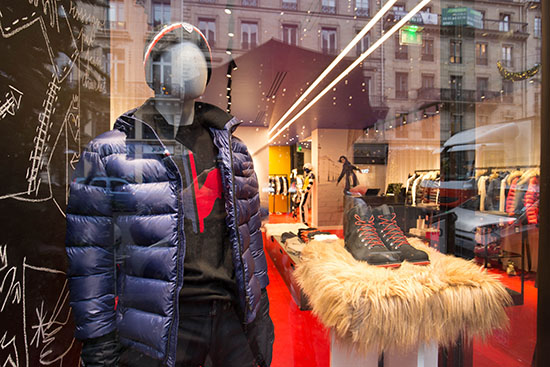
French ski and sportswear brand Rossignol used a pop-up store in central Paris to complement its e-commerce presence, showcasing its premium collection in a high-profile retail location near Place Vendôme. The activation highlighted how physical retail can support online growth while helping brands connect directly with customers.
Read the full case study: Rossignol’s Pop-Up Store in Paris
By combining online reach with temporary retail experiences, sportswear brands can create a more complete customer journey — allowing shoppers to discover products digitally while still benefiting from the tactile and immersive elements of physical retail.
Key Lessons From Sportswear Pop-Up Stores
Across these examples, several common strategies emerge.
Experience over transaction
Sportswear pop-ups focus on storytelling, culture and community rather than simply selling products.
Limited-time exclusivity drives demand
Temporary retail creates urgency around product launches and collaborations.
Community engagement builds loyalty
Events, exhibitions and collaborations turn pop-ups into social spaces for fans.
Flexible retail reduces risk
Brands can test markets and locations without committing to permanent leases.
Launch Your Own Sportswear Pop-Up Store
Pop-up stores give sportswear brands a flexible way to introduce new products, build community engagement and create memorable brand experiences.
Whether you’re launching a new activewear label, hosting a sneaker release or testing a new market, temporary retail spaces can help bring your brand to life.
Explore available pop-up shop spaces in London to find the right location for your next activation

- How to Test New Markets with Pop-Up Shops (Omnichannel Retail Strategy: Retail 101) - March 19, 2026
- Before and After: 3 Pop-Up Store Transformations That Bring Spaces to Life - March 18, 2026
- Offline Marketing Ideas for Pop-Up Shops - March 18, 2026
Related posts:
 Storefront Guide to Paris Fashion Week: Fashion Showrooms in 1ème
 How To Connect With Generation Z Using Pop-Up Stores
 Rihanna and Puma Launch a Fashion Week Showroom in Paris
 Under Armour’s Experiential Pop-Up Store in Paris: Testing the French Market
 Sharing is Caring: The Success of Shared Pop-Up Stores